



How to Advise Clients Facing Appraisal Gap Issues on Home Purchase?
For over two decades in the dynamic world of real estate finance, I’ve witnessed countless dreams take flight and, unfortunately, some encounter unexpected turbulence. One of the most common, and often most stressful, challenges buyers face today is the dreaded appraisal gap.
Imagine your client, ecstatic after their offer is accepted, only to have the appraisal come in lower than the agreed-upon purchase price. This isn't just a minor hiccup; it can feel like a financial earthquake, threatening to derail the entire home-buying process. The emotional rollercoaster is intense, and as their advisor, your role becomes absolutely critical.
In this definitive guide, I’ll share my seasoned strategies and actionable frameworks on how to advise clients facing appraisal gap issues on home purchase. We’ll delve into understanding the problem, proactive measures, and a step-by-step approach to navigating this complex terrain, ensuring you can guide your clients with confidence and expertise.
Understanding the Appraisal Gap: Why It Happens and Its Impact
Before we can effectively address an appraisal gap, we must first understand its anatomy. It’s more than just a number; it’s a reflection of market dynamics, appraiser methodology, and often, buyer enthusiasm.
What Exactly is an Appraisal Gap?
An appraisal gap occurs when a home's appraised value, determined by a licensed appraiser, is less than the agreed-upon purchase price. Lenders typically only finance up to the appraised value. So, if your client offered $500,000 for a home that appraises at $480,000, there's a $20,000 "gap" that isn't covered by the mortgage.
Common Causes of Low Appraisals
Several factors can contribute to a low appraisal. Often, it's a rapidly appreciating market where recent comparable sales (comps) haven't caught up to current buyer demand. Aggressive bidding wars can push prices beyond what an appraiser, who relies on historical data, can justify. Other reasons include unique property features that are hard to value, a shortage of suitable comps, or even an appraiser's unfamiliarity with a specific micro-market.
The Emotional and Financial Toll on Buyers
For buyers, especially first-timers, an appraisal gap can be crushing. They've invested time, emotion, and often money (inspections, earnest money) into a home they believe is theirs. Suddenly, they're faced with the prospect of needing more cash, renegotiating, or potentially losing the home. As their advisor, acknowledging this stress and offering clear, calm guidance is paramount.
Immediate Steps: Preparing Your Clients for the Possibility
The best defense is a good offense. In my experience, preparing clients for the possibility of an appraisal gap long before it occurs can significantly reduce panic and improve outcomes. This proactive approach builds trust and demonstrates your expertise.
Educate Early: Setting Realistic Expectations
From the outset, I make it a point to discuss appraisals with my clients. We talk about market conditions, potential risks, and what an appraisal means for their financing. It's crucial to explain that the offer price and the appraised value aren't always identical, especially in competitive markets. This conversation sets a realistic stage and empowers them with knowledge.
Reviewing the Purchase Agreement: The Appraisal Contingency
The appraisal contingency is your client's safety net. I always ensure my clients understand its purpose: it allows them to renegotiate or, in some cases, withdraw from the contract without penalty if the appraisal comes in low. Understanding this clause is vital for making informed decisions when an appraisal gap arises. Without it, they could be in a much more difficult position, potentially losing their earnest money.

Financial Preparedness: Beyond the Down Payment
I advise clients to consider setting aside additional funds beyond their down payment and closing costs, specifically for potential appraisal gaps. This "appraisal gap buffer" can be a game-changer. Even if they don't use it, having it provides peace of mind and flexibility, which is invaluable when navigating unexpected financial hurdles.
Strategy 1: Renegotiating the Purchase Price with the Seller
When an appraisal gap hits, one of the first avenues to explore is renegotiating the purchase price with the seller. This requires diplomacy, data, and a clear understanding of both parties' motivations.
The Art of Persuasion: Presenting Your Case
Approaching the seller requires more than just stating the appraisal came in low. You need to present a compelling case. This involves highlighting the appraisal as an objective third-party valuation and explaining the lender's limitations. Emphasize that a new buyer would likely face the same appraisal challenge, potentially leading to further delays or a lower final sale price for the seller.
Leveraging Comparable Sales and Market Data
Arm yourself with data. Review the appraisal report thoroughly. Are there more recent, stronger comparable sales that the appraiser might have missed? Have market conditions changed since the seller accepted the offer? Presenting additional, compelling data to the seller (and potentially the appraiser, as we'll discuss) can bolster your argument for a price reduction. According to a National Association of REALTORS® study, market data is consistently a key factor in successful real estate negotiations.
"In my career, I've found that a well-researched, data-driven negotiation is often the most effective way to address an appraisal gap. It moves the conversation from emotional to factual, which is crucial for a positive outcome."
| Negotiation Tactic | Benefit | Risk |
|---|---|---|
| Provide New Comps | Challenges appraiser's data, potential for higher valuation | Seller may not agree, appraiser may not accept |
| Request Price Reduction | Directly addresses gap, reduces buyer's out-of-pocket | Seller may refuse or offer partial reduction |
| Offer Appraisal Reconsideration | Potential for higher valuation without direct price change | Time-consuming, not guaranteed, seller may not wait |
Strategy 2: Bridging the Gap with Buyer Funds
If renegotiation isn't fully successful, or if the client is highly motivated to secure the home, bridging the appraisal gap with their own cash is often the next step. This requires a frank discussion about their financial capacity and comfort level.
The Cash-to-Close Option: How it Works
When the appraisal comes in low, and the seller won't reduce the price to match, the buyer can choose to pay the difference in cash. This means their down payment effectively increases by the amount of the gap. For example, if a $500,000 home appraises at $480,000, and the buyer initially planned a 20% down payment ($100,000), they would now need $100,000 (down payment) + $20,000 (appraisal gap) = $120,000 in cash at closing. This is why having that "appraisal gap buffer" is so important.
Weighing the Financial Implications for the Buyer
It’s essential to help clients analyze the impact of using cash to cover the gap. Does it deplete their savings too much? Will it leave them without an adequate emergency fund? Is the long-term value of the home likely to justify the additional upfront investment? This is where your financial expertise truly shines, helping them make a prudent decision, not just an emotional one.
Case Study: Bridging the Gap for the Andersons
The Andersons, first-time homebuyers, offered $520,000 for a charming bungalow in a burgeoning neighborhood, which appraised at $500,000. Faced with a $20,000 gap, I immediately presented their options. They had some liquid savings, so we proposed covering half the gap ($10,000) in cash. The sellers, eager to close and having already packed, agreed to drop the price by $10,000. This collaborative approach, born from open communication and a willingness to compromise on both sides, saved the deal. The Andersons secured their dream home, albeit with a slightly higher upfront cost, and the sellers avoided the hassle of remarketing. This demonstrates how a partial cash contribution from the buyer, combined with a modest price reduction from the seller, can bridge a significant gap.
Strategy 3: Challenging the Appraisal Itself (Reconsideration of Value)
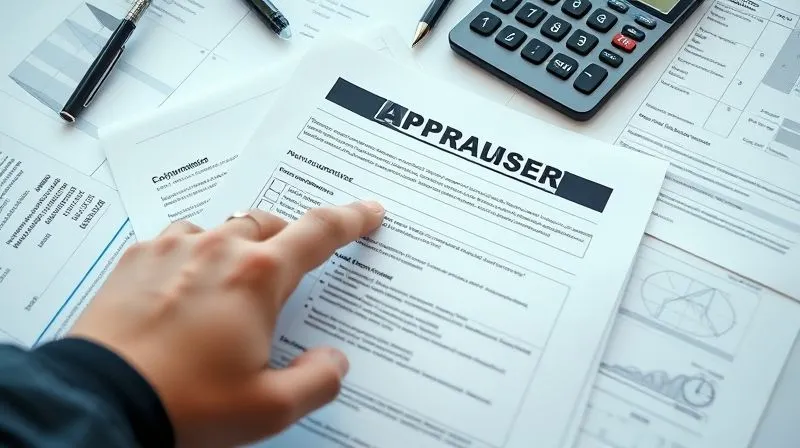
While appraisers are professionals, they are human, and errors or overlooked data can occur. Challenging the appraisal, known as requesting a Reconsideration of Value (ROV), is a viable, albeit not guaranteed, strategy.
When and How to Request a Reconsideration of Value (ROV)
An ROV is initiated through the lender. It's not a direct appeal to the appraiser. Your lender, who ordered the appraisal, will submit the request with supporting documentation. This typically happens when there's clear evidence that the appraiser made a factual error or overlooked critical comparable sales. As Fannie Mae guidelines suggest, such requests require substantial, objective data.
Gathering Supporting Documentation: A Critical Step
This is where your expertise in local market comps becomes invaluable. You'll need to meticulously review the appraisal report for any inaccuracies. Look for:
- Factual Errors: Incorrect square footage, number of bedrooms/bathrooms, or lot size.
- Outdated or Unsuitable Comparables: Did the appraiser use comps that are too old, too far away, or not truly comparable in features or condition?
- Missed Value-Adding Features: Were recent renovations, significant upgrades, or unique property benefits overlooked?
- Stronger, More Recent Comps: Identify 2-3 truly superior comparable sales that closed recently and are within a reasonable distance that the appraiser did not use.
The ROV Process: A Step-by-Step Guide
- Review the Appraisal Report Thoroughly: Don't just skim it. Scrutinize every detail.
- Identify Discrepancies or Errors: Pinpoint specific areas where the appraisal seems flawed or incomplete.
- Compile Strong Comparable Sales Data: Gather recent, highly relevant sales that support a higher valuation.
- Draft a Formal Reconsideration Request: Work with the lender to articulate a clear, concise argument, supported by your collected data.
- Submit Through the Lender: The lender will then forward this to the appraisal management company (AMC) or the appraiser for review.
Strategy 4: Exploring Seller Concessions and Creative Financing
Beyond a direct price reduction, sellers can offer other forms of concessions that help mitigate the appraisal gap without directly lowering the sale price. This can be a win-win, especially if the seller is firm on their price but motivated to close.
Asking for Seller Credits Towards Closing Costs
If the seller isn't willing to drop the price, they might be open to offering a credit towards the buyer's closing costs. While this doesn't directly bridge the appraisal gap (the buyer still needs to bring the cash difference for the gap itself), it can free up the buyer's funds to cover that gap. For example, if a buyer needs $10,000 for the gap and the seller provides a $5,000 closing cost credit, the buyer's total cash requirement at closing is reduced by $5,000, making it easier to cover the appraisal difference. This is a common strategy in real estate transactions, as highlighted by various industry experts like those at Forbes Advisor.
Temporary Buydowns and Other Lender Solutions
Some lenders offer specific programs or temporary buydowns that can help in certain situations, though these are less common specifically for appraisal gaps. A temporary buydown, for instance, might reduce the buyer's interest rate for the first few years, making monthly payments more affordable and potentially easing the burden of a larger upfront cash outlay. It's always worth discussing all options with a knowledgeable mortgage broker.
The Appraisal Gap Addendum: A Proactive Measure
In highly competitive markets, I often advise clients to include an "Appraisal Gap Addendum" with their initial offer. This addendum states that the buyer is willing to cover a certain amount of the appraisal gap (e.g., up to $X) in cash if the appraisal comes in low. This signals to the seller that the buyer is serious and has a plan, potentially making their offer more attractive than others, even if it's not the highest price.
Strategy 5: Walking Away – Knowing When to Cut Your Losses
Sometimes, despite all best efforts, the appraisal gap is simply too large, or the seller is unwilling to budge, and the buyer's financial limits are reached. In these situations, the most responsible advice you can give is to walk away from the deal.
Understanding the Appraisal Contingency's Protection
This is precisely why the appraisal contingency exists. If the gap cannot be resolved to the buyer's satisfaction, and the contingency is still active, the buyer can terminate the contract and receive their earnest money back. It's a protection against overpaying for a property that doesn't appraise, and against being forced into an unsustainable financial position.
The Emotional Toll vs. Financial Prudence
Walking away is tough. Clients often feel emotionally invested and disappointed. Your role here is to be the voice of reason, emphasizing financial prudence over emotional attachment. Remind them of their long-term financial goals and the potential strain of overpaying or depleting their savings for one property. It’s better to lose one deal than to enter into a home purchase that puts them at significant financial risk.
"Sometimes, the best advice you can give a client is to walk away. It's not a failure; it's protecting their financial future and ensuring they make a sound investment. There will always be another home."
Proactive Measures: Minimizing Future Appraisal Gap Risks
While appraisal gaps can't always be avoided, there are proactive steps you can take with your clients to minimize their occurrence and impact in future transactions.
Working with Experienced Lenders and Appraisers
A good lender can make a huge difference. They often have established relationships with appraisal management companies (AMCs) that use local, experienced appraisers. While you can't choose the appraiser, a lender who understands the nuances of the local market can sometimes facilitate a smoother appraisal process. Moreover, I always advise sellers to provide appraisers with a detailed list of upgrades and relevant comps, which can aid in a more accurate valuation.
Thorough Market Analysis Before Offering
Before submitting an offer, conduct a comprehensive comparative market analysis (CMA). This goes beyond just pulling comps. It involves understanding recent market trends, absorption rates, and average days on market. If your CMA suggests the property is priced significantly above recent sales, advise your client accordingly, even if they're eager. This insight helps them make a more informed offer, reducing the likelihood of a major appraisal gap. As a seasoned professional, I always emphasize that data-driven decisions safeguard investments. For deeper insights into market analysis, resources like Harvard Business Review often discuss the importance of combining data with expert interpretation.

Frequently Asked Questions (FAQ)
Q: What if the seller refuses to budge on the price or contribute to closing costs? A: If the seller is unwilling to negotiate on price or offer concessions, and your client cannot or will not cover the appraisal gap with cash, then your primary option, assuming an active appraisal contingency, is to walk away from the deal. It's a difficult decision, but it protects your client from overpaying or taking on undue financial risk. Ensure they understand their rights under the contract.
Q: Can I get a second appraisal? A: Generally, lenders will not order a second appraisal unless there is clear evidence of a significant error in the first one, or if the initial appraiser was not qualified for the property type. Simply "not liking" the first appraisal result is not sufficient grounds. A Reconsideration of Value (ROV) is the more common route, which involves challenging the existing appraisal with new data rather than ordering a completely new one.
Q: Does an appraisal gap affect my loan amount? A: Yes, absolutely. Lenders base the maximum loan amount on the lower of the purchase price or the appraised value. If the appraisal comes in low, your loan amount will be reduced to reflect that lower value, meaning your client will need to cover the difference in cash to maintain the original purchase price. For example, if buying at $500k, appraised at $480k, and planning 80% LTV, the loan will be 80% of $480k ($384k), not $400k.
Q: How quickly do we need to address an appraisal gap? A: Time is of the essence. The appraisal contingency typically has a strict deadline (often 7-14 days after receiving the appraisal report). You need to act swiftly to negotiate with the seller, determine your client's financial capacity, or initiate an ROV within this timeframe to protect your client's earnest money and contractual rights. Prompt communication with all parties is key.
Q: Is an appraisal waiver always a bad idea? A: An appraisal waiver, where the lender agrees to waive the appraisal requirement, can be appealing in competitive markets. However, it means the buyer is agreeing to pay the purchase price regardless of the appraised value, taking on all the risk of an appraisal gap themselves. While it can make an offer stronger for a seller, I generally advise extreme caution. It's typically only advisable for buyers with significant cash reserves who are comfortable with the risk, or in very specific refinance situations where the lender has ample data. It essentially removes the buyer's primary protection against overpaying.
Key Takeaways and Final Thoughts
Navigating appraisal gap issues on a home purchase is undoubtedly one of the more challenging aspects of a real estate transaction. As an experienced advisor, your ability to guide clients through this with calm expertise, robust data, and empathetic understanding is what truly sets you apart.
- Proactive Education is Key: Prepare clients for potential gaps from day one.
- Master the Contingency: Understand and leverage the appraisal contingency for protection.
- Negotiate with Data: Use comps and market insights to argue for price adjustments.
- Explore All Options: Consider buyer cash, seller concessions, and ROVs.
- Know When to Walk: Advise clients on financial prudence over emotional attachment.
- Build Strong Relationships: Work with reliable lenders and appraisers.
The real estate market will always have its curveballs. But by equipping yourself with these strategies and adopting a proactive, client-centric approach, you can transform a potentially deal-breaking appraisal gap into a manageable challenge. Your clients will not only appreciate your guidance but will trust you implicitly for their future real estate endeavors. Keep learning, keep adapting, and keep leading with expertise.
Recommended Reading
- 7 Checks: How to Verify Ethical Fund Claims & Avoid Greenwashing Risk
- Unlock Financial Freedom: How to Build a Monthly Budget for Variable Income
- 7 Advanced Strategies to Defer Capital Gains on High-Growth Assets
- Failed Funding? How to Attract Angel Investors the Second Time
- Fixing Complex Credit Errors: Secure Your Crucial Business Loan




Comments
Leave a comment below. Your email will not be published. Required fields marked with *