


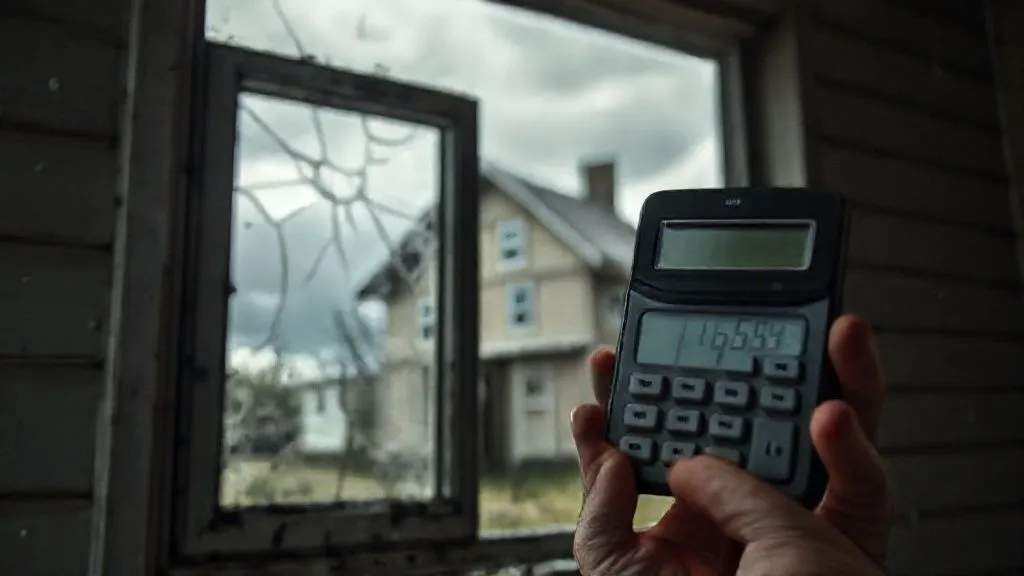
What to do when rental property cash flow turns negative unexpectedly?
For over two decades in the real estate investment arena, I've witnessed the exhilarating highs of passive income and, just as often, the stomach-dropping lows when a seemingly stable rental property suddenly starts losing money. It’s a scenario no investor ever wants to face, but it's a stark reality for many: that moment when your rental property cash flow turns negative unexpectedly.
The initial shock can be paralyzing. You've invested time, capital, and dreams into this asset, only to find it's draining your bank account instead of filling it. This isn't just a minor blip; it's a critical financial emergency that demands immediate, calculated action, not panic.
In this definitive guide, I'll walk you through a battle-tested framework for diagnosing, mitigating, and ultimately reversing negative cash flow in your investment properties. We'll explore actionable strategies, real-world insights, and the crucial steps you need to take to protect your investment and restore its profitability, ensuring you know exactly what to do when rental property cash flow turns negative unexpectedly.
The Alarming Signs: Diagnosing Negative Cash Flow Early
Before you can fix the problem, you must first understand its root cause. Often, negative cash flow doesn't appear overnight; it's the culmination of ignored red flags or a sudden, impactful event. My experience tells me that early detection is your strongest defense.
Common Triggers for Unexpected Declines
Several factors can rapidly erode your property's profitability. I’ve seen everything from market shifts to unforeseen disasters. Understanding these triggers is the first step in prevention and rapid response.
- Sudden Vacancy: Prolonged periods without a tenant mean 100% loss of rental income.
- Major Capital Expenditures: Unexpected roof replacement, HVAC failure, or foundation issues can wipe out years of profit.
- Increased Operating Costs: Rising property taxes, insurance premiums, utility costs, or HOA fees can slowly but surely squeeze your margins.
- Rent Default/Eviction: Non-paying tenants lead to lost income, legal fees, and potential property damage.
- Market Downturn: A sudden drop in rental demand or property values can force lower rents and longer vacancies.
- Interest Rate Hikes: For variable-rate mortgages, an increase can significantly impact monthly payments.
Key Metrics to Monitor Religiously
You can't manage what you don't measure. I always advise my clients to keep a close eye on these vital financial indicators. They act as your property’s vital signs.
"The most dangerous assumption in real estate is that 'everything will be fine.' Proactive monitoring of your financials is not optional; it's foundational to long-term success."
Here’s a snapshot of the critical metrics that should be on your dashboard:
| Metric | Description | Benchmark |
|---|---|---|
| Gross Rental Income (GRI) | Total potential rent collected. | High |
| Operating Expenses (OpEx) | All costs to run the property (taxes, insurance, repairs, management). | Low |
| Net Operating Income (NOI) | GRI - OpEx. The property's profitability before debt service. | Positive and stable |
| Debt Service | Mortgage principal & interest payments. | Manageable |
| Cash Flow | NOI - Debt Service. The actual money in your pocket. | Positive |
| Vacancy Rate | Percentage of time property is unoccupied. | < 5% |
A consistent review of these numbers will give you an early warning system, allowing you to react before a minor drip becomes a flood. When you notice any of these trending negatively, it’s time to act.
Immediate Triage: Stopping the Bleeding
When cash flow turns negative, the first priority is to stabilize the situation. This isn't about long-term strategy yet; it's about immediate, decisive action to prevent further financial drain. Think of it as emergency first aid for your investment.
Step 1: Conduct a Forensic Financial Audit
I always tell investors to treat this like a crime scene investigation. Every dollar in and out must be accounted for. Don't just glance at bank statements; dig deep into every receipt, invoice, and ledger entry for the past 6-12 months.
- Categorize Every Expense: Separate fixed costs (mortgage, taxes, insurance) from variable costs (repairs, utilities, marketing, legal fees).
- Identify Outliers: Look for any expenses that are unusually high or unexpected. Did a repair cost more than it should have? Are utility bills inexplicably high?
- Verify Income Streams: Confirm all rent payments were received and deposited correctly. Are there any outstanding balances from tenants?
- Analyze Trends: Compare current expenses and income to previous periods. What has changed?
This detailed audit will pinpoint exactly where the money is going and where it isn't coming in. It's the critical first step to understanding what to do when rental property cash flow turns negative unexpectedly.
Step 2: Communicate with Your Lender (If Mortgage is the Issue)
If mortgage payments are becoming a strain, do NOT wait until you miss a payment. Proactive communication is key. Lenders are often more willing to work with you if you approach them before you're in default.
- Explain Your Situation: Clearly articulate the temporary nature of your financial difficulty, if applicable.
- Explore Options: Inquire about forbearance, loan modification, or even interest-only payment periods. These are temporary fixes but can provide crucial breathing room.
- Be Prepared: Have all your financial documents ready, including income statements, expense reports, and a brief explanation of your plan to rectify the situation.

Strategic Cost Reduction: Trimming the Fat, Not the Muscle
Once the immediate bleeding is stopped, the next phase involves a surgical approach to your operating expenses. The goal isn't to cut corners that will harm your property's value or tenant satisfaction, but to eliminate inefficiencies and unnecessary costs.
Re-evaluating Property Management Fees
If you use a property manager, their fees are a significant line item. While a good manager is invaluable, it's worth assessing if you're getting value for money, especially if your cash flow is negative.
- Review Contract: Understand all fees – management, leasing, maintenance markups, etc.
- Negotiate: Can you negotiate a lower percentage, especially if you have multiple properties with them?
- Consider Self-Management: If you have the time, skills, and proximity, temporarily taking over management can save 8-12% of gross rents. Be honest about your capacity.
Smart Maintenance & Repair Strategies
Maintenance is a necessary expense, but it can quickly get out of control. I've often seen investors overpay for services or neglect preventative maintenance, leading to larger, more expensive problems down the line.
- Get Multiple Bids: For any significant repair, always get at least three quotes from different, reputable contractors.
- Prioritize Repairs: Distinguish between essential, urgent repairs and cosmetic improvements. Focus only on the former when cash flow is tight.
- DIY Where Possible: For minor repairs, if you or a trusted friend/family member has the skills, doing it yourself can save hundreds.
- Preventative Maintenance: Invest in regular checks (HVAC, plumbing, roof) to catch small issues before they become catastrophic failures. According to a study by Forbes Advisor, preventative maintenance can save homeowners 10-40% on repair costs over the long term.
Insurance Policy Optimization
Insurance is a non-negotiable expense, but it doesn't mean you can't optimize it. Premiums vary widely between providers and policies.
- Shop Around: Obtain quotes from several different insurance carriers annually. Don't just renew automatically.
- Increase Deductible: A higher deductible can significantly lower your annual premium. Just ensure you have the emergency funds to cover it if a claim arises.
- Review Coverage: Ensure you're not over-insured or paying for coverage you don't need. Conversely, ensure you're not under-insured for critical risks.
Boosting Rental Income: Maximizing Your Property's Potential
While cutting costs is vital, sometimes the solution to negative cash flow lies in increasing your income. This isn't always about simply raising rent; it's about enhancing your property's value proposition and ensuring it's always occupied by quality tenants.
Rent Optimization & Market Analysis
Are you charging too little, or perhaps too much? Under-market rent leaves money on the table, while over-market rent leads to vacancies. I've found that regular, data-driven rent analysis is crucial.
- Perform Regular Market Comps: Research comparable rental properties in your area. Look at square footage, number of bedrooms/bathrooms, amenities, and condition.
- Assess Your Property's Value: Be honest about your property's condition and features relative to comps.
- Strategic Rent Increases: If your rent is below market, consider a modest increase upon lease renewal. Communicate this clearly and well in advance to your tenants.
- Consider Short-Term Rentals (Carefully): In some markets, converting to a short-term rental (e.g., Airbnb) can yield higher income, but it comes with increased management, turnover, and regulatory complexities. This is a significant pivot and requires thorough research.
Value-Add Improvements
Sometimes, a small investment can lead to a disproportionately large increase in rent or tenant appeal. These aren't major renovations, but targeted upgrades.
- Modernize Fixtures: Updating light fixtures, faucets, and cabinet hardware can dramatically refresh a space.
- Fresh Paint & Flooring: A fresh coat of neutral paint and updated flooring (LVP is popular and durable) can make a huge difference.
- Appliance Upgrades: Energy-efficient appliances are a selling point and can reduce utility costs for tenants.
- Outdoor Appeal: Basic landscaping, a clean exterior, and a well-maintained entry can attract better tenants.
According to National Association of Realtors (NAR) research, certain interior and exterior improvements consistently offer a high return on investment for landlords.
Minimizing Vacancy Rates
A vacant property is a bleeding property. Reducing turnover and minimizing the time between tenants is paramount.
- Tenant Retention: Good communication, prompt maintenance, and fair dealings foster longer tenancy. Consider small gestures like a holiday card or a gift upon renewal.
- Efficient Marketing: When a vacancy is imminent, start marketing aggressively before the current tenant leaves. Professional photos and compelling listings are a must.
- Streamlined Application Process: Make it easy for prospective tenants to apply and get approved.
- Thorough Screening: While you want to fill vacancies quickly, never compromise on rigorous tenant screening to avoid future headaches like evictions or property damage.
Refinancing & Debt Restructuring: Lightening the Financial Load
For many real estate investors, the mortgage is the single largest expense. When cash flow turns negative, exploring options to reduce this burden can be a game-changer. This often involves refinancing or restructuring your existing debt.
Understanding Your Mortgage Options
The world of mortgages is more diverse than many realize. Knowing your options can unlock significant savings.
- Interest Rate Refinance: If interest rates have dropped since you acquired your property, refinancing to a lower rate can significantly reduce your monthly payments.
- Term Extension Refinance: Extending the loan term (e.g., from 15 to 30 years) will lower your monthly payments, though you’ll pay more interest over the life of the loan. This is a common strategy to improve immediate cash flow.
- Cash-Out Refinance (Use with Caution): If your property has appreciated, a cash-out refinance allows you to tap into equity. While it provides immediate liquidity, it also increases your debt burden. I generally advise against this if you're already in a negative cash flow situation unless the cash is used for value-add improvements with a guaranteed ROI.
- HELOC (Home Equity Line of Credit): Similar to cash-out, but offers a revolving line of credit. Again, use with extreme prudence in a distressed scenario.
The Pros and Cons of Refinancing
Refinancing isn't a silver bullet, and it comes with its own set of costs and considerations.
"Refinancing is a powerful tool, but like any financial instrument, it must be wielded with precision and a clear understanding of its long-term implications. Don't just chase a lower payment; chase a healthier financial future."
Pros:
- Lower monthly payments, improving cash flow.
- Opportunity to switch from a variable to a fixed rate for stability.
- Access to equity for strategic investments (if applicable).
Cons:
- Closing costs (can be 2-5% of the loan amount).
- Extending the loan term means paying more interest over time.
- Impact on credit score during the application process.
- Risk of losing property if new terms become unmanageable.
Always consult with a reputable mortgage broker or financial advisor to understand the best option for your specific situation. They can help you calculate the break-even point for refinancing costs versus monthly savings.
The Power of Proactive Planning: Building a Financial Buffer
While we're discussing what to do when rental property cash flow turns negative unexpectedly, a crucial lesson emerges: prevention is better than cure. My years in this industry have taught me that the most successful investors are those who plan for the unexpected.
Establishing an Emergency Fund
This is non-negotiable for any serious real estate investor. An emergency fund specifically for your rental properties acts as a financial shock absorber.
- Determine the Ideal Size: I recommend having at least 3-6 months of your property's total operating expenses (including mortgage payments) readily available. For older properties or those in volatile markets, aim for 6-12 months.
- Dedicated Account: Keep this fund in a separate, easily accessible savings account, distinct from your personal finances.
- Replenish Regularly: If you have to tap into it, make it a priority to replenish the fund as soon as your cash flow improves.
This fund is your first line of defense against unexpected vacancies, major repairs, or economic downturns, allowing you to bridge gaps without going into debt or selling prematurely.
Regular Financial Reviews
Set aside time, at least quarterly, to conduct a thorough financial review of each property. This isn't just about looking at bank statements; it's about strategic assessment.
- Compare Actual vs. Budget: Did your income and expenses align with your projections? Where were the variances?
- Market Pulse Check: Are rents in your area trending up or down? What's the vacancy rate?
- Property Condition Assessment: Are there any looming maintenance issues that need to be budgeted for?
- Tax Implications: Consult with your accountant to understand how your property's performance impacts your tax liability. Regularly reviewing your financial health, as advised by financial experts on platforms like Investopedia, is crucial for long-term real estate success.
These proactive steps are what differentiate successful, long-term investors from those caught off guard. They transform the question of "what to do when rental property cash flow turns negative unexpectedly?" into "how can I prevent negative cash flow?"
When to Cut Your Losses: The Difficult Decision to Sell
While the goal is always to turn things around, there are times when holding onto a property with persistent negative cash flow becomes a greater financial drain than the pain of selling. This is often the hardest decision an investor faces, but an experienced professional understands that sometimes, the best move is a strategic exit.
Calculating Your Break-Even Point
Before considering a sale, calculate your property's break-even point. This is the minimum rent you need to charge to cover all expenses (operating expenses + debt service). If market rents consistently fall below this, or if the costs to bring the property to market rent are prohibitive, it's a major red flag.
Also, calculate your total capital invested versus the current market value, factoring in potential selling costs (commissions, closing costs). Are you facing a situation where continued holding will only deepen your losses?
Strategic Exit Planning
If selling seems inevitable, don't rush into it. A well-planned exit can minimize losses and even salvage some profit.
- Consult a Real Estate Agent: Get a realistic valuation of your property in its current condition and potential "as-repaired" value.
- Optimize for Sale: Focus on high-impact, low-cost improvements that will appeal to buyers (e.g., fresh paint, decluttering, curb appeal).
- Consider All Options: Could you sell to another investor interested in a value-add project? Or is a retail buyer the target?
- Tax Implications: Understand the capital gains tax implications of selling. Consult with a tax professional.
Case Study: The Turnaround of Lakeside Lofts
The Problem: Lakeside Lofts, a multi-unit property I advised on, was purchased at the peak of a hot market. A year later, a major employer left town, causing a surge in vacancies and a 15% drop in average rents. Coupled with an unexpected boiler replacement, the property’s cash flow plummeted to -$1,200 per month.
The Triage: We immediately paused all non-essential repairs and renegotiated a temporary interest-only payment plan with the lender for six months. A forensic audit revealed inflated maintenance invoices from a previous contractor.
The Turnaround Strategy:
- Cost Reduction: We switched property managers, saving 2% on fees, and secured new, competitive bids for all future maintenance, cutting costs by 18%.
- Income Generation: We invested in professional staging and photography for vacant units and offered a one-month free rent incentive for new tenants signing 18-month leases, rapidly filling all units within 3 months.
- Refinancing: Once the market stabilized and units were filled, we refinanced to a lower interest rate, locking in a fixed payment.
The Result: Within 9 months, Lakeside Lofts went from -$1,200 to +$850 cash flow per month. This case illustrates that decisive action, combined with strategic planning and a willingness to adapt, can reverse even severe negative cash flow situations.
Frequently Asked Questions (FAQ)
Q: How quickly can I expect to turn around negative cash flow? A: The timeline varies greatly depending on the severity of the problem and the market conditions. Immediate triage can stop the bleeding within weeks, but fully restoring positive cash flow through strategic adjustments (like tenant acquisition or refinancing) can take anywhere from 3 to 12 months. Patience and consistent effort are key.
Q: Should I use my personal savings to cover negative cash flow? A: Ideally, no. Your rental property should have its own emergency fund. If that's depleted, using personal savings should be a last resort and only after you have a clear, actionable plan to restore profitability and replenish both funds. Mixing personal and business finances can lead to greater financial distress.
Q: What if my tenants are consistently late or not paying rent? A: This is a direct hit to cash flow. Implement a strict, legally compliant rent collection policy. For persistent issues, initiate eviction proceedings promptly. While difficult, prolonged non-payment is unsustainable. Prevention through thorough tenant screening is always the best defense.
Q: Is it always a bad sign if cash flow is negative? A: Not always. In certain growth-oriented investment strategies, like value-add plays where you acquire a distressed property with the intent to heavily renovate and force appreciation, temporary negative cash flow might be part of the plan. However, for a stabilized, income-producing property, unexpected negative cash flow is a serious warning sign that demands immediate attention.
Q: How often should I review my property's financials? A: At a minimum, I recommend a monthly review of income and expenses against your budget. A more comprehensive quarterly review, including market analysis and property condition assessment, is also crucial. The more frequently you monitor, the faster you can respond to issues.
Key Takeaways and Final Thoughts
Facing negative cash flow in a rental property is undoubtedly a challenging experience, but it is not an insurmountable one. As an experienced investor, I've guided countless clients through these turbulent waters, and the core principles remain the same: swift diagnosis, decisive action, and strategic planning.
- Act Immediately: Don't delay. The longer you wait, the harder and more expensive the problem becomes.
- Audit Everything: Understand every dollar in and out. Data is your ally.
- Cut Smart, Not Blind: Reduce costs strategically without compromising property value or tenant satisfaction.
- Boost Income Creatively: Explore all avenues to increase rental income and reduce vacancies.
- Leverage Debt Strategically: Refinancing can offer breathing room, but understand the long-term implications.
- Plan for the Unexpected: Build emergency funds and conduct regular financial reviews to build resilience.
- Know When to Exit: Sometimes, the most disciplined decision is to sell and reallocate capital.
Remember, every challenge in real estate is an opportunity to learn and refine your investment strategy. By applying these expert insights and taking proactive steps, you can navigate the complexities of negative cash flow, protect your valuable assets, and emerge as a more resilient and knowledgeable real estate investor. You now have a clear roadmap for what to do when rental property cash flow turns negative unexpectedly.
Recommended Reading
- Unlock Extreme Budget Travel: 7 Ways to Maximize Credit Card Points
- 7 Proven Strategies: Sustain High-Yield Savings Amid Fluctuating Rates
- 6 Steps to Aggressively Save for Retirement with Six-Figure Student Debt
- Why Open Banking Stalls: 7 Keys to Faster Customer Adoption
- Unlock Savings: How IoT Devices Slash Your Home Insurance Costs





Comments
Leave a comment below. Your email will not be published. Required fields marked with *