



How to Attract Angel Investors After a Failed Funding Round
For over 20 years, I've guided startups through the turbulent waters of fundraising. I've seen companies stumble, fall, and, most importantly, rise again. A failed funding round isn't the end; it's a detour, a chance to recalibrate and come back stronger.
The sting of rejection after a failed funding round is real. It can feel like your dream is slipping away. Investors who once seemed eager are now hesitant, and the momentum you had built evaporates. The pressure mounts, and the path forward seems unclear.
This article provides a roadmap to not only recover from a failed funding round but to emerge with a stronger, more compelling investment opportunity. We'll explore actionable strategies, real-world examples, and expert insights to help you rebuild trust, refine your pitch, and ultimately, attract the angel investors you need to fuel your startup's growth.
Understanding Why You Failed the First Time
Before you can attract new investors, you need to understand why you failed to secure funding initially. This requires brutal honesty and a willingness to confront uncomfortable truths. Don't sugarcoat the reasons; dissect them. Was it the pitch deck, the market validation, or something else entirely?
Start by gathering feedback from the investors who passed on your opportunity. Most investors are willing to provide constructive criticism, even if they declined to invest. This feedback is invaluable for identifying weaknesses in your strategy and presentation.
- Review Your Pitch Deck: Was it clear, concise, and compelling? Did it highlight the problem you're solving, your unique solution, and your market opportunity?
- Analyze Your Financial Projections: Were they realistic and data-driven? Did you demonstrate a clear path to profitability?
- Assess Your Team: Did you present a strong, capable team with the experience and expertise to execute your vision?
- Evaluate Your Market Validation: Did you have sufficient evidence of customer demand and market traction?
According to a study by Harvard Business Review, a lack of clear market validation is one of the most common reasons why startups fail to secure funding. Make sure you have solid data to support your claims.

Rebuilding Trust and Credibility
A failed funding round can damage your credibility with potential investors. Rebuilding that trust is crucial. Transparency and honesty are paramount. Don't try to hide or downplay the previous failure; address it directly and explain what you've learned from the experience.
Demonstrate that you've taken steps to address the issues that led to the initial rejection. This could involve refining your business model, strengthening your team, or conducting more thorough market research.
Consider seeking mentorship from experienced entrepreneurs or investors. Their guidance can provide valuable insights and help you avoid making the same mistakes again. A mentor can also vouch for your commitment and potential, which can significantly boost your credibility.
Key Insight: Transparency is key. Be upfront about the past failure, but focus on the lessons learned and the improvements you've made. Investors appreciate honesty and a willingness to learn from mistakes.
Refining Your Pitch and Strategy
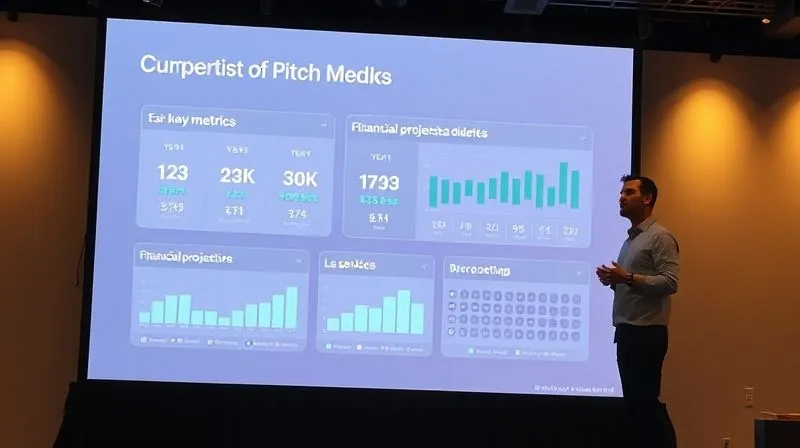
Your pitch deck is your most important tool for attracting angel investors. It needs to be clear, concise, compelling, and data-driven. Don't simply recycle your old pitch deck; completely revamp it based on the feedback you received and the lessons you've learned.
Focus on highlighting your unique value proposition and demonstrating a clear competitive advantage. Explain how you're solving a real problem for a large and growing market. Quantify your potential impact with realistic financial projections.
Practice your pitch until you can deliver it flawlessly. Be prepared to answer tough questions about your business model, your team, and your financial projections. Confidence and preparedness are essential for convincing investors that you're worth their investment.
Case Study: How GreenTech Revamped Their Pitch
GreenTech, a startup developing sustainable energy solutions, failed to secure seed funding after their initial pitch. Investors cited concerns about their market validation and their financial projections. GreenTech took the feedback to heart and completely revamped their pitch deck. They conducted extensive market research to validate their assumptions and developed more realistic financial projections. They also strengthened their team by adding an experienced CFO. The second time around, they secured funding from a group of angel investors who were impressed by their improved pitch and their commitment to addressing the previous concerns. This resulted in a successful product launch and rapid market growth.
Building a Stronger Team
Investors invest in people as much as they invest in ideas. A strong, capable team is essential for attracting angel investors. If you received feedback that your team was lacking in experience or expertise, take steps to address those concerns.
Consider adding experienced advisors or board members who can provide guidance and credibility. Recruit talented individuals who can fill key roles within your organization. A strong team demonstrates that you're serious about your business and that you have the resources to execute your vision.
Highlight the strengths and accomplishments of your team members in your pitch deck. Showcase their experience, expertise, and track record of success. Investors want to see that you have a team that can overcome challenges and deliver results.
| Team Member | Role | Experience |
|---|---|---|
| Jane Doe | CEO | 15 years in tech, founded 2 successful startups |
| John Smith | CTO | 10 years in software development, expert in AI |
| Alice Brown | CFO | 20 years in finance, experience with venture capital |
Demonstrating Market Traction
Market traction is one of the most compelling indicators of a startup's potential. If you can demonstrate that you're generating revenue, acquiring customers, and building a loyal following, you'll significantly increase your chances of attracting angel investors.
Focus on generating early traction through targeted marketing campaigns, strategic partnerships, and effective sales strategies. Track your key metrics closely and use data to optimize your efforts. Investors want to see that you're making progress and that your business is gaining momentum.
Highlight your market traction in your pitch deck. Showcase your revenue growth, customer acquisition cost, and customer lifetime value. Use data to tell a compelling story about your business and its potential for growth. As marketing guru Seth Godin often says, "People do not buy goods and services. They buy relations, stories and magic."
Targeting the Right Investors
Not all angel investors are created equal. Some investors specialize in specific industries or investment stages. It's important to target investors who are a good fit for your business and your stage of development.
Research potential investors thoroughly before reaching out to them. Understand their investment thesis, their portfolio companies, and their track record. Tailor your pitch to their specific interests and investment criteria.
Attend industry events and networking opportunities to connect with potential investors. Build relationships with investors before you need their money. This will give you a chance to learn about their investment preferences and to build rapport.

Documenting Progress and Milestones
Keep potential investors informed of your progress and milestones. Provide regular updates on your key metrics, your product development, and your market traction. This will demonstrate that you're making progress and that you're committed to building a successful business.
Consider creating a monthly newsletter or a quarterly investor update to keep investors informed. Share your successes, your challenges, and your plans for the future. Transparency and communication are essential for building trust and maintaining relationships with investors. According to a study by Deloitte, companies that communicate effectively with their investors are more likely to secure funding and achieve long-term success. Deloitte is a great resource for this type of information.
Be prepared to answer questions about your business and your progress. Investors will want to know that you're on track to meet your goals and that you have a plan for overcoming any challenges.
Frequently Asked Questions (FAQ)
Question: What if investors are still hesitant after I've addressed the initial concerns? Answer: It's possible that some investors will remain hesitant, especially if the initial rejection was significant. Focus on building relationships with new investors and demonstrating consistent progress. Time can heal wounds, and a strong track record will eventually speak for itself. Consider seeking smaller investments from a wider pool of angels to demonstrate broad support.
Question: How long should I wait before approaching investors again after a failed round? Answer: There's no magic number, but I recommend waiting at least 3-6 months. This gives you time to make significant progress, address the initial concerns, and refine your pitch. Rushing back too soon can give the impression that you're desperate or haven't learned from your mistakes.
Question: Should I consider alternative funding options, such as crowdfunding or debt financing? Answer: Absolutely. Exploring alternative funding options can provide valuable capital and validation. Crowdfunding can be a great way to generate early traction and build a community around your product. Debt financing can provide capital without diluting your equity. However, carefully consider the terms and conditions of any alternative funding options before committing.
Question: How do I value my company after a failed funding round? Answer: Valuation can be tricky after a setback. Be realistic and adjust your valuation based on your current progress, market conditions, and investor sentiment. Focus on demonstrating your potential for growth and profitability. Consider using comparable company analysis and discounted cash flow analysis to support your valuation.
Question: What if I suspect the reason for the failed round was something beyond my control, like a shift in market trends? Answer: It's crucial to acknowledge external factors, but don't solely blame them. Explain how you're adapting to the changing market landscape. Demonstrate that you're agile and resilient, and that you have a plan for navigating the new environment. Highlighting adaptability is key to reassuring investors, as noted in recent Forbes articles.
Recommended Reading
- HELOC Horror Stories: When Is a Home Equity Line of Credit a Bad Idea?
- Budgeting Basics: Common Budget Categories for Young Adults
- Unlock the Secrets: How to Avoid Common Small Business Tax Filing Errors?
- Smart Pricing: The Secret to Boosting Entrepreneur Profit Now!
- The Ultimate Guide: How to Rebuild Finances After Overcoming Debt
Main Points and Final Considerations
- Understand Why You Failed: Conduct a thorough post-mortem to identify the weaknesses in your initial funding attempt.
- Rebuild Trust: Be transparent and honest about the past failure, and demonstrate the steps you've taken to address the concerns.
- Refine Your Pitch: Create a clear, concise, and compelling pitch deck that highlights your unique value proposition and market traction.
- Build a Stronger Team: Recruit talented individuals and seek guidance from experienced advisors or board members.
- Target the Right Investors: Focus on investors who are a good fit for your business and your stage of development.
A failed funding round is a setback, but it's not a death sentence. By learning from your mistakes, rebuilding trust, and refining your strategy, you can attract angel investors and fuel your startup's growth. Remember, resilience and perseverance are key to success in the world of entrepreneurship. Keep pushing forward, and don't give up on your dream.





Comments
Leave a comment below. Your email will not be published. Required fields marked with *