



How to Mitigate Unexpected Zoning Changes Impacting Land Development?
For over two decades in the intricate world of real estate and land investment, I've witnessed firsthand how even the most meticulously planned projects can be blindsided by an unforeseen force: unexpected zoning changes. It's a silent killer of proformas, a creator of costly delays, and a source of immense frustration for developers and investors alike.
The pain points are palpable: suddenly, your vision for a mixed-use development might be restricted to residential-only, or your commercial parcel could face new height limits that render your financial model unviable. These shifts aren't just bureaucratic hurdles; they are direct threats to capital, timelines, and ultimately, the success of your entire venture. The uncertainty can deter even seasoned investors.
But it doesn't have to be this way. In this definitive guide, I'll share the actionable frameworks, real-world insights, and expert strategies I've cultivated over years in the trenches. You'll learn not just to react, but to proactively anticipate, engage, and ultimately mitigate the impact of unexpected zoning changes, safeguarding your land investments and ensuring your development visions can thrive.
Understanding the Zoning Landscape: A Proactive Approach
The first line of defense against unexpected zoning changes isn't reactive; it's deeply proactive. It involves immersing yourself in the current and potential future zoning landscape long before you break ground. This isn't merely about checking a zoning map; it's about understanding the underlying currents that shape land use decisions.
The Power of Early Due Diligence
Many developers stop at verifying the current zoning. In my experience, that's barely scratching the surface. True due diligence goes far deeper, seeking out the whispers and tremors that precede an earthquake. This means looking beyond the letter of the law to its spirit and its trajectory.
- Review Comprehensive Plans: Every municipality has a long-range comprehensive plan. This document, often updated every 5-10 years, outlines the future vision for land use, infrastructure, and growth. It's a roadmap to where zoning is headed.
- Examine Historical Zoning Changes: Research how the property and surrounding areas have been zoned in the past. Frequent changes can indicate an unstable or evolving regulatory environment.
- Analyze Adopted & Proposed Amendments: Are there any pending zoning amendments, overlay districts, or specific plans that could affect your parcel? These are often publicly available and frequently overlooked.
- Identify Precedent-Setting Projects: Look at recent approvals or denials of similar projects in the area. What were the key issues? What concessions were made?
- Environmental & Infrastructure Constraints: Understand how environmental regulations (wetlands, floodplains) or infrastructure limitations (sewer capacity, road access) might interact with zoning and potentially trigger future changes or restrict development.
This granular level of investigation provides a robust foundation, allowing you to identify potential red flags and opportunities that a cursory check would miss. It’s about building a multi-layered understanding of the regulatory environment.

Monitoring Political and Community Dynamics
Zoning is rarely a purely technical exercise; it's inherently political and community-driven. Understanding the political climate and the sentiments of local residents is paramount. I've seen countless projects derailed not by a technicality, but by organized community opposition or shifting political priorities.
"The most effective zoning mitigation strategies aren't just about legal compliance; they're about mastering the art of political navigation and community empathy. Ignore the human element at your peril."
Engage with local council members, planning commissioners, and community leaders. Understand their priorities, their concerns, and their vision for the area. Are there upcoming elections? Are there vocal community groups with specific agendas? These factors can profoundly influence zoning decisions, often leading to unexpected shifts.
Strategic Engagement: Building Bridges, Not Walls
Once you have a deep understanding of the landscape, the next critical step is strategic engagement. This isn't about confrontation; it's about collaboration and building relationships with the very entities that control your project's fate.
Pre-Application Meetings and Informal Consultations
One of the most valuable, yet often underutilized, tools in a developer's arsenal is the pre-application meeting. This isn't a formality; it's an opportunity to test the waters, gain insights, and sometimes even shape the conversation before formal applications are submitted.
- Prepare Thoroughly: Don't show up with just an idea. Have preliminary site plans, conceptual designs, and a clear understanding of your project's scope and benefits.
- Ask Specific Questions: Go beyond "Can I build this?" Inquire about potential challenges, specific departmental concerns, and any unwritten policies or community preferences that might impact your project.
- Document Everything: Keep meticulous notes of who you met, what was discussed, and any advice or concerns raised. This documentation can be invaluable later if disputes arise.
- Seek "Informal" Feedback: Sometimes, the most candid insights come from informal conversations with planning staff outside of official meetings. Building rapport can open doors.
- Gauge Political Receptiveness: Use these meetings to understand the general appetite for your type of project and any potential political headwinds.
These early conversations can reveal potential zoning hurdles you hadn't anticipated, allowing you to adapt your plans proactively or even decide to pursue a different site. As the Urban Land Institute often emphasizes, early engagement with stakeholders significantly de-risks projects.
Community Relations and Stakeholder Management
Community opposition is a powerful force that can trigger or accelerate unexpected zoning changes. Proactive community engagement can transform potential adversaries into advocates, or at least neutralize opposition. I've found that transparency and a willingness to listen are far more effective than trying to push a project through.
Organize neighborhood meetings, create a dedicated website for your project, and genuinely listen to concerns. Be prepared to make concessions where feasible and explain why certain aspects of your project are non-negotiable. A well-managed community relations strategy can build goodwill and prevent unforeseen roadblocks.

Legal & Financial Safeguards: Protecting Your Investment
Even with the best proactive measures, unexpected zoning changes can still occur. This is where robust legal and financial safeguards become your critical safety net, protecting your capital and providing avenues for recourse.
Zoning Contingencies in Purchase Agreements
Never, under any circumstances, acquire land for development without a strong zoning contingency clause in your purchase agreement. This clause is your escape hatch, allowing you to terminate the agreement and recover your earnest money if the property cannot be zoned or re-zoned for your intended use.
- Clear Conditions Precedent: The contingency should explicitly state the specific zoning classification or approvals required for your project.
- Defined Timeframes: Set realistic but firm deadlines for obtaining necessary approvals.
- Buyer's Sole Discretion: Ensure the buyer has the sole discretion to determine if the zoning is satisfactory.
- Remedies for Failure: Clearly outline the consequences if zoning cannot be secured, typically the return of earnest money and termination of the agreement.
- Seller Cooperation: Include clauses that obligate the seller to cooperate with your zoning application efforts.
I've seen developers lose significant deposits because their zoning contingency was too vague or had expired prematurely. A well-crafted contingency, often reviewed by a specialized land use attorney, is non-negotiable.
Land Use Attorneys and Specialized Insurance
Engaging a skilled land use attorney from the outset is an investment, not an expense. These legal professionals specialize in navigating the complex web of zoning ordinances, environmental regulations, and political processes. They can identify potential legal challenges, draft robust contingencies, represent you in public hearings, and challenge unfavorable decisions.
Furthermore, specialized insurance products are emerging that can offer some protection against unexpected regulatory changes. While not a panacea, policies covering title defects related to zoning compliance or even "regulatory risk" insurance for large projects can be explored. These are not standard policies and require careful review to understand their scope and limitations.
| Risk Category | Mitigation Strategy | Cost/Benefit |
|---|---|---|
| Zoning Change Impact | Robust Zoning Contingency in PSA | Low upfront cost, high protection against capital loss |
| Adverse Regulatory Decision | Engage Specialized Land Use Attorney | Moderate upfront cost, invaluable expert guidance & advocacy |
| Unknown Prior Violations | Enhanced Title Insurance (Zoning Endorsement) | Modest premium, protects against past non-conformity issues |
| Unforeseen Regulatory Delays | Project Delay Insurance (Specialized) | High premium, covers lost revenue/increased costs from specific delays |
Adaptive Planning: Designing for Flexibility
Even when you've done everything right, the regulatory environment can shift. The most resilient projects are those designed with a degree of inherent flexibility, allowing them to adapt without completely derailing the entire vision. This is where adaptive planning comes into play.
Scenario Planning and Phased Development
Instead of a single, rigid master plan, consider developing multiple scenarios. What if height limits are reduced? What if density is restricted? How would your project adapt? This "what if" thinking allows you to pre-plan alternative approaches.
Phased development is another powerful tool. By breaking a large project into smaller, manageable phases, you can test the market, respond to changing conditions, and adapt your plans for subsequent phases based on current zoning and public sentiment. This reduces the overall risk exposure at any single point in time. According to a Harvard Business Review article on strategic resilience, organizations that build in flexibility are far more likely to weather unforeseen challenges.

Case Study: The Green Acres Re-Zoning Challenge
Case Study: How Stellar Developments Navigated a Residential Re-Zoning
Stellar Developments had acquired a 50-acre parcel zoned for light industrial use, with plans for a modern flex-office park. Their extensive due diligence revealed a growing community desire for more green space and housing, but no immediate re-zoning proposals. However, six months into their design process, a well-organized neighborhood group successfully lobbied the city council to initiate a study for re-zoning the entire area to "Residential Mixed-Use" (RMU) to create a buffer zone against industrial expansion.
Facing the potential loss of their industrial zoning, Stellar Developments leveraged their adaptive planning strategy. Instead of fighting the RMU proposal outright, they engaged with the community and city planners. They presented a revised master plan that incorporated a significant portion of the site for high-quality, amenity-rich residential development, while retaining a smaller, strategically located section for flex-office space that could integrate with the residential uses (e.g., co-working spaces, small businesses serving residents). They also offered to dedicate 10 acres as a public park and green corridor, directly addressing the community's desire for green space.
This flexible approach, combined with proactive community engagement, turned a potential disaster into a win-win. The city approved a hybrid RMU zoning that accommodated Stellar's revised vision, albeit with a different product mix. Stellar successfully mitigated what could have been a complete project derailment, demonstrating the power of designing for flexibility and strategic compromise.
When Changes Occur: Navigating the Re-Zoning Process
Despite all proactive efforts, sometimes a zoning change is proposed or enacted that directly impacts your property. When this happens, your ability to respond effectively becomes paramount. This is where advocacy, negotiation, and a deep understanding of the public process are crucial.
Responding to Public Hearings and Appeals
Public hearings are formal opportunities for stakeholders to voice their opinions on proposed zoning changes. Your presence and well-articulated arguments are vital. Don't underestimate the power of a compelling presentation backed by facts and community benefits.
- Prepare a Detailed Presentation: Clearly articulate your project's benefits, explain the economic impact, and address any community concerns directly and respectfully.
- Mobilize Support: If possible, gather support from local businesses, future tenants, or community members who stand to benefit from your project. Their voices can be powerful.
- Address "NIMBY" Concerns: "Not In My Backyard" sentiment is common. Anticipate common objections (traffic, noise, property values) and proactively offer solutions or data to counter them.
- Legal Representation: Have your land use attorney present to ensure all procedural rules are followed and to provide legal context for your arguments.
- Consider an Appeal: If an unfavorable decision is made, understand the process for administrative or judicial appeals. This can provide a crucial second chance, though it often involves significant time and legal expense.
It's a battle of ideas and influence. Your ability to present a strong, coherent case, backed by expert analysis and community support, can significantly influence the outcome.
Negotiating with Authorities and Seeking Variances
Sometimes, a full re-zoning fight isn't necessary, or even advisable. Often, there's room for negotiation or for seeking specific relief through variances or conditional use permits. A variance allows a deviation from a strict zoning requirement if adhering to it would cause undue hardship, while a conditional use permit allows uses that are generally compatible but require special review.
This requires a nuanced approach, often involving compromise. Be prepared to offer concessions, such as increased setbacks, enhanced landscaping, or contributions to public amenities, in exchange for the necessary approvals. An experienced land use attorney can be invaluable in these negotiations, understanding what's negotiable and what precedents might be set.
Leveraging Data & Technology for Predictive Insights
In today's digital age, technology offers powerful tools to enhance our understanding of zoning risks and opportunities. Leveraging data and advanced analytics can provide a significant competitive edge in mitigating unexpected changes.
GIS and Predictive Analytics in Land Use Planning
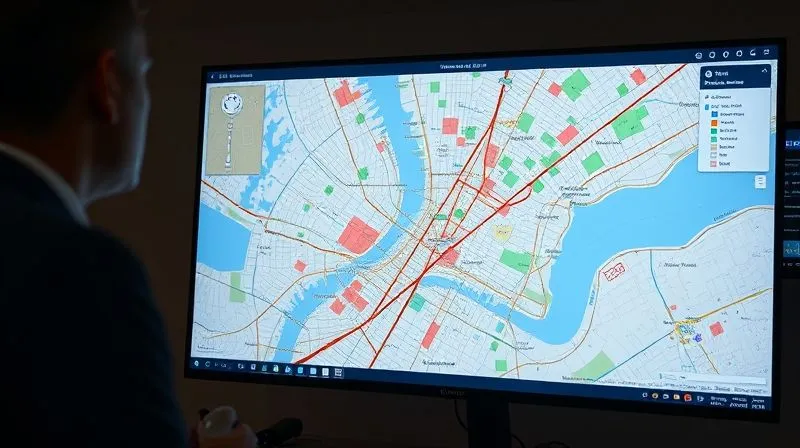
Geographic Information Systems (GIS) are indispensable for analyzing land use patterns, environmental constraints, and demographic trends. By layering various datasets, you can visualize potential conflicts or areas ripe for re-zoning much more effectively.
Beyond basic GIS, some firms are now utilizing predictive analytics. By analyzing historical zoning change data, economic indicators, political cycles, and community sentiment expressed on social media or in public records, it's possible to develop models that predict areas with a higher likelihood of future zoning amendments. This isn't a crystal ball, but it offers probabilities that can inform your investment decisions.
Monitoring Regulatory Databases and Legislative Changes
Staying informed about proposed regulatory changes at all levels of government—local, county, and state—is crucial. Many municipalities offer online portals for tracking legislative agendas, proposed ordinances, and public hearing schedules. Subscribing to planning department newsletters, local government updates, and industry association alerts can keep you ahead of the curve.
Beyond formal channels, industry-specific news outlets and legal journals often highlight emerging trends in land use law or significant policy shifts that could eventually trickle down to local zoning. Proactive monitoring of these sources is a low-cost, high-impact strategy for anticipating changes.
| Monitoring Channel | Frequency | Key Information |
|---|---|---|
| Municipal Planning Department Portals | Weekly | Proposed ordinances, public hearing schedules, comprehensive plan updates |
| Local Government News & Alerts | Daily/Weekly | Council meeting agendas, political shifts, community sentiment |
| Industry Associations (e.g., NAIOP, APA) | Monthly/Quarterly | Emerging land use trends, legislative advocacy, best practices |
| Specialized Legal Newsletters | Bi-weekly | Case law precedents, regulatory changes, environmental law updates |
Cultivating Resilience: A Long-Term Investment Strategy
Ultimately, mitigating unexpected zoning changes is about cultivating resilience in your land investment strategy. It's a holistic approach that combines rigorous due diligence, proactive engagement, robust legal protections, and adaptive planning. It's about being prepared for uncertainty, rather than being paralyzed by it.
"In the dynamic landscape of real estate, the most successful developers are not those who avoid risk entirely, but those who master the art of anticipating, understanding, and strategically mitigating it. Zoning resilience is a cornerstone of sustainable development."
By embedding these practices into your development lifecycle, you transform potential threats into manageable challenges. You build a reputation for thoroughness and responsible development, which can itself be an asset in future projects. This long-term perspective ensures that your land investments are not only profitable but also robust against the inevitable shifts in the regulatory environment.
Frequently Asked Questions (FAQ)
What's the earliest I should engage with planning departments? I always recommend engaging with planning departments as early as possible, ideally even before formally acquiring a property, during your initial due diligence phase. Informal consultations and pre-application meetings can provide invaluable insights into potential issues and help you gauge the feasibility of your project under current and anticipated zoning. It allows you to refine your plans or even walk away from a problematic site before significant capital is committed.
Can zoning changes be challenged legally? Yes, zoning changes can be challenged legally, but it's often an uphill battle and can be very costly and time-consuming. Challenges typically fall into categories like "arbitrary and capricious" (meaning the decision lacked a rational basis), "spot zoning" (singling out a parcel for different treatment without justification), or "takings" (where a zoning change effectively deprives the owner of all economic use of the property, potentially requiring compensation). You absolutely need a specialized land use attorney to assess the merits of such a challenge.
How do I identify a "red flag" property regarding zoning? Several red flags should prompt deeper investigation: a property located at the edge of different zoning districts, frequent historical re-zonings in the area, a property with a non-conforming use, significant community activism or opposition to past projects nearby, or a municipality with an outdated comprehensive plan that is due for revision. Any of these signals potential instability or increased risk of unexpected changes.
What's the role of community opposition in zoning changes? Community opposition plays a significant, often decisive, role in zoning changes. Vocal and organized community groups can sway public opinion, influence elected officials, and even initiate re-zoning efforts. Ignoring community sentiment is a common developer mistake. Proactive, transparent engagement and a willingness to listen and potentially compromise can often mitigate opposition and prevent it from escalating into a project-killing force.
Is zoning insurance really necessary for every project? Zoning insurance, typically an endorsement to a title policy or a specialized regulatory risk policy, isn't always "necessary" for every project, but it's a valuable consideration for complex, large-scale, or high-risk developments. It primarily protects against losses due to existing zoning violations or changes that were not properly recorded or disclosed. For smaller, straightforward projects, a robust zoning contingency in the purchase agreement might suffice. Always consult with your legal counsel and insurance broker to assess the specific risks and benefits for your project.
Key Takeaways and Final Thoughts
- Proactive Due Diligence is Paramount: Go beyond surface-level checks; understand comprehensive plans, historical changes, and political undercurrents.
- Engage Early and Strategically: Build relationships with planning staff and the community through pre-application meetings and transparent communication.
- Implement Strong Legal Safeguards: Non-negotiable zoning contingencies in purchase agreements and expert land use counsel are vital.
- Design for Flexibility: Employ scenario planning and phased development to adapt to unforeseen changes without derailing your entire project.
- Leverage Technology for Foresight: Use GIS and predictive analytics to identify potential risks and monitor regulatory shifts.
- Cultivate Resilience: Embrace a holistic, long-term approach to risk management in land investment.
The landscape of land development is constantly evolving, and unexpected zoning changes are an inherent risk. However, by adopting these expert-level strategies, you transform from a passive recipient of regulatory shifts into an active participant, capable of anticipating, influencing, and effectively mitigating their impact. Your ability to navigate this complex terrain will not only protect your investments but also position you for sustained success in the competitive world of real estate. Stay informed, stay engaged, and build with resilience.
Recommended Reading
- Crypto Payments & Tax: 7 Critical Implications Businesses Must Know
- Unlock Your Financial Fortress: How to Secure Mobile Banking on Android
- Central Bank Tightening: 5 Ways It Squeezes Your Business Liquidity
- Crypto Staking Rewards: Demystifying Your Tax Obligations
- 7 Secrets: How Pros Uncover Undervalued Luxury Travel Deals




Comments
Leave a comment below. Your email will not be published. Required fields marked with *