



How to Accurately Value Distressed Commercial Properties for Acquisition?
For over two decades in the demanding world of commercial real estate, I've witnessed firsthand the allure and the pitfalls of distressed property acquisitions. Many investors, driven by the promise of steep discounts, dive in without a robust valuation framework, only to find themselves grappling with unforeseen liabilities and vastly underestimated rehabilitation costs. It's a common, costly mistake that can turn a seemingly lucrative opportunity into a significant financial drain.
The core problem isn't just the physical state of the property; it's the opaque nature of its true value. Distressed assets often come with a tangled web of financial, legal, and environmental issues that conventional valuation methods simply aren't equipped to handle. Without a specialized approach, you're essentially flying blind, making decisions based on incomplete or misleading information, which is a recipe for disaster in such a high-stakes environment.
This guide will illuminate the path forward, providing you with a systematic, expert-driven framework on how to accurately value distressed commercial properties for acquisition. We'll delve into advanced due diligence, specialized valuation methodologies, risk mitigation strategies, and practical insights gleaned from years in the trenches. By the end, you'll possess the actionable knowledge to identify true value, uncover hidden risks, and confidently navigate the complex landscape of distressed commercial real estate.
Understanding the Nature of Distress: Beyond the Surface
Before any numbers are crunched, it's crucial to understand the root cause and extent of a property's distress. Is it financial, operational, physical, or a combination? This initial diagnostic phase is, in my experience, the most overlooked yet foundational step in how to accurately value distressed commercial properties for acquisition.
Types of Distress and Their Implications:
- Financial Distress: Often due to defaulting mortgages, bankruptcy, or negative cash flow. This might mean motivated sellers and potential for significant discounts, but also a complex legal process.
- Operational Distress: Poor management, high vacancy rates, outdated business models. These properties often require a strategic turnaround plan and significant operational overhaul.
- Physical Distress: Structural issues, deferred maintenance, environmental contamination. These demand substantial capital expenditure for remediation and renovation.
- Market Distress: Properties in declining neighborhoods or sectors facing long-term headwinds. Valuation must account for slower appreciation and potentially lower rental growth.
"The 'distress' isn't just a label; it's a symptom. Understanding the underlying disease is paramount to prescribing the right valuation and investment strategy." - Industry Specialist
The Foundation: Comprehensive Enhanced Due Diligence
For distressed assets, standard due diligence is insufficient. You need an enhanced, forensic approach. This phase, often underestimated, is where you uncover the hidden costs and true potential, directly impacting how to accurately value distressed commercial properties for acquisition.
- Forensic Financial Audit: Beyond current financials, scrutinize historical operating statements, tax returns, and loan documents. Look for patterns of declining revenue, escalating expenses, and any undisclosed liabilities. Engage an expert in distressed asset accounting.
- Legal Scrutiny: This is non-negotiable. Engage a real estate attorney specializing in distressed assets. They will review title reports, liens, encumbrances, environmental indemnities, zoning compliance, existing leases (and potential tenant issues), and any pending litigation. Understanding the legal landscape can prevent catastrophic surprises.
- Physical & Environmental Assessment: Commission a Phase I and, if necessary, Phase II Environmental Site Assessment. A detailed property condition report (PCR) from a qualified engineer is essential to identify structural integrity, HVAC, roofing, electrical, and plumbing issues. Prioritize hazardous material assessments (asbestos, lead paint).
- Market & Submarket Analysis: Even if the property is distressed, its location isn't. Analyze local economic drivers, demographic shifts, vacancy rates, absorption rates, and rental comparables. Understand the highest and best use potential post-stabilization.
According to a PwC Real Estate report, inadequate due diligence remains one of the primary reasons for underperforming real estate investments, particularly in complex distressed scenarios.

Mastering Valuation Methodologies for Distressed Assets
While traditional valuation methods form the bedrock, their application to distressed properties requires significant adjustments. Here's how I adapt them to accurately value distressed commercial properties for acquisition:
1. The Income Capitalization Approach (Adjusted)
This method estimates value based on the income a property is expected to generate. For distressed assets, this involves significant forecasting and risk adjustment.
- Stabilized Net Operating Income (NOI): Don't use current, depressed NOI. Project a realistic, stabilized NOI based on market comparables *after* rehabilitation and re-tenanting. This requires expert market insight.
- Adjusted Capitalization Rate (Cap Rate): Distressed assets carry higher risk. Therefore, the Cap Rate applied must be significantly higher than for stabilized properties to reflect this elevated risk, rehabilitation costs, vacancy risk, and time to stabilization. I typically add a risk premium of 100-300 basis points, depending on the severity of distress.
- Vacancy & Credit Loss: Factor in higher-than-average vacancy rates during the stabilization period and potential credit losses from existing or new tenants.
2. The Discounted Cash Flow (DCF) Approach (Critical)
The DCF model is arguably the most robust for distressed properties because it accounts for the time value of money and the complex, fluctuating cash flows inherent in a turnaround project. This is a critical tool in how to accurately value distressed commercial properties for acquisition.
- Project Future Cash Flows: This is where the magic happens. Model out cash inflows (rental income, other revenue) and outflows (operating expenses, capital expenditures for repairs, tenant improvements, leasing commissions, property taxes, insurance) for a 5-10 year holding period. Crucially, project the costs and timelines for stabilization and renovation.
- Terminal Value: Estimate the property's value at the end of the holding period, assuming it's fully stabilized, using a market-appropriate Cap Rate.
- Discount Rate (Weighted Average Cost of Capital - WACC): This rate reflects the required return on investment, factoring in the cost of equity and debt. For distressed assets, your discount rate will be higher to compensate for increased risk and illiquidity.
- Sensitivity Analysis: Crucially, run multiple scenarios (best-case, worst-case, most likely-case) by adjusting key variables like rental growth, vacancy, CapEx, and exit Cap Rate. This provides a range of potential values rather than a single, potentially misleading, figure.
| Scenario | Stabilized NOI Growth | Rehab Cost Variance | Exit Cap Rate | NPV (Est.) |
|---|---|---|---|---|
| Best Case | 4.0% | -10% | 6.5% | $15M |
| Most Likely | 2.5% | 0% | 7.0% | $12M |
| Worst Case | 1.0% | +20% | 8.0% | $8M |
3. Comparative Sales Analysis (Adjusted)
This method compares the subject property to recently sold similar properties. However, finding truly comparable distressed sales can be challenging.
- Identify Distressed Comps: Prioritize sales of other distressed properties in the same submarket. Be wary of using stabilized property comps without significant, justifiable adjustments.
- Adjustments: Make substantial adjustments for differences in physical condition, occupancy, lease terms, market conditions at the time of sale, and the degree of distress. This requires a deep understanding of local market dynamics and construction costs.
4. The Cost Approach (For Specific Cases)
This method estimates value based on the cost to replace the property new, less depreciation, plus land value. It's less common for income-producing properties but can be useful for:
- Properties with significant demolition or redevelopment potential.
- Special-purpose properties where income or sales comparables are scarce.
- Properties where the existing structure is a total loss, and the value lies primarily in the land.
In such cases, understanding demolition costs, new construction costs, and development timelines becomes paramount.
Forecasting the Future: Stabilization and Exit Strategies
Valuing distressed properties isn't just about what they are; it's about what they *can be*. Your valuation must incorporate a clear, executable plan for stabilization and a realistic exit strategy. This forward-looking perspective is crucial for how to accurately value distressed commercial properties for acquisition.
Developing a Robust Stabilization Plan:
- Scope of Work & Budget: Detail every repair, renovation, and improvement needed. Get multiple bids from reputable contractors. Pad this budget with a significant contingency (20-30% is not uncommon for distressed assets).
- Timeline: Establish a realistic timeline for all phases of renovation, re-tenanting, and operational optimization. Delays directly impact your holding costs and ROI.
- Leasing Strategy: Outline target tenants, proposed rental rates (post-stabilization), marketing efforts, and projected lease-up periods.
- Operational Efficiency: Plan for improved property management, expense control, and energy efficiency upgrades that will enhance future NOI.
Case Study: Revitalizing the ‘Old Mill’ Industrial Complex
I once advised a client, “Phoenix Capital,” on the acquisition of a 100,000 sq ft industrial complex, dubbed the “Old Mill,” which had sat vacant for five years due to a failed manufacturing venture and significant deferred maintenance. The initial asking price seemed low, but my valuation revealed substantial hidden costs. By employing a detailed DCF model that meticulously accounted for a 14-month stabilization period, including roof replacement, environmental remediation for minor chemical spills, and a comprehensive re-tenanting strategy targeting last-mile logistics firms, we identified the true, much lower, entry value.
Phoenix Capital acquired the property at a 30% discount to the initial asking price. Within two years, after executing the planned renovations and securing long-term tenants at market rates, the property's value increased by 60% from their acquisition cost, yielding an impressive internal rate of return (IRR). This success was entirely dependent on their ability to accurately forecast the future, not just assess the present.
Mitigating Risks: Legal, Environmental, and Structural Assessments
The biggest threats to profitability in distressed acquisitions often hide in plain sight or are buried in complex documentation. Proactive risk mitigation is a cornerstone of how to accurately value distressed commercial properties for acquisition.
Key Risk Areas and Mitigation Strategies:
- Environmental Liabilities: Phase I and II ESAs are your first line of defense. Understand the “innocent landowner” defense under CERCLA, but don’t rely solely on it. Consider environmental insurance policies or indemnification clauses from the seller if contamination is a known issue.
- Legal Entanglements: Work closely with legal counsel to identify and resolve existing liens, title defects, boundary disputes, or litigation. Ensure all zoning and permitting are current or can be easily updated for your intended use.
- Structural and Physical Deterioration: A thorough Property Condition Report (PCR) is critical. Prioritize repairs that impact safety, habitability, and structural integrity. Categorize repairs into immediate, short-term, and long-term to budget effectively.
- Market & Economic Shifts: Conduct scenario analysis in your DCF to account for potential downturns, interest rate hikes, or changes in local demand. Diversify your tenant base if possible.
As Seth Godin often emphasizes in business strategy, "The cost of being wrong is higher than the cost of doing your homework." This sentiment is particularly true in distressed real estate.
Structuring the Deal: Negotiation and Acquisition Tactics
Once you have a clear understanding of the property's true value and associated risks, the negotiation phase begins. This is where your meticulous valuation work translates into a favorable acquisition. This step is integral to how to accurately value distressed commercial properties for acquisition and then act on that valuation.
Effective Negotiation Strategies:
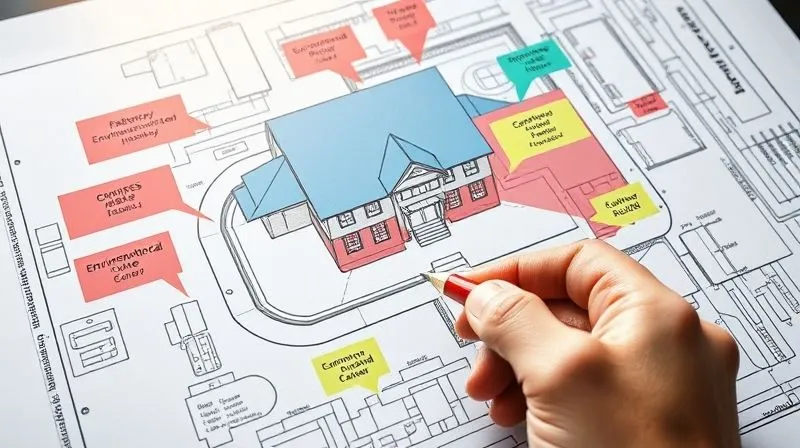
- Leverage Your Due Diligence: Your comprehensive reports on repairs, environmental issues, and legal liabilities are powerful negotiation tools. Present these findings objectively to justify a lower offer.
- Understand Seller Motivation: Is the seller facing foreclosure? Bankruptcy? A quick sale might be their priority, giving you leverage.
- Creative Deal Structures: Explore options beyond a simple cash offer. This could include seller financing, earn-outs contingent on future performance, or even assuming existing, favorable debt if the lender agrees.
- Contingencies: Ensure your purchase agreement includes robust contingencies for financing, further due diligence, and satisfactory resolution of any identified issues (e.g., environmental remediation).
Remember, your goal isn't just to buy a property; it's to acquire a profitable asset at a price that reflects its current state and future potential, after accounting for all necessary investments and risks.

Financing Distressed Acquisitions: A Unique Challenge
Securing financing for distressed commercial properties can be more complex than for stabilized assets. Lenders perceive higher risk, often requiring more equity and offering less favorable terms. Understanding your financing options is crucial for successful acquisition.
Navigating Financing for Distressed Assets:
- Hard Money Lenders: Often a go-to for distressed properties due to their speed and willingness to fund higher-risk projects. However, interest rates are typically much higher, and loan terms shorter.
- Private Equity Funds: Many funds specialize in distressed real estate, offering both debt and equity solutions. They bring expertise but will expect a significant share of the profits.
- Bridge Loans: Short-term financing designed to “bridge” the gap until long-term financing can be secured once the property is stabilized.
- Traditional Banks (with caution): Some regional banks with strong local market knowledge might consider financing, especially if the distress is minor and the borrower has a strong track record. Expect rigorous underwriting and higher equity requirements.
I always advise clients to have their financing strategy locked down, or at least a clear path to it, before making an offer. This demonstrates credibility and speeds up the acquisition process.
| Lender Type | Interest Rate Range | LTV (Loan-to-Value) | Term Length | Pros | Cons |
|---|---|---|---|---|---|
| Hard Money | 8-18% | 60-75% | 6-24 Months | Fast, Flexible, Asset-focused | High Cost, Short Term |
| Bridge Loan | 6-12% | 65-80% | 12-36 Months | Transitional, Higher LTV than Hard Money | Higher than traditional, Fees |
| Private Equity | Varies (Equity Share) | Up to 90% (with Equity) | 3-7 Years | Expertise, Higher leverage | Loss of control, Profit sharing |
Frequently Asked Questions (FAQ)
How does current market volatility impact distressed commercial property valuations? Market volatility introduces significant uncertainty, making forward-looking projections much harder. In such environments, I emphasize conservative assumptions in DCF models, higher discount rates to reflect increased risk, and extensive sensitivity analysis. It’s also crucial to monitor economic indicators closely, as distress can deepen or new opportunities emerge rapidly. Volatility often means distressed assets are priced even more aggressively by sellers, but also that buyers face greater capital expenditure risks.
What are common hidden costs in distressed commercial property acquisitions? The most frequent hidden costs include extensive environmental remediation (beyond initial Phase I findings), unexpected structural repairs (e.g., foundation issues, roof replacement not initially obvious), significant legal fees for resolving complex title issues or tenant disputes, unforeseen permit and zoning amendment costs, and higher-than-anticipated carrying costs during extended stabilization periods (e.g., property taxes, insurance, security for vacant buildings).
When is the “Cost Approach” most relevant for valuing distressed properties? The Cost Approach is particularly relevant when the property’s existing improvements have little to no contributory value due to severe dilapidation, or when the highest and best use dictates demolition and new construction. It’s also useful for special-purpose properties where comparable sales or income streams are scarce. In these scenarios, the value is primarily in the land and the potential for new development, making the cost to build new (less any existing salvageable structures) a more appropriate measure.
How do environmental liabilities affect valuation and acquisition strategy? Environmental liabilities can severely depress a property’s value, sometimes to zero or even negative if remediation costs exceed market value. They impact valuation by directly adding to the CapEx in a DCF model, increasing the risk premium, and potentially limiting financing options. My acquisition strategy always involves thorough environmental due diligence (Phase I & II ESAs) and, if contamination is found, obtaining detailed cost estimates for remediation, exploring environmental insurance, and negotiating significant price reductions or indemnities from the seller.
What role does local government and community engagement play in distressed property turnarounds? Local government and community engagement can be pivotal. Distressed properties often blight neighborhoods, and a thoughtful redevelopment plan that aligns with community needs can garner significant support. This might translate into zoning variances, tax incentives, or expedited permitting, all of which can enhance the project’s financial viability and reduce risk. I've seen projects stall or succeed based on the level of local buy-in.
Key Takeaways and Final Thoughts
Navigating the acquisition of distressed commercial properties is undoubtedly complex, but the rewards for those who apply a rigorous, expert-informed approach can be substantial. It's not about finding the cheapest deal; it's about accurately assessing the true value, understanding every hidden cost, and executing a meticulous plan for stabilization.
- Due Diligence is Paramount: Go beyond the basics; conduct forensic financial, legal, environmental, and physical assessments.
- Master Specialized Valuation: Adapt traditional methods like DCF and Income Capitalization with conservative assumptions and higher risk premiums.
- Plan for the Future: Develop a robust stabilization plan and clear exit strategy, factoring in all CapEx and operational improvements.
- Mitigate Risks Proactively: Address legal, environmental, and structural issues head-on with expert advice and appropriate financial buffers.
- Negotiate with Confidence: Leverage your detailed valuation and risk assessment to secure favorable deal terms.
The journey to accurately value distressed commercial properties for acquisition is a marathon, not a sprint. It demands patience, diligence, and a willingness to invest in expert guidance. By embracing the frameworks and insights I've shared, you'll be well-equipped to transform challenging assets into profitable ventures, cementing your position as a savvy, strategic investor in the dynamic world of commercial real estate.
Recommended Reading
- Derivatives Taxes: How to Handle Tax Implications (2024 Guide)
- How to Challenge a Denied Business Insurance Claim: 7 Expert Steps
- Unlock the Secret: How to Lower Home Insurance Premiums Effectively Today!
- Replace Your High-Salary Job: 5 Sustainable Income Strategies
- Unlock Budget Travel: How to Create a Financial Plan That Works



Comments
Leave a comment below. Your email will not be published. Required fields marked with *