



What to do when credit bureau ignores valid dispute evidence?
For over 15 years in the trenches of consumer finance, I've witnessed firsthand the profound frustration and distress that inaccurate credit reporting can cause. It's one thing to discover an error on your credit report; it's an entirely different, and often more infuriating, ordeal when you provide clear, valid dispute evidence, only for the credit bureau to seemingly ignore it.
This isn't just an inconvenience; it's a direct assault on your financial well-being. An ignored dispute can mean higher interest rates, denied loans, or even difficulties with housing and employment. Many consumers feel powerless against these massive institutions, believing their fight is futile.
But I'm here to tell you it's not. In this definitive guide, I'll walk you through a series of increasingly assertive, yet entirely legal and effective, strategies to compel credit bureaus to address your legitimate dispute. You'll learn not just what to do, but how to do it, backed by expert insights and a clear framework for action.
Revisiting Your Initial Dispute: Was It Truly "Valid"?
Before we dive into escalation tactics, it’s crucial to perform an honest self-assessment of your initial dispute. In my experience, sometimes what a consumer perceives as "valid evidence" might lack the specific clarity or format that credit bureaus require. This isn't to say your evidence isn't strong, but rather that the presentation might need refinement.
Did your original dispute letter clearly state the item you're disputing, why it's inaccurate, and specifically reference the accompanying documents? Was it sent via certified mail with a return receipt requested? This provides an undeniable paper trail. A common mistake I've seen is consumers relying solely on online dispute portals, which, while convenient, can sometimes lack the robust documentation capabilities or traceability of traditional mail.
Expert Insight: A well-structured dispute isn't just about having evidence; it's about making that evidence impossible to misinterpret or overlook. Clarity and traceability are your best friends.
Key Elements of a Robust Initial Dispute:
- Specificity: Clearly identify the account number, creditor, and the specific inaccurate entry.
- Reasoning: Articulate precisely why the information is incorrect.
- Supporting Documentation: Attach copies (never originals!) of all relevant evidence, such as payment records, court documents, identity theft reports, or correspondence with the original creditor.
- Request: State clearly what you want the bureau to do (e.g., delete the entry, correct the balance).
- Certified Mail: Always send via certified mail with return receipt requested to prove delivery.
The Crucial Role of Documentation: Building an Ironclad Case
When a credit bureau ignores valid dispute evidence, your next step is to demonstrate that their actions (or inaction) are indefensible. This hinges entirely on meticulous documentation. Every interaction, every piece of evidence, every letter sent and received, must be logged and filed.
I advise clients to create a dedicated "Credit Dispute File." This physical or digital folder should contain copies of your credit reports, the original dispute letter, all supporting evidence, certified mail receipts, and any communication from the credit bureau or creditor. This habit builds an undeniable timeline and evidentiary foundation.

Think of it like building a legal case, even if you don't intend to go to court. The more comprehensive and organized your documentation, the stronger your position becomes. This preparedness is often what turns the tide when dealing with large, bureaucratic organizations.
| Document Type | Purpose | Status |
|---|---|---|
| Credit Report (Original) | Baseline for dispute | Filed |
| Dispute Letter | Formal communication of error | Sent via Certified Mail |
| Certified Mail Receipt | Proof of delivery | Filed |
| Supporting Evidence (e.g., bank statements, court orders) | Substantiate your claim | Attached to dispute |
| All Correspondence | Record of communication | Filed |
Escalation Step 1: The Certified Mail Follow-Up
Once you've confirmed your initial dispute was robust and the bureau has failed to respond adequately within the legally mandated 30-day (or 45-day, if you submitted new info) timeframe, it's time for your first formal escalation. This involves sending a follow-up letter, again via certified mail with return receipt.
This letter should be firm, polite, and directly address the bureau's failure to act on your previous dispute. Reference the date of your original letter, the certified mail tracking number, and reiterate the disputed item and the evidence you provided. Crucially, inform them that their inaction constitutes a potential violation of the Fair Credit Reporting Act (FCRA).
Drafting Your Follow-Up Letter:
- Reference Original Dispute: "On [Date], I sent a dispute letter concerning [Account Name/Number] via Certified Mail [Tracking Number]."
- State Bureau's Inaction: "To date, I have not received a resolution or satisfactory response regarding this dispute, despite providing valid evidence."
- Reiterate Evidence: Briefly mention the type of evidence you provided.
- Demand Action: "I demand that you reinvestigate this matter immediately and provide a resolution within the FCRA's mandated timeframe."
- Warn of Further Action: "Failure to comply will leave me no option but to pursue further legal and regulatory avenues."
Sending this second certified letter not only creates another traceable record but also signals to the credit bureau that you are serious and knowledgeable about your rights. It's often enough to prompt a more thorough review.
Leveraging Regulatory Bodies: CFPB and State Attorneys General
If your certified follow-up letter still yields no satisfactory response, it's time to bring in the heavy hitters: regulatory agencies. The Consumer Financial Protection Bureau (CFPB) is a powerful federal agency tasked with protecting consumers in the financial marketplace. Filing a complaint with the CFPB is a highly effective way to get a credit bureau's attention.
I've seen countless cases where a CFPB complaint, often after months of ignored direct disputes, finally triggers a proper investigation and resolution. The CFPB forwards your complaint directly to the credit bureau, which is then legally required to respond to the CFPB within a specific timeframe and explain how they've addressed your issue.
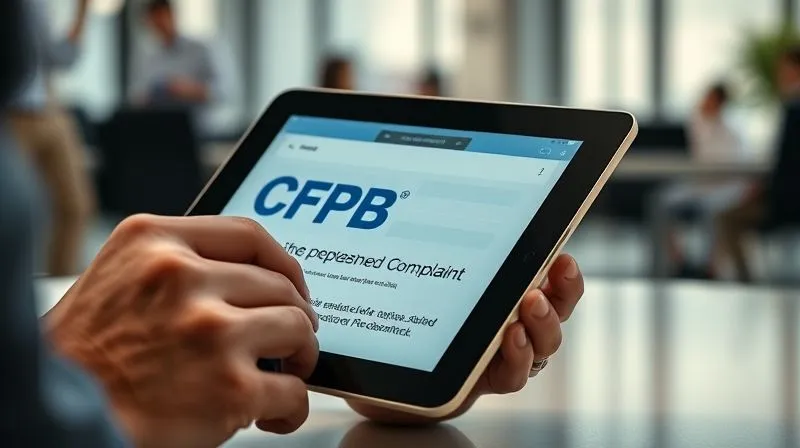
Steps to File a CFPB Complaint:
- Gather Your Documentation: Have your dispute letters, evidence, and all correspondence ready.
- Visit the CFPB Website: Go to consumerfinance.gov/complaint/.
- Select the Correct Product: Choose "Credit reporting."
- Provide Details: Clearly articulate your problem, including the credit bureau's failure to address your valid dispute evidence. Upload all relevant documents.
- Monitor Your Complaint: The CFPB will keep you updated on the status and the credit bureau's response.
Additionally, consider filing a complaint with your State Attorney General's office. While their power may vary by state, they often have consumer protection divisions that can intervene or provide guidance. This dual approach maximizes pressure on the credit bureau.
Understanding Your Legal Recourse: The FCRA and Beyond
When a credit bureau ignores valid dispute evidence, they may be violating your rights under the Fair Credit Reporting Act (FCRA). The FCRA mandates that credit bureaus conduct a "reasonable investigation" of disputed information. If they fail to do so, or if they continue to report inaccurate information after you've provided proof, you may have grounds for a lawsuit.
This is where consulting with an attorney specializing in consumer law and FCRA violations becomes paramount. An attorney can assess the strength of your case, advise you on potential damages (which can include actual damages, statutory damages, and even attorney's fees), and guide you through the litigation process. I've seen many cases resolved swiftly once a law firm sends an official letter of intent to sue, as credit bureaus often prefer to settle rather than face costly litigation.
Expert Insight: The threat of an FCRA lawsuit often carries more weight than any direct consumer complaint. It signals that you are prepared to exercise your full legal rights.
Key Provisions of the FCRA to Know:
- Section 611(a)(1)(A): Consumers have the right to dispute inaccurate information.
- Section 611(a)(1)(A): Credit bureaus must reinvestigate disputed items within 30 days (or 45 days if new information is provided).
- Section 611(a)(5)(A): If information is found to be inaccurate, it must be deleted or corrected.
- Section 616 & 617: Consumers can sue for actual damages, statutory damages, punitive damages (in cases of willful noncompliance), and attorney's fees if their rights are violated.
For more detailed information on your rights under the FCRA, I highly recommend reviewing the official Fair Credit Reporting Act on the FTC website.
Case Study: Sarah's Persistence Against an Erroneous Medical Bill
How Sarah Fought Back When Equifax Ignored Her Dispute
Sarah, a 42-year-old teacher, discovered a $1,500 medical collection on her Equifax credit report that she knew was erroneous. Her insurance had covered the bill entirely. She promptly disputed it online and sent a follow-up letter with her Explanation of Benefits (EOB) and a letter from her insurance provider confirming payment. Equifax responded stating the item was "verified." Frustrated but determined, Sarah didn't give up.
Following my advice, she sent a second certified letter to Equifax, reiterating her valid dispute evidence and noting their failure to conduct a reasonable investigation. When that also went nowhere, she filed a detailed complaint with the CFPB, attaching all her documentation. Within two weeks of the CFPB complaint, Equifax contacted her directly, admitted their error, and removed the collection account. This resulted in a 40-point jump in her credit score and the ability to refinance her mortgage at a much lower rate.
Sarah's case exemplifies that persistence, meticulous documentation, and leveraging regulatory channels are critical when a credit bureau ignores valid dispute evidence. Her victory wasn't just about a credit score; it was about reclaiming control over her financial narrative.
Considering Arbitration and Small Claims Court
Some credit bureau agreements include an arbitration clause, which means disputes might need to be resolved through arbitration rather than a traditional lawsuit. While less common for initial disputes, if you're exploring legal avenues, understanding this clause is important. Arbitration can be a quicker, less formal process than court, but it also has its own rules and limitations.
For smaller disputes, or if you prefer to handle the matter without a lawyer (though I always recommend legal counsel for FCRA violations), small claims court can be an option. The maximum amount you can sue for in small claims varies by state, but it can be an effective way to recover damages if you can prove the credit bureau's negligence or willful non-compliance. You'll need to present your documented case clearly and concisely to a judge.
Before pursuing either of these, ensure you've exhausted all other avenues and have a rock-solid case with undeniable evidence that the credit bureau ignores valid dispute evidence. Weigh the potential costs and time commitment against the potential reward.
Protecting Your Credit Proactively: Long-Term Strategies
While fighting an ignored dispute is reactive, adopting proactive credit management strategies can prevent future headaches. Regularly monitoring your credit reports from all three bureaus (Experian, Equifax, TransUnion) is non-negotiable. The law entitles you to a free report from each bureau annually via AnnualCreditReport.com.
Beyond annual checks, consider using credit monitoring services that alert you to changes. These services can flag suspicious activity or new erroneous entries before they cause significant damage. Also, maintain excellent records of all your financial accounts, payments, and any disputes. This habit makes future challenges much easier to navigate.
Proactive Credit Health Checklist:
- Regularly Check All Three Reports: Don't just check one; errors can appear on one but not others.
- Set Up Account Alerts: Many banks and credit card companies offer free alerts for large transactions or suspicious activity.
- Review Bills and Statements: Catch errors from creditors before they even reach your credit report.
- Shred Sensitive Documents: Protect yourself from identity theft, a common cause of credit report errors.
- Understand Your Credit Score: Know what factors influence it so you can maintain a healthy profile.
Frequently Asked Questions (FAQ)
Question? How long does a credit bureau have to respond to a dispute if I provide new information?
Detailed answer: Under the FCRA, credit bureaus generally have 30 days to investigate and respond to a dispute. However, if you submit new, relevant information during that 30-day period, the timeframe can be extended to 45 days from the date the bureau receives your original dispute. It's crucial that any new information is genuinely 'new' and not just a reiteration of previously provided evidence. This extension is designed to allow them adequate time to incorporate and investigate the additional data.
Question? Can I sue a credit bureau for emotional distress if they ignore my valid dispute evidence?
Detailed answer: Yes, under certain circumstances, you can sue for emotional distress. The FCRA allows for "actual damages," which can include quantifiable financial losses, but also non-pecuniary damages like emotional distress, mental anguish, and humiliation caused by the credit bureau's negligent or willful non-compliance. However, proving emotional distress can be challenging. You would typically need to demonstrate a direct causal link between the bureau's actions and your distress, often requiring documentation like medical records, therapy notes, or testimony from others who observed your suffering. A consumer law attorney can best advise on the viability of such a claim in your specific situation.
Question? What if the original creditor is the one ignoring my evidence, not the credit bureau?
Detailed answer: This is a common scenario. While credit bureaus have a duty to investigate, the original creditor also has responsibilities under the FCRA, specifically Section 623. If you dispute an item directly with the credit bureau, they must notify the creditor. The creditor then has a duty to investigate, review your evidence, and report the results back to all three credit bureaus. If the creditor continues to report inaccurate information after you've provided valid evidence, they can also be held liable under the FCRA. In such cases, your CFPB complaint should name both the credit bureau and the original creditor, and legal action might target both entities.
Question? Is there a statute of limitations for suing a credit bureau under the FCRA?
Detailed answer: Yes, there is. Generally, you must file an FCRA lawsuit within two years after the date of discovery of the violation by the plaintiff, or five years after the date on which the violation occurred, whichever is earlier. It's important to consult with an attorney immediately once you suspect an FCRA violation, as delays can jeopardize your ability to pursue legal action. The clock starts ticking from when you reasonably could have known about the violation.
Question? How do I know if my evidence is truly "valid" in the eyes of the credit bureau?
Detailed answer: "Valid" evidence generally means objective, verifiable documents that directly contradict the inaccurate information on your report. This includes official records like canceled checks, bank statements, court documents (e.g., bankruptcy discharge papers, divorce decrees), police reports (for identity theft), letters from creditors confirming payment or account closure, and insurance Explanation of Benefits (EOBs). Personal anecdotes or unsubstantiated claims, while true to you, are typically not considered "valid" by bureaus. The key is third-party verification or irrefutable proof. If you're unsure, imagine presenting it to a judge – would it stand up?
Key Takeaways and Final Thoughts
- Document Everything: Your paper trail is your strongest weapon.
- Escalate Systematically: Don't jump straight to litigation; follow the steps.
- Leverage Regulatory Power: The CFPB is a formidable ally.
- Know Your Rights: The FCRA provides powerful protections.
- Seek Legal Counsel When Needed: Don't hesitate to consult an FCRA attorney.
Navigating the complexities of credit reporting can be daunting, especially when faced with an unresponsive credit bureau. But as an industry specialist, I want to empower you with the knowledge and strategies to stand up for your consumer rights. Remember, your credit report is a reflection of your financial identity, and you have every right to ensure its accuracy. Don't let an ignored dispute define your financial future; take these steps, stay persistent, and reclaim your peace of mind.
Recommended Reading
- Stop the Bleed: 7 Ways to Fix Small Business Expenses Outpacing Revenue
- Fix Credit Report Errors FAST: 5 Steps to Accurate Scores
- Reduce University Tuition Fees: The Ultimate Guide for Students
- Urgent Business Travel: 7 Ways to Snag Cheap Flights Fast
- Avoid Greenwashing: Your 5-Step Guide to Smart SRI Choices





Comments
Leave a comment below. Your email will not be published. Required fields marked with *