


How to Fix Inaccurate Information on My Credit Report Fast
For over 20 years, I've helped individuals navigate the complex world of credit. I've seen firsthand how errors on a credit report can unjustly impact someone's ability to secure a loan, rent an apartment, or even get a job. It's a frustrating situation, and I understand the urgency of wanting to resolve it quickly.
An inaccurate credit report can significantly lower your credit score, leading to higher interest rates, loan denials, and other financial setbacks. These errors can range from simple typos to more serious issues like accounts that don't belong to you or incorrect payment histories.
In this guide, I'll walk you through a proven 5-step process to fix inaccurate information on your credit report fast. You'll learn how to identify errors, gather supporting documentation, file disputes with credit bureaus, and track your progress. By the end, you'll have the knowledge and tools you need to take control of your credit and ensure its accuracy.
Step 1: Obtain Copies of Your Credit Reports
The first step is to obtain copies of your credit reports from all three major credit bureaus: Experian, Equifax, and TransUnion. You can get a free copy of your credit report from each bureau once a year by visiting AnnualCreditReport.com. It's a good idea to stagger your requests throughout the year so you can monitor your credit more frequently.
Why check all three? Creditors aren't required to report to all three bureaus. Information reported to one bureau might not be reported to the others, meaning errors could exist on one report but not another. Checking all three ensures a comprehensive view of your credit history.
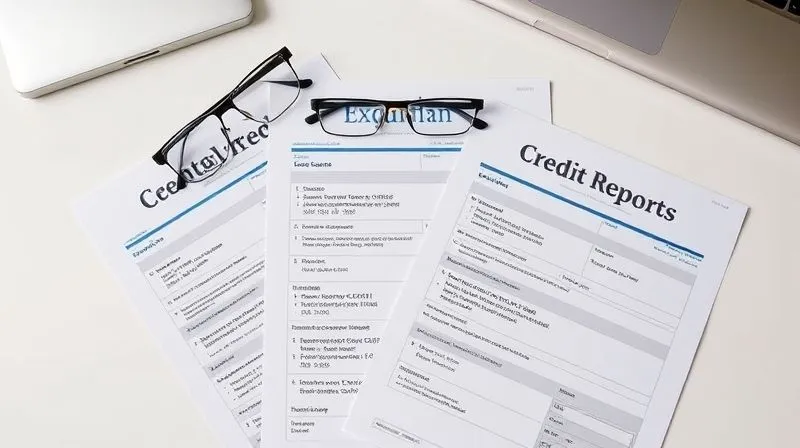
Once you have your reports, carefully review them for any inaccuracies. Look for:
- Incorrect personal information (name, address, Social Security number)
- Accounts that don't belong to you
- Incorrect account balances or credit limits
- Late payments that were made on time
- Duplicate accounts
- Closed accounts that are still reported as open
- Incorrect dates of activity
Step 2: Identify and Document Inaccurate Information
Go through each credit report line by line and highlight any information you believe is incorrect. Be as specific as possible. Note the account number, the type of error, and why you believe it's inaccurate.
Gather supporting documentation. This is crucial. The more evidence you have to support your claim, the stronger your dispute will be. Examples of supporting documents include:
- Payment confirmations
- Bank statements
- Copies of checks
- Loan agreements
- Court documents
- Letters from creditors
Case Study: Sarah's Erroneous Late Payment
Sarah noticed a late payment reported on her credit report for her auto loan. She was certain she had made the payment on time. After digging through her bank statements, she found proof that the payment had been processed on the due date. She made copies of the bank statement and included it with her dispute letter. This documentation was key to getting the error removed.
Step 3: File Disputes with the Credit Bureaus
Once you've identified and documented the inaccurate information, it's time to file disputes with the credit bureaus. You can do this online, by mail, or by phone. However, I strongly recommend filing your disputes in writing by certified mail with return receipt requested. This provides you with proof that the credit bureau received your dispute.
What to include in your dispute letter:
- Your full name, address, and Social Security number
- A copy of your credit report with the inaccurate information highlighted
- A clear and concise explanation of the error
- Copies of any supporting documentation
- A request that the credit bureau investigate the error and correct your credit report
You can find sample dispute letters online, but it's important to personalize your letter to reflect your specific situation.
| Section | Description |
|---|---|
| Personal Information | Your full name, address, Social Security number, and date of birth. |
| Credit Report Copy | A copy of the credit report with the inaccurate information highlighted. |
| Error Explanation | A clear and concise explanation of the error, including the account number and why you believe it's inaccurate. |
| Supporting Documentation | Copies of any supporting documentation, such as payment confirmations, bank statements, or loan agreements. |
| Request for Investigation | A request that the credit bureau investigate the error and correct your credit report. |
Send a separate dispute letter to each credit bureau that is reporting the inaccurate information. Keep copies of all your dispute letters and supporting documentation for your records.
Step 4: Follow Up and Track Your Progress
The credit bureaus have 30 days to investigate your dispute. During this time, they will contact the creditor who reported the information to verify its accuracy. The creditor then has a certain amount of time to respond to the credit bureau's inquiry.

It's important to follow up with the credit bureaus to check on the status of your dispute. You can do this by phone or online. If the credit bureau determines that the information is inaccurate, they will correct your credit report and notify you of the changes. They are also required to notify the other two credit bureaus so they can update their records as well.
If the credit bureau verifies the information as accurate, you have the right to add a statement to your credit report explaining your side of the story. This statement will be included whenever your credit report is pulled by a lender or other business.
According to the Federal Trade Commission (FTC), you have the right to dispute inaccurate information on your credit report. The credit bureaus are required to investigate your dispute and correct any errors.
Step 5: Consider Additional Strategies
Sometimes, despite your best efforts, the credit bureaus may not remove the inaccurate information. In these cases, you have other options to consider:
- Contact the creditor directly. Explain the situation and provide them with your supporting documentation. They may be willing to correct the information directly with the credit bureaus.
- Consider a credit repair company. Credit repair companies specialize in helping consumers fix errors on their credit reports. However, be cautious and do your research before hiring a credit repair company. Many are scams.
- Consult with a consumer law attorney. If you believe the credit bureau or creditor has violated your rights under the Fair Credit Reporting Act (FCRA), you may want to consult with a consumer law attorney.
In my experience, persistence is key. Don't give up easily. Keep fighting for your rights and don't be afraid to escalate the issue if necessary.
As Harvard Business Review often highlights, proactive problem-solving is crucial in any situation. This applies to your credit as well. Taking control of the situation and actively working to correct errors is the most effective way to improve your credit score.
| Strategy | Pros | Cons |
|---|---|---|
| Contact Creditor Directly | Can resolve the issue quickly if the creditor is cooperative. | Creditor may not be willing to correct the information. |
| Hire Credit Repair Company | Can handle the dispute process for you. | Many are scams; can be expensive. |
| Consult Consumer Law Attorney | Can provide legal advice and representation. | Can be expensive; may not be necessary in all cases. |
Frequently Asked Questions (FAQ)
What if the credit bureau says the information is accurate, but I still believe it's wrong? You have the right to add a consumer statement to your credit report explaining your side of the story. This statement will be included whenever your credit report is pulled. You can also continue to dispute the information and provide additional documentation.
How long does it take to fix an inaccurate credit report? The credit bureaus have 30 days to investigate your dispute. However, it can sometimes take longer if the creditor is slow to respond. It's important to be patient and persistent.
Will fixing my credit report automatically improve my credit score? Yes, fixing inaccurate information on your credit report can improve your credit score. However, it's important to remember that your credit score is based on a variety of factors, including your payment history, credit utilization, and length of credit history.
Can I sue a credit bureau for reporting inaccurate information? If you believe the credit bureau has violated your rights under the Fair Credit Reporting Act (FCRA), you may be able to sue them for damages. However, it's important to consult with a consumer law attorney to determine if you have a valid claim.
What if the inaccurate information is due to identity theft? If you are a victim of identity theft, you should file a police report and contact the credit bureaus immediately. They will help you place a fraud alert on your credit report and take steps to protect your credit.
Recommended Reading
- Why Profit ? Cash: 7 Reasons Your Business is Cash-Negative
- Evicting a Non-Paying Tenant: 7 Legal Steps to Protect Your Rental Income
- 7 Smart Strategies: Minimize Taxes on High-Asset Retirement Withdrawals
- Unveiling the Gaps: What Risks Are Not Covered by Your Umbrella Policy?
- 7 Steps: Stop Missing SaaS Bills, Boost Budget Accuracy Now
Main Points and Final Considerations
- Obtain copies of your credit reports from all three major credit bureaus.
- Identify and document any inaccurate information.
- File disputes with the credit bureaus in writing by certified mail.
- Follow up with the credit bureaus to track your progress.
- Consider additional strategies if the credit bureaus don't remove the inaccurate information.
Fixing inaccurate information on your credit report can be a challenging process, but it's well worth the effort. By taking the steps outlined in this guide, you can take control of your credit and ensure its accuracy. Remember to be persistent, patient, and don't be afraid to seek help if you need it. Your financial future depends on it!





Comments
Leave a comment below. Your email will not be published. Required fields marked with *