



How to Quickly Transition from Secured to Unsecured Credit?
For over two decades in the finance sector, specializing in credit building and wealth management, I've witnessed firsthand the profound impact a strong credit profile has on an individual's financial freedom. Many clients come to me feeling trapped by secured credit cards, viewing them as a necessary evil rather than a strategic stepping stone.
The frustration is palpable: you're diligently doing everything right—making payments on time, managing balances responsibly—yet the path to a 'regular' unsecured credit card feels shrouded in mystery and takes too long. This limbo, where your own money secures your credit, can undeniably hinder larger financial goals, from securing a mortgage to getting better rates on personal loans or car financing.
This article isn't just about theory; it's a practical blueprint, forged from years of advising countless individuals, designed to demystify this critical process. I'll share actionable strategies, insider tips, and a clear timeline to help you navigate how to quickly transition from secured to unsecured credit, transforming your credit profile and unlocking a world of financial opportunities.
Understanding the Secured-to-Unsecured Journey: Why it Matters
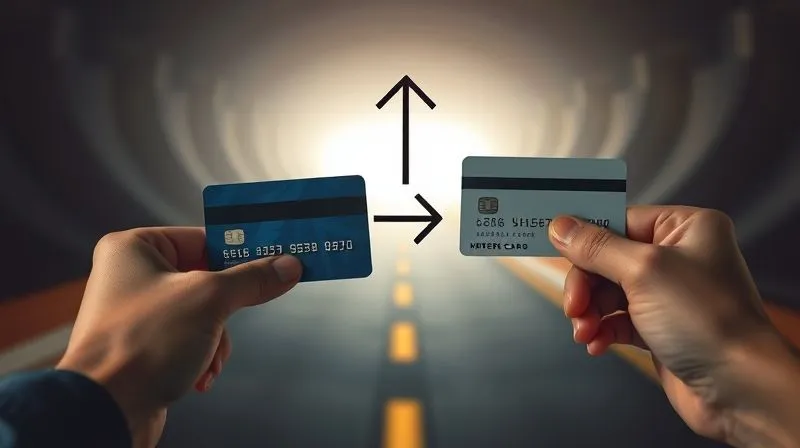
The journey from a secured credit card to an unsecured one is more than just a change in card type; it's a significant milestone in your financial recovery or establishment. A secured credit card requires a cash deposit, which typically acts as your credit limit, serving as collateral for the issuer. It’s a low-risk option for banks and a crucial tool for consumers with limited or damaged credit.
In contrast, an unsecured credit card is granted based solely on your creditworthiness, with no upfront deposit required. This transition signifies that lenders trust your ability to repay debt without collateral, reflecting a stronger, more reliable financial standing. Achieving this transition opens doors to higher credit limits, better interest rates, and often, valuable rewards programs that secured cards rarely offer.
Think of your secured card as training wheels on a bicycle. They provide stability and allow you to learn the ropes of riding without the fear of falling. Once you master balance and control, you remove the training wheels, gaining speed and agility. Similarly, graduating to an unsecured card means you've demonstrated your financial discipline, and you're ready for greater financial freedom and responsibility.
| Feature | Secured Card | Unsecured Card |
|---|---|---|
| Security Deposit | Required (acts as limit) | Not Required |
| Credit Limit | Tied to deposit amount | Based on creditworthiness |
| Credit Building | Primary purpose | Assumes established credit |
| Rewards Programs | Limited or None | Common and varied |
| Interest Rates | Often Higher | Varies, can be lower with good credit |
| Approval Difficulty | Easier | Harder (requires good credit) |
Laying the Foundation: Optimizing Your Secured Card Usage
Your secured credit card is your primary tool for demonstrating responsible credit behavior. How you manage it directly influences how quickly you can transition to unsecured credit. Every transaction, every payment, and every balance reported shapes your credit profile.
Payment History: The Golden Rule
This is arguably the most critical factor in your credit score, accounting for 35% of your FICO score. Consistently making all your payments on time, every single month, without fail, is non-negotiable. Even a single late payment can set back your progress significantly.
- Set Up Auto-Pay: Eliminate the risk of forgetting a payment by linking your bank account for automatic minimum payments.
- Pay More Than the Minimum: While not directly affecting your credit score, paying off your full balance or significantly more than the minimum demonstrates strong financial management.
- Never Miss a Due Date: Mark your calendar, set phone reminders, do whatever it takes to ensure punctuality.
Credit Utilization: The 30% (or Less) Mantra
Your credit utilization ratio—the amount of credit you're using compared to your total available credit—accounts for 30% of your FICO score. Lenders view high utilization as a sign of financial distress. Aim to keep your utilization below 30%, but ideally even lower, around 1-10%, for optimal credit building.
- Keep Balances Low: Only charge what you can comfortably pay off within the same billing cycle.
- Pay Off Before Statement Date: If possible, pay your balance down before your statement closes. This ensures a low utilization ratio is reported to credit bureaus.
- Strategic Spending: Use your card for small, manageable expenses that you can pay off immediately, like gas or groceries.
Credit Limit Increases: A Strategic Ask
Some secured card issuers may offer to increase your credit limit without requiring an additional deposit, or allow you to add more to your deposit. A higher limit, assuming you keep your spending constant, immediately lowers your utilization ratio. This can significantly boost your credit score.
- Inquire Proactively: After 6-12 months of perfect payment history, call your issuer to ask about credit limit increase options.
- Consider Adding to Your Deposit: If your issuer allows, adding more to your security deposit can be a quick way to increase your credit limit and improve your utilization.

The Credit Score Blueprint: What Lenders Look For
To successfully transition from secured to unsecured credit, you need to understand the underlying mechanics of your credit score. Lenders use these scores to assess risk, and knowing the components allows you to target specific areas for improvement. The FICO score, the most widely used credit scoring model, breaks down into five key categories.
According to MyFICO.com, these are the primary factors:
- Payment History (35%): As discussed, this is paramount. Consistent on-time payments are a non-negotiable foundation.
- Amounts Owed / Credit Utilization (30%): Keeping balances low relative to your credit limits demonstrates responsible borrowing.
- Length of Credit History (15%): Older accounts, especially those in good standing, signal stability to lenders. Don't close your oldest accounts, even if they're secured, unless absolutely necessary.
- New Credit (10%): Opening too many new accounts in a short period can be seen as risky. Apply for new credit sparingly and strategically.
- Credit Mix (10%): A healthy mix of different credit types (e.g., credit cards, installment loans) can positively impact your score, showing you can manage various forms of debt.
Expert Insight: "Your credit score isn't just a number; it's a historical record of your financial reliability. Every action you take with your secured card is essentially an audition for unsecured credit, demonstrating your readiness to manage greater responsibility without collateral."
Proactive Steps: Communicating with Your Secured Card Issuer
Many individuals simply wait for their secured card to 'graduate' automatically, but a proactive approach can significantly expedite the process. Your current card issuer is often your best bet for your first unsecured card, as they already have a relationship with you and a history of your payment behavior.
Understanding Graduation Policies
Not all secured cards offer a path to graduation. When you initially applied, it was crucial to understand if your card had a graduation program. If you're unsure, now is the time to find out. Some cards are designed never to graduate, while others have clear criteria, such as 12-18 months of on-time payments and maintaining a low utilization.
Making the Call: What to Ask
After 6-12 months of impeccable usage, call your secured card issuer's customer service line. Ask direct questions:
- "Do you offer a graduation program for secured cardholders?"
- "What are the specific criteria for my card to graduate to an unsecured product?"
- "Based on my account history, am I on track for graduation, and if not, what can I do to improve my chances?"
- "Is there a specific timeframe or a credit score threshold I need to meet?"
Case Study: How Maria Achieved Early Graduation
Maria, a client I advised, had a secured card with a $500 limit. For 9 months, she used it for small purchases, paying off the full balance well before the due date. Her credit score had climbed from 580 to 670. Instead of waiting the full 12 months, she called her issuer and politely inquired about graduation. The representative, seeing her perfect payment history and low utilization, informed her she was eligible for an early review. Within two weeks, her card was converted to an unsecured card with a $1,500 limit, and her deposit was refunded. This proactive step shaved months off her transition time, demonstrating how a simple call can yield significant results.

When to Apply for Unsecured Credit: Timing is Everything
Knowing when to make your move is almost as important as how you manage your existing credit. Applying for new credit too soon or too frequently can actually harm your progress. A strategic approach is vital to ensure a smooth and successful transition.
Monitor Your Credit Score Regularly
Before even considering applying for an unsecured card, you must know your current credit standing. Use free credit monitoring services provided by many banks or third-party apps to track your FICO score and credit report. Aim for a score of at least 670 (Good) or higher to significantly increase your approval odds for entry-level unsecured cards.
Avoid Multiple Hard Inquiries
Every time you apply for new credit, a 'hard inquiry' is placed on your credit report. These inquiries can temporarily drop your score by a few points and remain on your report for two years. Too many in a short period signal desperation to lenders, making you appear riskier. Therefore, apply only when you're reasonably confident of approval.
The 'Sweet Spot' for Applying
Generally, after 12-18 months of responsible secured card use, your credit profile should be strong enough to consider unsecured options. This period allows sufficient time for positive payment history to build and for your secured card to potentially graduate on its own. If your secured card doesn't graduate, this is the prime time to explore other entry-level unsecured cards. Check for 'pre-qualification' offers, which often involve a 'soft inquiry' that doesn't harm your score, giving you an idea of your approval chances.
| Action | Timeline | Impact |
|---|---|---|
| Maintain perfect payment history | Ongoing (12-18 months minimum) | Highest impact on credit score |
| Keep credit utilization below 10% | Ongoing | Significant impact on credit score |
| Call issuer about graduation | After 6-9 months of good use | Can expedite transition |
| Monitor credit score (aim for 670+) | Ongoing, especially after 9 months | Informs application timing |
| Research entry-level unsecured cards | After 12 months | Prepares for next step |
| Apply for one unsecured card | After 12-18 months with strong score | Initiates new credit relationship |
Navigating the Unsecured Landscape: Choosing Your Next Card
Once you've strengthened your credit profile and are ready to apply for an unsecured card, the next challenge is selecting the right one. The market is saturated with options, and choosing wisely can further accelerate your financial progress.
Research Entry-Level Unsecured Options
Don't jump straight for premium travel cards. Focus on cards designed for individuals building or rebuilding credit. These often include:
- Credit Builder Cards: Specifically marketed to those transitioning, often with lower limits but a clear path to higher limits.
- Store Credit Cards: Easier to qualify for, but often have high APRs. Use them cautiously and pay balances in full.
- Student Credit Cards: If you're a student, these are excellent entry points with lenient approval requirements.
- Cash Back Cards with No Annual Fee: Many issuers offer basic unsecured cards with modest cash back rewards and no annual fee, which are perfect for continued responsible use.
Consider APR, Fees, and Rewards
While building credit, your primary goal is not to carry a balance, so APR might seem less important. However, life happens, and a lower APR offers a safety net. Always prioritize cards with no annual fees if possible. Rewards are a bonus, but shouldn't be the sole driver of your decision at this stage.
Utilize Pre-Qualification Tools
Many major card issuers offer online pre-qualification forms. These allow you to see if you're likely to be approved for certain cards without incurring a hard inquiry on your credit report. This is an invaluable tool for narrowing down your options and applying with confidence.
Expert Insight: "Your first unsecured card is a stepping stone, not necessarily your 'forever card.' Focus on cards that offer clear benefits for credit building, such as no annual fee, responsible limits, and reported activity to all three major credit bureaus."
Common Pitfalls to Avoid on Your Transition Journey
Even with the best intentions, missteps can occur that hinder your progress. Being aware of these common pitfalls can help you steer clear of them and maintain your momentum towards unsecured credit.
Closing Your Secured Card Too Soon
Once you get an unsecured card, the temptation might be to close your secured account immediately. Resist this urge! Closing an account, especially an older one, can shorten your average credit history and reduce your total available credit, negatively impacting your credit score. Keep it open, even if you use it infrequently, to maintain your credit age and utilization.
Applying for Too Many Cards at Once
As mentioned, multiple hard inquiries in a short period can hurt your score. It also signals to lenders that you might be desperate for credit. Apply for one unsecured card at a time, wait for a decision, and then continue to build positive history before considering another application.
Ignoring Credit Report Errors
Errors on your credit report, such as incorrect late payments or fraudulent accounts, can severely damage your score and prevent you from transitioning. Regularly check your credit reports from all three major bureaus (Experian, Equifax, TransUnion) and dispute any inaccuracies immediately. This is a vital step for maintaining a healthy credit profile.
Letting Utilization Creep Up
After receiving an unsecured card with a higher limit, it's easy to fall into the trap of increasing your spending. Remember, your utilization ratio is based on your *total* available credit. If you have a $500 secured card and a new $2,000 unsecured card, your total credit is $2,500. Keep your combined spending low relative to this total to maintain a healthy utilization percentage. This discipline is crucial for continued credit growth.
Frequently Asked Questions (FAQ)
How long does it typically take to transition from a secured to an unsecured credit card? In my experience, with diligent and responsible use, most individuals can transition within 12 to 18 months. Some proactive steps and favorable issuer policies can shorten this to 6-9 months, while less consistent management might extend it beyond two years. It largely depends on your specific actions and credit improvement.
What if my secured card doesn't offer a graduation program? If your current secured card doesn't graduate, don't despair. After 12-18 months of excellent payment history and low utilization, your credit score should be significantly improved. You can then apply for entry-level unsecured cards from other issuers, using your strong credit history as your leverage. Consider cards from major banks known for their credit-building products.
Should I close my secured card after getting an unsecured one? Generally, no. Keeping your secured card open, especially if it's one of your oldest accounts, helps your credit score by maintaining a longer average credit history and contributing to your overall available credit. If it has an annual fee and you absolutely must close it, wait until you've had your unsecured card for at least a year and have several other active credit lines.
How important is my income for unsecured approval? Your income is a significant factor. Lenders need to ensure you have the capacity to repay your debts. While a higher income can lead to higher credit limits, a consistent, verifiable income is crucial even for entry-level unsecured cards. Always be honest and accurate about your income on applications.
Can I have multiple secured cards, and does that help? Yes, you can have multiple secured cards, and it can help if managed perfectly. Each card contributes to your credit history and total available credit. However, it also means more accounts to manage, more potential for late payments, and more security deposits tied up. For most, focusing on one secured card and optimizing its use is the most straightforward path.
Key Takeaways and Final Thoughts
- Master Your Secured Card: Treat your secured card as a critical training ground. Perfect payment history and low credit utilization (under 10%) are non-negotiable for rapid progress.
- Know Your Score: Regularly monitor your credit score and understand the factors that influence it, aiming for a FICO score of 670 or higher.
- Be Proactive: Don't just wait. Engage with your secured card issuer about their graduation policies and your eligibility for an unsecured card.
- Time Your Applications: Apply for new unsecured credit strategically, generally after 12-18 months of excellent secured card performance, and utilize pre-qualification tools.
- Avoid Common Pitfalls: Resist closing old accounts, applying for too much credit too quickly, and letting your utilization creep up on your new unsecured cards.
The journey to unsecured credit, while requiring discipline and strategic thinking, is entirely within your reach. I've seen countless individuals transform their financial lives by diligently following these steps. Your secured card is not a permanent fixture; it's a powerful temporary tool designed to pave the way for greater financial freedom. Stay consistent, stay informed, and you will undoubtedly achieve your goal of how to quickly transition from secured to unsecured credit, unlocking a world of better rates, higher limits, and enhanced financial opportunities.
Recommended Reading
- 7 Pillars: Structuring Executive Protection Plans for Key Personnel
- 5 Steps: Advising Clients on Appraisal Gap Issues in Home Buying
- Mastering Institutional Crypto: 7 Steps to Robust Key Management
- Unlock Your Financial Fortress: How to Secure Mobile Banking on Android
- Debt Ratio Blocking Your Loan? How to Unlock Small Business Expansion





Comments
Leave a comment below. Your email will not be published. Required fields marked with *