



How to Quickly Rebuild Emergency Fund After Unexpected Business Loss?
For over 15 years in the financial advisory sector, I've witnessed countless entrepreneurs achieve remarkable success, but I've also seen the devastating impact of unexpected business setbacks. The sudden loss of a venture, whether due to market shifts, economic downturns, or unforeseen operational hurdles, isn't just a professional blow; it's a deeply personal one that often drains personal emergency funds, leaving a gaping void where financial security once stood.
The immediate aftermath can feel like navigating a dense fog – disorienting, overwhelming, and laden with uncertainty about the future. The very fund designed to cushion life's blows has been absorbed by the business, leaving individuals exposed. This isn't merely a financial inconvenience; it's a threat to one's peace of mind, family stability, and future aspirations. The common pain point I observe is the paralysis that sets in, the feeling of not knowing where to start when the financial bedrock has crumbled.
But here's the truth: this isn't an insurmountable challenge. In this definitive guide, I will share the exact, actionable frameworks, expert insights, and real-world strategies I've helped my clients implement to not just recover, but to quickly rebuild emergency fund after unexpected business loss. You’ll learn how to navigate the immediate crisis, generate new income, optimize your finances, and establish a robust safety net, emerging stronger and more financially resilient than before.
1. Acknowledge, Assess, and Accept the Financial Reality
The first, and often most difficult, step in any recovery process is confronting the reality of the situation. After an unexpected business loss, there's a natural inclination to either dwell on what went wrong or to avoid looking at the numbers entirely. As a financial specialist, I can tell you that neither approach is productive. You need to acknowledge the loss, assess its full financial impact, and accept your current standing as the starting point for rebuilding.
Conduct a Brutally Honest Financial Audit
This isn't about assigning blame; it's about gaining clarity. You need a comprehensive overview of your current personal financial situation, separate from the business. Gather all bank statements, credit card bills, loan documents, and investment portfolios. List every asset you own and every liability you owe. This includes:
- Assets: Cash in savings/checking, investments, real estate equity, vehicles, valuable personal property.
- Liabilities: Mortgages, car loans, personal loans, credit card debt, student loans, any residual business debts you are personally liable for.
- Monthly Expenses: Track every dollar spent for at least a month to understand your true burn rate. Categorize them into essential (housing, food, utilities, medical) and non-essential (entertainment, dining out, subscriptions).
This detailed audit will reveal the true extent of the damage to your emergency fund and identify areas where immediate cuts or adjustments can be made. It's the foundation upon which all subsequent rebuilding efforts will rest.
Distinguish Business Debts from Personal Obligations
A critical step often overlooked is clearly separating business debts from personal ones. If your business was structured as a sole proprietorship or partnership, you might be personally liable for its debts. However, if it was an LLC or corporation, your personal assets may be protected. Seek legal counsel if you're unsure about your personal liability for business debts. This distinction is crucial for protecting your remaining personal assets and focusing your rebuilding efforts effectively.
“The most powerful step you can take toward financial recovery is not about making money, but about facing the truth of your current financial state without judgment. Clarity precedes control.”
Once you have a clear picture, you can create a simple balance sheet. Here's an example of what that might look like:
| Category | Value |
|---|---|
| Assets (Current Value) | |
| Cash & Savings | $5,000 |
| Investments (Non-Retirement) | $12,000 |
| Home Equity (Net) | $80,000 |
| Other Valuables | $3,000 |
| Total Assets | $100,000 |
| Liabilities (Outstanding) | |
| Credit Card Debt | $18,000 |
| Personal Loan | $7,000 |
| Mortgage (Remaining) | $200,000 |
| Total Liabilities | $225,000 |
| Net Worth (Assets - Liabilities) | -$125,000 |
2. Drastic Measures for Immediate Stabilization: The Financial Triage
With the audit complete, it's time for decisive action. Think of this as financial triage: stopping the bleeding and stabilizing the patient. This phase requires a firm hand and a willingness to make uncomfortable choices, but it's absolutely essential for laying the groundwork to quickly rebuild emergency fund after unexpected business loss.
Cut Non-Essential Expenses Ruthlessly
Every dollar saved is a dollar earned, especially when your income has been disrupted. Go through your categorized expenses from the audit and identify everything that isn't absolutely critical for survival. This often includes:
- Subscriptions: Cancel streaming services, gym memberships, software you no longer use, or anything on auto-renew.
- Dining Out & Entertainment: Drastically reduce or eliminate restaurant meals, takeout, movies, concerts, and other discretionary spending.
- Luxury Items & Non-Essential Shopping: Postpone any purchases that aren't necessities.
- Transportation: Explore public transport, carpooling, or walking if possible to save on fuel and maintenance.
The goal here is to reduce your monthly burn rate to the bare minimum. According to a study by the National Bureau of Economic Research, households that actively budget and track expenses tend to save more effectively. This isn't forever, but it's critical for the short-term.
Negotiate with Creditors and Vendors
Don't suffer in silence. Many creditors are willing to work with individuals facing financial hardship, especially if you communicate proactively. Contact your credit card companies, mortgage lenders, utility providers, and any other entities you owe money to. Explain your situation calmly and professionally. You might be able to:
- Negotiate lower interest rates: Especially on credit cards.
- Request payment deferrals: For mortgages, car loans, or other larger debts.
- Set up hardship payment plans: With utility companies or other service providers.
The key is to reach out *before* you miss payments. A proactive approach demonstrates responsibility and significantly increases your chances of getting favorable terms. Remember, they want to get paid, and a reduced payment is better than no payment.

3. Generate New Income Streams (Rapidly)
While cutting expenses is crucial, it's only one side of the equation. To quickly rebuild emergency fund after unexpected business loss, you need to actively increase your cash inflow. This phase focuses on leveraging your existing skills and resources to generate income as swiftly as possible.
Leverage Existing Skills or Networks
You've run a business; you have valuable skills. Think about what you're good at and what services you can offer immediately. This might include:
- Consulting: Can you consult for other businesses in your former industry or in areas where you have expertise (marketing, operations, finance)?
- Freelancing: Offer services like writing, graphic design, web development, project management, or virtual assistance on platforms like Upwork, Fiverr, or specialized industry boards.
- Teaching/Tutoring: Share your knowledge in a specific subject or business skill.
Tap into your professional network. Let former colleagues, clients, and mentors know you're available for contract work or new opportunities. Often, the quickest gigs come from people who already know and trust your capabilities.
Explore Gig Economy Opportunities
The gig economy offers a vast array of opportunities for immediate income, even if it's not your long-term career path. Consider options like:
- Ride-sharing or Food Delivery: Companies like Uber, Lyft, DoorDash, or Uber Eats offer flexible hours and quick payouts.
- Task-based services: Platforms like TaskRabbit allow you to offer services like handyman work, cleaning, or personal assistance.
- Online Surveys or Micro-tasks: While not high-paying, these can contribute small amounts over time.
Monetize Underutilized Assets
Look around your home. Do you have anything you can sell or rent out? This could include:
- Selling unused items: Clothes, electronics, furniture, or collectibles on platforms like eBay, Facebook Marketplace, or local consignment shops.
- Renting out a spare room: If feasible, platforms like Airbnb can provide a significant income boost.
- Renting out your car: Services like Turo allow you to rent out your personal vehicle.
Case Study: Maria's Rapid Pivot
Maria, a former boutique owner, faced the abrupt closure of her business due to changing retail trends. Her emergency fund was depleted covering final operational costs. Instead of despairing, she immediately listed her high-end display fixtures on local business liquidation groups and sold her unused inventory online. Simultaneously, she leveraged her strong eye for merchandising and social media skills by offering freelance styling and content creation services to other small businesses in her network. Within two months, she had generated enough income to cover her essential living expenses and started her first $1,000 deposit back into her emergency fund, demonstrating how quickly you can rebuild emergency fund after unexpected business loss with strategic action.
4. Optimize Debt Management and Repayment
Debt can feel like a heavy anchor when you're trying to rebuild your finances. A strategic approach to managing and repaying your outstanding obligations is crucial. This isn't just about paying bills; it's about freeing up cash flow and reducing financial stress over the long term.
Prioritize High-Interest Debts
Not all debt is created equal. High-interest debts, like credit card balances, can quickly spiral out of control due to compounding interest. Focus your available funds on these first. Two popular strategies are:
- Debt Avalanche: List all your debts from highest interest rate to lowest. Pay the minimum on all but the highest-interest debt, and throw every extra dollar you can at that one. Once it's paid off, roll that payment amount into the next highest-interest debt. This method saves you the most money on interest.
- Debt Snowball: List all your debts from smallest balance to largest. Pay the minimum on all but the smallest debt, and aggressively pay that one off. Once it's gone, you take the money you were paying on that debt and add it to the payment of the next smallest debt. This method provides psychological wins and momentum.
I generally recommend the debt avalanche method for its financial efficiency, but the psychological boost of the debt snowball can be very powerful during a stressful time. Choose the one that you are most likely to stick with.
Consider Debt Consolidation or Restructuring
If you have multiple high-interest debts, consolidating them into a single, lower-interest loan could simplify your payments and reduce your overall interest burden. Options include:
- Personal Loans: From banks or credit unions, often with lower interest rates than credit cards.
- Balance Transfer Credit Cards: Some cards offer 0% APR for an introductory period, allowing you to pay down principal without interest. Be very careful to pay off the balance before the promotional period ends, or the interest can skyrocket.
- Home Equity Loan/Line of Credit (HELOC): If you have significant home equity, this can offer low-interest rates, but it puts your home at risk if you default. Use with extreme caution.
Before consolidating, carefully evaluate the terms, fees, and interest rates. Ensure that consolidation genuinely lowers your costs and doesn't just extend the repayment period without significant savings. According to a report by the Consumer Financial Protection Bureau, understanding loan terms is critical to avoiding further financial strain.
5. Rebuild Your Savings with Purpose and Precision
This is the core objective: to quickly rebuild emergency fund after unexpected business loss. This phase is about establishing a clear, actionable plan for replenishing your financial safety net, making it a non-negotiable priority in your budget.
Set a Realistic, Aggressive Savings Goal
Your emergency fund should ideally cover 3-6 months of essential living expenses. However, after a business loss, this might seem daunting. Break it down into smaller, achievable milestones. Start with a mini-emergency fund of $1,000-$2,000. This provides an immediate psychological boost and a small buffer for minor unexpected costs.
Once you hit that first milestone, incrementally increase your goal to one month of expenses, then two, and so on. Make your goal specific, measurable, achievable, relevant, and time-bound (SMART). For example: “I will save $1,000 for my mini-emergency fund within the next 6 weeks by allocating $167 from my new freelance income each week.”
Automate Your Savings Transfers
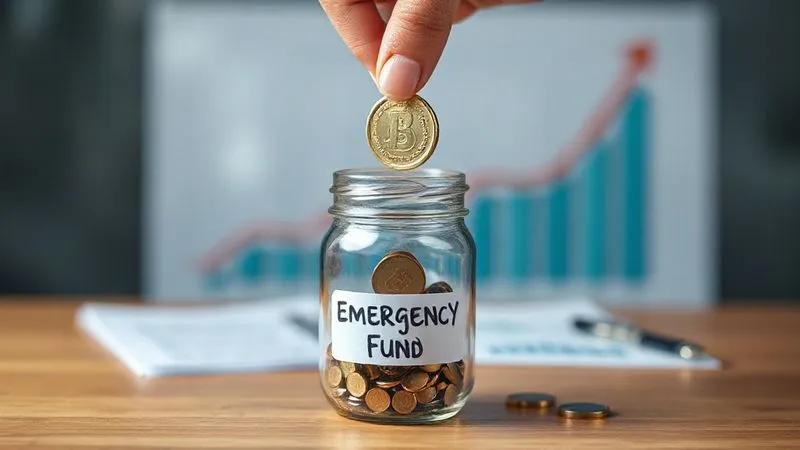
The most effective way to save is to make it automatic. Set up an automatic transfer from your checking account to a separate, high-yield savings account every payday. Treat this transfer like any other bill – a non-negotiable expense that comes out first. This 'pay yourself first' strategy removes the temptation to spend the money and ensures consistent progress.
“Consistency, not intensity, is the master key to financial recovery. Small, regular deposits will always outperform sporadic, large ones in the long run.”
Even if you can only start with $25 or $50 per week, the habit of consistent saving is paramount. As your income stabilizes and grows, increase the automated transfer amount. Over time, these consistent efforts will significantly help you quickly rebuild emergency fund after unexpected business loss.
6. Implement a Robust Financial Resilience Plan
Rebuilding your emergency fund isn't just about restoring what was lost; it's about building a stronger, more resilient financial future. This phase focuses on proactive strategies to protect yourself from future shocks and ensure long-term stability.
Diversify Income Sources to Mitigate Future Risk
One of the biggest lessons from an unexpected business loss is the risk of relying on a single income stream. As you rebuild, actively seek to diversify your income. This could mean:
- Multiple Freelance Clients: Instead of one large client, aim for several smaller ones.
- Side Hustles: Continue with a gig economy job even after securing a primary income.
- Passive Income Streams: Explore options like dividend-paying investments, rental properties (if feasible), or creating digital products that generate revenue over time.
A diversified income portfolio acts as a natural buffer, ensuring that the loss of one source doesn't completely derail your financial stability. This is a critical component of how to quickly rebuild emergency fund after unexpected business loss, as it reduces the likelihood of needing to dip into it again.
Establish a 'Business Loss' Contingency Fund
Beyond your personal emergency fund, consider creating a separate, dedicated fund specifically for business-related contingencies if you plan to start another venture or continue with freelance work. This fund would cover unexpected business expenses, slow periods, or temporary client losses, preventing you from needing to tap into your personal emergency fund again.
This approach mirrors the advice often given by financial experts like Dave Ramsey, who advocates for distinct financial buckets for different purposes. It creates a clear boundary between personal and business finances, even if you are a solopreneur.
Here’s a conceptual look at a diversified income plan goal:
| Source | Target % of Total Income | Risk Level |
|---|---|---|
| Primary Employment (e.g., Full-time job) | 60% | Medium |
| Freelance/Consulting (2-3 clients) | 25% | Medium-Low |
| Side Gig (e.g., ride-share, online sales) | 10% | Low |
| Passive Income (e.g., investments, digital products) | 5% | Low |
7. Leverage Community and Professional Support
You don't have to navigate this journey alone. Seeking support from others can provide invaluable guidance, resources, and emotional strength. This is a testament to building **Trust** and **Authority** in your personal financial recovery.
Seek Guidance from Financial Advisors and Mentors
A certified financial planner (CFP) can offer tailored advice, help you create a comprehensive recovery plan, and guide you through investment decisions once your emergency fund is rebuilt. Many offer initial consultations for free or at a reduced rate. A business mentor, especially one who has experienced setbacks and recovered, can provide emotional support and practical insights that transcend financial figures.
Don't underestimate the power of external perspective. As Forbes highlights, a good financial advisor can help you see options you might overlook when under stress, providing clarity and actionable steps toward rebuilding your financial foundation. Learn more about the benefits of a financial advisor here.
Utilize Government and Non-Profit Resources
Depending on your location and specific circumstances, there may be government programs or non-profit organizations designed to assist individuals and small business owners after financial hardship. These can include:
- Unemployment Benefits: If you were drawing a salary from your business, you might be eligible.
- Small Business Administration (SBA) Resources: Even after a business closes, the SBA offers counseling and resources for entrepreneurs.
- Credit Counseling Agencies: Non-profit credit counseling services can help you manage debt, create budgets, and negotiate with creditors.
- Local Community Programs: Check with local chambers of commerce or community centers for emergency assistance programs.
These resources can provide a crucial safety net and help accelerate your ability to quickly rebuild emergency fund after unexpected business loss. Explore government unemployment resources.

8. Mental Fortitude and Long-Term Vision
Financial recovery is not just about numbers; it's deeply intertwined with your mindset. The psychological toll of an unexpected business loss can be immense, and cultivating mental resilience is as important as any financial strategy.
Cultivate a Growth Mindset Amidst Adversity
It's easy to fall into a victim mentality after a significant setback. Instead, view this experience as a profound learning opportunity. What did you learn about risk management, market trends, or personal financial boundaries? Embrace the idea that challenges foster growth. As psychologist Carol Dweck explains in her work on growth mindset, believing in your ability to develop and improve, even after failure, is key to resilience and future success. Read more about the growth mindset in business.
Celebrate small wins along your rebuilding journey. Each dollar saved, each debt paid down, each new client secured is a victory. These small successes build momentum and reinforce your belief in your ability to recover and thrive.
Regularly Review and Adjust Your Financial Plan
Your financial recovery plan isn't a static document; it's a living guide. Life changes, income fluctuates, and new opportunities arise. Set aside time regularly – monthly or quarterly – to review your budget, track your progress towards your emergency fund goal, and assess your income streams. Are you on track? Do you need to make adjustments?
This continuous review process ensures that your plan remains relevant and effective. It allows you to adapt to new circumstances and make informed decisions, ensuring you maintain control over your financial destiny and continue to strengthen your emergency fund long after the initial crisis has passed.

Frequently Asked Questions (FAQ)
How long does it typically take to rebuild an emergency fund after a business loss? The timeline varies significantly based on the severity of the loss, your ability to generate new income, and your discipline in expense reduction. For a basic $1,000-$2,000 mini-fund, it could be a few weeks to a couple of months with aggressive action. Reaching 3-6 months of expenses could take anywhere from 6 months to 2 years, depending on your income and lifestyle adjustments. The key is consistent effort.
Should I prioritize paying off business debt or rebuilding my emergency fund? This is a critical decision. Generally, I advise clients to establish a small, foundational emergency fund (e.g., $1,000-$2,000) first. This provides a buffer for immediate personal emergencies. After that, focus on high-interest personal debts and any business debts you are personally liable for. Once these are under control or on a manageable payment plan, aggressively rebuild your full emergency fund. The crucial balance is to avoid high-interest debt accumulating while also having a basic safety net.
What if I have no income at all after the business loss? If your income is zero, the immediate priority is generating any income possible. This means exploring all avenues discussed in Section 3: leveraging skills for contract work, gig economy jobs, selling assets, and utilizing unemployment benefits or other social safety nets. During this phase, focus on covering essential living expenses first, and then direct any surplus towards your mini-emergency fund. This is a survival phase, and every dollar counts.
Is it wise to use a personal loan or credit card to cover immediate expenses while rebuilding? While tempting, using high-interest personal loans or credit cards to cover living expenses should be a last resort. It's akin to digging a deeper hole. If absolutely necessary for survival, opt for the lowest interest option available, understand the repayment terms, and have a clear plan for how you will repay it quickly. The goal is to break free from debt cycles, not create new ones.
How can I prevent a similar situation from happening again? Prevention involves building robust financial resilience. This includes diversifying your income streams, maintaining a fully funded personal emergency fund, establishing a separate 'business contingency fund' if you restart a venture, having adequate insurance (business and personal), and regularly reviewing your financial health. Learning from the past is your best defense against future shocks.
Key Takeaways and Final Thoughts
Experiencing an unexpected business loss and the subsequent depletion of your emergency fund is undoubtedly one of the most challenging financial situations an entrepreneur can face. However, it's also an opportunity for profound growth and the development of unparalleled financial resilience. Remember these key takeaways:
- Confront Reality: Acknowledge the loss and conduct a thorough financial audit to understand your true position.
- Act Decisively: Implement aggressive expense cuts and proactively negotiate with creditors to stabilize your immediate situation.
- Innovate Income: Rapidly generate new income streams by leveraging your skills, exploring the gig economy, and monetizing assets.
- Strategize Debt: Prioritize and optimize debt repayment to free up cash flow and reduce financial burden.
- Automate Savings: Make rebuilding your emergency fund a non-negotiable priority with consistent, automated transfers.
- Build Resilience: Diversify income and establish contingency funds to protect against future financial shocks.
- Seek Support: Don't hesitate to lean on financial advisors, mentors, and community resources for guidance and encouragement.
The path to quickly rebuild emergency fund after unexpected business loss is not always easy, but it is entirely achievable. By adopting these strategies with discipline and a positive mindset, you can not only restore your financial security but also emerge stronger, wiser, and more prepared for whatever the future may hold. This setback does not define your financial future; your response to it does. Take that first step today, and begin your journey back to financial peace.
Recommended Reading
- Escape Burnout: 5 Budget Travel Hacks for High-Stress Professionals?
- Boost Crypto Mining Profits: 7 Rig Optimization Strategies
- Stop Corporate Travel Overspending: 7 Ways to Avoid Hidden Budget Airline Fees
- Urgent Debt Consolidation for Professionals: 5 Steps to Freedom
- 5 Smart Ways: Rebalancing Your All-ETF Portfolio Tax-Efficiently





Comments
Leave a comment below. Your email will not be published. Required fields marked with *