



How to Optimize Existing Crypto Mining Rigs for Falling Profits?
For over a decade and a half in the digital currency space, I've witnessed the exhilarating highs and the daunting lows that define the cryptocurrency mining landscape. I remember the early days, when a single GPU could yield significant returns, and the later booms that saw warehouses filled with ASICs. But I've also seen the market turn, profits dwindle, and many miners throw in the towel, often prematurely, because they failed to adapt.
Today, many of you are facing a similar squeeze. The cost of electricity remains high, network difficulty continues to climb, and coin prices fluctuate, often dipping below the levels needed for comfortable profitability. This isn't just a minor setback; it's a fundamental challenge that can turn a once-lucrative operation into a costly liability. The pain point is clear: how do you keep your existing hardware humming and profitable when the market seems to conspire against you?
In this definitive guide, I'm not just going to offer platitudes. I'm going to share actionable, battle-tested strategies, frameworks, and insights gleaned from years in the trenches. We'll delve into the nitty-gritty of hardware and software optimization, explore strategic shifts, and introduce financial models that will empower you to not just survive, but potentially thrive, even when profits are falling. This isn't about buying new gear; it's about making your current setup work smarter, harder, and more efficiently.
1. Re-evaluating Your Mining Strategy: Algorithm & Coin Selection
The first mistake I often see miners make when profits dip is sticking rigidly to their initial plan. The crypto world moves fast, and what was profitable last month might be a money pit today. Your existing rigs, particularly GPU-based ones, are versatile machines. It's time to leverage that versatility.
Understanding Hash Rate vs. Profitability
Don't confuse raw hash rate with actual profitability. A rig might churn out an impressive hash rate on a particular algorithm, but if the coin's value is low or the network difficulty is astronomical, your effective earnings will be negligible. Always prioritize profitability over raw output numbers.
Actionable Steps for Coin & Algorithm Re-evaluation:
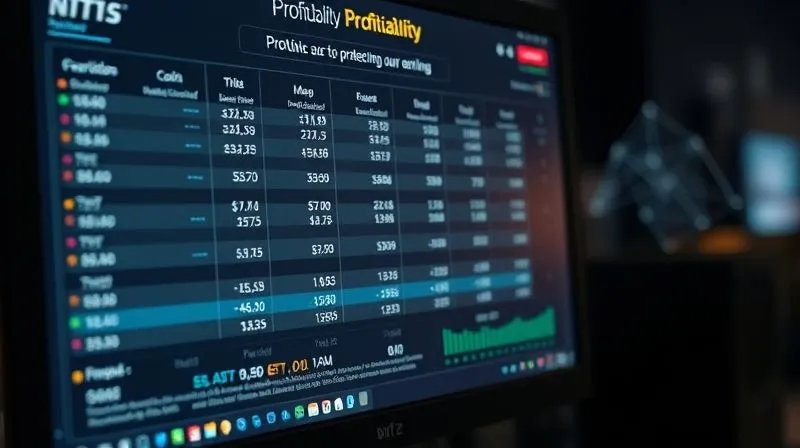
- Utilize Profitability Calculators: Regularly use tools like WhatToMine or MinerStat. Input your rig's specifications (GPU models, power consumption) and electricity cost. These platforms will show you which coins are currently most profitable for your hardware.
- Monitor Network Difficulty: Keep an eye on the difficulty trends of potential coins. A sudden spike in difficulty can quickly erase profitability, even if the coin price is stable.
- Research Emerging Altcoins: Sometimes, smaller, newer altcoins on less saturated algorithms can offer temporary spikes in profitability. Be cautious, as these are often more volatile, but a calculated risk can pay off.
- Consider Auto-Switching Miners: Software like NiceHash or multi-algorithm miners can automatically switch between coins based on real-time profitability, ensuring your rigs are always working on the most lucrative option.
Expert Insight: "The best miners aren't just hardware engineers; they're market analysts. Adapting your mining target based on real-time data is paramount to sustaining profitability."
2. Precision Power Management: Undervolting and Overclocking for Efficiency
This is where the rubber meets the road for GPU miners. The balance between hash rate and power consumption is your golden ticket to optimizing existing crypto mining rigs for falling profits. Most GPUs come with factory settings that are far from optimal for mining.
The Undervolting Advantage
Undervolting involves reducing the voltage supplied to your GPUs while maintaining or slightly reducing their clock speeds. Less voltage means less power consumption and less heat, directly translating to lower electricity bills and potentially longer hardware life.
The Smart Overclocking Play
Overclocking increases clock speeds, boosting hash rate. However, unchecked overclocking also dramatically increases power draw and heat. The goal is smart overclocking: finding the sweet spot where you get the most hash rate for the least additional power. Often, a slight reduction in core clock with a significant increase in memory clock (for memory-intensive algorithms like Ethash) combined with undervolting yields the best efficiency.
Actionable Steps for Power Optimization:
- Use Mining Software Tools: Tools like MSI Afterburner (for Windows) or specific Linux mining OS features (e.g., HiveOS, RaveOS) allow precise control over core clock, memory clock, and voltage.
- Start with Undervolting: Begin by slowly reducing the core voltage in small increments. Test for stability after each reduction. Your goal is the lowest stable voltage.
- Adjust Memory Clock: For memory-intensive algorithms, gradually increase the memory clock. Monitor for artifacts or crashes.
- Fine-tune Core Clock: For core-intensive algorithms, adjust the core clock. For memory-intensive ones, you can often significantly reduce the core clock without impacting hash rate, further saving power.
- Monitor Power Draw: Use a smart plug or a power meter at the wall to measure actual power consumption. Compare this with your software readings.
- Document Settings: Keep a spreadsheet of your stable and efficient settings for each GPU model and algorithm.
Case Study: Miner Mike's Profit Revival
Case Study: How Miner Mike Optimized His 6-GPU Rig
Mike, a small-scale miner with a rig of 6 RTX 3070s, was barely breaking even, paying $0.15/kWh. His rig consumed 1200W from the wall, yielding 360 MH/s on Ethash. After implementing precise undervolting and smart overclocking (reducing core clock, increasing memory, and lowering voltage), he managed to drop his rig's power consumption to 850W while maintaining 350 MH/s. This 350W reduction translated to a daily saving of $1.26 (at $0.15/kWh), which over a month, turned a negligible profit into a healthy $37.80. This seemingly small adjustment made the difference between shutting down and staying operational.
3. Optimizing Cooling and Airflow: Extending Rig Lifespan and Performance
Heat is the enemy of electronics, especially mining rigs running 24/7 under heavy load. Poor cooling not only leads to thermal throttling (reducing your hash rate) but also significantly shortens the lifespan of your expensive GPUs and other components. Investing in proper airflow is a direct investment in your rig's longevity and consistent performance.
The Science of Airflow
Effective cooling isn't just about blasting fans; it's about creating a clear path for cool air to enter, absorb heat, and hot air to exit. Stagnant hot air around components is a performance killer.
Actionable Steps for Cooling Optimization:
- Strategic Rig Placement: Place rigs in a well-ventilated area, away from walls or corners that restrict airflow. Ideally, have dedicated intake and exhaust fans for the room.
- Open-Air Frames: Utilize open-air mining frames that allow maximum air circulation around GPUs. Avoid enclosed cases unless they are specifically designed with powerful airflow in mind.
- Fan Configuration: Ensure your rig's fans (and any external fans) are configured for optimal push-pull airflow. For example, intake fans pushing cool air over GPUs, and exhaust fans pulling hot air out immediately.
- Regular Dusting: Dust acts as an insulator, trapping heat. Regularly clean your GPUs, power supplies, and case fans with compressed air.
- Thermal Pad/Paste Replacement: After a year or two of continuous operation, the thermal pads and paste on your GPUs can degrade. Replacing them with high-quality alternatives can drastically improve heat transfer from the GPU die to the heatsink. This is a more advanced step but can yield significant improvements.
According to a study published by Nature Communications on electronic component reliability, excessive heat is a primary factor in accelerated degradation and failure rates. Keeping your components cool isn't just about performance; it's about protecting your investment.
4. Strategic Mining Pool Selection & Configuration
Choosing the right mining pool is more critical than many realize. It directly impacts your payout frequency, stability, and ultimately, your net earnings. It's not just about the lowest fees; it's about consistency and reliability.
Key Considerations for Pool Selection:
- Payout Scheme: Understand the different payout schemes (PPLNS, PPS+, SOLO). PPLNS (Pay Per Last N Shares) is common and generally fair for consistent miners, while PPS+ (Pay Per Share Plus) offers more predictable daily earnings but often has higher fees.
- Fees: While lower fees are attractive, don't compromise on stability and features. A 0.5% difference in fees can be negligible compared to lost uptime or stale shares.
- Server Location & Latency: Choose a pool server geographically close to your mining operation. High latency (ping) leads to more rejected or stale shares, which are effectively wasted hash rate.
- Minimum Payout Threshold: Ensure the minimum payout threshold aligns with your mining size. If it's too high, your earnings might be stuck in the pool for extended periods.
- Pool Size & Luck: While larger pools find blocks more frequently, smaller pools can sometimes offer higher variance (bigger but less frequent payouts if you're lucky). For consistent income, larger, established pools are generally safer.
Actionable Steps for Pool Optimization:
- Test Multiple Pools: Don't be afraid to try different pools for a few days to compare actual earnings and stability.
- Monitor Stale/Rejected Shares: Your mining software will report stale or rejected shares. A high percentage (above 1-2%) indicates potential issues with your internet connection, pool latency, or overclock settings.
- Configure Failover Pools: Many mining software packages allow you to configure multiple pool addresses. If your primary pool goes offline, your miner automatically switches to a backup, ensuring continuous operation.

5. Advanced Software & Firmware Tuning
Beyond basic overclocking, there's a deeper layer of optimization available through specific software and firmware adjustments. This is where you can squeeze out those last few percentage points of efficiency.
Operating System Choice
While Windows is user-friendly, Linux-based mining operating systems (like HiveOS, RaveOS, or SMOS) are often more efficient. They are lightweight, consume fewer system resources, and are purpose-built for mining, offering advanced controls and remote management capabilities.
Driver Optimization
Keeping your GPU drivers updated is crucial, but sometimes specific older driver versions are known to be more stable or efficient for certain algorithms. Research community recommendations for your specific GPU and mining algorithm.
BIOS/Firmware Mods (Advanced)
For some older AMD GPUs, BIOS modifications (flashing custom firmware) can unlock significant performance gains or allow for more aggressive undervolting. This is an advanced technique and carries risks, so proceed with extreme caution and only if you are confident in your technical abilities. Always back up your original BIOS.
Actionable Steps for Software/Firmware Optimization:
- Consider a Dedicated Mining OS: If you're serious about long-term mining, migrating to a Linux-based mining OS can offer better stability, efficiency, and remote management.
- Research Driver Performance: Before updating, check forums and community discussions for performance impacts of new drivers on your specific GPUs and mining software.
- Learn BIOS Modding (Cautiously): If your hardware supports it and you're comfortable with the risks, research reputable guides and communities for safe BIOS modifications.
Quote from a Digital Currency Expert: "In the race for profitability, every watt saved and every hash gained through software tuning contributes directly to your bottom line. It's often easier and cheaper than buying new hardware."
6. The Often Overlooked: Rig Maintenance and Component Health
Just like a high-performance race car, a mining rig requires diligent maintenance to perform optimally. Neglecting basic upkeep can lead to reduced hash rates, increased power consumption, and premature component failure. This is about protecting your investment and ensuring consistent uptime.
Beyond Dusting: A Deeper Dive
While we touched on dusting for cooling, maintenance goes further. It's about proactive health checks.
Actionable Steps for Rig Maintenance:
- Cable Management: Ensure all power and data cables are neatly organized and not obstructing airflow. Loose or tangled cables can trap heat.
- Power Supply Health: Monitor your Power Supply Unit (PSU) for any signs of strain (unusual noise, excessive heat). PSUs degrade over time, and an inefficient PSU can waste significant power. Ensure your PSU is operating within 70-80% of its rated capacity for optimal efficiency and longevity.
- Riser Card Inspection: Riser cards are notorious points of failure. Regularly inspect them for loose connections, burnt spots, or signs of wear. Keep spares on hand.
- Software Monitoring: Utilize your mining software's monitoring features to track GPU temperatures, fan speeds, power draw, and hash rates. Set alerts for abnormal readings.
- Re-seating Components: Occasionally, re-seating GPUs, RAM, and even CPU can resolve intermittent issues caused by minor shifts or oxidation on contacts.
- Network Stability: A stable internet connection is paramount. Use wired Ethernet over Wi-Fi whenever possible to minimize latency and dropped connections, which result in stale shares.
Maintaining your rigs isn't glamorous, but it's foundational. As Forbes Advisor often highlights, long-term success in any investment, including mining, requires diligent management of operational costs and asset health.
7. Considering Alternative Revenue Streams & Rig Repurposing
When mining profits are truly in the doldrums, it's time to think outside the hash box. Your powerful hardware isn't just for mining; it's a general-purpose compute machine. This strategy is about diversifying your income or salvaging value.
Beyond Traditional Mining:
- Cloud Computing/Rendering: Platforms like RenderToken (RNDR) or Golem allow you to rent out your GPU's processing power for rendering, scientific simulations, or AI tasks. This can sometimes be more profitable than direct mining.
- Gaming/Streaming: If you have high-end GPUs, consider using them for gaming, streaming, or content creation. While not a direct "mining" profit, it allows you to get value from your hardware.
- Machine Learning/AI Training: There's a growing demand for distributed GPU power for training AI models. Platforms are emerging that connect GPU owners with AI researchers.
Repurposing and Selling Components:
If all else fails, consider parting out your rig. Selling individual GPUs, motherboards, PSUs, and RAM can often yield a higher return than selling the entire rig as a unit, especially if the components are still in good condition. Keep an eye on the used GPU market, which often fluctuates in tandem with crypto cycles.
Actionable Steps for Diversification/Repurposing:
- Research Compute-Sharing Platforms: Explore platforms that pay for distributed GPU computation.
- Assess Component Value: Regularly check marketplaces like eBay, Amazon, or local classifieds for the going rates of your individual components.
- Consider a Hybrid Approach: Perhaps mine during peak profitability hours, and rent out compute power during off-peak times or when specific compute tasks are more lucrative.
8. Financial Prudence: Cost Analysis and Break-Even Points
Ultimately, all optimization efforts boil down to one thing: financial viability. You need to know your numbers inside and out. Ignoring your operational costs is a guaranteed path to financial ruin in mining.
Understanding Your True Costs:
- Electricity: Your largest ongoing cost. Know your exact rate, including any tiered pricing or peak/off-peak rates.
- Hardware Depreciation: Rigs don't last forever. Factor in the eventual need for replacement or upgrade.
- Maintenance Costs: Small costs like replacement fans, thermal paste, or even internet service add up.
- Software/Pool Fees: Account for any fees charged by mining pools, operating systems, or monitoring tools.
- Opportunity Cost: What else could you be doing with your capital and time?
Calculating Your Break-Even Point:
Your break-even point is the coin price at which your revenue exactly covers your operational costs. Below this, you're losing money. Above it, you're profitable.
Actionable Steps for Financial Optimization:
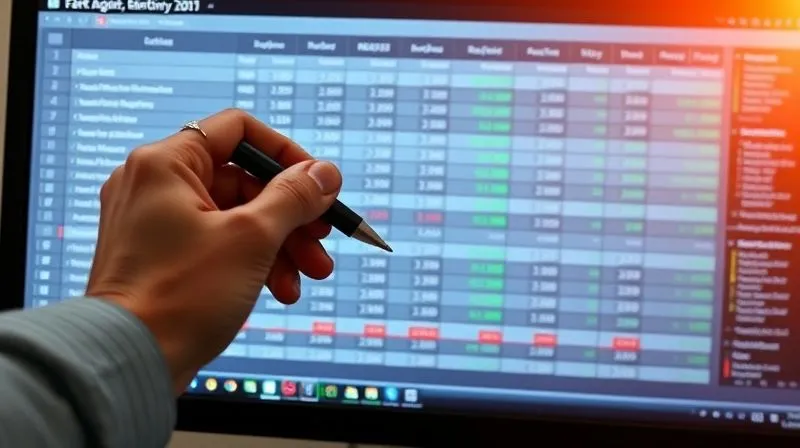
- Create a Detailed Spreadsheet: Track every single expense related to your mining operation.
- Calculate Daily/Monthly Net Profit: Regularly update this based on current coin prices, network difficulty, and your optimized rig performance.
- Determine Your Shut-Off Price: Based on your break-even analysis, establish a clear "shut-off" price for each coin. If the coin price (or your effective daily earnings) consistently falls below this, it's time to re-evaluate or temporarily halt mining that specific coin.
- Explore Renewable Energy: If feasible, investigate solar or other renewable energy sources. While the upfront cost is significant, it can drastically reduce or eliminate your largest operational expense in the long run.
- Tax Implications: Consult with a tax professional regarding mining income and expenses in your jurisdiction. Proper accounting can save you money.
Frequently Asked Questions (FAQ)
Q: Is it still worth mining cryptocurrency with falling profits? A: It depends on your specific setup, electricity costs, and willingness to optimize. For many, with diligent optimization, mining can remain marginally profitable or at least allow you to accumulate coins at a lower effective cost. The key is adaptation and strict cost control. If you have low electricity costs, your chances are significantly better.
Q: How much can I realistically save by undervolting and overclocking? A: Significant savings are possible. Depending on your GPU model and initial settings, you could reduce power consumption by 10-30% while often maintaining 95-100% of your hash rate. This directly translates to lower electricity bills and improved profitability. It's often the most impactful optimization for existing rigs.
Q: What's the biggest mistake miners make when profits are falling? A: The biggest mistake is inaction. Many miners either panic and sell their hardware at a loss, or they stubbornly continue mining with inefficient settings, bleeding money. The market is cyclical; the best strategy is to optimize, reduce costs, and be prepared for the next upturn, or diversify your hardware's utility.
Q: Should I switch from GPU mining to ASIC mining for better efficiency? A: This is a complex decision. ASICs are highly efficient for specific algorithms but lack the versatility of GPUs. They are also a significant capital investment and become obsolete much faster. If you're looking to optimize existing rigs, the focus is on what you already have. A new ASIC purchase is a separate investment decision, not an optimization of an existing rig.
Q: How often should I re-evaluate my mining strategy and coin selection? A: In volatile markets, I recommend at least a weekly check using profitability calculators. For more stable periods, monthly might suffice. However, always be prepared to adjust if there's a significant shift in coin prices, network difficulty, or a major protocol update. The more frequently you monitor, the quicker you can adapt.
Key Takeaways and Final Thoughts
- Adaptability is Key: The crypto mining landscape is dynamic. Your ability to adapt your mining strategy, coin selection, and rig settings is paramount.
- Efficiency Over Raw Power: Focus on getting the most hash rate per watt. Undervolting and smart overclocking are your best friends.
- Maintain Your Investment: Regular maintenance, proper cooling, and stable network conditions extend rig life and ensure consistent performance.
- Know Your Numbers: Understand your exact costs and break-even points. Financial prudence guides all successful mining operations.
- Explore All Avenues: Don't limit your rig's potential to just one coin or one type of computation. Diversify if necessary.
The journey of a cryptocurrency miner is one of constant learning and adaptation. When faced with falling profits, it's not a signal to quit, but a call to action. By meticulously applying the strategies outlined above, you can transform your existing rigs from potential liabilities into resilient, profitable assets. I've seen miners navigate far tougher markets with these very principles. Stay diligent, stay informed, and remember that in the world of digital currency, the smart, efficient miner always has an edge. Your current hardware has more life and profit potential than you might think – it just needs your expert touch.
Recommended Reading
- Unlock Your Financial Future: Best Wealth Building Strategies for Young Adults
- 7 Proven Strategies: How to Mitigate Fraud Risks in Corporate Bank Accounts
- Unlock Roth Benefits: A 4-Step Backdoor IRA Guide for High Earners
- Global Economy 2025 Forecasts: How Accurate Are They Really?
- 7 Ways Inflation Reshapes CRE Valuation: Strategies for 2024



Comments
Leave a comment below. Your email will not be published. Required fields marked with *