



How to Quickly Eliminate High-Interest Credit Card Debt for Professionals?
For over 15 years in the financial planning and budgeting sector, I've had the privilege of guiding countless ambitious professionals through their financial journeys. Time and again, I've observed a silent struggle: the burden of high-interest credit card debt, often concealed behind a façade of career success and a comfortable lifestyle.
This isn't merely about spending habits; it's about the unique pressures professionals face—the need to maintain a certain image, unexpected career-related expenses, or simply the lack of time to meticulously manage personal finances. The insidious nature of high-interest debt can erode your hard-earned income, stifle your wealth-building potential, and cast a long shadow of stress over your professional and personal life.
In this definitive guide, I will share the exact frameworks, actionable strategies, and expert insights I've honed over years, specifically tailored for professionals. You'll learn not just what to do, but how to quickly eliminate high-interest credit card debt for professionals, empowering you to reclaim your financial autonomy and accelerate your path to true financial freedom.
Understanding the Professional's Debt Trap: More Than Just Spending
It's a common misconception that high-interest credit card debt is solely a problem for those with modest incomes. In my experience, many professionals, despite earning substantial salaries, find themselves entangled in this very trap. The reasons are often nuanced and extend beyond simple overspending.
One primary culprit is lifestyle creep. As income rises, so too do expectations for living standards. This can manifest in more expensive housing, luxury cars, fine dining, or frequent travel—all easily facilitated by credit cards. Another factor is the sheer pace of professional life; demanding careers often leave little time or mental energy for rigorous budgeting and financial oversight, leading to reactive instead of proactive money management. Furthermore, unexpected career investments, such as certifications, networking events, or even relocation costs, can sometimes push professionals into debt if not properly planned for. It's crucial to understand that falling into debt isn't a moral failing; it's often a symptom of complex financial and lifestyle pressures that can be systematically addressed.
The Foundational Step: A Ruthless Financial Audit
Before you can effectively tackle high-interest credit card debt, you must first understand its full scope and impact. This requires a comprehensive and unflinching financial audit—a deep dive into every dollar you earn, spend, and owe. This step provides the clarity needed to formulate an effective attack plan.
Start by gathering all your financial statements: bank accounts, credit card statements, loan documents, and investment accounts. Categorize your income streams and meticulously track your expenses for at least one month, ideally three. Use budgeting apps or spreadsheets to identify where your money is truly going. Pay particular attention to recurring subscriptions, discretionary spending, and any 'invisible' expenses that might be draining your funds. The goal is to create a detailed snapshot of your financial reality, revealing opportunities for optimization.
Itemizing Your Debts for Strategic Attack
Once your income and expenses are clear, create a detailed list of all your debts. For each credit card or high-interest loan, note the following:
- Creditor Name: Who you owe the money to.
- Current Balance: The exact amount you currently owe.
- Interest Rate (APR): This is critical; prioritize higher rates.
- Minimum Payment: The smallest amount you must pay each month.
- Due Date: To avoid late fees and protect your credit score.
This granular detail will be the bedrock of your debt reduction strategy, allowing you to identify the most financially damaging debts first.
| Creditor | Balance | APR | Min. Payment |
|---|---|---|---|
| Card A (Visa) | $12,500 | 24.99% | $250 |
| Card B (Mastercard) | $7,000 | 19.99% | $140 |
| Personal Loan | $5,000 | 12.50% | $100 |
| Card C (Amex) | $3,000 | 29.99% | $60 |
Strategic Payoff Methodologies: Avalanche vs. Snowball
With a clear picture of your debts, the next step is to choose a payoff strategy. The two most popular and effective methods are the Debt Avalanche and the Debt Snowball. While both aim for debt elimination, their psychological and financial impacts differ significantly.
The Debt Avalanche Method: Targeting High-Interest First
The Debt Avalanche method prioritizes paying off debts with the highest interest rates first, regardless of the balance. You make minimum payments on all debts except for the one with the highest APR, on which you throw every extra dollar you can find. Once that debt is paid off, you take the money you were paying on it (minimum payment plus extra) and apply it to the next debt with the highest interest rate. This method is mathematically the most efficient, saving you the most money in interest over time. For professionals facing significant high-interest credit card debt, this is often the recommended approach as it minimizes the true cost of debt.
The Debt Snowball Method: Building Momentum
The Debt Snowball method, popularized by financial guru Dave Ramsey, focuses on paying off debts with the smallest balances first, regardless of the interest rate. You make minimum payments on all debts except for the one with the smallest balance, on which you apply all extra funds. Once that smallest debt is paid off, you 'snowball' the payment (its former minimum payment plus any extra funds) onto the next smallest debt. This method provides psychological wins early on, as you see debts disappear quickly, which can be highly motivating. While not as mathematically efficient as the avalanche, the psychological boost can be invaluable for maintaining momentum, especially if you feel overwhelmed.

Which method is best for you? If you are highly disciplined and motivated by financial efficiency, the Avalanche method will save you the most money. If you need quick wins to stay engaged and find the process daunting, the Snowball method might be a better fit. As an experienced industry specialist, I've seen both work wonders, but for how to quickly eliminate high-interest credit card debt for professionals, the Avalanche often provides the most direct financial advantage.
Leveraging Professional Resources: Balance Transfers & Consolidation Loans
Beyond simply paying down debt, professionals have access to sophisticated financial tools that can dramatically accelerate debt elimination, particularly for high-interest credit card balances. These include balance transfers and debt consolidation loans.
Strategic Balance Transfers: Buying Time and Reducing Interest
A balance transfer involves moving existing credit card debt from one or more cards to a new credit card, typically one offering a 0% introductory APR for a set period (e.g., 12-21 months). This can be a game-changer for high-interest debt, as it allows you to pay down the principal without accruing interest during the promotional period. This is a powerful strategy for professionals with strong credit scores.
- Check Your Credit Score: Lenders offer the best 0% APR balance transfer cards to individuals with excellent credit (typically 700+ FICO score). Ensure your score is strong before applying.
- Calculate the Transfer Fee: Most balance transfer cards charge a fee, usually 3-5% of the transferred amount. Factor this into your decision. For example, a 3% fee on $10,000 debt is $300, which is often far less than the interest you'd pay at 20%+ APR.
- Plan Your Payoff: Do not view the 0% APR period as an excuse to delay payments. Create a strict plan to pay off the entire transferred balance before the promotional period ends to avoid deferred interest or a jump to a high standard APR.
- Avoid New Debt: Do not use the newly freed-up credit card for new purchases. Cut it up or lock it away to prevent recurring debt.
According to a Consumer Financial Protection Bureau (CFPB) report, understanding the terms and planning your payoff is crucial to making balance transfers an effective debt reduction tool.
Debt Consolidation Loans: Simplifying and Lowering Payments
A debt consolidation loan is a personal loan taken out to pay off multiple smaller debts, usually credit cards. The goal is to combine several high-interest payments into a single, lower-interest monthly payment with a fixed repayment term. This can simplify your financial life and potentially save you a significant amount in interest.
- Personal Loans: These are unsecured loans, meaning they don't require collateral. Interest rates depend heavily on your credit score. For professionals with good credit, these can offer rates significantly lower than credit card APRs.
- Home Equity Line of Credit (HELOC) or Loan: If you own a home and have substantial equity, a HELOC or home equity loan can offer even lower interest rates, as they are secured by your home. However, this comes with the significant risk of putting your home on the line if you default, so proceed with extreme caution and only if you are confident in your repayment ability.
Always compare the total cost of the consolidation loan (including any origination fees) against the total interest you would pay on your existing debts. The objective is to secure a lower overall interest rate and a clear path to becoming debt-free.
Negotiating with Creditors: A Professional's Advantage
Many professionals mistakenly believe that negotiating with credit card companies is only for those in dire financial straits. This isn't true. If you have a good payment history prior to accumulating high-interest debt, or if you're proactive about your situation, you often have more leverage than you think. It's a strategic move that can significantly aid in how to quickly eliminate high-interest credit card debt for professionals.
How to Approach Your Creditors
- Be Prepared: Before calling, have your account numbers, current balances, interest rates, and a clear understanding of your financial situation (income, expenses, what you can realistically afford) ready.
- Speak Professionally and Calmly: Approach the conversation as a negotiation. Explain that you are a responsible customer facing a temporary challenge and are committed to paying off your debt, but need some assistance with the high-interest rates.
- Request a Lower Interest Rate (APR): This is your primary goal. Many credit card companies have programs for customers who proactively reach out. They might offer a temporary or permanent reduction in your APR.
- Ask for a Payment Plan or Fee Waivers: If an APR reduction isn't possible, inquire about a hardship program that might lower your minimum payment or waive late fees.
- Document Everything: Note the date, time, name of the representative, and details of your conversation. Follow up with a written confirmation if any agreements are made.
I've seen clients secure significant APR reductions simply by making a polite, informed phone call. Remember, creditors would rather get some money than none, and they value responsible customers who communicate.
Income Optimization & Expense Streamlining: Beyond Basic Budgeting
For professionals, debt reduction isn't just about cutting lattes; it's about optimizing your entire financial ecosystem. This involves a two-pronged approach: intelligently increasing income and ruthlessly streamlining expenses without sacrificing essential quality of life.
Smart Expense Streamlining
Go beyond the obvious. Review every single recurring expense. Can you negotiate lower rates on your internet or insurance? Are there subscriptions you're not fully utilizing? Consider downsizing non-essential luxuries temporarily. For instance, if you have a high-end car payment, could you swap it for a more modest, reliable vehicle for a few years? These larger adjustments often free up far more capital than small daily cuts. Focus on reducing your 'fixed' expenses where possible, as these have the biggest ongoing impact.
Income Optimization Strategies
As a professional, your skills are your greatest asset. Explore opportunities to increase your income without burning out:
- Freelancing or Consulting: Leverage your professional expertise for a few extra hours a week. This can be highly lucrative and directly contribute to your debt payoff.
- Negotiate a Raise: If you're performing exceptionally, prepare a strong case for a salary increase.
- Monetize Hobbies: Can a passion project generate some extra cash?
- Sell Unused Assets: Declutter your home and sell items of value you no longer need.
Case Study: Financial Turnaround for Dr. Anya Sharma
Dr. Anya Sharma, a successful surgeon, found herself with $45,000 in high-interest credit card debt, accumulated through a combination of lifestyle creep and unexpected medical practice setup costs. Despite a six-figure income, she felt trapped. After a ruthless financial audit, we identified her primary leakage points. Instead of just cutting small expenses, Dr. Sharma committed to two significant changes: she paused her luxury car lease for a more economical option, freeing up $700/month, and started offering medical consulting services two evenings a month, generating an additional $1,500/month. By applying these extra $2,200/month to her highest-interest credit card using the avalanche method, she was able to pay off her entire credit card debt in just 18 months, saving thousands in interest. This demonstrates the power of combining strategic expense reduction with income optimization for professionals.
Building a Robust Financial Buffer: The Emergency Fund Imperative
Tackling high-interest credit card debt is an intense sprint, but it's vital not to neglect the long game. One of the most critical components of long-term financial stability, and a safeguard against future debt, is a robust emergency fund. I cannot stress this enough: an emergency fund is your first line of defense against life's inevitable curveballs.
For professionals, an emergency fund should ideally cover 3-6 months of essential living expenses. This money should be held in an easily accessible, liquid account, such as a high-yield savings account, separate from your checking account. Its sole purpose is to act as a financial shock absorber for unexpected events like job loss, medical emergencies, or significant home repairs. Without this buffer, an unforeseen expense can quickly derail your debt payoff progress and force you back into the very credit card debt you're working so hard to eliminate.
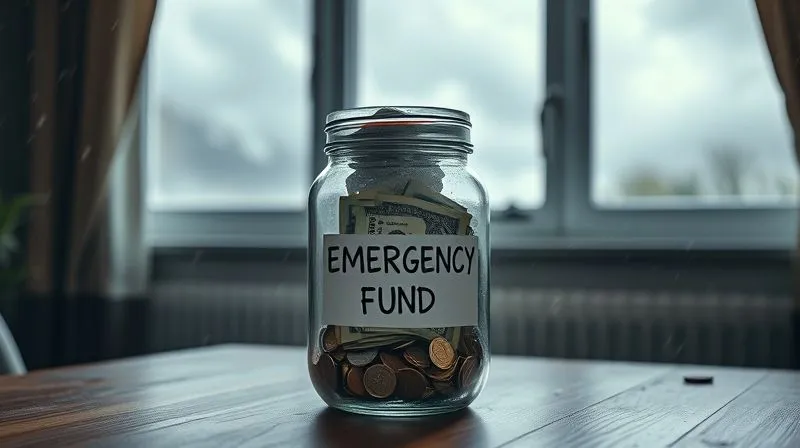
While you're aggressively paying down high-interest debt, it's wise to build a 'mini' emergency fund of $1,000-$2,000 first. This small buffer can prevent you from using credit cards for minor emergencies during your debt-free journey. Once the credit card debt is gone, then focus on fully funding your 3-6 month emergency savings.
Automating Your Path to Freedom: Set It and Forget It
In the demanding world of a professional, time is a precious commodity. The mental bandwidth required to constantly manage payments and track balances can be exhausting. This is where automation becomes your most powerful ally in how to quickly eliminate high-interest credit card debt for professionals.
Set up automatic payments for all your debts, especially the minimum payments. This ensures you never miss a due date, protecting your credit score and avoiding late fees. For the debt you are aggressively attacking (using the avalanche or snowball method), automate an additional, larger payment. For example, if your minimum payment is $100 and you're adding an extra $500, set up an automatic payment for $600 each month. This removes the temptation to spend that extra money and ensures consistent progress.
Many online banking platforms and budgeting apps offer robust automation features. Leverage these tools to streamline your financial life, reduce decision fatigue, and maintain unwavering discipline. By automating your payments, you create a powerful, self-sustaining system that propels you towards debt freedom without requiring constant manual effort.
Mindset Mastery: Overcoming the Psychological Burden of Debt
Eliminating high-interest credit card debt is as much a psychological battle as it is a financial one. The shame, stress, and anxiety associated with debt can be debilitating, particularly for professionals who often feel a heightened pressure to appear successful and in control. Addressing this mental burden is crucial for sustained success.
First, acknowledge that debt is a common challenge, not a personal failing. Many successful individuals have faced similar hurdles. Focus on progress, not perfection. Celebrate small victories—the first card paid off, reaching a major milestone, or even just consistently sticking to your budget. These small wins build momentum and reinforce positive financial habits. Surround yourself with supportive individuals and consider seeking guidance from a financial coach or therapist if the emotional weight becomes too heavy. Remember, your self-worth is not tied to your debt balance.
“Financial freedom is available to everyone, but only to those who are willing to take responsibility for their choices and take action to change their lives.” – Robert Kiyosaki
Cultivating a positive, proactive mindset will transform your debt reduction journey from a daunting chore into an empowering quest for financial liberation. Visualize your debt-free future and hold onto that vision as your guiding star.

Long-Term Financial Fortification: Beyond Debt Elimination
Once you've successfully navigated how to quickly eliminate high-interest credit card debt for professionals, the journey doesn't end there. In fact, it's just the beginning of building a truly resilient and prosperous financial future. The habits and discipline you cultivated during your debt payoff period are invaluable assets for long-term wealth creation.
Your next steps should focus on fortifying your financial position and accelerating your path to financial independence:
- Fully Fund Your Emergency Savings: Revisit and complete your 3-6 month emergency fund.
- Boost Retirement Contributions: Maximize your 401(k), Roth IRA, or other retirement accounts. Take full advantage of employer matches.
- Invest Strategically: Explore diversified investment portfolios tailored to your risk tolerance and goals. Consider index funds, ETFs, or real estate.
- Eliminate Other Debt: Tackle student loans, car loans, or mortgage principal aggressively if it aligns with your financial goals.
- Continuous Financial Education: Stay informed about personal finance trends, investment strategies, and tax planning.
Preventing a relapse into debt is paramount. Maintain your budget, regularly review your financial statements, and be mindful of lifestyle creep. By consistently applying the principles of smart money management, you'll not only stay debt-free but also build substantial wealth over time, securing a future of true financial freedom.
| Phase | Focus | Goal |
|---|---|---|
| 1. Debt Elimination | High-interest credit cards, personal loans | Debt-free, build mini-emergency fund |
| 2. Financial Fortification | Full emergency fund, max retirement contributions | Financial security, compound interest growth |
| 3. Wealth Acceleration | Strategic investments, passive income streams | Financial independence, wealth creation |

Frequently Asked Questions (FAQ)
Question: Should I use my 401(k) to pay off high-interest credit card debt? No, generally this is a last resort and highly discouraged. Withdrawing from your 401(k) before retirement age typically incurs a 10% penalty on top of regular income taxes, and you lose out on significant compound interest growth. While it might seem like a quick fix, the long-term cost is usually far greater than the credit card interest. Explore balance transfers, consolidation loans, or debt management plans first.
Question: How does debt consolidation impact my credit score? Initially, it can cause a temporary dip due to the hard inquiry for the new loan and the closure of old credit accounts. However, if you consistently make on-time payments on the new consolidated loan and reduce your credit utilization, your score will likely improve over time. The key is to manage the new debt responsibly and avoid opening new credit lines.
Question: What if I can't afford the minimum payments on my high-interest credit card debt? This is a serious situation that requires immediate action. Contact your credit card companies directly to explain your situation and request a hardship plan, which might include reduced interest rates or temporary payment deferrals. You could also explore non-profit credit counseling services, which can help negotiate with creditors on your behalf and set up a Debt Management Plan (DMP). Avoid predatory debt relief companies.
Question: Should I pay off student loans or high-interest credit card debt first? Always prioritize high-interest credit card debt. Student loans typically have lower interest rates and more flexible repayment options (like income-driven repayment plans). Credit card interest rates are often exorbitant and can quickly spiral out of control, making them the most financially damaging debt to carry. Tackle the credit cards first, then shift your focus to student loans.
Question: How can I prevent falling back into debt after I've paid everything off? Prevention is key. Maintain a disciplined budget, continue to track your spending, and ensure you have a fully funded emergency savings account. Be vigilant about lifestyle creep and avoid opening new credit cards unnecessarily. Regularly review your financial goals and progress, and consider working with a financial advisor to build long-term wealth and maintain financial discipline.
Key Takeaways and Final Thoughts
Eliminating high-interest credit card debt is a challenging but entirely achievable goal, especially for motivated professionals. It requires a strategic approach, unwavering discipline, and a commitment to transforming your financial habits. Here are the most critical takeaways:
- Conduct a Thorough Financial Audit: Know every dollar in and out, and itemize all your debts with their interest rates.
- Choose a Strategic Payoff Method: The Debt Avalanche is often most financially efficient for high-interest debt, while the Snowball provides psychological wins.
- Leverage Smart Financial Tools: Utilize balance transfers and debt consolidation loans responsibly to lower interest rates and simplify payments.
- Negotiate with Creditors: Don't be afraid to ask for lower interest rates or hardship programs. Your good history can be an asset.
- Optimize Income & Expenses: Beyond cutting small costs, look for significant expense reductions and income-boosting opportunities.
- Build a Robust Emergency Fund: This is your shield against future debt.
- Automate Everything: Set up automatic payments to ensure consistency and reduce mental load.
- Master Your Mindset: Address the psychological burden of debt and celebrate your progress.
Your professional success should not be overshadowed by financial stress. By applying these expert strategies on how to quickly eliminate high-interest credit card debt for professionals, you're not just paying off balances; you're investing in your peace of mind, your future wealth, and your overall well-being. Take the first step today, commit to the process, and watch as you reclaim your financial power and pave the way for true financial freedom.
Recommended Reading
- 7 Steps: How to Recover From an Unexpected FICO Score Drop Quickly
- Beyond Hype: 5 Ethical Screening Criteria That End Greenwashing
- Mastering Institutional Crypto: 7 Steps to Robust Key Management
- 7 Proven Strategies to Minimize Capital Gains Tax on Stock Sales
- Unlock Financial Wisdom: How Consumer Rights Shield Your Literacy





Comments
Leave a comment below. Your email will not be published. Required fields marked with *