



How to Recover From an Unexpected FICO Score Drop Quickly
For over 20 years in the credit and finance industry, I've witnessed the full spectrum of financial anxieties. Few things cause as much immediate stress as logging into your credit monitoring service only to discover an unexpected, significant FICO score drop. It feels like a punch to the gut, instantly bringing up fears about loan approvals, interest rates, and future financial stability.
This sudden dip can be alarming, leaving you confused and wondering what went wrong. It's a common, albeit distressing, experience that can stem from various factors, some within your control and others completely unexpected. The immediate aftermath often involves a frantic search for answers and a desperate need to reverse the damage.
But take a deep breath. In this comprehensive guide, I will share the exact frameworks, actionable steps, and expert insights I've gathered over decades to help you understand precisely what causes these drops and, more importantly, how to recover from an unexpected FICO score drop quickly. We’ll demystify the process and equip you with a clear roadmap to rebuild your score efficiently and effectively.
The Anatomy of a FICO Score Drop: What Happened?
Before you can recover, you need to understand the 'why.' A FICO score is not a static number; it's a dynamic snapshot of your financial health, influenced by five key factors. When one or more of these factors shifts negatively, your score can take a hit.
Understanding the Five Key Factors
FICO scores are calculated based on data from your credit reports, weighted as follows:
- Payment History (35%): Your track record of paying bills on time. Late payments, collections, bankruptcies, or foreclosures are major detractors.
- Amounts Owed / Credit Utilization (30%): How much credit you're using compared to your total available credit. High utilization signals higher risk.
- Length of Credit History (15%): The age of your oldest account, the age of your newest account, and the average age of all your accounts. Longer is generally better.
- New Credit (10%): The number of recently opened accounts and recent credit inquiries. Too many new accounts in a short period can be a red flag.
- Credit Mix (10%): The variety of credit accounts you have (e.g., credit cards, auto loans, mortgages). A healthy mix can be beneficial.
"A FICO score isn't just a number; it's a dynamic reflection of your financial behavior. Understanding its components is the first step toward effective recovery and long-term financial health."
Common triggers for unexpected drops often include a missed payment (even by a day), a significant increase in credit card balances, a new hard inquiry from applying for credit, or an error on your credit report. Sometimes, it's a combination of these factors creating a perfect storm.
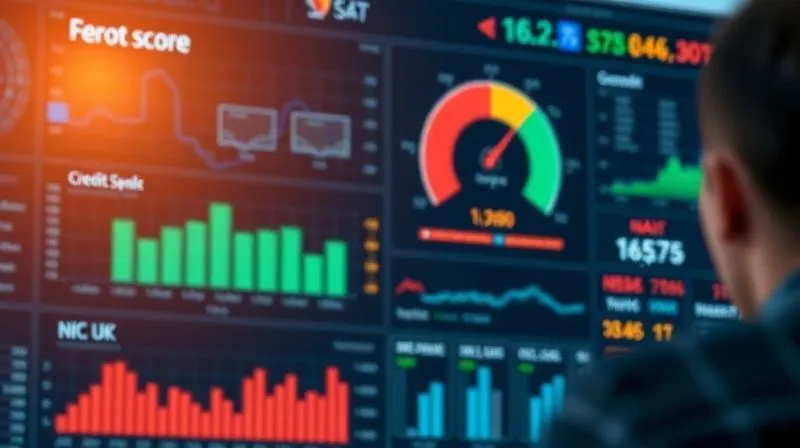
Immediate Action: Checking Your Credit Report for Errors
My first piece of advice to anyone facing a sudden score drop is always the same: check your credit reports immediately. According to a study by the Federal Trade Commission, roughly one in five consumers has an error on at least one of their credit reports. These errors can significantly impact your FICO score and often go unnoticed until a sudden drop occurs.
Accessing Your Reports
You are legally entitled to a free credit report from each of the three major credit bureaus (Experian, Equifax, and TransUnion) once every 12 months. The only authorized source for these free reports is AnnualCreditReport.com. Access all three, as information can vary between them.
Identifying Discrepancies
Once you have your reports, scrutinize every detail. Look for:
- Accounts you don't recognize: This could be identity theft or a mix-up.
- Incorrect late payments: If you paid on time, but it's reported late.
- Incorrect balances or credit limits: These can impact your utilization.
- Duplicate accounts: The same account listed multiple times.
- Incorrect personal information: Though less impactful on score, it needs correcting.
- Outdated negative information: Most negative items should fall off after 7-10 years.
Disputing Errors Effectively
If you find an error, disputing it promptly is crucial. Here's a proven step-by-step process:
- Gather Evidence: Collect any documentation that supports your claim (e.g., bank statements, payment confirmations, canceled checks).
- Contact the Creditor Directly: Sometimes a quick call can resolve simple errors.
- File a Dispute with the Credit Bureau: Send a dispute letter via certified mail with a return receipt requested. Clearly state the error, why it's an error, and include your supporting documentation. Keep copies of everything. The Consumer Financial Protection Bureau (CFPB) offers resources on how to dispute errors.
- Follow Up: Credit bureaus typically have 30 days to investigate your dispute. Follow up to ensure they've received your dispute and are processing it.
- Monitor Changes: Once the error is corrected, your FICO score should reflect the adjustment.
Mastering Credit Utilization: Your Fastest Recovery Lever
In my experience, outside of a major missed payment, a sudden spike in credit utilization is the single most common culprit behind an unexpected FICO score drop. Conversely, it's also your most powerful tool for rapid recovery because it can be influenced relatively quickly.
The 30% Rule (and Why Lower is Better)
Credit utilization refers to the percentage of your available credit that you are currently using. If you have a credit card with a $10,000 limit and a $3,000 balance, your utilization is 30%. While 30% is often cited as a general guideline to stay below, savvy credit users aim for much lower – ideally 10% or even less. Lenders see low utilization as a sign of responsible credit management, indicating you're not overly reliant on borrowed money.
A simple analogy: Imagine a glass of water. If it's nearly full, you might seem thirsty or struggling. If it's mostly empty, you appear to have plenty of resources. Your FICO score works similarly; a mostly 'empty' credit line looks better.
Strategies to Reduce Utilization
Here’s how to bring that utilization down and boost your score:
- Pay Down Balances Aggressively: Focus on paying down your credit card balances as much as possible, especially those with high utilization. Even making multiple payments throughout the month can help, as your utilization is often reported to bureaus at specific times (usually statement closing dates).
- Request a Credit Limit Increase: If you have a good payment history with a card issuer, you can request a credit limit increase. This increases your total available credit, which can immediately lower your utilization percentage, assuming your balance stays the same. Be cautious, as this may involve a hard inquiry.
- Open a New Credit Card (Carefully): This is a more advanced strategy and should only be considered if you have excellent credit otherwise. Opening a new card increases your total available credit, which lowers your overall utilization. However, the hard inquiry and reduction in average age of accounts can initially cause a slight dip. Use this only if you can manage the new credit responsibly and avoid carrying a balance.
- Pay Before the Statement Closes: Many people pay their credit card bill after the statement arrives. However, your utilization is often calculated based on the balance on your statement closing date. By paying down a significant portion of your balance *before* the statement closes, you ensure a lower balance is reported to the credit bureaus.

| Scenario | Credit Limit | Balance | Utilization | FICO Impact |
|---|---|---|---|---|
| High Utilization | $10,000 | $8,000 | 80% | Significant Negative |
| Moderate Utilization | $10,000 | $3,000 | 30% | Neutral to Slight Negative |
| Optimal Utilization | $10,000 | $1,000 | 10% | Positive |
| Post-Recovery Goal | $10,000 | $500 | 5% | Strong Positive |
Payment History: The Foundation of Your FICO Score
Payment history is the most critical factor in your FICO score, accounting for 35% of its calculation. A single late payment can cause a significant drop, especially if it's your first or if your credit history is short. Recovering from this means ensuring impeccable payment behavior going forward.
Setting Up Payment Reminders
The easiest way to prevent future late payments is to automate your financial life. Set up automatic payments for all your bills, especially credit cards and loans. Use calendar alerts, email reminders, or banking apps to give yourself a heads-up a few days before due dates. This simple step can safeguard your score from preventable errors.
Negotiating with Creditors
If you have a recent late payment (e.g., within 30-60 days), it's worth contacting your creditor. Explain the situation honestly and politely, especially if you have a good payment history with them. Ask if they would be willing to remove the late payment from your credit report as a 'goodwill adjustment.' While not guaranteed, it often works, particularly for long-standing customers. For more severe delinquencies, you might explore options like a 'pay for delete' (though this is less common and often not recommended by experts) or a structured payment plan. Resources from financial advisors like those at NFCC.org can offer guidance on negotiating with creditors.
Case Study: Sarah's Late Payment Turnaround
Sarah, a 34-year-old marketing professional, saw her FICO score drop 60 points after a 30-day late payment on her student loan. She was devastated. Acting quickly, she immediately set up automatic payments for all her bills. She then wrote a polite goodwill letter to her student loan servicer, explaining it was an oversight during a stressful period and highlighting her otherwise perfect payment history. To her surprise, after two weeks, the servicer agreed to remove the late payment entry as a one-time courtesy. Within a month, her score rebounded by 55 points, almost fully recovering its lost ground. This demonstrates the power of proactive communication and consistent, timely payments.
Consistency is key. Every on-time payment you make after a late payment helps to dilute its negative impact over time. It shows lenders that the late payment was an anomaly, not a pattern.
Strategic Credit Management: New Credit and Credit Mix
While the immediate focus is on utilization and payment history, strategic management of new credit and your credit mix also plays a role in long-term recovery and score stability. These factors, though smaller in weight, contribute to a robust financial profile.
The Dangers of Opening Too Many New Accounts
Opening several new credit accounts in a short period can be detrimental to your FICO score. Each application typically results in a 'hard inquiry' on your credit report, which can temporarily ding your score by a few points. More importantly, a flurry of new accounts suggests to lenders that you might be in financial distress or are taking on too much new debt, making you a higher risk. Avoid unnecessary credit applications, especially while actively recovering from a score drop.
Diversifying Your Credit Portfolio Responsibly
Your credit mix refers to the different types of credit accounts you have. A healthy mix might include revolving credit (like credit cards) and installment credit (like a car loan or mortgage). While you shouldn't open new accounts solely to improve your mix, if you're already considering a necessary loan (like for a car or home) and are otherwise financially stable, it could eventually benefit your score by showing you can manage different types of debt responsibly. However, this is a long-term play and not a quick fix for an unexpected FICO score drop.
Leveraging Secured Cards and Credit Builder Loans
For those whose FICO score drop was severe, or who have limited credit history, traditional credit products might be hard to obtain. This is where tools like secured credit cards and credit builder loans become invaluable for a structured recovery.
When to Consider a Secured Card
A secured credit card works much like a regular credit card, but it requires a cash deposit that serves as your credit limit. For example, if you deposit $300, your credit limit is $300. This deposit minimizes risk for the lender, making it easier to qualify even with a damaged credit score. As you use the card responsibly and make on-time payments, the issuer reports this activity to the credit bureaus, helping to rebuild your payment history and utilization. After 6-12 months of responsible use, many secured cards can be converted to unsecured cards, and your deposit is returned.
The Power of Credit Builder Loans
A credit builder loan is designed specifically to help you establish or rebuild credit. Unlike a traditional loan where you receive funds upfront, with a credit builder loan, the money you 'borrow' is held in a savings account or certificate of deposit (CD) by the lender. You make regular monthly payments, which are reported to the credit bureaus. Once the loan is fully paid off, you receive access to the funds. It's a forced savings mechanism that simultaneously builds your credit history, showing consistent on-time payments and a responsible credit mix.
Monitoring Your Progress and Staying Vigilant
Recovering from an unexpected FICO score drop is a journey, not a destination. Consistent monitoring and vigilance are crucial to maintain your progress and prevent future setbacks. Think of it as tending to a garden – regular care yields the best results.
Regular Credit Monitoring Services
Many credit card companies and banks offer free FICO score access and basic credit monitoring. Services like Experian, TransUnion, and Equifax also offer their own monitoring tools, often with alerts for significant changes. I highly recommend utilizing these services to keep a close eye on your score and credit report activity. Immediate alerts about new accounts, inquiries, or changes in your score can help you catch potential issues (like identity theft or errors) early, before they cause further damage.
Understanding Score Fluctuations
It's important to remember that FICO scores can fluctuate, sometimes by a few points, month-to-month. Don't panic over minor dips. Focus on the overall trend. If you're consistently making on-time payments, keeping utilization low, and avoiding new debt, your score will generally trend upwards. Recovery takes time and sustained effort. As Investopedia highlights, credit scores are dynamic and reflect ongoing financial behavior.
| Action | Timeline | Expected Impact |
|---|---|---|
| Check Credit Reports | Immediately | Identify errors, prevent further damage |
| Reduce Credit Utilization | 1-2 months | Significant, rapid score boost |
| Ensure On-Time Payments | Ongoing | Foundational for long-term growth |
| Dispute Errors | 30-45 days (after filing) | Score correction, accuracy |
| Monitor Credit Regularly | Ongoing | Early detection of issues, sustained improvement |

Frequently Asked Questions (FAQ)
Question? How long does it typically take to recover from an unexpected FICO score drop quickly?
Answer: The recovery timeline largely depends on the cause and severity of the drop. If it's due to a correctable error or high credit utilization that you can quickly pay down, you might see significant improvement in 1-3 months. For issues like a 30-day late payment, it might take 6-12 months of consistent on-time payments to dilute its impact. More severe issues like collections or bankruptcies can take several years, but even then, proactive steps can mitigate the damage.
Question? Should I close old credit card accounts to improve my score?
Answer: Generally, no. Closing old accounts, especially those with no annual fees, can actually hurt your score. It reduces your total available credit, which can increase your credit utilization ratio. Furthermore, it shortens your average length of credit history, another factor in your FICO score. It's usually better to keep old accounts open, even if you don't use them frequently, as long as they don't have annual fees or pose a temptation to overspend.
Question? Can requesting a credit limit increase hurt my score?
Answer: It depends. If the issuer performs a 'hard inquiry' to evaluate your request, it will cause a slight, temporary dip in your score (usually 3-5 points). However, if approved, the increased limit will lower your credit utilization, which can lead to a net positive impact on your score over time. If they do a 'soft inquiry' (which doesn't affect your score), there's no downside. Always ask your issuer if they will perform a hard or soft inquiry before requesting an increase.
Question? What's the difference between a FICO score and a VantageScore?
Answer: Both are credit scoring models, but they use different algorithms and weighting. FICO (Fair Isaac Corporation) is the most widely used scoring model by lenders (over 90%), making it the industry standard. VantageScore is a newer model developed by the three major credit bureaus. While both aim to predict creditworthiness, their scores can differ, and lenders typically rely more on FICO. When you're trying to recover from an unexpected FICO score drop quickly, focus on the factors that impact FICO specifically.
Question? Is it true that checking my own credit score hurts it?
Answer: No, checking your own credit score or your own credit report (known as a 'soft inquiry') does not hurt your FICO score. You can check your scores and reports as often as you like without any negative impact. Only 'hard inquiries' made by lenders when you apply for new credit affect your score.
Recommended Reading
- Signs of Elder Financial Exploitation: Protect Your Loved Ones
- Crypto Trading Fees: Are They Eating Into Your Profits?
- 7 Proven Strategies: Mitigate Advanced Mobile Banking Fraud Risks Now
- Unlock Smart Savings: The Ultimate Guide to Cutting Vacation Food Costs
- Stop Cash Flow Crises: Your Adapted Envelope Budget Blueprint?
Main Points and Final Considerations
An unexpected FICO score drop can be unsettling, but it's rarely irreversible. As someone who has guided countless individuals through these financial challenges, I've seen firsthand that informed, proactive steps can lead to significant recovery, often more quickly than people anticipate. The key is to act strategically and consistently.
- Identify the Cause: Immediately check your credit reports for errors and pinpoint the reason for the drop.
- Prioritize Utilization: Aggressively pay down credit card balances to reduce your credit utilization ratio. This is often the fastest way to boost your score.
- Ensure Perfect Payment History: Set up reminders and automatic payments to prevent any future late payments, which are the most damaging.
- Dispute Errors: Don't let inaccuracies linger; dispute them promptly and effectively with the credit bureaus.
- Monitor Consistently: Regularly check your credit reports and scores to track progress and catch new issues early.
- Consider Rebuilding Tools: If necessary, leverage secured credit cards or credit builder loans to establish or re-establish positive credit.
Remember, your credit score is a reflection of your financial journey, and setbacks can happen. What truly matters is how you respond to them. By applying the expert strategies outlined here, you're not just fixing a number; you're building healthier financial habits that will serve you for years to come. Stay diligent, stay informed, and you will see your FICO score rebound and strengthen.





Comments
Leave a comment below. Your email will not be published. Required fields marked with *