



What Risks Are Not Covered by Umbrella Policy? Unveiling the Gaps
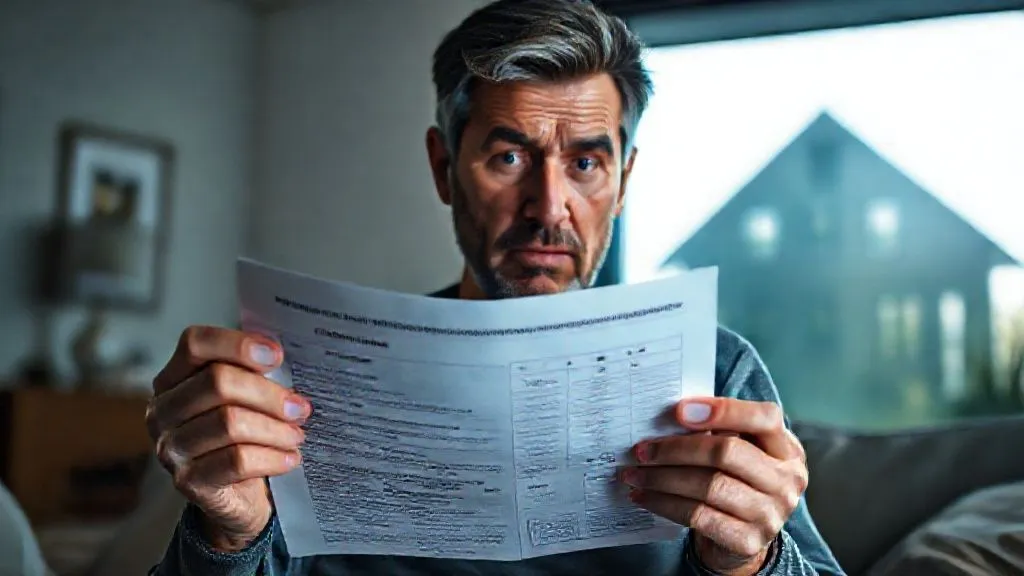
Imagine a sturdy, wide-brimmed umbrella, meticulously designed to shield you from the fiercest storms. You bought it, believing it offered complete protection from the financial downpour of unexpected lawsuits. Many people hold this precise belief about their personal umbrella insurance policies – that they are an impenetrable shield against any liability claim. However, this perception, while comforting, often overlooks crucial nuances that can leave significant portions of your financial well-being exposed.
The pressing question then becomes: Is your umbrella truly as comprehensive as you think? What happens when the storm hits from an angle your umbrella wasn't designed to cover? Understanding the inherent limitations of this powerful insurance product is not just a matter of curiosity; it's a critical step in fortifying your personal finances against unforeseen legal liabilities that could devastate your assets.
This definitive guide will pull back the curtain, meticulously detailing what risks are not covered by umbrella policy, exploring the common misconceptions, and providing actionable insights to help you identify and address potential gaps in your overall risk management strategy. By the end of this reading, you will possess the clarity needed to ensure your financial shelter is truly robust, not just seemingly so.
Understanding the Scope of Your Umbrella Policy
Before delving into what an umbrella policy doesn't cover, it's essential to grasp its fundamental purpose and what it typically does protect. An umbrella insurance policy is a type of personal liability insurance that provides additional coverage beyond the limits of your underlying home, auto, and other personal liability policies. Its primary function is to kick in when the liability limits of those primary policies are exhausted, offering an extra layer of financial protection against large claims and lawsuits.
For instance, if you're found responsible for a multi-million dollar car accident and your auto insurance maxes out at $500,000, your umbrella policy could cover the remaining balance, up to its own multi-million dollar limit. It also often provides broader coverage for certain claims that might not be covered by your underlying policies, such as libel, slander, or false arrest, provided they are not intentional acts.
However, the key phrase here is "personal liability." Umbrella policies are designed to protect your personal assets from claims arising from accidental bodily injury or property damage to others, or specific personal offenses. They are not a catch-all solution for every financial risk you might encounter. Their boundaries are defined by the very nature of liability and the specific exclusions written into the policy contract.
Core Exclusions: What an Umbrella Policy Will Never Cover
Despite their broad reach, umbrella policies come with specific, fundamental exclusions that are largely consistent across different insurers. These are the risks that an umbrella policy is simply not designed to cover, regardless of the circumstances. Understanding these core exclusions is paramount to avoiding dangerous assumptions about your coverage.
Intentional Acts and Criminal Behavior
One of the most significant and universal exclusions in an umbrella policy relates to intentional acts. If you intentionally cause harm or damage, your umbrella policy, like most insurance policies, will not provide coverage. This includes assault, battery, libel, or slander if they are proven to be deliberate acts intended to cause harm. Similarly, any liability arising from criminal activities or illegal acts committed by the policyholder is explicitly excluded. Insurance is designed to protect against unforeseen accidents and negligence, not premeditated wrongdoing.
For example, if you intentionally punch someone, leading to their injury and a lawsuit, your umbrella policy will not cover the resulting medical bills or legal defense costs. The same applies if you are found liable for damages resulting from a criminal act you committed.
Business-Related Liabilities
A personal umbrella policy is strictly for personal liabilities. It does not extend to liabilities arising from business activities, professional services, or any commercial enterprises you own or operate. This is a common misconception, especially for individuals who run side businesses or are self-employed. For business-related risks, you would need commercial general liability (CGL) insurance, professional liability (Errors & Omissions) insurance, or other specialized business policies.
- Commercial Operations: If you own a small shop, a consulting firm, or even a home-based business, any liability stemming from its operations – a customer slipping in your store, a product defect, or professional advice gone wrong – falls outside the scope of your personal umbrella.
- Professional Malpractice: Doctors, lawyers, accountants, consultants, and other professionals require specific professional liability (malpractice) insurance to cover claims arising from errors or omissions in their professional services. Your personal umbrella will not cover these claims.
- Employer Liability: Claims made by employees, such as wrongful termination, discrimination, or workplace injury, are covered by Employment Practices Liability Insurance (EPLI) or Workers' Compensation, not a personal umbrella.
Personal Property Damage (Your Own)
An umbrella policy is designed to protect you from liability for damage you cause to others' property or injuries you inflict upon others. It does not cover damage to your own property. For instance, if your house burns down, your homeowners insurance would cover the damage, but your umbrella policy would not. Similarly, if your car is damaged in an accident, your auto insurance's collision coverage (if you have it) would apply, not your umbrella policy.
This distinction is crucial: liability insurance protects against what you owe others, while property insurance protects your own assets. An umbrella policy simply extends the liability portion of your underlying policies, it does not add property coverage.
Specific Professional Malpractice
While mentioned briefly under business liabilities, it bears repeating: professional malpractice is a distinct category of risk that a personal umbrella policy will not touch. This is because professional services come with unique, specialized liabilities that require highly specific coverage. A doctor's misdiagnosis, a lawyer's faulty advice, or an architect's design flaw are all examples of professional malpractice that necessitate dedicated professional liability insurance. Your personal umbrella policy, no matter how large, will not provide a safety net for these types of claims.
Exotic Risks and High-Risk Activities
Many umbrella policies contain exclusions for liabilities arising from certain high-risk or unusual activities. While policies vary, common exclusions might include:
- Aviation: Liability arising from the ownership or operation of aircraft.
- Watercraft: Liability from certain large or high-powered watercraft (though some policies may offer limited coverage for smaller boats or require underlying watercraft policies).
- Recreational Vehicles: Depending on the type and usage, some RVs or ATVs might require separate underlying policies, and the umbrella might not extend if the primary policy is insufficient or non-existent for specific risks.
- War or Nuclear Events: These catastrophic events are almost universally excluded from all standard insurance policies, including umbrellas.
- Illegal Substances: Any liability connected to the sale, distribution, or use of illegal drugs.
It's vital to review your specific policy documents or consult with your insurance agent if you engage in any activities that could be considered high-risk to ensure you understand any potential exclusions.
The Overlap and Gaps with Underlying Policies
An umbrella policy is designed to sit on top of your existing insurance policies, acting as an excess layer. However, it's not a magic bullet that fixes all deficiencies in your underlying coverage. In fact, its effectiveness is intrinsically linked to the adequacy of those primary policies. If your underlying policies have significant gaps or insufficient limits, the umbrella might not provide the seamless protection you anticipate.
Auto Insurance Limitations
Your umbrella policy typically requires you to maintain a certain level of liability coverage on your auto insurance. If you fall below these required underlying limits, your umbrella policy might not respond fully, or it might require you to pay the difference between your underlying limit and the required limit before it kicks in. Furthermore, certain auto-related risks might not be covered:
- Racing or Stunt Driving: Liability arising from participation in professional or amateur racing or stunt driving events is almost always excluded.
- Vehicle Used for Commercial Purposes: As mentioned, if you use your personal vehicle for ride-sharing (e.g., Uber, Lyft) or delivery services, your personal auto policy and thus your umbrella policy will likely exclude liability arising from those commercial activities. You would need specific commercial auto insurance or ride-share endorsements.
- Uninsured/Underinsured Motorist (UM/UIM) Coverage: While some umbrella policies may offer an endorsement for UM/UIM, it's not standard. UM/UIM protects you if you're injured by a driver who doesn't have enough insurance. An umbrella policy primarily covers your liability to others, not your own injuries.
Homeowners Insurance Gaps
Similar to auto insurance, your homeowners policy must meet certain underlying liability limits for your umbrella to function correctly. Beyond that, there are specific scenarios where your homeowners policy, and consequently your umbrella, might not provide coverage:
- Mold or Fungi: Many homeowners policies have strict limitations or exclusions for mold-related claims, especially if the mold results from poor maintenance or neglect. If the underlying policy excludes it, the umbrella won't cover it either.
- Lead Paint: Liability arising from lead paint exposure, particularly in rental properties, can be excluded or limited.
- Pollution/Contamination: Environmental pollution or contamination liability is typically excluded from personal policies.
- Certain Animal Bites: While many homeowners policies cover dog bites, some have breed-specific exclusions or may deny claims if the dog has a history of aggression. If your homeowners policy denies a claim, your umbrella won't step in unless it offers specific broader coverage for that scenario, which is rare for such underlying exclusions.
- Short-Term Rentals: If you rent out your home or a portion of it on platforms like Airbnb or VRBO, your standard homeowners policy (and thus your umbrella) may not cover liabilities arising from those commercial activities. You'd need a specific short-term rental endorsement or commercial landlord policy.
Navigating the Nuances: Common Misconceptions and Edge Cases
The complexity of insurance policies often leads to misunderstandings about what they cover. Let's address some common misconceptions regarding what risks are not covered by umbrella policy.
- Myth: My umbrella covers my own medical bills.
Reality: No. An umbrella policy is a liability policy, meaning it covers injuries or damages you cause to others. Your own medical bills would be covered by your health insurance. - Myth: It covers all property damage, even to my own things.
Reality: As discussed, an umbrella policy only covers damage you cause to others' property. It does not cover damage to your own home, car, or personal belongings. - Myth: It covers business losses or professional errors.
Reality: Absolutely not. Personal umbrella policies are distinct from business or professional liability insurance. Any claim related to your business operations or professional services requires separate commercial policies. - Myth: It's a substitute for underlying insurance.
Reality: An umbrella policy is designed to supplement, not replace, your underlying home and auto liability coverage. It requires you to maintain a certain level of primary insurance. - Edge Case: Directors and Officers (D&O) Liability: If you serve on the board of a non-profit organization, your personal umbrella policy might offer some limited D&O coverage, but it's often not comprehensive enough for significant exposures. For-profit D&O is definitely excluded. It's crucial to understand the non-profit's D&O policy and your personal umbrella's specific language.
- Edge Case: Rental Properties: While your personal umbrella might extend some liability coverage to a rental property you own, especially if it's a single-family home, it's often recommended to have a separate landlord policy. The personal umbrella's coverage for rental properties can be limited, particularly for multi-unit dwellings or properties with commercial aspects.
Understanding these nuances helps to paint a clearer picture of the umbrella's true protective reach. According to the Insurance Information Institute, umbrella policies are a crucial part of a comprehensive financial plan, but they are not a silver bullet for every potential liability. Learn more about umbrella insurance from the Insurance Information Institute.
Proactive Steps: Identifying Your Coverage Gaps
Given that certain risks are not covered by umbrella policy, how can you ensure you're adequately protected? It requires a proactive approach to risk assessment and a thorough review of your existing policies.
- Review Your Current Policies: Gather all your insurance policies: auto, homeowners, boat, RV, landlord, and any specialized policies. Understand the liability limits and, more importantly, the exclusions in each. Your umbrella policy's exclusions often mirror or build upon these.
- Assess Your Lifestyle and Activities: Consider your personal activities and hobbies. Do you engage in high-risk sports? Do you own exotic animals? Do you volunteer for organizations? Do you have unique assets or liabilities? Each of these could introduce specific risks that might fall outside standard coverage.
- Evaluate Any Business Ventures: If you have any side hustles, freelance work, or full-fledged businesses, no matter how small, understand that your personal umbrella likely provides zero coverage for these. Seek advice from a commercial insurance broker.
- Consult with a Trusted Insurance Professional: This is perhaps the most critical step. An experienced independent insurance agent can help you identify potential gaps based on your unique circumstances. They can review your entire insurance portfolio, explain complex exclusions, and recommend specialized policies or endorsements to fill any identified voids. They can also help you understand what risks are not covered by umbrella policy in your specific policy language.
- Consider Specialized Policies or Endorsements: If you have specific exposures, such as owning a classic car, a large boat, or unique collectibles, you might need specialized policies that can then be scheduled under your umbrella, or simply provide their own comprehensive coverage. For example, if you frequently rent out your home, a short-term rental endorsement or separate landlord policy is essential.
Taking these steps allows you to move from passive assumption to active management of your personal liability risks. It ensures that the "umbrella" you rely on is not just broad, but also deep enough to cover the specific storms you might encounter.
Frequently Asked Questions (FAQ)
Does an umbrella policy cover punitive damages? Generally, umbrella policies may cover punitive damages if they are legally insurable in the state where the claim occurs and are not excluded by the policy. However, coverage for punitive damages can vary significantly by state law and specific policy language.
Will an umbrella policy cover me if I'm sued for defamation on social media? A personal umbrella policy may offer coverage for claims of libel or slander (defamation) if they are unintentional. However, if the defamation is proven to be an intentional act, or if it arises from a business context (e.g., you're a professional blogger), it would likely be excluded.
Are liabilities from rental properties always excluded from an umbrella policy? Not always, but coverage is often limited. A personal umbrella policy might extend some liability coverage to a single-family rental property you own. However, for multi-unit dwellings, commercial rental properties, or short-term rentals (like Airbnb), a separate landlord policy or commercial policy is typically required for adequate protection, as the personal umbrella's coverage will be insufficient or explicitly excluded.
Does an umbrella policy cover medical expenses for my family if we get injured? No, an umbrella policy is a liability policy that covers bodily injury or property damage you cause to others. It does not cover medical expenses for you or your family members; that falls under your health insurance coverage.
Can an umbrella policy cover me for a business I operate from home? No, a personal umbrella policy will not cover liabilities arising from any business activities, even if it's a home-based business. You would need a separate commercial general liability policy or a business owner's policy (BOP) for that.
Recommended Reading
- Mastering Finance for Rapid Small Business Growth: Your Ultimate Guide
- Unlock Profit: How AI Financial Automation Benefits Your Small Business
- Cracking the Code: Why Do Global Financial Crises Recur So Often?
- Unmasking the Arsenal: What Government Policies Combat Global Recession?
- Build Credit on a Budget: Your Ultimate Guide (Even with Low Income)
Conclusion
While a personal umbrella insurance policy is an indispensable component of a robust financial protection strategy, it is not an all-encompassing shield. Understanding what risks are not covered by umbrella policy is as crucial as knowing what it does cover. From intentional acts and business liabilities to damage to your own property and highly specialized risks, the umbrella has defined boundaries. Recognizing these limitations allows you to proactively identify potential gaps in your overall insurance portfolio and take steps to address them, whether through specialized policies, endorsements, or a strategic discussion with a trusted insurance professional. Don't wait for the storm to reveal your vulnerabilities; ensure your financial shelter is truly comprehensive and resilient against every potential downpour.




Comments
Leave a comment below. Your email will not be published. Required fields marked with *