Is Your Credit Health Lagging? 7 Proven Fixes & Expert Insights
Is your credit health suffering? Discover 7 expert-backed strategies to mend and fortify your financial standing. Uncover actionable steps and real-world insights to build a stronger credit future today.
Is Your Credit Health Lagging? 7 Proven Fixes & Expert Insights
Understanding and Fortifying Your Credit Health: An Expert's Perspective
For nearly two decades, I've had the privilege of guiding countless individuals through the intricate world of personal finance. One consistent truth I've observed is that while many aspire to financial stability, they often overlook a cornerstone of that foundation: their credit health.
The problem is often not a lack of effort, but a lack of precise, actionable knowledge. People are often told to 'improve their credit score,' but rarely given a holistic framework for understanding, building, and maintaining robust credit health. This can lead to missed opportunities, higher interest rates, and unnecessary financial stress.
In this definitive guide, I will draw upon my extensive experience to demystify credit health. We'll explore not just the 'what,' but the 'why' and, most importantly, the 'how.' You'll gain access to proven strategies, real-world case studies, and a clear, step-by-step framework to transform your credit health, paving the way for a more secure financial future.
What Exactly is Credit Health and Why Does it Matter So Much?
When I talk about credit health, I'm referring to more than just a single number, like your FICO score. It's a comprehensive assessment of your financial reliability and your ability to manage debt responsibly. Think of your credit score as the vital signs, and your credit health as the overall well-being of your financial circulatory system.
Beyond the Score: A Holistic View
Your credit health encompasses several factors: your payment history, the amount of debt you carry, the length of your credit relationships, the types of credit you use, and how often you seek new credit. A high credit score is a strong indicator of good credit health, but true health also means understanding the factors behind that score and actively managing them. It's about building sustainable habits, not just chasing a number.
The Ripple Effect: How Credit Health Impacts Your Life
The impact of your credit health extends far beyond just getting a loan. I've seen firsthand how it influences everything from renting an apartment or qualifying for a mortgage to securing better rates on car insurance, and even, in some cases, employment opportunities. A robust credit profile signals to lenders, landlords, and even potential employers that you are a reliable and trustworthy individual.
In my experience, strong credit health is not just about financial access; it's about financial freedom. It opens doors and significantly reduces the cost of living by securing you the best terms on everything from credit cards to major purchases.
According to data from the FICO organization, which developed the most widely used credit scoring model, even a moderate improvement in your score can save you thousands of dollars over the lifetime of a mortgage or car loan. This isn't just theory; it's tangible financial benefit.
Decoding Your Credit Report: The Foundation of Good Credit Health
Before you can improve your credit health, you must first understand its current state. Your credit report is the detailed historical record that forms the basis of your credit score. It's like a financial autobiography, detailing every credit account you've ever held.
A photorealistic close-up of a person's hands meticulously reviewing sections of a complex credit report document, highlighting key figures and dates with a pen. Professional photography, 8K, cinematic lighting, sharp focus on the document, depth of field blurring the background, shot on a high-end DSLR.
Your First Step: Accessing and Reviewing Your Credit Reports
The law entitles you to a free copy of your credit report from each of the three major credit bureaus (Equifax, Experian, and TransUnion) once every 12 months. This is a crucial, non-negotiable step.
Visit AnnualCreditReport.com: This is the only official, government-authorized website for free credit reports. Be wary of look-alike sites.
Request Reports from All Three Bureaus: Don't just check one. Discrepancies between reports are common, and each bureau may have slightly different information.
Review Meticulously: Go through every account, every payment history, and every personal detail. Look for inaccuracies, accounts you don't recognize, or incorrect payment statuses.
Document Everything: If you find errors, note them down precisely, including the account number, the nature of the error, and the bureau it appeared on.
I've seen countless individuals discover errors – from incorrect balances to fraudulent accounts – that were silently dragging down their credit health. An error on your report is costing you money.
Disputing Errors: Taking Action
If you find an error, you have the right to dispute it. Each credit bureau has a formal dispute process, usually available online or via mail. Provide all supporting documentation you have. The bureau is legally obligated to investigate and correct any inaccuracies within a specified timeframe, typically 30-45 days.
The 5 Pillars of a Robust Credit Score: My Proven Framework
Understanding the factors that contribute to your credit score is fundamental to improving your credit health. FICO, the most widely used scoring model, breaks it down into five key categories. I often refer to these as the '5 Pillars' because neglecting any one of them can weaken your entire financial structure.
Payment History (35%): This is the most critical factor. Paying your bills on time, every time, is paramount. Late payments, collections, bankruptcies, and foreclosures have a severe negative impact.
Amounts Owed (30%): This refers to your credit utilization ratio – the amount of credit you're using compared to your total available credit. Keeping this ratio low (ideally below 30%) is crucial.
Length of Credit History (15%): The longer your accounts have been open and in good standing, the better. This demonstrates your long-term reliability.
New Credit (10%): Opening too many new credit accounts in a short period can signal risk to lenders. Each 'hard inquiry' can slightly lower your score temporarily.
Credit Mix (10%): Having a healthy mix of different types of credit (e.g., installment loans like mortgages or car loans, and revolving credit like credit cards) can positively impact your score.
Focusing on these five pillars provides a clear roadmap. Don't get distracted by minor details until you've shored up these foundational elements. It's about building strength from the ground up.
The Federal Trade Commission (FTC) provides comprehensive educational materials on these factors and how they are weighed in credit scoring models.
Actionable Strategies for Improving Your Credit Health Today
Knowing the pillars is one thing; actively working on them is another. Here are the actionable strategies I've seen yield the most significant improvements in credit health.
Mastering Payment Discipline
Your payment history is the single most influential factor. There's no magic bullet here; consistency is key.
Set Up Auto-Payments: For all your recurring bills – credit cards, loans, utilities. Even minimum payments on time are better than missed payments.
Use Payment Reminders: If auto-pay isn't an option, leverage calendar alerts, banking apps, or simple sticky notes to ensure you never miss a due date.
Prioritize High-Impact Debts: Focus on credit cards and loan payments first. Utility bills, while important, typically don't impact your credit score unless they go to collections.
Negotiate with Creditors: If you're facing a temporary hardship, contact your creditors *before* you miss a payment. They may offer hardship programs, deferred payments, or altered payment plans.
Optimizing Credit Utilization
This is the second most impactful factor. Keeping your balances low relative to your credit limits is vital.
Pay Down Balances: Aim to pay off your credit card balances in full each month. If that's not possible, strive to keep your utilization below 30% on each card and overall.
Make Multiple Payments: Instead of one large payment at the end of the billing cycle, consider making smaller payments throughout the month. This can keep your reported balance lower, especially if your credit card reports to the bureaus mid-cycle.
Request Credit Limit Increases: If you have a good payment history, asking for a credit limit increase can lower your utilization ratio, *provided you don't increase your spending*.
Avoid Closing Old Accounts: While tempting to simplify, closing old, paid-off credit cards can reduce your total available credit, thereby increasing your utilization ratio.
A photorealistic visual metaphor of balanced scales. On one side, a stack of credit cards and a small pile of debt symbols. On the other side, a larger pile of cash and a 'debt reduction' symbol, perfectly balanced. Professional photography, 8K, cinematic lighting, sharp focus on the scales, depth of field blurring the background, shot on a high-end DSLR.
Addressing Derogatory Marks
Negative items like late payments, collections, or charge-offs can linger for years. While time is the ultimate healer, proactive steps can help.
Dispute Errors: As discussed, immediately dispute any inaccurate negative marks on your credit report.
Pay for Delete (P4D): For collection accounts, you might negotiate with the collection agency to remove the negative entry from your credit report in exchange for full payment or a settlement. Get this agreement in writing before paying.
Goodwill Letters: For isolated late payments, you can send a 'goodwill letter' to the original creditor, explaining the circumstances and politely requesting they remove the late payment from your report. This is not guaranteed but can sometimes work, especially if you have an otherwise stellar payment history.
Patience is not just a virtue; it's a necessity in credit repair. Significant improvements rarely happen overnight. Consistent, disciplined action over several months is the true path to strong credit health.
Case Study: From Credit Crisis to Financial Confidence
I want to share a composite story, based on many clients I've worked with, to illustrate how these strategies can transform a challenging credit situation. Let's call her Sarah.
Case Study: How Sarah Restored Her Credit Health
Sarah, a 34-year-old marketing professional, found herself in a credit crisis after a period of unemployment and unexpected medical expenses. Her credit score had plummeted to 550, she had two credit cards maxed out, and a small medical bill had gone to collections. She felt trapped, unable to secure a reasonable interest rate for a much-needed car loan.
Here's how she turned her credit health around:
Credit Report Audit: Sarah pulled her reports and found an old, incorrect address and a collection account that was erroneously reported on two bureaus instead of one. She immediately disputed these.
Payment Plan & Debt Snowball: She secured a new job and, with my guidance, created a strict budget. She focused on making minimum payments on her maxed-out credit cards and then aggressively paid off the smaller medical collection first (using the 'debt snowball' method).
Secured Credit Card: To rebuild positive payment history, Sarah opened a secured credit card with a small deposit. She used it for a single, recurring bill (like a streaming service) and paid it off in full every month.
Credit Limit Increase (No Spending Increase): After 12 months of flawless payments on her existing credit cards and the secured card, she requested a credit limit increase on her oldest, lowest-balance card. This boosted her overall available credit and lowered her utilization ratio without increasing her debt.
Over 18 months, Sarah's dedication paid off. Her credit score steadily climbed, reaching a respectable 710. She secured her car loan at a competitive interest rate, saving her thousands. This journey wasn't quick, but it was a testament to consistent, informed action.
Month
Credit Score
Key Actions
0 (Start)
550
Pulled reports, disputed errors, budgeted
6
605
Paid off collection, opened secured card, consistent payments
12
660
Continued payments, low utilization on secured card
Advanced Tactics for Elevating Your Credit Profile
Once you've mastered the fundamentals, there are additional strategies you can employ to further enhance your credit health and optimize your score.
The Power of a Credit Mix
Lenders like to see that you can responsibly manage different types of credit. A healthy credit mix typically includes both revolving credit (like credit cards) and installment loans (like a car loan, student loan, or mortgage). If your credit profile is heavily skewed towards one type, consider cautiously diversifying.
Small Installment Loan: A credit-builder loan from a local credit union can be an excellent way to add an installment loan to your mix without taking on significant debt. The funds are typically held in a savings account until the loan is paid off.
Secured Loan: Similar to a secured credit card, a secured loan (e.g., against a savings account) can help build positive payment history for an installment account.
Becoming an Authorized User Strategically
If you have a trusted family member with excellent credit and a long history, they might add you as an authorized user on one of their credit cards. Their positive payment history and low utilization can then appear on your credit report, giving your score a boost. This should be done with extreme caution and only with someone you implicitly trust, as their mismanagement could also impact you.
Secured Cards and Credit-Builder Loans
I mentioned these in Sarah's case study, but they bear repeating as powerful tools for those with thin or poor credit files. They require a deposit, making them less risky for lenders, and allow you to demonstrate responsible credit behavior that gets reported to the bureaus.
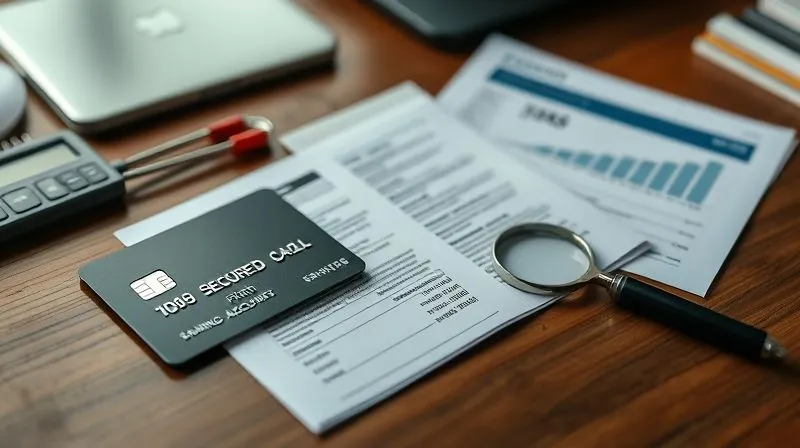
A photorealistic arrangement of diverse financial tools and documents: a sleek secured credit card, a small, official-looking loan document with a signature line, a savings account passbook, and a credit score report showing an upward trend, all neatly organized on a polished wooden desk. Professional photography, 8K, cinematic lighting, sharp focus on the tools, depth of field blurring the background, shot on a high-end DSLR.
Monitoring and Protecting Your Credit Health: Vigilance is Key
Building strong credit health is an ongoing process, not a one-time fix. Continuous monitoring is essential to protect your progress and quickly identify any issues.
Regular Credit Report Checks
As mentioned, you're entitled to free reports annually. I recommend staggering them – pull one from Equifax in January, Experian in May, and TransUnion in September. This allows you to review your credit profile periodically throughout the year without cost.
Many credit card companies and banks now offer free credit monitoring services that alert you to significant changes in your credit report, such as new accounts being opened or hard inquiries. While not a substitute for reviewing your full report, these alerts can be an early warning system for potential fraud or identity theft.
Fraud Alerts and Credit Freezes
If you suspect identity theft or want to proactively protect your credit, consider placing a fraud alert or a credit freeze on your reports. A fraud alert requires creditors to take extra steps to verify your identity before extending new credit. A credit freeze completely restricts access to your credit report, preventing new accounts from being opened in your name (though it also prevents you from opening new accounts without temporarily lifting the freeze).
Common Credit Health Myths Debunked
The world of credit is rife with misinformation. As an expert, I've heard countless myths that can derail efforts to improve credit health. Let's set the record straight on a few common ones:
Myth: Closing old, paid-off credit accounts is good for your score. Fact: This is often detrimental. Closing an old account reduces your total available credit, which can increase your credit utilization ratio. It also shortens your average credit history, another negative factor.
Myth: Carrying a small balance on your credit card helps your score. Fact: While having *some* reported activity is good, you don't need to pay interest to show activity. Paying your balance in full each month is ideal. Carrying a balance only costs you money in interest and can increase your utilization.
Myth: Checking your own credit score hurts it. Fact: Checking your own score (a 'soft inquiry') has no impact on your credit score. Only 'hard inquiries' from lenders when you apply for new credit can slightly lower your score.
Myth: All debt is bad for your credit. Fact: Responsible debt management, including a healthy mix of installment and revolving credit paid on time, actually builds good credit. It's irresponsible debt (late payments, high utilization) that harms it.
Myth: You need to pay for a credit repair service to fix bad credit. Fact: While some legitimate services exist, everything you need to do to improve your credit health can be done yourself for free or minimal cost. Many credit repair companies charge high fees for actions you can easily take.
Never let a common misconception steer you off course. Always seek information from reputable sources or a trusted financial advisor when it comes to your credit health.
Frequently Asked Questions (FAQ)
How long does it typically take to significantly improve my credit health?The timeframe varies based on your starting point and the severity of negative items. Minor improvements can be seen in a few months, but truly significant changes (e.g., moving from 'poor' to 'good' credit) often take 6-18 months of consistent, disciplined effort. Derogatory marks like bankruptcies can impact your score for up to 7-10 years, though their impact lessens over time.
Should I consolidate my debts to improve my credit score?Debt consolidation can be a useful tool for managing debt, but its impact on your credit score isn't always straightforward. It can simplify payments and potentially lower interest rates, which is good for your financial health. However, if it involves opening a new loan, it could temporarily lower your score due to a hard inquiry. The key is to address the underlying spending habits to prevent accumulating new debt after consolidation.
Does getting married combine my credit score with my spouse's?No, credit scores and credit reports are individual. Marriage does not merge them. However, if you open joint accounts or become an authorized user on each other's cards, those accounts will appear on both reports and impact both scores. It's crucial for couples to discuss and manage their credit health together.
What's the difference between a FICO score and a VantageScore?Both are widely used credit scoring models, but they use slightly different algorithms and scales. FICO (Fair Isaac Corporation) is the oldest and most commonly used by lenders. VantageScore is a newer model developed jointly by the three major credit bureaus. While the specific numbers may differ, they generally move in the same direction based on your underlying credit behavior. Focus on your overall credit health, and both scores will improve.
If I have student loans, how do they impact my credit health?Student loans are installment loans and, when paid on time, contribute positively to your credit mix and payment history. Missing payments, however, can severely damage your credit health. If you're struggling with student loan payments, explore deferment, forbearance, or income-driven repayment options before defaulting.
Key Takeaways and Final Thoughts
Navigating the world of credit can feel overwhelming, but building and maintaining excellent credit health is an achievable goal for everyone. It requires understanding, discipline, and consistent action. Remember these core principles:
Prioritize On-Time Payments: This is the single most impactful factor.
Manage Credit Utilization: Keep balances low relative to your limits.
Monitor Your Reports: Regularly check for errors and signs of fraud.
Be Patient and Persistent: Credit improvement is a marathon, not a sprint.
Educate Yourself: Dispel myths and rely on trusted sources for information.
Your credit health is a dynamic reflection of your financial habits. By implementing the strategies and insights I've shared, you're not just improving a number; you're building a stronger financial foundation that will support your goals, reduce your costs, and grant you greater financial freedom. Take that first step today, and commit to nurturing your credit health – your future self will thank you for it.
I'm self-taught, passionate about writing, and driven by the desire to understand the world — one subject at a time. I've dived into copywriting, SEO, and content production, all hands-on. This blog is where I bring all the pieces together. If you're also the curious type, you'll feel right at home.
Comments
Leave a comment below. Your email will not be published. Required fields marked with *











Comments
Leave a comment below. Your email will not be published. Required fields marked with *