



Why is my excellent professional credit suddenly plummeting? Unraveling the Mystery
For over two decades in the intricate world of business finance and credit, I’ve witnessed countless businesses, from thriving startups to established enterprises, experience the jarring shock of a suddenly plummeting professional credit score. It's a scenario that often catches even the most diligent business owners off guard, leaving them questioning what went wrong when everything seemed to be running smoothly.
The feeling of bewilderment and frustration when you see your meticulously built financial reputation crumble without an obvious cause can be deeply unsettling. You’ve worked hard to maintain excellent relationships with vendors, paid your bills on time, and managed your cash flow diligently. Yet, inexplicably, your professional credit, which is often a cornerstone of your operational capabilities, takes an unexpected nosedive.
In this definitive guide, I will draw upon my extensive experience to demystify this perplexing problem. We’ll explore the often-overlooked culprits behind a sudden drop in your professional credit, provide actionable frameworks to diagnose the issue, and equip you with expert insights and practical strategies to not only halt the decline but also to robustly rebuild and safeguard your business’s financial future. You'll learn not just what happened, but precisely how to fix it.
The Foundation: Understanding Professional Credit and Its Unseen Vulnerabilities
Before we delve into the reasons why your excellent professional credit might be suddenly plummeting, it's crucial to solidify our understanding of what professional or business credit truly entails. Unlike personal credit, which focuses on an individual's financial behavior, business credit assesses a company’s ability to manage its financial obligations independently. It’s a separate financial identity that dictates your access to capital, favorable payment terms with suppliers, and even insurance premiums.
Key business credit bureaus like Dun & Bradstreet, Experian Business, and Equifax Business compile comprehensive reports and assign scores (e.g., D&B PAYDEX, Experian Intelliscore Plus) based on various factors. These include payment history, credit utilization, public records, and the age of your credit accounts. A strong professional credit score is a testament to your business's financial health and reliability, opening doors to growth and stability.
"Your business credit score is more than just a number; it's the financial DNA of your enterprise. Neglecting it, even inadvertently, can have profound and far-reaching consequences that ripple through every aspect of your operations, from securing a new line of credit to negotiating better terms with your most critical suppliers."
What many business owners don't realize is that this seemingly robust system has unseen vulnerabilities. Factors that might seem minor, or even entirely unrelated to your day-to-day operations, can trigger a significant and sudden decline. Identifying these subtle shifts is the first step toward recovery.
Hidden Culprit #1: Unreported Payment Delays & Vendor Relations
One of the most common yet frequently overlooked reasons why professional credit can suddenly plummet stems from payment delays that you might not even be fully aware are being reported. While you might be meticulously paying your major creditors like banks and large suppliers on time, smaller vendors or those with less sophisticated reporting mechanisms can sometimes be the source of the problem.
Many businesses rely on a diverse network of suppliers, and not all of them report payment data to the major credit bureaus immediately or consistently. However, a late payment, even if rectified quickly, can eventually make its way onto your report, especially if the vendor decides to escalate collection efforts or changes their reporting practices. This becomes particularly problematic if you have a high volume of transactions with many different vendors.
- Delayed Reporting: A payment made 15-30 days late, even if it's an isolated incident, can negatively impact your PAYDEX score.
- Tier 2/3 Vendors: Smaller suppliers might not report consistently, but a single negative report can still hurt.
- Disputed Invoices: Even if a payment is withheld due to a dispute, if not resolved amicably, it can appear as a late payment.
- Automated System Glitches: Technical issues with payment processing or accounting software can cause inadvertent delays.
Actionable Steps: Proactive Vendor Payment Management
- Regular Vendor Audit: Periodically review your vendor list. Identify which ones report to credit bureaus and prioritize their payments.
- Confirm Reporting Practices: Don't assume all vendors report. Inquire about their payment reporting policies, especially for new relationships.
- Automate Payments Strategically: Use automated payment systems for critical vendors, but ensure you have sufficient funds to cover them.
- Communicate Proactively: If a payment will be late, inform the vendor immediately and provide an expected payment date. Good communication can sometimes prevent negative reporting.
- Verify Invoices Promptly: Address any invoice discrepancies or disputes well before the due date to avoid payment delays.
Hidden Culprit #2: Increased Debt Burden & Utilization Ratios
Just like personal credit, your professional credit score is highly sensitive to your credit utilization ratio. This refers to the amount of credit you're currently using compared to the total credit available to your business. A sudden increase in this ratio, even if you’re making payments on time, can trigger a significant drop in your score. Lenders view high utilization as an indicator of increased financial risk, suggesting your business might be over-leveraged or overly reliant on credit.
This situation often arises when a business takes on new lines of credit, maxes out existing business credit cards for expansion, or faces unexpected operational costs. While these actions might be necessary for growth or survival, the immediate impact on your credit score can be detrimental if not managed carefully. Your business credit utilization should ideally remain below 30% to maintain an excellent score, though lower is always better.
According to a recent Forbes Advisor report on business credit scores, credit utilization is one of the most heavily weighted factors. Businesses often focus solely on timely payments, overlooking the impact of how much credit they are actually using. A surge in short-term borrowing, even if temporary, can send a red flag to credit bureaus.
| Credit Line | Limit | Current Balance | Utilization | Impact |
|---|---|---|---|---|
| Business Credit Card A | $50,000 | $15,000 | 30% | Neutral |
| Business Credit Card B | $20,000 | $18,000 | 90% | Negative |
| Line of Credit | $100,000 | $70,000 | 70% | Negative |
| Vendor Credit | $10,000 | $2,000 | 20% | Positive |
This table illustrates how specific credit lines can contribute to your overall utilization. Even if one line is low, another high-utilization account can drag down your aggregate score.
Hidden Culprit #3: Undetected Errors on Your Credit Report
It might sound obvious, but inaccuracies on your business credit report are a more prevalent issue than many realize, and they can be a primary reason why your excellent professional credit is suddenly plummeting. Credit bureaus process millions of data points daily, and mistakes can happen. These errors can range from incorrect payment statuses and duplicate accounts to fraudulent activities that you’re completely unaware of.
I've personally guided clients through situations where a single clerical error by a lender or a misidentification of a similar business caused significant damage to their credit profile. These errors can linger for months or even years, silently eroding your score until you proactively discover and dispute them. Regular monitoring is not just a best practice; it's a critical defense mechanism for your business's financial health.

Actionable Steps: Identifying and Disputing Credit Report Errors
- Obtain Reports Regularly: Pull your business credit reports from all major bureaus (Dun & Bradstreet, Experian, Equifax) at least annually, or more frequently if you suspect an issue. Some services offer continuous monitoring.
- Scrutinize Every Detail: Check for incorrect company information, accounts that aren't yours, inaccurate payment statuses, and outdated public records (e.g., old liens that have been satisfied).
- Gather Supporting Documentation: Collect any evidence that proves the error, such as canceled checks, payment confirmations, or letters from creditors.
- Initiate a Formal Dispute: Contact the credit bureau directly in writing, providing all supporting documentation. Follow their specific dispute process. Also, consider contacting the creditor who reported the incorrect information.
- Follow Up Diligently: Credit disputes can take time. Keep detailed records of all communications and follow up regularly until the error is corrected.
For official guidance on disputing errors, refer to resources from reputable organizations like the Consumer Financial Protection Bureau (CFPB), which, while focused on personal credit, provides a strong framework for understanding dispute rights.
Hidden Culprit #4: Changes in Business Structure or Ownership
The legal and ownership structure of your business plays a significant role in how your credit is established and maintained. A sudden change, such as a merger, acquisition, divestiture, or even a transition from a sole proprietorship to a corporation, can have an immediate and often surprising impact on your professional credit score. This is particularly true if the new structure involves changes in legal entity or tax ID (EIN).
When a business undergoes a significant structural change, credit bureaus may view this as a 'new' entity, or they may struggle to seamlessly transfer the historical credit data. This can lead to a temporary dip as the new entity establishes its own credit profile, or it could be more severe if the transition isn't managed meticulously. Furthermore, if a new owner has a less favorable credit history, or if personal guarantees are involved, the ripple effect can be felt across the business's credit.
Case Study: How TechInnovate Navigated a Merger Without Credit Damage
TechInnovate, a mid-sized software development firm, acquired a smaller competitor, Alpha Solutions. Initially, TechInnovate saw a concerning dip in its D&B PAYDEX score. Their mistake was not proactively communicating the merger details to their major creditors and credit bureaus. The combined entity's financial data temporarily appeared fragmented, and some accounts were incorrectly flagged as new.
I advised TechInnovate to immediately:
- Notify all major creditors: Explicitly inform them of the merger, providing new EINs and legal names.
- Update credit bureau profiles: Directly contact Dun & Bradstreet, Experian, and Equifax to ensure the new entity's information was correctly linked to the historical payment data of both companies.
- Monitor diligently: For the next 6-12 months, monitor all credit reports weekly for any discrepancies.
By taking these proactive steps, TechInnovate saw its credit score stabilize and then rebound within three months, largely due to the successful integration of credit histories and the prevention of negative reporting during the transition period. This resulted in maintaining favorable lending terms and supplier relationships.
Hidden Culprit #5: Economic Downturns & Industry-Specific Shocks
Sometimes, the reasons why your excellent professional credit is suddenly plummeting are far beyond your direct control, rooted in broader economic shifts or specific challenges within your industry. Credit bureaus often incorporate macro-economic data and industry risk factors into their scoring models. If your industry faces a significant downturn, even if your individual business is performing well, your risk profile might be elevated.
For example, a sudden surge in bankruptcies within a specific sector, a major supply chain disruption, or a general economic recession can lead to a re-evaluation of risk across the board. Lenders and credit bureaus might tighten their standards or adjust their algorithms, impacting businesses that were previously considered low-risk. This is particularly relevant in volatile sectors like hospitality, travel, or certain manufacturing segments during times of global uncertainty.
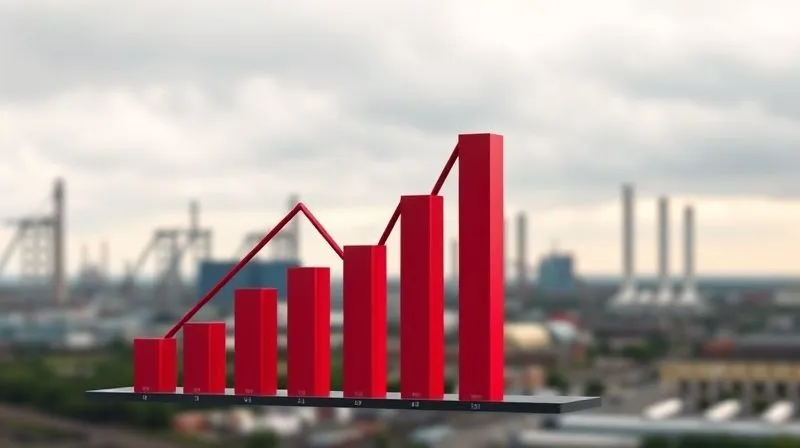
While you cannot control market forces, understanding their potential impact allows for proactive mitigation strategies. This might involve diversifying your client base, strengthening your cash reserves, or securing longer-term financing before market conditions deteriorate. The Federal Reserve's economic reports can offer valuable insights into broader trends that might affect your industry.
Hidden Culprit #6: Personal Credit Bleed-Through (Especially for Small Businesses)
While professional and personal credit are distinct, for many small and medium-sized businesses, there's a significant bleed-through effect that can cause your excellent professional credit to suddenly plummet. This is particularly true if you operate as a sole proprietorship, partnership, or if you've personally guaranteed business loans and credit lines.
Lenders often look at the personal credit history of business owners, especially for newer or smaller businesses, as an indicator of financial responsibility. If your personal credit score takes a hit due to factors like missed personal loan payments, high personal credit card utilization, or even a personal bankruptcy, it can directly or indirectly affect your business's creditworthiness. This is because many business credit products require a personal guarantee, linking your personal financial health to that of your business.
- Personal Guarantees: Many business loans and lines of credit require a personal guarantee, making your personal credit directly relevant.
- Shared Accounts: Using personal credit cards for business expenses blurs the lines and can negatively impact both.
- New Business Formation: When establishing business credit, lenders often assess the owner's personal credit history.
- Character Assessment: Even without a direct link, a poor personal credit score can signal a higher risk to potential lenders or partners.
Maintaining a strong personal credit score is therefore not just a personal matter; it's a strategic business imperative. Regular monitoring of your personal credit report is just as important as monitoring your business's, especially if you have significant personal guarantees tied to your business operations.
Hidden Culprit #7: Inactive or Dormant Credit Lines
This is a counterintuitive reason why your excellent professional credit might be suddenly plummeting, but it's a scenario I've observed frequently. While it seems logical that not using credit would be a good thing, dormant or inactive credit lines can sometimes negatively impact your score. Credit bureaus and lenders prefer to see active, well-managed credit relationships. A lack of recent activity makes it harder for them to assess your current creditworthiness.
If your business has several credit lines that you rarely or never use, these accounts might eventually be closed by the lender, or they simply won't contribute positively to your payment history. A sudden closure of an old, established line of credit could reduce your overall available credit, thereby increasing your utilization ratio on remaining active accounts, even if your actual debt hasn't changed. This can lead to an unexpected drop in your score.
"An active, responsibly managed credit history is far more valuable than a pristine, unused one. Lenders want to see how you handle debt, not just that you can avoid it. A healthy credit profile is dynamic, reflecting consistent, positive financial behavior over time."
My advice is always to keep a few key business credit lines active, even if you only make small purchases and pay them off immediately. This demonstrates ongoing responsible credit management and keeps your credit file robust and up-to-date.
Proactive Strategies to Safeguard Your Professional Credit
Understanding the "why" is only half the battle. The true value lies in implementing proactive strategies to prevent future drops and build a resilient credit profile. Here are key strategies I recommend to all my clients:

- Regular Credit Monitoring: Subscribe to business credit monitoring services from all three major bureaus. Set up alerts for any significant changes or inquiries. This is your early warning system.
- Diversify Credit Relationships: Don't rely on just one or two creditors. Establish relationships with multiple vendors and financial institutions. This builds a broader credit history.
- Maintain Low Utilization: Always aim to keep your overall business credit utilization below 30%, ideally even lower. Pay down balances frequently, not just once a month.
- Establish Net-30 Accounts: Open and consistently pay Net-30 vendor accounts. These are often reported to credit bureaus and build positive payment history.
- Separate Personal and Business Finances: From day one, ensure a clear distinction between personal and business finances. Use dedicated business bank accounts, credit cards, and legal structures.
- Professional Credit Counseling: If you're overwhelmed or facing complex issues, don't hesitate to seek expert advice. A seasoned credit counselor can provide tailored strategies.
- Build Strong Banking Relationships: Your primary bank can often be a source of valuable credit and financial advice. Maintain a positive relationship and communicate your financial needs.
By integrating these practices into your regular financial management, you move from a reactive stance to a proactive one, ensuring that your business credit remains a strong asset, not a source of unexpected stress.
Frequently Asked Questions (FAQ)
How often should I check my business credit report? I recommend checking your business credit report from all three major bureaus (Dun & Bradstreet, Experian, Equifax) at least quarterly. If your business is undergoing rapid growth, significant changes, or you've recently applied for new credit, monthly checks are advisable. Many services offer monitoring and alerts, which are invaluable for staying on top of any changes.
Can closing old credit lines hurt my score? Yes, surprisingly, closing old, established credit lines can sometimes negatively impact your score. It reduces your total available credit, which can increase your credit utilization ratio on remaining accounts. Furthermore, older accounts contribute to the length of your credit history, a factor that positively influences your score. I generally advise keeping old, unused credit lines open, perhaps making small, occasional purchases and paying them off immediately, to maintain activity and preserve your credit history length.
What's the fastest way to improve a plummeting score? The fastest way to improve a plummeting score typically involves two key actions: first, immediately addressing any outstanding late payments or collection accounts by paying them off or negotiating a settlement. Second, significantly reducing your credit utilization on all active credit lines. Paying down large balances quickly demonstrates financial responsibility and can often provide a noticeable boost in a relatively short period. Also, ensure all reported errors are disputed promptly.
Does personal credit always affect business credit? While distinct, personal credit often influences business credit, especially for small businesses, startups, or when a personal guarantee is required for business loans and lines of credit. Lenders use personal credit as a proxy for your financial responsibility when business credit history is thin or less established. As your business credit matures and becomes robust, the reliance on personal credit typically diminishes, but it rarely disappears entirely, particularly for privately held companies.
When should I seek professional credit counseling? You should consider seeking professional credit counseling if you're feeling overwhelmed by your business's credit challenges, if your score has dropped significantly without a clear cause, or if you're struggling to implement effective recovery strategies on your own. A specialist can provide an unbiased assessment, identify hidden issues, and develop a customized action plan, potentially saving you significant time and financial resources in the long run.
Key Takeaways and Final Thoughts
Discovering why your excellent professional credit is suddenly plummeting can be a daunting experience, but it’s rarely an insurmountable challenge. As we've explored, the reasons are often multifaceted, ranging from subtle operational oversights and unexpected reporting delays to broader economic shifts and even errors that are beyond your immediate control.
- Proactive Monitoring is Non-Negotiable: Regular checks of all major business credit reports are your first line of defense.
- Manage Utilization Diligently: Keep debt utilization low across all accounts to signal financial health.
- Address Errors Immediately: Don't let inaccuracies silently erode your score; dispute them promptly and persistently.
- Understand the Interplay: Recognize how vendor relations, structural changes, and even personal finances can impact your business credit.
- Embrace Strategic Action: Implement proactive strategies for payment management, credit diversification, and continuous financial health.
Your business’s credit score is a dynamic entity, a reflection of its ongoing financial journey. By adopting a vigilant, informed, and proactive approach, you not only address the immediate crisis of a plummeting score but also fortify your business against future financial shocks. Remember, every challenge is an opportunity to strengthen your financial foundations. Take these insights, act decisively, and restore your business to its rightful position of financial strength and reliability.
Recommended Reading
- 7 Steps: Stop Missing SaaS Bills, Boost Budget Accuracy Now
- 7 Proven Strategies: Preventing Capital Erosion in Volatile Markets
- Carbon Border Taxes: 5 Ways They'll Reshape Global Trade Agreements
- 7 Proven Strategies to Minimize Capital Gains Tax on Stock Sales
- Pro Sabbatical: Budgeting Your Year-Long Backpacker Journey



Comments
Leave a comment below. Your email will not be published. Required fields marked with *