



What to do when market volatility erodes HNW client trust?
For over two decades in wealth management, I've navigated countless market storms. One universal truth remains: the true test of a client-advisor relationship isn't during the bull runs, but when the seas get rough. I’ve seen firms with robust portfolios falter because they failed to manage the human element – the anxiety, the fear, the erosion of trust.
The current landscape of unprecedented market volatility presents a significant challenge for financial advisors. High-Net-Worth (HNW) clients, accustomed to growth and stability, often react with heightened concern when their portfolios experience significant drawdowns. This isn't just about numbers; it’s about their life savings, their legacy, their future security.
This article isn't about predicting the next market move; it's about providing you with a definitive, actionable framework to not just weather the storm, but to emerge with stronger, more resilient client relationships. We'll explore expert strategies, behavioral finance insights, and practical communication tactics to rebuild and fortify trust when market volatility erodes HNW client trust.
Understanding the Roots of HNW Client Distrust During Volatility
When markets turn volatile, HNW clients often feel a profound sense of vulnerability. This isn't merely about financial loss; it triggers deeper psychological responses related to control, security, and even identity. Their trust, often built over years of steady performance, can quickly unravel if their anxieties are not addressed with empathy and expertise.
From my experience, the core issues stem from a perceived lack of control, fear of the unknown, and a natural human bias towards loss aversion. Clients may question the strategies they once approved, doubt the expertise of their advisors, and even feel a sense of betrayal if their expectations of wealth preservation aren't immediately met. It's crucial to understand these underlying emotional drivers.
“Trust is the bedrock of wealth management. In volatile times, it's not the market that breaks it, but often the failure to acknowledge and address client fears with transparency and conviction.”
Understanding these psychological triggers is the first step in formulating an effective response. It allows us to move beyond simply reciting market data and instead, engage with the client on a more profound, human level.

Proactive Communication: The Cornerstone of Trust Reinforcement
In times of market turbulence, silence is a firm's worst enemy. Proactive, consistent, and empathetic communication is paramount. Waiting for clients to call you with concerns is a reactive approach that signals uncertainty and can exacerbate their anxieties. You must be the steady hand they seek.
I advise my mentees to adopt a 'front-foot' communication strategy:
- Initiate Contact Immediately: Don't wait for the client to reach out. Acknowledge the market conditions and express your understanding of their potential concerns. A quick, personalized email or call can make a significant difference.
- Provide Context, Not Just Data: Explain *why* the market is behaving as it is, but more importantly, contextualize their portfolio's performance within their long-term financial plan. Remind them of the strategy’s rationale.
- Be Empathetic and Reassuring: Acknowledge their feelings. Phrases like, 'I understand this can be unsettling...' or 'Many clients are feeling this way...' validate their emotions and build rapport.
- Outline Your Action Plan (or Non-Action Plan): Clearly articulate what steps, if any, you are taking or why the current strategy remains appropriate. This demonstrates control and thoughtful consideration.
- Offer Opportunities for Deeper Discussion: Always invite them to schedule a more in-depth conversation to address specific concerns.
According to a study by Harvard Business Review, customers value proactive service and clear communication, especially during crises. This principle holds particularly true for HNW wealth management.
Transparent Reporting & Performance Contextualization
Transparency is not just about showing the numbers; it's about explaining them in a way that aligns with the client's long-term goals and risk profile. When market volatility erodes HNW client trust, raw performance figures can be alarming. Your role is to provide crucial context.
Here’s how to enhance transparency and contextualization:
- Beyond Absolute Returns: Present performance not just in absolute terms, but relative to appropriate benchmarks and, critically, against their individual financial objectives. Did the portfolio outperform its peer group? Is it still on track for their retirement goals despite a dip?
- Emphasize Diversification and Risk Management: Remind clients of the inherent diversification within their portfolio. Explain how different asset classes are designed to perform under varying market conditions and how risk mitigation strategies are functioning.
- Highlight Long-Term Perspective: Use historical data to illustrate how markets have recovered from past downturns. Show how staying invested has historically yielded superior long-term results compared to panicked selling. This reinforces the 'time in the market' principle.
- Simplify Complex Concepts: Avoid jargon. Use clear, concise language to explain market movements and portfolio adjustments. Visual aids can be incredibly helpful here.
Case Study: Phoenix Wealth Management's Q1 Volatility Response
Phoenix Wealth Management, a firm specializing in multi-generational HNW families, faced significant client anxiety during a sharp market correction. Instead of just sending standard quarterly reports, they implemented a 'Contextual Performance Review' initiative. Advisors proactively scheduled brief video calls to walk clients through their reports, focusing on:
- Individualized Goal Tracking: How the portfolio, despite the dip, was still positioned for their specific goals (e.g., funding a grandchild's education, legacy planning).
- Diversification in Action: Explaining which asset classes provided downside protection and why.
- Historical Resilience: Sharing anonymized data on how similar portfolios recovered in past downturns.
This personalized approach significantly reduced client calls expressing panic and, within six months, their client retention rate during the downturn was 15% higher than the industry average, demonstrating the power of proactive, contextual communication.
| Metric | Before Strategy | After Strategy |
|---|---|---|
| Client Inquiries (Post-Volatility) | +40% | -15% |
| Client Retention (6-month post) | 88% | 95% |
| Average Client AUM Growth (post-recovery) | 5% | 7.2% |
Realigning Portfolios with Evolving Client Risk Tolerance
Market volatility has a unique way of revealing a client's *true* risk tolerance, which often differs from their stated risk tolerance during stable periods. When market volatility erodes HNW client trust, it’s imperative to revisit and potentially realign their portfolio strategy.
I've often found that clients who claimed to be 'aggressive' during a bull market suddenly find their risk appetite significantly diminished when faced with real losses. This is a critical moment for advisors to:
- Re-evaluate Risk Tolerance: Conduct a thorough, empathetic discussion about their current comfort level with risk. Use quantitative and qualitative assessments. Ask open-ended questions about their sleep patterns, their concerns, and their future outlook.
- Adjust as Necessary, with Education: If a client's risk tolerance has genuinely shifted, be prepared to adjust their portfolio. However, this must be done with clear explanations of the long-term implications of de-risking during a downturn (e.g., locking in losses, missing future recovery).
- Focus on Outcomes, Not Just Returns: Shift the conversation from 'what did my portfolio lose?' to 'is my portfolio still on track to achieve X goal?' This reframes the discussion around their life objectives.
- Illustrate Trade-offs: Clearly show the impact of any proposed changes. For example, reducing equity exposure might lower short-term volatility but could also reduce long-term growth potential. Transparency here is key.
Remember, your fiduciary duty extends to ensuring their portfolio aligns with their *current* financial and emotional capacity for risk, not just their historical declarations. This builds profound trust.
Personalized Engagement: Moving Beyond Generic Advice
HNW clients expect and deserve highly personalized service. Generic market commentaries, while informative, won't suffice when their personal wealth is under pressure. When market volatility erodes HNW client trust, the solution lies in deeply individualized engagement.
Here’s how to elevate personalization:
- Understand Their Unique 'Why': Go beyond financial goals. What drives them? Is it legacy, philanthropy, a specific business venture, or simply peace of mind? Tailor your communication and advice to these deeper motivations.
- Segment Client Communication: Not all HNW clients are the same. Segment them based on their risk profile, age, liquidity needs, and specific concerns. A retired client will have different needs than a young entrepreneur.
- Tailor Solutions: Don't offer a one-size-fits-all solution. Present options that are specifically designed for their unique situation, explaining the pros and cons of each in the context of their personal circumstances.
- Anticipate Needs: Leverage your deep understanding of their financial situation and life events to anticipate potential concerns before they even voice them. For example, if a client is nearing retirement, proactively address how market downturns might impact their income stream.
As marketing guru Seth Godin often emphasizes, true connection comes from understanding and serving the individual, not the masses. This principle is never more vital than in wealth management during volatile times.
Leveraging Technology for Enhanced Client Experience and Insight
Technology, often seen as a cold tool, can be a powerful enhancer of trust and personalization when wielded correctly. It provides efficiency, transparency, and deeper insights that can help when market volatility erodes HNW client trust.
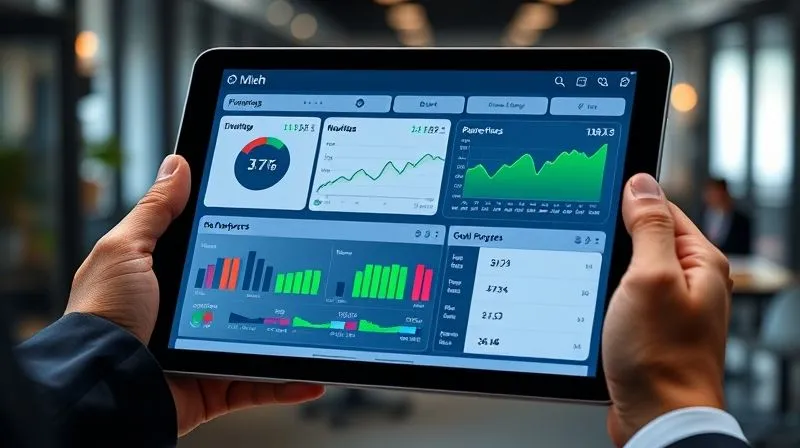
Consider these technological applications:
- Interactive Client Portals: Provide secure, user-friendly portals where clients can view their portfolio, track progress towards goals, access educational resources, and communicate directly with their advisor. Ensure these portals offer clear, easy-to-understand visualizations.
- Behavioral Finance Tools: Utilize tools that help assess and understand client behavioral biases. These can inform more effective communication strategies and help clients make more rational decisions during emotional periods.
- Personalized Video Updates: Instead of generic emails, consider sending short, personalized video messages during significant market events. This adds a human touch and allows for more nuanced communication.
- Advanced Analytics for Proactive Insights: Use data analytics to identify clients who might be most vulnerable to market swings based on their portfolio composition, historical behavior, or recent interactions. This enables hyper-targeted proactive outreach.
- Digital Document Signing & Secure Communication: Streamline administrative tasks and ensure all communications are secure, fostering confidence in your firm's operational integrity.
The goal isn't to replace human interaction, but to augment it, making interactions more informed, efficient, and ultimately, more valuable for the client.
Educating and Empowering Clients Through Market Cycles
An informed client is a more confident client. Education is a powerful tool to demystify market volatility and empower HNW clients to make rational decisions, rather than succumb to panic. This is crucial when market volatility erodes HNW client trust.
My approach involves a multi-faceted educational strategy:
- Webinars and Workshops: Host exclusive online sessions for HNW clients, featuring experts discussing market outlooks, behavioral finance, and long-term investing principles. Make these interactive, allowing for Q&A.
- Curated Content: Share articles, whitepapers, and videos from reputable sources (and your own firm) that explain market cycles, the benefits of diversification, and the importance of a long-term perspective. Ensure the content is digestible and relevant.
- One-on-One Explanations: During individual meetings, take the time to explain complex financial concepts in simple terms. Use analogies and visual aids to illustrate points, such as comparing market cycles to seasons or a well-diversified portfolio to a balanced ecosystem.
- Focus on 'What Can Be Controlled': Empower clients by shifting their focus from uncontrollable market movements to controllable aspects like their financial plan, savings rate, and asset allocation.
This educational effort transforms clients from passive recipients of information into active participants in their financial journey, fostering a deeper understanding and appreciation for your guidance.
Building a Culture of Empathy and Long-Term Partnership
Ultimately, rebuilding and maintaining trust during volatile times hinges on the culture of your firm. It's about fostering an environment where every team member understands the profound impact of market events on HNW clients' lives. This empathetic culture is paramount when market volatility erodes HNW client trust.
To cultivate such a culture:
- Lead by Example: As a leader, demonstrate empathy and a client-first mindset in all your interactions. Your team will follow suit.
- Training and Development: Provide continuous training for advisors and support staff on client psychology, empathetic communication techniques, and crisis management. Role-playing scenarios can be particularly effective.
- Team Collaboration: Encourage advisors to share best practices and insights on how they're successfully navigating client concerns. A collective approach strengthens the entire firm's response.
- Celebrate Client Successes (Beyond Returns): Acknowledge and celebrate instances where your advice helped a client maintain calm or achieve a non-financial goal despite market headwinds. This reinforces the value of your partnership.
- Long-Term Vision: Consistently reinforce the firm's commitment to long-term client success, extending beyond short-term market fluctuations. This helps align client expectations with the firm's enduring mission.
A firm that genuinely cares and actively demonstrates that care through its actions will invariably build stronger, more enduring relationships, even when faced with the most challenging market conditions. This commitment to partnership is what truly differentiates a firm in the eyes of an HNW client.
Frequently Asked Questions (FAQ)
Question? My HNW client is demanding we sell everything and move to cash. How do I respond without alienating them?
Answer: This is a common and understandable reaction driven by fear. First, validate their concern. Say, 'I completely understand why you're feeling this way, and many clients share similar anxieties right now.' Then, pivot to a data-driven, long-term perspective. Show them historical data on market recoveries and the detrimental impact of attempting to 'time the market.' Present a clear analysis of what moving to cash would mean for their long-term goals and how it could lock in losses and miss future growth. Offer a partial, tactical adjustment if it genuinely aligns with a re-evaluated risk tolerance, but always emphasize the importance of sticking to a well-considered long-term plan. Schedule a follow-up to reinforce the message.
Question? How often should I be communicating with HNW clients during extreme volatility? Is there a risk of over-communicating?
Answer: During extreme volatility, it's almost impossible to over-communicate, provided your communication is valuable, concise, and empathetic. I recommend a multi-layered approach: a brief firm-wide update (email/video) after significant market events, followed by personalized outreach to your most vulnerable clients. For others, a proactive check-in every 1-2 weeks might be appropriate. The key is quality over quantity; ensure each touchpoint offers genuine insight or reassurance, rather than just repeating news. Always offer an open invitation for deeper discussion, letting the client dictate the intensity of follow-up.
Question? My HNW client is comparing my performance to a friend's advisor who seemingly did better in the downturn. How do I manage this?
Answer: This is where personalized context is crucial. First, acknowledge their concern. Then, gently remind them that direct comparisons are often misleading without knowing the friend's specific risk profile, investment objectives, and underlying portfolio composition. Emphasize that your strategy is tailored exclusively to their unique goals and risk tolerance. Reiterate your investment philosophy and how it aligns with their long-term plan. If appropriate and ethical, you could discuss different investment mandates (e.g., growth vs. capital preservation) and how these might perform differently in various market conditions. Focus on your fiduciary duty to *them*.
Question? What role does a financial plan play when clients are panicking about portfolio losses?
Answer: The financial plan is your anchor in the storm. When market volatility erodes HNW client trust, the plan provides a critical reference point. It shifts the conversation from short-term market noise to long-term objectives. Remind clients of their original goals and how the current portfolio was designed to achieve them over time. Show them that even with a temporary dip, the plan's underlying assumptions (e.g., long-term return expectations, savings rates) may still hold true. It reinforces that their wealth management strategy is goal-driven, not market-driven, offering a powerful psychological comfort and a rational basis for staying the course.
Question? Should I adjust my fee structure or offer discounts during prolonged downturns to retain HNW clients?
Answer: This is a sensitive issue. While the immediate impulse might be to offer discounts, it can inadvertently signal a lack of confidence in your value proposition or imply that your fees are negotiable based on market performance. Instead, focus on demonstrating value through enhanced service, proactive communication, and clear explanations of how your expertise is navigating the downturn. If a client explicitly raises fee concerns, address them transparently, explaining how your comprehensive service (planning, tax advice, estate planning, behavioral coaching) extends beyond mere investment returns. In rare, extreme cases, a temporary, highly individualized adjustment might be considered, but it should be an exception, not a rule, and framed carefully to maintain your perceived value.
Key Takeaways and Final Thoughts
- Proactive Empathy: Anticipate client fears and communicate proactively with genuine understanding.
- Contextual Transparency: Beyond raw numbers, explain performance within the lens of their unique goals and long-term plans.
- Revisit Risk: Use volatility as an opportunity to re-evaluate and realign their true risk tolerance.
- Personalization is Power: Tailor communication and solutions to individual client needs and deeper motivations.
- Educate and Empower: Help clients understand market cycles and focus on what they can control.
- Leverage Tech Wisely: Use technology to enhance transparency, communication, and efficiency, not replace human touch.
- Culture of Care: Instill an empathetic, client-centric culture throughout your firm.
Navigating market volatility is an inherent part of wealth management. When market volatility erodes HNW client trust, it presents a challenge, but also a profound opportunity to deepen relationships. By embracing these strategies, you won't just retain clients; you'll forge stronger, more resilient partnerships built on unwavering trust and mutual understanding. Be the calm in their storm, and your firm will not only survive but thrive.
Recommended Reading
- Beyond IRR: 7 Ways to Evaluate Private Equity Fund Performance
- Mis-Sold Complex Investments? 7 Steps to Secure Financial Redress
- Boost NIM: 7 Strategies for Banks in Volatile Rate Environments
- 7 Urgent Steps: How to Quickly Raise Your Credit for a High-Value Mortgage
- What's My Business's Liability if Customers Fall for Financial Scams? 5 Legal Shields





Comments
Leave a comment below. Your email will not be published. Required fields marked with *