


What to Do When Car Breaks Down No Money? Your Urgent Guide
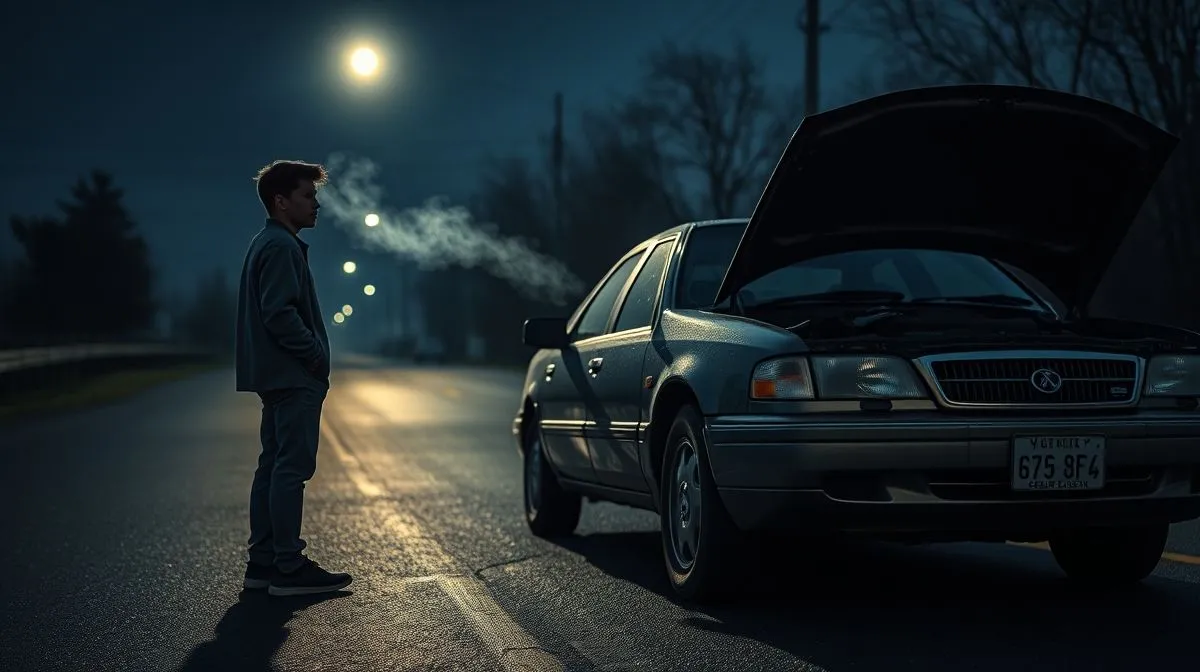
Imagine this: You’re driving along, minding your own business, perhaps heading to work or picking up the kids. Suddenly, there’s a strange noise, a shudder, and then… silence. Your car sputters to a halt on the side of the road, and a wave of panic washes over you. The immediate thought isn’t just about being stranded, but the far more terrifying realization: you have no money for a tow, let alone repairs.
This isn't just a hypothetical nightmare for many; it's a stark reality. A car breakdown can be a significant inconvenience, but when coupled with a severe lack of funds, it transforms into a full-blown crisis. The fear of being stuck, the inability to get to work, the worry about impound fees, and the sheer helplessness can be overwhelming. This is the daunting question: what to do when car breaks down no money?
Fear not. This comprehensive guide is designed to empower you with the knowledge and practical strategies needed to navigate precisely this challenging situation. We’ll explore immediate safety measures, uncover hidden resources for roadside assistance, reveal creative ways to secure affordable repairs, and provide crucial advice on preventing future financial predicaments. By the end of this reading, you’ll be equipped to tackle a breakdown even when your wallet feels lighter than air.
Immediate Steps When Stranded: Safety First and Foremost
When your vehicle unexpectedly gives up, your immediate priority must always be safety. Panicking can lead to rash decisions, so take a deep breath and focus on securing yourself and your vehicle.
Securing Your Location and Visibility
- Pull Over Safely: If possible, steer your car to the shoulder of the road or an emergency lane. The further you are from moving traffic, the safer you'll be.
- Activate Hazard Lights: Turn on your hazard warning lights immediately. This alerts other drivers to your presence and distress, especially in low-light conditions or poor visibility.
- Use Warning Devices: If you have them, place warning triangles, flares, or reflective cones behind your vehicle to create a visible buffer zone. Aim for at least 100 feet (about 30 meters) behind your car.
- Stay Inside or Away: If you’re on a busy highway, it’s often safest to remain inside your vehicle with your seatbelt on, especially if you’re on the driver’s side. If you’re on a quieter road or in a parking lot, it might be safer to stand a good distance away from the vehicle and traffic, preferably behind a guardrail or barrier.
Assessing the Situation and Gathering Information
Once safe, try to understand what happened. This isn't about becoming a mechanic on the spot, but about gathering information that will be vital when you seek help.
- Observe and Listen: Did you hear a specific noise? Was there smoke or a strange smell? Did any warning lights illuminate on your dashboard?
- Check Basic Components: While not always safe to do on the roadside, if you can safely check your fuel gauge (is it truly empty?), battery terminals (are they loose?), or tire pressure (is it flat?), do so. Sometimes, the issue is simpler than it seems.
- Note Your Location: Be precise. Note the highway number, nearest exit, mile marker, or intersecting streets. This information is crucial for emergency services or tow truck operators.
Understanding Your Options for Roadside Assistance Without Cash
Many people assume that without cash, roadside assistance is impossible. However, there are several avenues you might not have considered that could provide immediate help.
Leveraging Existing Memberships and Benefits
You might already be paying for roadside assistance without realizing it. It's time to check your existing affiliations.
- Auto Insurance Policy: Many comprehensive car insurance policies include roadside assistance as an add-on or standard feature. Call your insurance provider’s customer service number (often found on your insurance card) to inquire about towing, jump-starts, or tire changes.
- Automobile Clubs (e.g., AAA): If you’re a member of an automobile club, their services are usually prepaid through your membership fees. They offer extensive roadside assistance, including towing, battery service, and lockout services. Even if you're not a member, sometimes they offer immediate sign-up with a slightly higher initial fee.
- Credit Card Benefits: A surprising number of credit cards, especially premium travel or rewards cards, offer complimentary roadside dispatch services. While they might not cover the cost of the service itself, they can arrange for a tow truck or service provider to come to your location, and you can then negotiate payment or explore other options.
- Vehicle Manufacturer (OEM) Roadside Assistance: If your car is relatively new, it might still be under warranty, and many manufacturers include roadside assistance for the warranty period. Check your owner’s manual or the manufacturer’s website.
- Cell Phone Provider: Some mobile phone plans offer discounted or included roadside assistance as a perk. It’s worth a quick call to your provider to check.
Community and Local Resources for Immediate Help
When all else fails, local support systems can sometimes offer a lifeline.
- Local Police (Non-Emergency): For safety concerns or if you’re stranded in a dangerous area, you can call the non-emergency police line. While they cannot fix your car or provide a free tow, they can offer a safe presence, direct traffic, or even help you contact a tow service.
- Good Samaritans: While not a reliable strategy, sometimes a passing motorist might offer assistance, especially if you’re in a visible, safe location. However, always exercise extreme caution and prioritize your personal safety when interacting with strangers.
Navigating Affordable Towing Solutions When You’re Broke
Getting your car off the road and to a safe location is the first hurdle. Without money, this can feel insurmountable, but there are strategies to minimize the financial impact.
Negotiating with Tow Companies and Exploring Options
Tow truck operators are often independent businesses, and some may be willing to work with you, especially if it’s a slow day or if they operate locally.
- Explain Your Situation: Be honest and upfront about your financial predicament. Ask if they offer any payment plans, a temporary hold on the bill, or a discounted rate for cash (if you can borrow a small amount).
- Shop Around: If you have a phone and signal, call multiple towing companies in the area. Prices can vary significantly. Ask for quotes, including any potential hidden fees like hook-up charges, mileage, or after-hours surcharges.
- Tow to a Safe, Free Location: Instead of towing to an expensive repair shop, consider towing it to your home, a friend’s driveway, or a free public parking lot (if permitted and safe). This buys you time to figure out repairs without incurring daily storage fees.
- Ask About “Flatbed” vs. “Wheel-Lift” Towing: For certain types of vehicles or damage, one method might be safer or more cost-effective.
Alternative Transport and Support
While your car is being dealt with, you still need to get yourself to safety or home.
- Friends or Family: Reach out to your support network. A ride from a friend or family member is often the most immediate and free solution.
- Public Transportation: If you’re near a bus stop or train station and have enough for a fare, public transport can be a lifesaver.
- Ride-Sharing Services: While not free, services like Uber or Lyft might be cheaper than a taxi, especially for short distances. Consider using a first-time user discount or a promotional code if available.
Finding Low-Cost or Free Car Repair Options
Once your car is off the road, the real challenge begins: how to get it fixed without breaking the bank. This is where creativity, research, and resourcefulness become paramount.
DIY Diagnostics and Simple Fixes
Before assuming you need a major repair, investigate if it's something you can handle yourself or with minimal cost.
- Basic Troubleshooting: Many common breakdowns have simple fixes. Is it just a dead battery? A jump-start might solve it. Is a tire flat? Changing it with your spare can get you to a tire shop. Check your owner's manual for basic troubleshooting steps for common issues like overheating or unusual noises.
- Online Tutorials and Forums: The internet is a treasure trove of free information. YouTube has countless videos demonstrating basic car repairs and diagnostics. Automotive forums can offer advice from experienced mechanics or fellow car owners who’ve faced similar problems. Sites like YouTube or specialized automotive repair forums are excellent resources for learning how to identify potential issues or perform minor repairs yourself.
- Borrow Tools: If you identify a minor fix, ask friends, family, or neighbors if they have the necessary tools you can borrow.
Community Mechanics, Vocational Schools, and Charitable Organizations
When DIY isn't an option, look for places that offer discounted labor or assistance.
- Vocational or Trade Schools: Automotive vocational schools often have programs where students perform repairs under the supervision of experienced instructors. They typically charge significantly less for labor, only covering the cost of parts, making it a highly cost-effective solution.
- Community-Based Mechanics: Some local, independent mechanics, especially in smaller towns, might be more willing to negotiate prices or offer payment plans, especially if you explain your situation and demonstrate a genuine need. It's always worth asking.
- Charitable Organizations: Several non-profits and religious organizations offer assistance for critical needs, including car repairs, especially if the vehicle is essential for work or medical appointments. Organizations like the Salvation Army, Catholic Charities, or local community action agencies may have programs or referrals. Researching local charities or calling 2-1-1 (a national information and referral service in the U.S.) can connect you with potential resources.
- Payment Plans with Repair Shops: Don't be afraid to ask if the repair shop offers payment plans. While not all do, some might be willing to spread out the cost over a few weeks or months, especially for loyal customers or significant repairs.
Exploring Financial Assistance Programs and Crowdfunding
In dire situations, external financial aid might be the only way forward.
- Emergency Assistance Programs: Some local government agencies or non-profits offer emergency financial assistance for transportation, particularly if it impacts employment or health access. These are often highly localized and dependent on specific criteria.
- Crowdfunding: Platforms like GoFundMe or similar sites can be used to raise money for unexpected expenses. While not guaranteed, sharing your story with your network and beyond can sometimes yield surprising support from compassionate individuals.
- Low-Interest Loans or Credit Unions: If your credit is decent, a small personal loan from a credit union might offer a lower interest rate than a traditional bank or predatory lender, making the repair more manageable over time. However, be cautious about taking on debt if your financial situation is already precarious. The Consumer Financial Protection Bureau offers resources on understanding loans and managing debt responsibly.
Preventing Future Breakdowns and Building an Emergency Fund
The best way to handle a car breakdown with no money is to prevent it from happening in the first place. Proactive maintenance and financial preparedness are your strongest defenses.
The Importance of Regular Vehicle Maintenance
Neglecting your car’s maintenance is almost always more expensive in the long run. Preventative care can save you thousands.
- Follow Manufacturer’s Schedule: Adhere to your car’s recommended maintenance schedule for oil changes, fluid checks, tire rotations, and inspections. This catches small issues before they become major, costly problems.
- Basic DIY Checks: Learn to check your own oil, coolant, brake fluid, and tire pressure regularly. These simple checks can alert you to potential problems early on. Resources like Edmunds.com's Auto Repair section offer excellent guides on basic car maintenance.
- Address Warning Signs Promptly: Don’t ignore dashboard warning lights, strange noises, or unusual smells. While it might seem like an immediate expense, addressing these issues quickly is almost always cheaper than waiting for a complete breakdown.
Starting a Car Repair Emergency Fund
Even small, consistent savings can make a huge difference when an unexpected car repair bill hits.
- Start Small: Even putting aside $5 or $10 a week into a dedicated savings account can build up over time.
- Automate Savings: Set up an automatic transfer from your checking to your savings account each payday. You won’t miss the money if it’s automatically moved.
- Dedicated Fund: Label this fund specifically for car repairs. This mental distinction helps you resist the urge to dip into it for non-emergencies.
- Consider a “Rainy Day” Fund: Beyond car repairs, a general emergency fund for any unexpected expense (medical, job loss, home repair) is crucial for financial stability.
Legal and Financial Considerations When You’re Broke and Stranded
When you have no money for a broken-down car, understanding the potential legal and financial ramifications is vital to avoid further complications.
Understanding Liens, Impoundment, and Abandonment
If you can't pay for towing or storage, your vehicle could be held or even sold.
- Tow Yard Liens: Most tow companies and repair shops have a legal right to hold your vehicle if you don’t pay for their services. This is called a mechanic's or possessory lien. They can eventually sell your car to recoup their costs if the bill remains unpaid.
- Impoundment Fees: If your car breaks down in a restricted area, on a highway shoulder for too long, or is deemed a hazard, it can be impounded by law enforcement. Impound lots charge daily storage fees, which can quickly accumulate to hundreds or even thousands of dollars, far exceeding the car’s value.
- Abandonment: Simply walking away from your car is not a solution. In most jurisdictions, abandoning a vehicle on public or even private property can lead to fines, impoundment, and potentially even criminal charges. The costs of towing and storage will likely be billed to you, and if unpaid, can negatively impact your credit score.
Debt Management and Credit Impact
The financial fallout from an unpaid car repair or tow bill can extend beyond the immediate problem.
- Avoiding Predatory Lenders: In desperation, avoid high-interest payday loans or title loans. While they offer quick cash, their exorbitant interest rates can trap you in a cycle of debt that is far worse than the initial car repair bill.
- Impact on Credit Score: Unpaid bills from tow companies or repair shops can be sent to collections, severely damaging your credit score. This can make it difficult to get loans, rent an apartment, or even secure certain jobs in the future.
- Negotiate with Creditors: If a bill goes to collections, try to negotiate with the collection agency. Sometimes, they are willing to accept a lower lump sum payment or set up an affordable payment plan.
Frequently Asked Questions (FAQ)
Can I get free towing if I have no money? Directly free towing is rare without a pre-existing membership (like AAA or through insurance). However, you can negotiate payment plans with tow companies, or explore credit card benefits that arrange the tow, leaving you to pay the service provider later. Some charitable organizations might offer assistance or referrals.
Are there charities that help with car repairs? Yes, several non-profit organizations and religious charities (like the Salvation Army, Catholic Charities, or local community action programs) may offer financial assistance for car repairs, especially if the vehicle is essential for employment, education, or medical needs. Eligibility varies by organization and location.
What if my car breaks down far from home and I’m broke? This is particularly challenging. Your first steps remain the same: ensure safety, check insurance/membership benefits for roadside assistance. If those aren't options, contact local law enforcement for safety, and then reach out to friends/family for financial help or a ride. Research local charities or public transport options in the area where you broke down.
Can I abandon my car if I can’t afford repairs? No, abandoning your car on public or private property is generally illegal and can lead to significant fines, impoundment fees, and potentially legal action. The costs will still be billed to you, and it can negatively impact your credit. It's always better to explore all options for selling the car for scrap, donating it, or finding a way to get it to a free storage location rather than abandoning it.
Recommended Reading
- College Budgeting 101: Master Your Living Expenses Now!
- Global Trade: Fueling or Foiling Small Business Growth?
- Unlock Stock Market Success: Machine Learning Analysis Secrets
- Smart Pricing: The Secret to Boosting Entrepreneur Profit Now!
- Global Interest Rates & Inflation: The Untold Story You Must Know
Conclusion
Facing a car breakdown with no money is undoubtedly a stressful and daunting experience. However, as we've explored, it's not a hopeless situation. From prioritizing immediate safety and leveraging existing, often overlooked, roadside assistance benefits to creatively seeking out affordable repair options and understanding the financial implications, there are concrete steps you can take. Remember, facing the question of 'what to do when car breaks down no money?' is a call to action for resourcefulness and proactive planning. By taking preventative maintenance seriously and building even a small emergency fund, you can significantly mitigate the impact of future automotive crises, transforming a potential nightmare into a manageable bump in the road.





Comments
Leave a comment below. Your email will not be published. Required fields marked with *