


What to do when an income property consistently underperforms?
For over two decades in the dynamic world of real estate investing, I've witnessed countless investors embark on their journey with high hopes, only to be confronted by the frustrating reality of an income property that simply isn't performing as expected. It's a common scenario, one that can erode confidence and capital if not addressed swiftly and strategically. I've seen promising ventures turn sour because the signs of underperformance were either ignored or misdiagnosed.
The sting of an underperforming asset is palpable. It’s not just about lost profits; it’s about the time, effort, and emotional investment poured into a property that now feels like a drain. Whether it’s persistent vacancies, spiraling maintenance costs, or rental income that just can’t keep pace with expenses, the problem can feel overwhelming, leaving many to wonder if their investment was a mistake.
But despair not. In this comprehensive guide, I will share the actionable frameworks, expert insights, and real-world strategies I've honed over years of experience. We'll delve deep into diagnosing the root causes, implementing effective turn-around tactics, and ultimately, transforming your underperforming income property into a thriving asset once more. This isn't just theory; it's a roadmap to reclaiming your investment's potential.
The Critical First Step: Comprehensive Performance Audit
Before any meaningful action can be taken, you must first understand the full scope of the problem. This requires a meticulous, unbiased performance audit of your income property. Think of it as a financial and operational MRI – you need to see exactly what’s happening beneath the surface.
Deep Dive into Financial Metrics
Your financial statements tell a story. It's crucial to analyze them beyond surface-level income and expenses. Look for trends, anomalies, and areas that deviate significantly from your initial projections or market averages.
- Net Operating Income (NOI): This is your property's core profitability before debt service. Is it declining? Why?
- Cash-on-Cash Return: Measures the cash flow generated by your initial cash investment. A low or negative number is a major red flag.
- Vacancy Rate: Compare your property's vacancy rate to local market averages. High vacancy is a direct hit to income.
- Expense Ratio: How much of your gross income is consumed by operating expenses? Are these costs growing disproportionately?
- Capitalization Rate (Cap Rate): While more for valuation, a declining Cap Rate can signal a loss of market appeal or increasing risk.
“Data is not just numbers; it’s the language of your property’s health. Ignoring it is like driving with a blindfold on.”
It’s not enough to just calculate these numbers; you need to compare them against historical performance, your initial pro forma, and local market benchmarks. This comparison reveals where the underperformance truly lies.
| Metric | Projected (Annual) | Actual (Last 12 Months) | Variance |
|---|---|---|---|
| Net Operating Income (NOI) | $35,000 | $28,500 | -18.6% |
| Vacancy Rate | 5% | 12% | +7% |
| Expense Ratio | 35% | 42% | +7% |
| Cash-on-Cash Return | 8.5% | 4.2% | -4.3% |
Market Analysis and Competitive Landscape
An underperforming property isn't always a reflection of *your* management; sometimes, the market shifts. A thorough market analysis is non-negotiable.
- Rent Comparables (Comps): Research recently rented properties similar to yours in terms of size, amenities, and location. Are your rents competitive, too high, or too low?
- Vacancy Rates in Your Submarket: High market-wide vacancies indicate an oversupply or reduced demand, impacting your ability to attract tenants.
- Demographic Shifts: Has the tenant base in your area changed? Is your property still appealing to the dominant demographic?
- New Developments: Are new, modern properties entering the market, potentially drawing tenants away from older stock?
- Economic Indicators: Local job growth, interest rates, and housing affordability all influence rental demand.
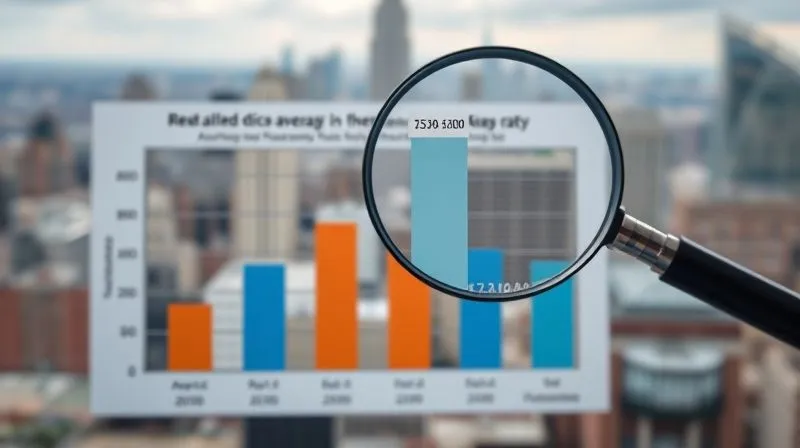
Understanding these external forces is crucial. An underperforming income property often suffers from a mismatch between what it offers and what the current market demands.
Diagnosing the Root Causes: Beyond the Obvious
Once you have the data from your audit, the next step is to pinpoint *why* your income property is underperforming. This requires an honest, objective assessment, often digging deeper than surface-level symptoms.
Poor Property Management
This is, in my experience, one of the most common culprits. A poor property manager can manifest in many ways:
- Slow or Inadequate Maintenance: Leading to tenant dissatisfaction, higher turnover, and costly deferred repairs.
- Poor Tenant Screening: Resulting in problem tenants, late payments, property damage, and eviction costs.
- Ineffective Marketing: Long vacancy periods due to stale listings, unappealing photos, or lack of online presence.
- Lack of Communication: Keeping you in the dark about critical issues, market changes, or tenant concerns.
- Financial Mismanagement: Sloppy bookkeeping, unoptimized expenses, or failure to collect rents efficiently.
Inefficient Pricing Strategy
Setting the right rent is a delicate balance. Too high, and you face prolonged vacancies. Too low, and you're leaving money on the table, impacting your NOI.
- Overpricing: Often driven by emotional attachment or outdated market knowledge.
- Underpricing: Can stem from a desire for quick occupancy, but it ultimately hurts your returns.
- Lack of Dynamic Pricing: Failing to adjust rents based on seasonal demand, market shifts, or property improvements.
High Vacancy Rates & Tenant Turnover
Beyond pricing, high vacancies can be a symptom of other issues:
- Property Condition: An outdated or poorly maintained property struggles to attract and retain quality tenants.
- Poor Tenant Experience: Unresponsive management, unresolved issues, or a lack of community engagement.
- Unfavorable Lease Terms: Being too rigid or not offering competitive options.
Escalating Operating Costs
Expenses can quietly eat into your profits. Uncontrolled costs are a silent killer for any income property.
- Unoptimized Utilities: Poor insulation, old appliances, or inefficient HVAC systems.
- High Repair Costs: Often a result of deferred maintenance or using overpriced contractors.
- Insurance Premiums: Failing to shop around or not taking advantage of discounts.
- Property Taxes: Not challenging assessments when appropriate.
Property Condition & Deferred Maintenance
A property that looks tired or has obvious repair needs will deter prospective tenants and justify lower rental prices. Deferred maintenance is a vicious cycle: small issues become big, expensive problems, further eroding profitability and tenant satisfaction. It’s a common trap I’ve seen many fall into, prioritizing short-term savings over long-term asset health.
Strategic Interventions: Boosting Income & Curbing Costs
Once you've diagnosed the specific ailments affecting your income property, it's time for targeted treatment. This phase involves implementing strategic changes designed to directly address the identified root causes.
Optimize Rental Pricing with Data
Pricing is not a 'set it and forget it' task. It requires continuous monitoring and adjustment based on real-time market data.
- Utilize Rent Comparables (Rent Comps) Constantly: Don't just do this once a year. Monitor local listings weekly to understand market shifts. Tools like Rentometer or Zillow's rental estimates can be a starting point, but always cross-reference with actual listings.
- Consider Dynamic Pricing: Adjust rents based on seasonality (e.g., higher in spring/summer for many markets), demand, and the property's unique features.
- Test the Market: If you have a vacancy, try listing at a slightly higher price first. If you get no traction, you can always reduce it. Conversely, if you're getting multiple applications immediately, you might be underpriced.
- Factor in Amenities and Upgrades: If you've recently improved the property, ensure your pricing reflects the added value.
Enhance Property Appeal & Value
Sometimes, a modest investment can yield significant returns in terms of increased rent and reduced vacancy. Focus on improvements that offer the best ROI.
- Curb Appeal: A fresh coat of paint, landscaping, and a clean exterior make a strong first impression.
- Minor Interior Updates: New light fixtures, modern hardware, fresh paint, or updated flooring in high-traffic areas can transform a space without breaking the bank.
- Energy Efficiency: Upgrading to LED lighting, smart thermostats, or even better insulation can be a selling point for tenants and reduce utility costs.
- Modern Amenities: Consider adding in-unit laundry, smart home features, or designated co-working spaces if your market demands it.

Streamline Property Management
If poor management was identified as a core issue, decisive action is needed. This might mean improving your current management, bringing it in-house, or finding a new, more competent property manager.
- Evaluate Your Current Manager: Set clear performance metrics (vacancy rates, response times, expense control) and hold them accountable. Regular, structured communication is key.
- Consider Self-Management: If you have the time and expertise, taking over management can save costs and give you direct control. However, be realistic about the demands.
- Hire a New Manager: If your current manager is irredeemable, conduct thorough due diligence when selecting a new one. Check references, verify licenses, and understand their fee structure and communication protocols. A good manager is worth their weight in gold.
Case Study: How ‘The Phoenix Flats’ Soared Again
I recall working with an investor, Sarah, who owned a small apartment complex, 'The Phoenix Flats.' For two years, it consistently hovered around 70% occupancy, and maintenance requests piled up. Her property manager blamed 'the market.' After a deep dive, we discovered the manager was slow to respond to inquiries, didn't market effectively online, and used expensive, unvetted contractors for repairs.
Our strategy involved three key steps: First, we terminated the existing management contract. Second, we invested in professional photography and a targeted online marketing campaign for vacancies. Third, we implemented a new, responsive maintenance system with vetted local handymen. Within six months, occupancy soared to 95%, and tenant satisfaction scores dramatically improved. The property went from barely breaking even to generating a healthy cash flow, proving that proactive management can indeed turn an underperforming asset around.
Aggressive Expense Reduction
Every dollar saved on expenses is a dollar added to your NOI. Scrutinize every line item.
- Renegotiate Contracts: Review all service contracts (landscaping, cleaning, waste removal, insurance) annually. Get multiple bids.
- Implement Energy-Saving Measures: Smart thermostats, LED lighting, and regular HVAC maintenance can significantly cut utility bills.
- Preventative Maintenance: A small investment in preventative maintenance (e.g., annual HVAC checks, gutter cleaning) can prevent costly emergency repairs down the line.
- Bulk Purchasing/Strategic Sourcing: For common repair items, buying in bulk or establishing relationships with specific suppliers can lead to discounts.
“Profitability isn’t just about how much you earn; it’s critically about how much you keep. Every expense must justify its existence.”
Tenant Relations: The Unsung Hero of Performance
Happy tenants stay longer, pay on time, and take better care of your property. Investing in strong tenant relations is one of the most cost-effective ways to improve your income property’s performance.
Proactive Communication and Responsive Maintenance
Tenants want to feel heard and respected. A quick response to an inquiry or a prompt repair can make all the difference.
- Clear Communication Channels: Provide easy ways for tenants to submit requests or ask questions (e.g., online portal, dedicated email/phone).
- Timely Repairs: Address maintenance issues promptly and professionally. Communicate realistic timelines if there's a delay.
- Regular Check-ins: A periodic, non-intrusive check-in (e.g., a survey about their living experience) can identify small issues before they escalate.
Incentivizing Lease Renewals
Tenant turnover is incredibly expensive – marketing, showing, screening, cleaning, and potential vacancy periods. Retaining good tenants is paramount.
- Renewal Incentives: Offer a small discount on one month's rent, a gift card, or a property upgrade (e.g., new appliance) for lease renewals.
- Fair Rent Increases: While you need to keep pace with the market, avoid aggressive rent hikes that might push good tenants away.
- Build Community: For multi-unit properties, consider small community events or shared amenities to foster a sense of belonging.
Thorough Tenant Screening
Prevention is always better than cure. A robust tenant screening process is your first line of defense against future problems.
- Comprehensive Background Checks: Include credit checks, criminal history, and eviction history.
- Income Verification: Ensure tenants can comfortably afford the rent (typically 3x monthly rent in gross income).
- Previous Landlord References: Always call past landlords to inquire about payment history, property care, and neighbor relations.
As Forbes Advisor often highlights, understanding and respecting tenant rights while also setting clear expectations is fundamental to a harmonious and profitable landlord-tenant relationship.
Financial Restructuring & Refinancing Options
Sometimes the property itself isn't the sole problem; the financing structure might be contributing to its underperformance. Revisiting your mortgage and overall financial strategy can unlock significant relief.
Exploring Mortgage Refinancing
If interest rates have dropped since you acquired the property, or if your credit profile has improved, refinancing could lower your monthly mortgage payments, thereby boosting your cash flow. This is especially relevant when an income property consistently underperforms due to high carrying costs.
- Lower Interest Rates: Reduce your monthly debt service.
- Cash-Out Refinance: Potentially pull out equity to fund necessary property improvements or cover unexpected costs.
- Adjustable-Rate to Fixed-Rate: Convert to a stable payment if you're on an ARM and rates are expected to rise.
- Shorten/Lengthen Loan Term: Adjust the loan term to better align with your cash flow needs and investment strategy.
Always consult with a reputable mortgage broker to assess your options and understand the associated costs and benefits. Refinancing isn't a silver bullet, but it can be a powerful tool for financial optimization.
Recalibrating Investment Goals
Your initial investment goals might have evolved, or the market conditions might have changed drastically. It’s important to reassess if your property still aligns with your long-term objectives. Are you focused on cash flow, appreciation, or a blend of both? An underperforming property might just need a strategic re-alignment rather than a complete overhaul.

The Tough Decision: When to Sell
Despite all best efforts, there comes a point for some properties where the best strategy is to cut your losses and reinvest elsewhere. It's a difficult decision, often fraught with emotion, but a necessary one for a savvy investor.
Calculating Your Exit Strategy
Before deciding to sell, perform a thorough financial analysis. Consider:
- Current Market Value: What could you realistically sell the property for today?
- Selling Costs: Factor in agent commissions, closing costs, staging, and any necessary repairs to make the property market-ready.
- Capital Gains Tax: Understand your potential tax liability.
- Opportunity Cost: What could you do with the capital if you sold? Could it generate better returns in another investment?
- Future Projections: Based on your audit, is there a realistic path to profitability, or will the property continue to be a drain?
As Investopedia advises, sometimes the best investment decision is knowing when to strategically divest an asset that no longer serves your portfolio's goals.
Understanding Market Timing
Selling an underperforming asset doesn't mean you should rush into a bad sale. If the market is currently soft, it might be worth holding on a bit longer while implementing some of the turnaround strategies, waiting for a more favorable selling environment. However, if the market is strong and your property is still struggling, it could be the ideal time to offload it before conditions worsen.
“Sometimes, the most profitable move is to admit a mistake, learn from it, and reallocate your capital to an opportunity with higher potential.”
Leveraging Technology for Performance Monitoring
In today's real estate landscape, technology is no longer a luxury but a necessity for efficient and profitable property management. Embracing the right tools can provide invaluable insights and streamline operations, helping you prevent future underperformance.
Property Management Software
Modern property management software can automate many tedious tasks and provide real-time data, which is crucial when an income property consistently underperforms. These platforms can handle:
- Rent Collection: Automated payments, reminders, and late fee tracking.
- Maintenance Requests: Streamlined submission, tracking, and communication with tenants and vendors.
- Financial Reporting: Detailed income/expense tracking, P&L statements, and cash flow reports.
- Tenant Portals: Enhancing communication and tenant satisfaction.
- Lease Management: Digital signing, renewal tracking, and document storage.
Platforms like Buildium, AppFolio, or Propertyware can transform how you manage your portfolio, providing the data granularity needed to pinpoint issues quickly.
Data Analytics for Predictive Insights
Beyond basic reporting, some advanced platforms and third-party tools offer predictive analytics. By analyzing historical data, market trends, and even external factors, these tools can help you:
- Forecast Vacancies: Identify properties at higher risk of turnover.
- Optimize Rent Pricing: Suggest optimal rental rates based on demand and comparable properties.
- Predict Maintenance Needs: Flag potential equipment failures or common issues based on property age and history.
- Identify Performance Gaps: Compare your property's performance against similar assets in your portfolio or the broader market.
This proactive approach, fueled by data, allows you to intervene before minor issues escalate into major underperformance, turning reactive management into strategic foresight. Research from HUD often emphasizes the role of data in understanding housing market dynamics, which applies directly to individual property performance.

Frequently Asked Questions (FAQ)
How quickly can I expect to see improvements after implementing these strategies? The timeline for improvement varies significantly based on the root causes and the strategies implemented. Minor adjustments like optimizing pricing or improving marketing might show results within weeks (e.g., faster tenant placement). Larger issues like significant deferred maintenance or poor property management can take months to fully resolve and show sustained improvement. A realistic expectation is 3-6 months for noticeable positive trends, with full turnaround potentially taking a year or more. Patience, coupled with consistent execution, is key.
What if I've tried everything and my income property is still underperforming? If you've diligently applied multiple turnaround strategies and conducted thorough audits, yet performance remains stubbornly low, it's crucial to reassess the fundamental viability of the investment. This is when you seriously consider the 'When to Sell' section. It might be that the market has fundamentally shifted against your property type, or the property has inherent structural issues that make it unprofitable. In such cases, holding on might be more detrimental than selling and reallocating your capital to a more promising venture.
Is it always better to hold an underperforming property than to sell? Absolutely not. While I'm generally an advocate for long-term real estate investment, there's a critical distinction between a temporary dip in performance and a fundamentally flawed asset. Holding an underperforming property can tie up capital, incur ongoing losses, and prevent you from investing in opportunities with higher potential returns. The decision to sell should be based on a cold, hard financial analysis, weighing potential future returns against current losses and opportunity costs.
What are the most common mistakes investors make when facing underperformance? The most common mistakes include: 1) Procrastination and denial, hoping the problem will fix itself. 2) Failing to conduct a thorough, unbiased audit of finances and operations. 3) Blaming external factors without looking inward at management or property condition. 4) Making emotional decisions rather than data-driven ones. 5) Not seeking expert advice when out of their depth. These pitfalls can turn a solvable problem into a portfolio-draining liability.
How do I find a good property manager if mine is failing? Finding a good property manager requires due diligence. Start by asking for referrals from other successful investors in your area. Interview at least three candidates, asking about their communication style, fee structure, tenant screening process, maintenance protocols, and financial reporting. Check their references, specifically speaking to their current clients. Verify their licenses and look for any online reviews. A good manager should be proactive, transparent, and have a proven track record in your specific submarket.
Key Takeaways and Final Thoughts
Navigating the challenges of an underperforming income property is a true test of an investor's resolve and strategic acumen. It's a situation I've guided many through, and what I've consistently found is that informed action, not panic, is the antidote.
- Audit Relentlessly: Begin with a comprehensive financial and market audit to pinpoint the exact sources of underperformance.
- Diagnose Accurately: Look beyond obvious symptoms to identify root causes, from poor management to market shifts.
- Act Decisively: Implement targeted strategies to optimize pricing, enhance property appeal, streamline management, and reduce costs.
- Prioritize Tenants: Foster strong tenant relations; happy tenants lead to lower turnover and consistent income.
- Review Financing: Explore refinancing options to improve cash flow and overall financial health.
- Know When to Exit: Be prepared to make the tough decision to sell if the property's potential for recovery is genuinely exhausted.
- Leverage Technology: Utilize property management software and data analytics to monitor performance and make proactive decisions.
Remember, every challenge in real estate is an opportunity for growth and learning. An underperforming property doesn't have to be a permanent setback. By approaching the problem with a clear head, a data-driven mindset, and a willingness to implement strategic changes, you can often turn the tide. Your investment journey is dynamic, and adapting to these shifts is what distinguishes a successful investor from one who merely hopes for the best. Take these steps, trust the process, and reclaim the profitability of your income property.
Recommended Reading
- 7 Steps to Advise Clients: Lump Sum vs. Annuity Pension Decisions
- 5 Steps to Screen Genuine Impact: Unmasking Greenwashing Claims
- 5 Proven Strategies: Mitigating Tail Risk in Multi-Asset Portfolios
- 7 Steps: Proving Redlining in Mortgage Applications & Your Rights
- Unlock Crypto Tax Clarity: Can Tax Software Handle Crypto Transactions Effectively?




Comments
Leave a comment below. Your email will not be published. Required fields marked with *