



Urgent Recovery Plan for a Professional Cold Storage Crypto Wallet Hack
For over 15 years in the digital asset space, I've witnessed the devastating impact of security breaches. While hot wallets are often the target of opportunistic attacks, a compromise of a professional cold storage crypto wallet is a different beast entirely – a calculated, sophisticated strike that can unravel years of meticulous planning and significant capital.
The immediate aftermath of discovering such a breach is often a cocktail of disbelief, panic, and a profound sense of violation. You've done everything right: air-gapped systems, multi-signature protocols, physical security. Yet, here you are, staring at unauthorized transactions, questioning every security decision you ever made.
This isn't just about losing funds; it's about a breach of trust, a threat to your professional reputation, and a direct challenge to your operational continuity. In this definitive guide, I will walk you through an urgent, expert-backed recovery plan, providing actionable frameworks, real-world insights, and strategic steps to mitigate damage, investigate the breach, and fortify your defenses against future threats.
Immediate Response: The First Critical 60 Minutes
When a cold storage wallet is compromised, every second counts. Your immediate actions dictate the extent of potential losses and the viability of recovery. Think of this as a digital emergency room protocol.
Isolate and Assess the Damage
Your absolute first priority is to stop the bleeding. This means preventing further unauthorized transactions and understanding the scope of the breach.
- Disconnect from All Networks: If the cold storage device was ever connected to a compromised system, or if you suspect network-level intrusion, immediately disconnect all associated devices from the internet and any internal networks. This includes air-gapped machines if their isolation has been compromised.
- Identify Compromised Addresses: Scrutinize all wallet addresses associated with the compromised cold storage. Use blockchain explorers to trace unauthorized transactions. Note down recipient addresses, transaction IDs, timestamps, and the exact amounts stolen. This data is crucial for forensic analysis.
- Document Everything: Start an immutable log. Every action taken, every observation, every timestamp, every communication – document it meticulously. Screenshots, video recordings, and written notes are all vital evidence.
- Notify Internal Stakeholders: Inform your core security team, legal counsel, and key executives. Establish a secure communication channel for incident response that is separate from your potentially compromised primary channels.
Securing Remaining Assets: The Digital Lock-Down
Once you've contained the immediate threat, the next critical step is to secure any remaining digital assets that might still be vulnerable or associated with the compromised infrastructure. This isn't just about moving funds; it's about establishing a new, clean security perimeter.
Transfer to a Clean Wallet
Any funds remaining in compromised or potentially compromised wallets, or funds held in hot wallets that shared any credentials or network access with the cold storage, must be moved to entirely new, uncompromised wallets. This means new seed phrases, generated on a truly air-gapped and verified clean device.
Change All Related Credentials
A cold storage hack often implies a broader attack surface. Assume all associated credentials are at risk.
- Generate New Seed Phrases: For any new cold storage wallets, ensure the seed phrase is generated on a clean, offline device and backed up securely using methods like metal plates or encrypted physical storage, completely isolated from any digital exposure.
- Update All Passwords: Change passwords for all exchange accounts, email addresses, cloud storage, and any other services linked to your digital asset operations. Use strong, unique passwords generated by a reputable password manager. Implement a strict password rotation policy going forward.
- Reinforce Multi-Factor Authentication (MFA): Ensure all critical accounts use the strongest forms of MFA, such as hardware security keys (e.g., YubiKey) or authenticator apps, rather than SMS-based 2FA, which can be vulnerable to SIM-swapping attacks.
Forensic Investigation: Unraveling the Attack Vector
Understanding *how* the breach occurred is paramount not just for potential recovery, but for preventing recurrence. This phase requires a meticulous, almost archaeological approach to your digital environment. As a veteran in this space, I can tell you that often, the most sophisticated hacks exploit the simplest overlooked vulnerabilities.
On-Chain Analysis and Transaction Tracing
This is where blockchain forensics shines. Every transaction is immutable and publicly recorded, offering a trail for skilled investigators.
- Utilize Blockchain Analytics Tools: Tools from firms like Chainalysis or Elliptic can help trace stolen funds across different blockchains, identify potential mixing services, and sometimes even link addresses to known entities or exchanges. This is a critical step in any urgent recovery plan for a professional cold storage crypto wallet hack.
- Identify Transaction Patterns: Look for unusual transaction sizes, frequencies, or destinations. Were funds immediately moved to a known mixer, or were they slowly siphoned off?
Here’s an example of how a timeline can help organize initial findings:
| Event Timestamp | Transaction ID | Amount Stolen | Destination | Notes |
|---|---|---|---|---|
| 2023-10-26 03:15 UTC | 0xabc123... | 100 ETH | Mixer A | Initial large outflow |
| 2023-10-26 03:20 UTC | 0xdef456... | 50 BTC | Exchange X (suspicious) | Second major outflow |
| 2023-10-26 04:00 UTC | 0xghi789... | 2000 USDT | Unknown Wallet | Smaller, recurring transfers |
Internal System Audit
The breach likely originated from an exploit within your operational environment. A thorough audit is non-negotiable.
- Review Access Logs: Scrutinize logs for all systems that had any interaction with your cold storage – air-gapped machines, network devices, and even physical access logs to your secure storage facilities. Look for unusual login times, IP addresses, or failed login attempts.
- Endpoint Security Scan: Conduct deep scans of all workstations and servers that were, or could have been, involved. Look for malware, rootkits, or unauthorized software installations.
- Supply Chain Vulnerability Check: Did you recently update firmware on your hardware wallet? Was a new software installed on a supporting machine? Supply chain attacks are increasingly common and can compromise even seemingly secure hardware.
Case Study: How AlphaPrime Securities Identified a Supply Chain Exploit
AlphaPrime Securities, a mid-sized digital asset management firm, discovered a significant outflow from one of their multi-signature cold storage wallets. Initial investigations were baffling; their air-gapped system seemed impenetrable. However, by meticulously reviewing firmware update logs and procurement records, their forensic team uncovered that a batch of hardware wallets had been subtly tampered with during transit from a third-party distributor, before ever reaching AlphaPrime's secure facility. The exploit lay dormant until the devices were initialized. This discovery highlighted the critical importance of a trusted supply chain and rigorous hardware verification protocols, a lesson I've seen play out in various forms over the years.
"In the realm of digital asset security, the human element and the supply chain are often the weakest links. A 'cold storage' hack rarely originates from the device itself, but from its interaction with a compromised environment or an overlooked human process."
Engaging with Authorities and Experts
You don't have to navigate this alone. The complexity of a cold storage hack often necessitates external expertise and the involvement of legal authorities.
Law Enforcement Notification
Report the incident to relevant law enforcement agencies immediately. This is crucial for several reasons:
- Jurisdictional Reach: Stolen crypto often moves across international borders. Law enforcement agencies have the authority and networks to pursue investigations globally.
- Legal Precedent: Your report contributes to a growing body of evidence that helps shape legal frameworks for digital asset theft, which is still evolving.
- Potential Asset Freezes: While rare, law enforcement can sometimes facilitate freezing assets if they land on regulated exchanges.
Blockchain Forensics Firms
These specialized firms possess the tools and expertise to conduct deep dives into blockchain transactions, trace funds, and often work directly with exchanges to flag suspicious activity. Their expertise is invaluable for unraveling complex attack vectors and maximizing the chances of fund recovery.

Communication and Reputation Management
A security breach, especially one involving cold storage, can severely damage trust. How you communicate – or choose not to communicate – can be as critical as your technical recovery efforts.
Internal Stakeholder Communication
Transparency with your team, investors, and board is vital. Provide regular, clear updates on the incident, the steps being taken, and the progress of the recovery. This maintains trust and ensures everyone is aligned.
External Communication (if necessary)
The decision to disclose a hack publicly is complex. It involves balancing transparency with potential panic, regulatory obligations, and competitive implications. Consult legal and PR experts. If you choose to disclose, control the narrative. Present facts, outline your recovery plan, and emphasize your commitment to security. A well-managed disclosure can actually reinforce trust in the long run.
Post-Recovery Security Reinforcement
A hack, while devastating, is also an invaluable (and expensive) lesson. The period immediately following a breach is the most critical time to overhaul and reinforce your security posture. This is not just about patching vulnerabilities but building a more resilient, future-proof system.
Review and Upgrade Cold Storage Protocols
This is your opportunity to implement the 'lessons learned' directly into your operational security.
- Implement Multi-Signature Wallets: If not already in place, or if the multi-sig setup was compromised, upgrade to a more robust multi-signature scheme requiring multiple independent keys for transaction authorization. Distribute these keys geographically and across different individuals.
- Enhance Air-Gapped Systems: Re-evaluate and strengthen the isolation of your air-gapped devices. Consider using hardware-enforced air gaps, and ensure strict protocols for data transfer (e.g., one-way data diodes, rigorous sanitization).
- Regular Independent Security Audits: Engage third-party cybersecurity firms to conduct regular penetration testing and security audits of your entire digital asset infrastructure, including physical security protocols for your cold storage. According to a Deloitte study on cyber risk, proactive auditing significantly reduces breach likelihood.
- Diversify Cold Storage Solutions: Don't put all your eggs in one basket. Consider using multiple types of hardware wallets or even different custodians for ultra-high-value assets.
Employee Training and Awareness
The human element remains the most common attack vector. Comprehensive and continuous training is your strongest defense.
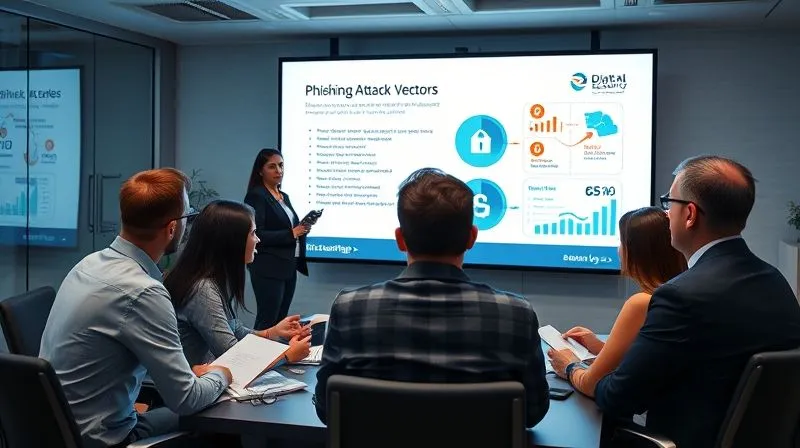
- Phishing and Social Engineering Drills: Regularly test your team with simulated phishing attacks and social engineering attempts. Education is key to recognizing and resisting these tactics.
- Protocol Adherence Training: Ensure every team member understands and strictly adheres to all security protocols, from password management to physical access controls.
- Incident Response Drills: Conduct regular simulations of security incidents to ensure your team can execute the urgent recovery plan for a professional cold storage crypto wallet hack swiftly and effectively.
A robust security checklist is essential for ongoing vigilance:
| Security Area | Best Practice |
|---|---|
| Hardware Wallets | Regular firmware verification, secure procurement, physical tamper detection |
| Key Management | Multi-signature, geographic distribution, metal seed phrase backup |
| Network Security | Air-gapped systems, intrusion detection, segregated networks |
| Human Element | Ongoing phishing training, strong MFA, access control |
| Incident Response | Documented plan, regular drills, expert contacts |
Legal and Insurance Considerations
Beyond the technical recovery, the legal and financial implications of a cold storage hack can be significant. Understanding your options here is part of a holistic recovery strategy.
Navigating Recovery Efforts
Legal counsel specializing in digital assets can advise on potential legal avenues for recovery, especially if funds land on regulated exchanges that require KYC/AML. They can help navigate reporting requirements and interactions with law enforcement. The legal landscape for digital asset theft is still evolving, but a proactive legal strategy is crucial.
Exploring Crypto Insurance
While still a niche market, insurance for digital assets is becoming more available. Review your existing policies to see if they cover cyber theft or digital asset loss. If not, consider exploring specialized crypto insurance policies. These can provide a financial safety net against future, potentially catastrophic, breaches, especially for institutions holding significant crypto reserves.

Frequently Asked Questions (FAQ)
Can stolen crypto truly be recovered? Recovery is challenging but not impossible. It heavily depends on the specific circumstances of the hack, the speed of your response, the cooperation of exchanges, and the efforts of law enforcement and blockchain forensics firms. Funds moved to mixers or decentralized protocols are significantly harder to trace and recover. However, a significant portion of stolen crypto does eventually pass through centralized exchanges, where recovery might be possible with proper legal and investigative efforts.
What's the difference between a hot and cold wallet hack recovery? A hot wallet hack typically involves online vulnerabilities like phishing, malware on a connected device, or compromised exchange accounts. Recovery focuses on securing online credentials and tracing funds through centralized platforms. A cold wallet hack, by contrast, implies a more sophisticated breach, often involving physical compromise, supply chain attacks, or highly targeted social engineering to gain access to an air-gapped system or private keys. The recovery process for cold storage is often more complex, requiring deep forensic analysis and potentially physical security reviews.
How long does a typical forensic investigation take? The duration varies widely. Simple cases might take weeks, while complex, multi-chain investigations involving international coordination can take months, or even years. Factors influencing the timeline include the attacker's sophistication, the amount of data available, the cooperation of third parties (like exchanges), and the resources dedicated to the investigation. Patience and persistence are crucial.
Should I disclose the hack publicly? This is a strategic decision with significant implications. Factors to consider include regulatory requirements (e.g., SEC filings for public companies), potential impact on customer trust, competitive disadvantages, and the advice of your legal and PR teams. While transparency can build trust, it can also attract negative attention or further attacks. Always weigh the pros and cons carefully and have a prepared communication strategy before any public announcement.
What are the best practices for preventing future cold storage hacks? Prevention is multi-layered. Key practices include: using robust multi-signature wallets, ensuring genuinely air-gapped key generation and transaction signing, implementing strict physical security for hardware devices, diversifying cold storage solutions, conducting regular third-party security audits, performing thorough supply chain vetting, and continuous, advanced cybersecurity training for all personnel to guard against social engineering and internal threats.
Key Takeaways and Final Thoughts
- Act Immediately: The first hour post-discovery is critical for damage control and asset preservation.
- Document Everything: Meticulous logging of all actions and observations is vital for forensics and potential recovery.
- Secure Remaining Assets: Swiftly move funds to new, uncompromised, and thoroughly secured wallets.
- Investigate Thoroughly: Understand the attack vector through forensic analysis to prevent recurrence.
- Leverage Expertise: Don't hesitate to engage law enforcement and specialized blockchain forensics firms.
- Reinforce Security: Use the incident as a catalyst to profoundly upgrade your security protocols, training, and infrastructure.
- Plan for the Unexpected: Consider legal counsel and digital asset insurance as part of your comprehensive risk management.
A professional cold storage crypto wallet hack is a nightmare scenario, a true test of an organization's resilience. While the path to recovery is arduous and often fraught with uncertainty, a structured, expert-driven approach can significantly mitigate losses, identify vulnerabilities, and ultimately lead to a stronger, more secure future. Remember, every breach, no matter how severe, offers critical lessons. Learn from them, adapt, and emerge more resilient. Your vigilance and commitment to security are your strongest assets in this ever-evolving digital frontier.
Recommended Reading
- 7 Steps: Mitigate Cyber Risk for Insurance Client Data Portfolios
- 7 Proven Strategies: Stop Clients From Re-Accumulating Debt Permanently
- One Late Payment: 7 Steps to Rapidly Repair Your Credit Score
- The Ultimate Guide: How to Understand Bank Statements for Budgeting Success
- Unveiling the Future: What Rising Mortgage Rates Mean for Your Long-Term Finances



Comments
Leave a comment below. Your email will not be published. Required fields marked with *