



Urgent professional car repair: emergency fund depleted, now what?
For over two decades in the finance niche, specializing in emergency fund management, I've witnessed firsthand the gut-wrenching panic that sets in when a client faces a critical car repair with an empty or insufficient emergency fund. It's a scenario that often feels like a cruel twist of fate: your essential mode of transportation breaks down, and the very safety net you built for such moments is nowhere to be found. This isn't just a financial setback; it's a disruption to your livelihood, your family's routine, and your peace of mind.
The problem is stark: your car needs urgent professional repair, but your emergency fund is depleted. You're left asking, 'now what?' The immediate need for transportation clashes with the harsh reality of zero available cash, creating a perfect storm of stress and anxiety. The pressure to get back on the road can lead to rash decisions, pushing you deeper into debt or compromising the quality of the repair itself.
But despair not. In this definitive guide, I'll walk you through a multi-pronged, expert-backed strategy to navigate this crisis. We'll cover immediate funding solutions, smart negotiation tactics, and, crucially, a robust framework for rebuilding your financial resilience. My goal is not just to help you fix your car today, but to equip you with the knowledge and tools to prevent such a crisis from derailing your finances ever again. Let's transform this challenge into a powerful lesson in financial mastery.
Understanding the Immediate Financial Landscape: Assessing the Damage
The first step in any financial crisis is to pause, take a deep breath, and objectively assess your situation. Panic is the enemy of good decision-making. Before you can find a solution for your urgent professional car repair when your emergency fund is depleted, you need concrete information.
Get a Professional Diagnosis and Estimate
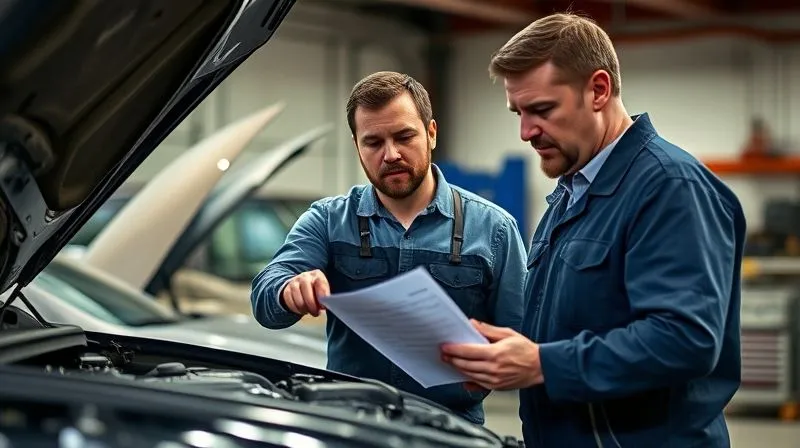
Never authorize repairs based on guesswork. Your priority should be to obtain a thorough diagnosis from a reputable mechanic and a detailed, itemized estimate. This empowers you to understand exactly what needs fixing and how much it will cost.
- Seek Multiple Quotes: Don't settle for the first estimate. Contact at least two or three different reputable shops. You might be surprised by the variance in pricing for the same repair.
- Understand the Breakdown: Ask for a clear explanation of parts versus labor costs. Sometimes, you can source parts more affordably yourself (if the shop allows), or negotiate labor rates.
- Written Estimates are Key: Always get estimates in writing. This protects you from unexpected charges later on.
Differentiating 'Urgent' from 'Can Wait'
Not every car issue demands immediate, professional repair, even if it's inconvenient. Some repairs are critical for safety and vehicle functionality, while others can be deferred temporarily. Knowing the difference can save you money and buy you time.
- Safety-Critical Repairs: Brakes, steering, significant fluid leaks, tire issues, exterior lights, engine warning lights (especially if flashing) usually fall into this category. These need immediate attention.
- Functionality-Critical Repairs: Issues preventing the car from starting or driving, like a dead battery (if not jump-startable) or transmission problems.
- Non-Urgent Repairs: Cosmetic damage, minor electrical glitches (non-safety related), AC issues, or worn but still functional parts might be able to wait a bit longer, allowing you time to save.
Know Your Credit Score (and why it matters now)
While your emergency fund is depleted, your credit score becomes a critical asset. It will dictate your eligibility and interest rates for any loans or credit options you might pursue. A good score opens more doors and offers better terms.
Actionable Step: Obtain your credit score and report from one of the major bureaus. Services like Experian, TransUnion, or Equifax often provide free access. Understand any negative marks and what they mean for your borrowing capacity.
Immediate Funding Solutions: Scrambling for the Cash
When facing an urgent professional car repair with no emergency fund, your focus must immediately shift to securing the necessary funds. This requires a strategic, multi-faceted approach, exploring every viable option while being wary of predatory lending.
Option 1: Negotiating with the Repair Shop
Many people overlook the power of negotiation. Repair shops, especially independent ones, often have more flexibility than you might think, particularly if you're a good customer or if they're not swamped with work.
- Ask for a Cash Discount: Some shops will offer a small discount (e.g., 5-10%) if you pay in cash, as it saves them credit card processing fees.
- Inquire About Payment Plans: Don't assume they don't offer them. Many shops work with customers on short-term payment arrangements, especially for larger repairs. Be prepared to make a significant down payment.
- Break Down the Repair: Ask if the repair can be done in stages. For instance, fixing critical safety issues first, and then addressing less urgent problems once you've saved more.
- Shop for Parts: If the shop allows, ask if you can source the parts yourself. Sometimes, you can find genuine or aftermarket parts at a lower cost online or from a different supplier.
Option 2: Short-Term, Low-Interest Credit Options
If your emergency fund is depleted, credit can be a lifeline, but it must be used judiciously. The goal is to get the car fixed without incurring crippling debt.
- 0% Intro APR Credit Cards: If you have good credit, you might qualify for a credit card with a 0% introductory APR for 12-18 months. This gives you time to pay off the repair without interest, provided you pay the balance before the promotional period ends. Be disciplined.
- Small Personal Loans: Banks and credit unions offer small personal loans. These typically have lower interest rates than credit cards and a fixed repayment schedule, making them more predictable. Compare rates carefully.
- Auto Repair Loans: Some lenders specialize in auto repair financing. These can be helpful but scrutinize interest rates and fees.
Expert Insight: Resist high-interest payday loans or title loans at all costs. While they offer quick cash, their exorbitant interest rates and fees are a debt trap that will exacerbate your financial woes. They are almost never a viable solution for an urgent professional car repair.
Resource: For comparing 0% APR credit card offers, reputable financial sites like NerdWallet or Bankrate are excellent starting points.
Option 3: Tapping into Other Resources (Carefully!)
When your emergency fund is depleted, it's time to think creatively about other temporary resources.
- Borrowing from Family or Friends: This can be a viable, low-cost option, but it comes with potential relationship risks. Always treat it as a formal loan: put the terms in writing, agree on a repayment schedule, and stick to it religiously.
- Employer Advance: Some employers offer short-term payroll advances. This is essentially borrowing against your next paycheck. Inquire with your HR department.
- Selling Unused Assets: Do you have high-value items gathering dust? Electronics, jewelry, or even a second vehicle could be sold quickly for cash.
- Pawn Shop (Last Resort): Pawning an item can provide quick cash, but be aware of the high interest rates and the risk of losing your item if you can't repay the loan. This should be a very last resort.
| Funding Source | Pros | Cons |
|---|---|---|
| Family/Friends | Low/No Interest, Flexible Terms | Strains Relationships, Potential Guilt |
| 0% APR Credit Card | No Interest (short-term), Builds Credit (if managed) | High Interest after Intro Period, Requires Discipline |
| Personal Loan | Fixed Payments, Predictable | Interest Accrues Immediately, Approval Needed |
| Employer Advance | No Interest, Easy Access | Reduces Next Paycheck, Limited Availability |
Option 4: Exploring Community & Assistance Programs
Various organizations offer assistance for unexpected financial hardships, including car repairs, especially if the vehicle is essential for work or medical appointments.
- Local Charities and Non-Profits: Many community organizations, religious groups, or local United Way chapters have funds or programs to help individuals in crisis.
- Automotive Assistance Programs: Some manufacturers, dealerships, or independent organizations offer programs. For example, some states have programs for low-income individuals to help with emission repairs.
- Online Crowdfunding: Platforms like GoFundMe can be effective, especially if you have a strong social network willing to contribute to your cause.
Resource: The Modest Needs Foundation is one example of a non-profit that provides short-term financial assistance to individuals and families who are working but still living paycheck-to-paycheck.
The Strategic Pivot: Rebuilding and Preventing Future Crises
Getting your car fixed is the immediate goal, but the true victory lies in preventing a recurrence of this stressful situation. This is where strategic financial planning comes into play, moving beyond the 'now what?' to 'never again.'
Case Study: Maria's Car Repair Comeback
Maria, a single mother relying on her 2012 Honda Civic for her commute and her children's school runs, faced an urgent transmission repair estimated at $2,500. Her emergency fund had been depleted by an unexpected medical bill a month prior. Panic set in. Following the steps I outlined, Maria first secured three quotes, settling on a reputable independent mechanic who offered a 10% discount for cash and agreed to a 50/50 payment plan over two months. She used a small personal loan from her credit union (at a reasonable 7% APR) for the initial payment and picked up weekend gig work delivering groceries to cover the second installment. Within three months, not only was her car fully repaired and the loan paid off, but she had also started rebuilding her emergency fund with dedicated transfers. This crisis became the catalyst for a more robust financial plan.
Expert Insight: A crisis is not just a problem, but an urgent lesson in financial resilience. Use the experience of your depleted emergency fund and urgent car repair to build stronger financial habits for the future.
Re-evaluating Your Emergency Fund Strategy
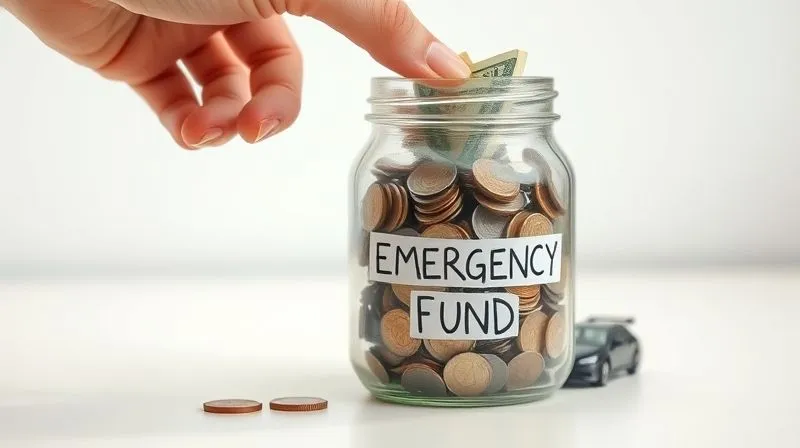
This experience is a loud wake-up call to re-evaluate your emergency savings. A general rule of thumb is 3-6 months of living expenses, but for car owners, a dedicated vehicle emergency buffer is crucial.
- Start Small, Stay Consistent: Even $25-$50 a week can accumulate quickly. Set up automated transfers immediately.
- Identify 'Found Money': Tax refunds, work bonuses, or unexpected windfalls should be directed straight into your emergency fund.
- Review Your Budget: Find areas where you can cut back, even temporarily, to accelerate your savings. Every dollar counts.
Implementing a Dedicated Car Maintenance Fund
Beyond a general emergency fund, I strongly recommend a separate, dedicated fund specifically for car maintenance and potential repairs. This ring-fences money for vehicle-specific needs, preventing it from being 'borrowed' for other emergencies.
- Calculate Average Costs: Research average annual maintenance costs for your specific vehicle make and model. Include oil changes, tire rotations, inspections, and common wear-and-tear items.
- Set a Target Amount: Aim to have at least $1,000-$2,000 in this fund, or enough to cover common major repairs like brakes or tires.
- Automate Transfers: Set up an automatic transfer of a small amount (e.g., $50-$100) from your checking account to this dedicated savings account each payday.
Proactive Car Maintenance: An Investment, Not an Expense
Preventative maintenance is your best defense against urgent professional car repair needs. Regular check-ups and addressing minor issues before they escalate can save you thousands in the long run.
- Follow Manufacturer's Schedule: Adhere to your car's recommended service intervals for oil changes, tire rotations, fluid checks, and major tune-ups.
- Address Warning Signs Promptly: Don't ignore dashboard warning lights, strange noises, or unusual smells. These are your car's way of telling you something is wrong.
- Regular Inspections: Get your car inspected annually by a trusted mechanic, even if it seems to be running fine.
According to AAA, diligent preventative maintenance can save drivers hundreds, if not thousands, of dollars annually by avoiding major breakdowns and extending vehicle lifespan. This is a critical component of preventing a situation where your emergency fund is depleted and you face an urgent car repair.
Diversifying Your Emergency Savings
Think of your emergency fund as having tiers. Not all emergencies are created equal, and not all funds need to be instantly accessible.
| Emergency Fund Tier | Purpose | Recommended Amount | Accessibility |
|---|---|---|---|
| Tier 1: Immediate Cash Buffer | Small, unexpected costs (e.g., flat tire, minor medical copay) | $500 - $1,000 | Instant (checking/cash) |
| Tier 2: Core Emergency Fund | Job loss, major medical, large car repair (3-6 months living expenses) | 3-6 months living expenses | 1-3 days (high-yield savings) |
| Tier 3: Specialized Savings | Car maintenance, home repairs, vacation, future large purchases | Varies by need | As needed (separate savings accounts) |
Leveraging Technology and Smart Tools
In today's digital age, numerous tools can help you manage your finances more effectively and even anticipate car repair costs.
Budgeting Apps and Software
These tools can be invaluable for tracking your spending, identifying areas to save, and automating your emergency fund contributions.
- You Need A Budget (YNAB): Excellent for zero-based budgeting, ensuring every dollar has a job.
- Mint: Great for tracking all your accounts in one place and categorizing spending.
- Personal Capital: Focuses on overall financial health, investments, and net worth tracking.
Auto Repair Cost Estimators
Before you even step into a shop, you can get a good idea of what a repair should cost, empowering you during negotiations.
Websites like RepairPal or Kelley Blue Book offer free tools where you can input your car's make, model, year, and the specific repair needed to get an estimated price range in your area. This knowledge is power when dealing with mechanics and helps you budget accurately, even if your emergency fund is depleted.
When All Else Fails: Considering More Drastic Measures (Temporarily)
While I always advocate for preventative measures and immediate, less drastic funding options, there are situations where more significant, albeit temporary, steps might be necessary to address an urgent professional car repair when your emergency fund is truly exhausted.
Temporary Downsizing or Selling Assets
If the repair cost is substantial and other avenues are closed, consider selling non-essential assets. This could mean a secondary vehicle you own but rarely use, high-value collectibles, or electronics. The key is to view this as a temporary, strategic move to get back on your feet, not a permanent loss.
Income Generation: Short-Term Gigs
The gig economy offers numerous opportunities for quick income generation. Services like Uber, Lyft, DoorDash, or TaskRabbit can provide immediate cash flow to cover a repair or to rapidly rebuild your emergency fund. Even selling items on local marketplaces like Facebook Marketplace or Craigslist can generate quick cash.
Frequently Asked Questions (FAQ)
Question: Can I really negotiate car repair costs, especially when I'm desperate? Detailed answer: Yes, absolutely. Desperation can lead to accepting the first offer, but even when your emergency fund is depleted, you still have some leverage. Always get multiple quotes. Ask for cash discounts. Inquire about payment plans. If the repair is extensive, ask if it can be broken down into stages, addressing the most critical safety issues first. Many independent shops value customer loyalty and are more flexible than dealerships.
Question: What's the fastest way to get money for urgent car repairs if my emergency fund is completely empty? Detailed answer: The fastest ways typically involve either borrowing or generating quick income. Borrowing from a trusted family member or friend, or using a 0% intro APR credit card (if you have good credit and can pay it back quickly) are often the quickest. For income generation, selling high-value unused items or picking up immediate gig work (like food delivery or rideshare if your car is temporarily functional for that) can provide rapid cash. Avoid high-interest payday loans.
Question: How do I prevent this 'depleted emergency fund, urgent car repair' situation from happening again? Detailed answer: Prevention is key. First, rebuild your general emergency fund to cover 3-6 months of living expenses. Second, create a separate, dedicated 'car maintenance fund' and automate transfers into it weekly or bi-weekly. Third, commit to proactive car maintenance – follow your car's service schedule, and address minor issues before they become major, costly repairs. Finally, diversify your savings, having different tiers for immediate cash, core emergencies, and specialized needs.
Question: Are there government programs or grants for car repair assistance? Detailed answer: While direct federal government grants specifically for car repairs are rare, there are often state-level programs, especially for low-income individuals, which may assist with emissions-related repairs or provide transportation assistance that could indirectly help. Local charities, non-profits, and religious organizations are more likely sources for direct financial aid or referrals to such programs. Always research local resources in your area.
Question: Is it ever okay to put car repairs on a credit card when my emergency fund is depleted? Detailed answer: Yes, but with extreme caution and a clear plan. If you have a credit card with a 0% introductory APR offer and are confident you can pay off the balance before the promotional period ends, it can be an excellent interest-free loan. If not, using a standard credit card for a large repair should be a last resort due to high interest rates. If you must, prioritize paying it off aggressively to minimize interest charges. A small personal loan from a bank or credit union might offer a lower, fixed interest rate, making it a more predictable option than a high-interest credit card.
Key Takeaways and Final Thoughts
- Act Calmly and Strategically: Don't let panic dictate your decisions. Get multiple professional estimates and understand the scope of the repair.
- Explore All Funding Avenues: From negotiating with shops and leveraging low-interest credit to tapping into community programs or temporary income generation, leave no stone unturned.
- Prioritize Long-Term Financial Resilience: Use this crisis as a catalyst to rebuild and strengthen your emergency fund, and create a dedicated car maintenance fund.
- Embrace Proactive Maintenance: An ounce of prevention is truly worth a pound of cure (and potentially thousands of dollars in repairs).
- Leverage Technology: Use budgeting apps and online estimators to manage your money and anticipate costs more effectively.
Facing an urgent professional car repair when your emergency fund is depleted is undoubtedly one of the most stressful financial situations. However, it is not insurmountable. By applying these expert strategies, you can not only navigate the immediate challenge but also emerge stronger and more financially resilient. Remember, every financial setback is an opportunity for growth and learning. Take control, make informed decisions, and empower yourself to build a future where unexpected car troubles don't derail your financial stability.
Recommended Reading
- How to Challenge a Denied Business Insurance Claim: 7 Expert Steps
- Crypto Staking Rewards: Demystifying Your Tax Obligations
- 7 Ways to Optimize Your Rainy Day Fund for Inflation & Liquidity
- 7 Proven Strategies: How to Mitigate Fraud Risks in Corporate Bank Accounts
- Slash Your Commercial Property Taxes: 7 Steps to Challenge Assessments





Comments
Leave a comment below. Your email will not be published. Required fields marked with *