



Is Online Banking Safe for Seniors to Use Effectively? Navigating Digital Finance with Confidence
Remember the days when banking meant a trip to the branch, waiting in line, and handling physical checks? For many seniors, this image is still the most familiar. Yet, the world has rapidly shifted, and with it, the way we manage our money. Online banking, once a niche convenience, is now a cornerstone of modern financial life. But a crucial question lingers for many: Is online banking safe for seniors to use effectively, especially with the constant news of cyber threats and scams?
This concern is valid and widely shared. The digital realm, while offering unparalleled convenience, can also feel like a labyrinth of potential risks, particularly for those who didn't grow up with the internet. Fears of identity theft, phishing scams, and complex interfaces often deter seniors from embracing a technology that could significantly simplify their daily financial tasks.
This comprehensive guide aims to demystify online banking for seniors. We will explore the robust security measures banks employ, provide practical tips to safeguard your accounts, and highlight the immense benefits that secure digital finance can offer. By the end of this reading, you will understand how to navigate online banking with confidence, ensuring both your financial security and peace of mind.
Understanding the Digital Landscape: Why Online Banking Matters for Seniors
The transition to digital banking isn't just about keeping up with technology; it's about unlocking a new level of financial autonomy and convenience. For seniors, who might face mobility challenges or simply prefer the comfort of their home, online banking offers a compelling alternative to traditional branch visits.
The Evolution of Banking
Decades ago, every transaction, from depositing a check to paying a bill, required a physical presence or a stamp. Today, financial institutions have invested billions in secure online platforms that allow you to manage nearly every aspect of your finances from a computer, tablet, or smartphone. This evolution wasn't just for younger generations; it was designed to be accessible, efficient, and ultimately, secure for everyone.
Benefits Beyond Convenience
- Accessibility: Manage your money 24/7 from anywhere with an internet connection. No need to worry about bank hours or travel.
- Time-Saving: Pay bills, transfer funds, and check balances in minutes, freeing up valuable time for other activities.
- Enhanced Tracking: Easily review transaction history, identify unusual activity, and track spending patterns with digital records.
- Cost-Efficiency: Reduce expenses associated with postage for bill payments or travel to bank branches.
- Safety from Theft: Carrying less cash or fewer checks reduces the risk of physical theft.
Embracing online banking means embracing a tool that puts your financial control directly into your hands, often with more oversight than traditional methods. The key lies in understanding how to use these tools securely.
Demystifying Security: Core Principles of Safe Online Banking
The question of is online banking safe for seniors to use effectively hinges on understanding the fundamental security layers banks have in place. While no system is impenetrable, modern banking security is incredibly robust, often exceeding the security of physical transactions.
Encryption and Secure Connections (HTTPS)
When you access your bank's website, look for 'HTTPS' in the web address and a padlock icon in your browser's address bar. This signifies that your connection is encrypted. Encryption scrambles your data as it travels between your device and the bank's servers, making it unreadable to anyone who might try to intercept it. It's like sending your financial information through a highly secure, invisible tunnel.
Multi-Factor Authentication (MFA/2FA)
This is one of the most powerful security features available. MFA requires two or more verification methods to log in, such as your password (something you know) combined with a code sent to your phone (something you have) or a fingerprint scan (something you are). Even if a scammer gets your password, they can't access your account without the second factor. Most reputable banks offer this, and it's highly recommended to enable it.
Fraud Monitoring and Alerts
Banks employ sophisticated artificial intelligence and algorithms to constantly monitor transactions for suspicious activity. If an unusual purchase or transfer occurs, you'll often receive an immediate alert via text or email, allowing you to quickly verify or flag the transaction. This proactive monitoring is a critical safeguard against unauthorized access and fraud.
Practical Steps for Seniors to Enhance Online Banking Security
While banks provide the infrastructure, your personal habits play a significant role in maintaining online banking safety. By adopting a few simple yet crucial practices, seniors can significantly reduce their risk.
Creating Strong, Unique Passwords
Your password is the first line of defense. Avoid using easily guessable information like birthdays, pet names, or sequential numbers. Instead, opt for long, complex passwords that combine uppercase and lowercase letters, numbers, and symbols. A passphrase, like 'MyFavoriteBookIsTheGreatGatsby1925!', can be both strong and memorable. Use a unique password for each online account, especially for your bank.
Recognizing and Avoiding Phishing Scams
Phishing is a common tactic where scammers try to trick you into revealing personal information through fake emails, texts, or websites. Always be suspicious of unsolicited messages asking for your bank details, passwords, or Social Security number. Banks will never ask for this sensitive information via email or text. Look for:
- Grammatical errors or typos.
- Urgent or threatening language.
- Links that don't match the official bank website address upon hovering.
- Requests to 'verify' or 'update' your account details via a link.
If in doubt, never click links. Instead, type your bank's official website address directly into your browser or call the number on the back of your bank card.
Securing Your Devices and Wi-Fi
Your computer, tablet, or smartphone can be a weak point if not properly secured. Ensure your devices have up-to-date operating systems and antivirus software. These updates often include critical security patches that protect against new threats. Avoid using public Wi-Fi networks (like those in coffee shops or airports) for banking, as they are often unsecured and vulnerable to snooping. If you must use public Wi-Fi, consider a Virtual Private Network (VPN) for an added layer of encryption.
Regular Account Monitoring
One of the best ways to ensure safety is to regularly check your bank statements and transaction history. Many seniors find this feature of online banking particularly effective. Look for any unfamiliar transactions, even small ones. Small, unauthorized charges can sometimes be a test by fraudsters to see if an account is active before attempting larger withdrawals. Report any suspicious activity to your bank immediately.
Common Scams Targeting Seniors and How to Spot Them
Seniors are unfortunately frequent targets for scammers due to perceived vulnerability or higher savings. Knowing the common types of scams can significantly bolster your defense against them.
Phishing and Smishing Attacks
As mentioned, these are attempts to 'fish' for your information. Smishing is phishing via SMS (text message). The messages often impersonate banks, government agencies (like the IRS or Social Security Administration), or well-known companies, urging you to click a link or call a number to 'resolve' an issue. Remember, legitimate organizations won't ask for sensitive data this way.
Tech Support Scams
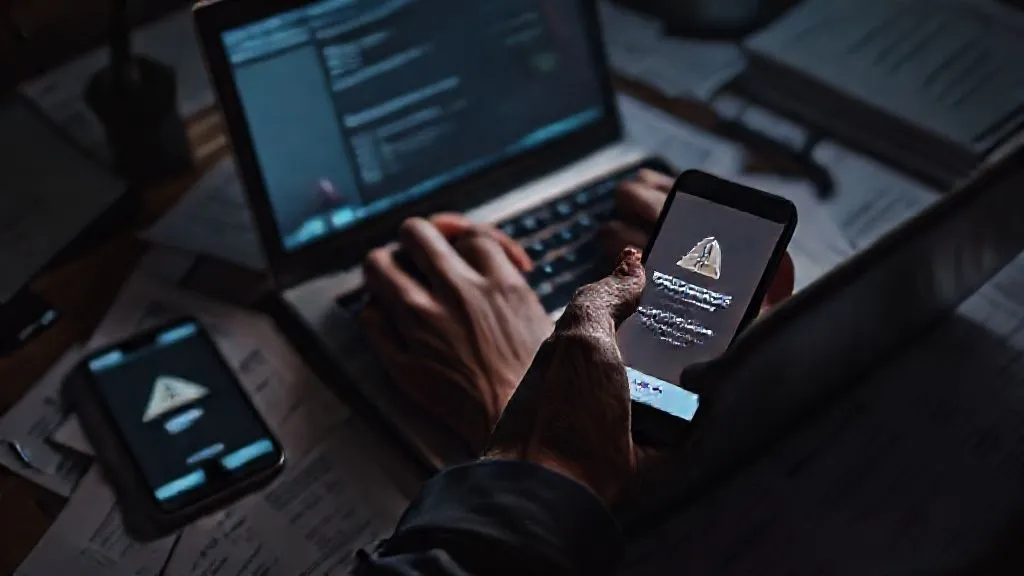
In this scam, a pop-up appears on your screen or a caller claims to be from a major tech company (e.g., Microsoft, Apple) reporting a virus on your computer. They'll ask for remote access to your device and often demand payment for 'fixing' a non-existent problem. Never give remote access to unsolicited callers or download software they recommend. Instead, contact the company directly using official contact information.
Grandparent Scams and Impersonation
This highly emotional scam involves a caller pretending to be a grandchild in distress, needing money for an emergency (bail, hospital bills, travel). The 'grandchild' often pleads for secrecy. Similarly, scammers may impersonate law enforcement or government officials, threatening arrest or fines if money isn't paid immediately. Always verify these stories by calling the family member or official agency directly using a known, trusted number, not one provided by the caller. According to the Federal Trade Commission (FTC), older adults reported losing $1.6 billion to scams in 2022 alone, underscoring the importance of vigilance.
What to Do if You Suspect a Scam
- Don't Engage: Hang up on suspicious calls, delete suspicious emails/texts without clicking links.
- Verify Independently: If you're concerned, contact the organization directly using a number from their official website or a trusted source (e.g., the back of your credit card).
- Report: Report scams to the FTC at reportfraud.ftc.gov and your local law enforcement. Inform your bank if it involves your account.
Leveraging Online Banking Features for Effective Financial Management
Beyond security, the true power of online banking lies in its utility. For seniors, these features can significantly simplify daily financial tasks and provide a clearer picture of their financial health.
Paying Bills Online
Say goodbye to stamps, envelopes, and missed due dates. Most banks offer a bill pay service where you can set up one-time or recurring payments to utilities, credit card companies, and other service providers. This ensures bills are paid on time, avoiding late fees, and provides an instant digital record of all payments.
Transferring Funds Safely
Need to send money to a family member, or move funds between your checking and savings accounts? Online banking makes it instantaneous and secure. You can set up transfers with just a few clicks, often with immediate availability of funds. This eliminates the need for physical checks or bank visits for simple transfers.
Monitoring Transactions and Balances
Easily view your account balances and transaction history in real-time. This allows for quick reconciliation of your spending and ensures that all transactions are legitimate. Many seniors find this level of transparency incredibly reassuring, providing a clear snapshot of their financial standing at any moment.
Setting Up Alerts and Reminders
Customize alerts to be notified of various account activities: low balance warnings, large transactions, deposits, or even when a bill is due. These alerts can be sent via email or text, providing an extra layer of awareness and control over your finances. This proactive approach helps answer the question, 'Is online banking safe for seniors to use effectively?' by giving them tools to stay informed.
Building Confidence: Resources and Support for Seniors
It's natural to feel a bit overwhelmed when adopting new technology. Fortunately, there are numerous resources available to help seniors gain confidence and proficiency in online banking.
Bank-Provided Educational Resources
Most major banks offer extensive online tutorials, FAQs, and dedicated customer support lines to assist with online banking. Many even have specific sections on their websites dedicated to digital security and fraud prevention. Don't hesitate to call their customer service number (found on their official website or the back of your card) for personalized guidance.
Community Workshops and Libraries
Local libraries, senior centers, and community colleges often host free workshops on basic computer skills, internet safety, and even specific online banking tutorials. These provide a hands-on learning environment with instructors who can answer questions in person. Check your local community listings for available programs.
Trusted Family and Friends
If you have a trusted family member or friend who is tech-savvy, they can be an invaluable resource. They can sit with you, guide you through the process, and answer your questions in a comfortable setting. However, it's crucial to never share your passwords or sensitive login information, even with trusted individuals. Always be the one to input your credentials.
The Future of Digital Banking: What's Next for Senior Users?
The landscape of digital banking is constantly evolving, with new technologies emerging that promise even greater security and ease of use. These advancements are designed with user experience in mind, making online banking more intuitive for all age groups.
Biometric Security
Fingerprint scans and facial recognition are becoming common login methods for mobile banking apps. These biometric identifiers are unique to you, making unauthorized access extremely difficult. Many smartphones and tablets now come with built-in biometric scanners, simplifying the login process while enhancing security.
AI-Powered Assistance
Artificial intelligence is being integrated into banking apps to provide personalized financial advice, help track spending, and even detect unusual patterns in your transactions. AI can also power intelligent chatbots that provide instant answers to common questions, guiding users through processes without needing to speak to a representative.
Simplified Interfaces
Banks are continually refining their online platforms to be more user-friendly, with cleaner designs, larger fonts, and clearer navigation. The goal is to make the online banking experience as straightforward and intuitive as possible, reducing complexity and increasing accessibility for seniors and all users.
Frequently Asked Questions (FAQ)
Is online banking really safer than carrying cash or using checks? In many ways, yes. While online banking has its own risks (like scams), it eliminates the physical risks of carrying cash, losing checks, or having them intercepted in the mail. Banks employ advanced security measures that are constantly updated, often making digital transactions more secure than traditional paper-based ones. The FDIC (Federal Deposit Insurance Corporation) also provides guidance on protecting your accounts.
What if I forget my online banking password? Don't panic! All reputable banks have a 'Forgot Password' or 'Reset Password' option on their login page. This process usually involves verifying your identity through security questions, a code sent to your phone/email, or other multi-factor authentication methods. You will then be prompted to create a new password.
Can I use online banking on my smartphone or tablet? Absolutely! Most banks offer dedicated mobile banking apps for both smartphones and tablets. These apps are often designed for ease of use, with touch-friendly interfaces and sometimes even biometric login options (fingerprint, face ID), making banking on the go convenient and secure.
How do I know if a website is secure for banking? Always look for 'HTTPS' at the beginning of the website address (not just 'HTTP') and a padlock icon in your browser's address bar. This indicates that the connection is encrypted. Also, ensure the domain name exactly matches your bank's official website (e.g., 'yourbank.com', not 'yourbankk.net' or 'yourbank-login.com').
What's the biggest mistake seniors make with online banking? The biggest mistake is often falling for phishing scams or sharing personal information with unauthorized individuals. Never click on suspicious links, download unsolicited attachments, or give out your password, Social Security number, or bank account details over the phone or email unless you have initiated the contact and verified the recipient is legitimate.
Recommended Reading
- Raise Your Credit Score Fast & Free: The Ultimate Guide [2024]
- Unlock Financial Peace: How an Emergency Fund Shields You
- Unlock Ethical Wealth: How to Evaluate Fair Trade Investment Options?
- Unmasking Fraud: How Big Data Finance Revolutionizes Protection
- Global Economy 2025 Forecasts: How Accurate Are They Really?
Conclusion
The question, "Is online banking safe for seniors to use effectively?" can be confidently answered with a resounding yes, provided you approach it with awareness and diligence. Online banking offers unparalleled convenience, control, and accessibility, empowering seniors to manage their finances independently and efficiently. By understanding the robust security measures employed by banks, adopting smart personal habits like strong passwords and recognizing common scams, and utilizing the helpful features available, seniors can unlock the full potential of digital finance.
Embracing online banking is not just about keeping up with the times; it's about enhancing your financial security and simplifying your life. With the right knowledge and a cautious approach, you can confidently navigate the digital financial landscape, secure in the knowledge that your money is safe and accessible whenever you need it.



Comments
Leave a comment below. Your email will not be published. Required fields marked with *