7 Strategies to Sustain Crypto Mining Profits Amidst Rising Difficulty
Declining crypto mining profits? Discover 7 expert strategies to optimize operations, reduce costs, and innovate for sustained success. Learn how to sustain crypto mining profits with increasing difficulty and thrive. Actionable insights await!
7 Strategies to Sustain Crypto Mining Profits Amidst Rising Difficulty
How to Sustain Crypto Mining Profits with Increasing Difficulty?
For over a decade in the digital currency space, I've witnessed the exhilarating highs and the daunting challenges that come with cryptocurrency mining. What started as a niche pursuit for tech enthusiasts has evolved into a global industry, but with that growth comes an inevitable hurdle: increasing network difficulty. I've seen countless miners, both small-scale and industrial, hit a wall when their once-lucrative operations start bleeding money.
The core problem is straightforward yet insidious: as more miners join a network and technology advances, the computational power required to mine a block intensifies. This 'difficulty' adjustment, a fundamental mechanism in Proof-of-Work blockchains like Bitcoin, ensures consistent block times but directly erodes profitability for individual miners. Suddenly, your energy costs skyrocket relative to your rewards, and your hardware feels obsolete overnight. It's a relentless treadmill where standing still means falling behind.
But despair not. In my experience, this isn't an insurmountable challenge; it's an evolutionary pressure. This article isn't just a collection of tips; it's a strategic framework, born from years of navigating these very waters. We'll explore actionable strategies, drawing on real-world insights and expert recommendations, designed to not only help you survive but truly thrive and sustain crypto mining profits with increasing difficulty. Prepare to redefine your mining approach.
Understanding the Shifting Sands: Why Difficulty Matters
Before we dive into solutions, it's crucial to grasp the mechanics of mining difficulty. It’s not an arbitrary number; it's a carefully calibrated mechanism designed to maintain the integrity and predictability of a blockchain. Simply put, it measures how hard it is to find a new block compared to the easiest it could ever be.
The Genesis of Mining Difficulty
Take Bitcoin, for example. Its protocol aims for a new block to be found approximately every 10 minutes. If blocks are found faster than that target (meaning more hashing power has joined the network), the difficulty automatically increases. Conversely, if blocks are found slower, difficulty decreases. This adjustment happens roughly every two weeks (2016 blocks for Bitcoin). This constant recalibration ensures the network remains secure and predictable, regardless of how many miners are competing. This mechanism is fundamental to Satoshi Nakamoto's original design.
Impact on Profitability Metrics
The direct impact on a miner's bottom line is profound. As difficulty rises, the probability of your mining rig (or share of a pool) finding a block, and thus earning a reward, diminishes. To maintain the same reward rate, you'd need proportionally more hashing power. This translates directly into higher hardware investment and, critically, higher electricity consumption. Your revenue per unit of hash rate drops, while your operational costs per unit of hash rate often remain constant or even increase. This squeeze is precisely why miners are constantly asking, "How to sustain crypto mining profits with increasing difficulty?"
Expert Insight: "Mining difficulty is the blockchain's natural selection mechanism. Only the most efficient, adaptable, and strategically sound operations will endure and prosper in the long run."
A photorealistic 3D bar chart showing two overlapping series: one representing rapidly increasing cryptocurrency mining difficulty over time, and the other representing a steadily declining average daily profit margin for miners. The chart has a clean, professional aesthetic with subtle digital lines, cinematic lighting, sharp focus on the data, depth of field blurring the background, 8K hyper-detailed, shot on a high-end DSLR.
Strategy 1: Ruthless Efficiency – Optimizing Your Operations
The first line of defense against increasing difficulty is to become incredibly efficient. This isn't just about bigger machines; it's about smarter operations. Every watt, every degree Celsius, and every hash counts.
Hardware Upgrades & Maintenance
Your mining hardware is your primary tool. As difficulty rises, older, less efficient hardware quickly becomes unprofitable. Regular evaluation and timely upgrades are non-negotiable. I've seen miners cling to outdated rigs, only to realize they're paying more in electricity than they're earning.
Perform a Cost-Benefit Analysis: Regularly calculate the ROI of your current hardware versus newer, more efficient models. Factor in hash rate per watt, purchase price, and expected lifespan.
Timely Upgrades: Don't wait until your rigs are completely unprofitable. Strategic upgrades can keep you ahead of the curve. Consider selling older hardware while it still holds value.
Proactive Maintenance: Dust, heat, and component degradation are silent killers. Regular cleaning, fan replacement, and firmware updates can significantly extend the lifespan and maintain the efficiency of your existing rigs.
Overclocking (with caution): While it can boost hash rate, it also increases power consumption and heat. Only attempt with proper cooling and monitoring, understanding the risks to hardware longevity.
Power Consumption & Cooling Solutions
Electricity is typically the largest operational expense. Minimizing this cost directly impacts your profitability. This goes beyond just finding cheap electricity; it involves optimizing how your hardware uses that power.
Advanced Cooling: Efficient cooling reduces hardware degradation and allows for optimal performance. Consider immersion cooling or liquid cooling solutions for large-scale operations, which can be significantly more energy-efficient than traditional air cooling.
Cooling Method
Energy Overhead
Hardware Lifespan Impact
Noise Level
Air Cooling (Standard)
10-20% of mining power
Moderate degradation
High
Liquid Cooling (Direct-to-chip)
5-10% of mining power
Low degradation
Moderate
Immersion Cooling
2-5% of mining power
Very low degradation
Low
Expert Insight: "The most profitable hash rate isn't just the highest; it's the one achieved with the lowest possible energy expenditure per unit. Focus on watts per terahash, not just terahashes."
Strategy 2: The Power Play – Sourcing Sustainable Energy
Given that electricity costs are the primary variable, securing affordable and sustainable power is a game-changer. This strategy addresses the fundamental challenge of how to sustain crypto mining profits with increasing difficulty by attacking the largest operational expense.
Renewable Energy Integration
The future of profitable mining, especially at scale, lies in renewable energy. Not only does it offer lower, more stable electricity prices, but it also aligns with growing environmental, social, and governance (ESG) concerns, which can attract investment and positive public perception. I've seen several large farms successfully transition to hydro or solar power, drastically reducing their operational costs.
On-site Generation: Investing in solar farms, wind turbines, or even small-scale hydro projects can provide a dedicated, low-cost power supply.
Power Purchase Agreements (PPAs): For those who can't invest in their own infrastructure, securing long-term PPAs with renewable energy providers can lock in favorable rates.
Waste Heat Recovery: Explore opportunities to use the significant waste heat generated by mining rigs for other purposes, such as heating greenhouses or residential spaces, creating a secondary revenue stream.
Geographic Relocation for Cheaper Power
Sometimes, the most straightforward solution is to move your operation. Different regions and countries have vastly different electricity prices, often driven by local energy sources and regulations. Areas with abundant hydroelectric power, geothermal energy, or surplus natural gas can offer significantly cheaper rates.
When considering relocation, evaluate not just the electricity cost, but also political stability, regulatory environment, internet infrastructure, and logistics for hardware maintenance and replacement. A holistic view is critical to avoid trading one problem for another.
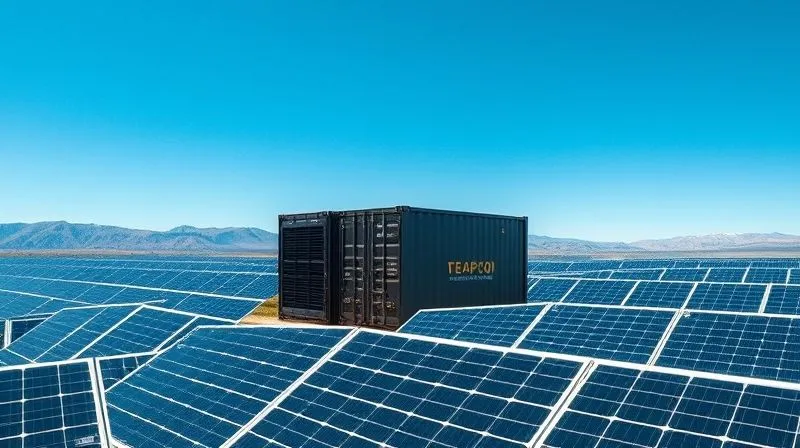
A photorealistic, professional photography of a large-scale cryptocurrency mining farm nestled within a vast solar panel array under a clear blue sky. The mining containers are sleek and modern, integrated seamlessly with the renewable energy source. 8K, cinematic lighting, sharp focus on the integration, depth of field blurring distant mountains, shot on a high-end DSLR, conveying sustainability and technological harmony.
Strategy 3: Smart Pool Participation & Solo Mining Considerations
The choice between solo mining and joining a mining pool significantly impacts your profitability and risk profile, especially as difficulty escalates. Understanding the dynamics here is key to how to sustain crypto mining profits with increasing difficulty.
Choosing the Right Mining Pool
For most individual miners, especially those without massive hashing power, joining a mining pool is almost a necessity. Pools aggregate the hash rate of many participants, increasing the likelihood of finding a block and distributing rewards proportionally. However, not all pools are created equal.
Fee Structure: Understand the pool's fees (e.g., PPS, PPLNS, FPPS). PPLNS (Pay Per Last N Shares) can be more volatile but potentially more rewarding for consistent miners, while FPPS (Full Pay-Per-Share) includes transaction fees, offering more stable payouts.
Pool Size & Stability: A larger, more stable pool offers more consistent payouts. However, be mindful of over-centralization issues within the network.
Reputation & Payout History: Research the pool's track record for honesty and timely payouts. Community reviews and historical data are invaluable.
Minimum Payout Thresholds: Ensure the threshold is reasonable for your hash rate; you don't want your earnings locked up indefinitely.
Server Locations & Latency: Low latency to the pool's servers reduces stale shares, which are shares submitted too late to be counted.
The Nuances of Solo Mining
Solo mining, while offering the allure of capturing a full block reward, becomes increasingly impractical and financially risky as difficulty climbs. The probability of an individual miner finding a block becomes astronomically low, leading to long periods with no rewards. This is a strategy only viable for those with truly enormous hash rates or as a lottery ticket for smaller players who can afford to wait indefinitely for a payout.
Expert Insight: "For the vast majority, a well-researched mining pool provides the necessary stability and consistency to navigate the volatility of difficulty adjustments. Solo mining is a high-risk, high-reward gamble best left to the whales."
While Bitcoin often dominates the headlines, a strategic miner knows that the digital currency landscape is vast. Diversifying your mining efforts into altcoins can be a powerful way to sustain crypto mining profits with increasing difficulty, especially when Bitcoin mining becomes excessively competitive.
Identifying Profitable Altcoins for Mining
The key here is research and agility. Altcoin profitability can be highly volatile, swinging with market sentiment and development news. Tools like WhatToMine.com are invaluable for real-time profitability comparisons, but don't rely solely on them.
Algorithm Compatibility: Different altcoins use different hashing algorithms (e.g., Ethash, KawPow, Scrypt, X11). Your hardware (ASIC, GPU, CPU) will be optimized for specific algorithms.
Market Cap & Liquidity: Mining an obscure coin with no market or liquidity is pointless. Focus on projects with established communities and exchange listings.
Development Activity & Roadmap: A vibrant development team and a clear roadmap indicate potential for future growth and sustained interest.
Upcoming Halvings or Protocol Changes: Be aware of events that might significantly impact a coin's supply or mining mechanism.
Algorithm Adaptability and Hardware Compatibility
GPU miners, in particular, have a significant advantage in altcoin mining due to their flexibility. A single GPU rig can often switch between several different algorithms, allowing miners to chase the most profitable coin at any given time. ASIC miners are generally purpose-built for one specific algorithm, limiting their adaptability.
This adaptability is crucial. As difficulty spikes on one chain, a GPU miner can pivot to a less difficult, temporarily more profitable altcoin. This flexibility is a core strategy for how to sustain crypto mining profits with increasing difficulty.
Cryptocurrency
Algorithm
Hardware Type
Key Consideration
Ethereum Classic (ETC)
Ethash
GPU
Post-Merge PoW option, strong community
Ravencoin (RVN)
KawPow
GPU
ASIC-resistant, popular for GPU miners
Litecoin (LTC)
Scrypt
ASIC
Established, less volatile than some altcoins
Kaspa (KAS)
kHeavyHash
ASIC/GPU
Newer, high throughput, rapidly growing
Strategy 5: Hedging Your Bets – Financial Strategies for Volatility
Mining isn't just a technical endeavor; it's a financial one. The value of the cryptocurrency you mine, coupled with increasing difficulty, introduces significant market volatility. Smart financial strategies are paramount to sustain crypto mining profits with increasing difficulty, regardless of market swings.
Dollar-Cost Averaging Your Mining Rewards
Instead of selling all your mined coins immediately, or holding them all indefinitely, consider a dollar-cost averaging (DCA) approach. This involves selling a fixed amount of your mined crypto at regular intervals, regardless of the price. This strategy mitigates the risk of trying to time the market and smooths out your average selling price over time.
Automate Sales: Many exchanges allow you to set up recurring sales of a specific amount of crypto.
Allocate for Expenses: Ensure you sell enough to cover your operational costs (electricity, maintenance) and a reasonable profit margin.
Long-Term Holdings: DCA allows you to take profits while still accumulating a portion of your mined assets for potential future appreciation.
Futures and Options for Price Protection
For more sophisticated miners, utilizing derivatives markets can offer a powerful hedging mechanism. Futures contracts allow you to lock in a future selling price for your mined crypto, protecting you from price drops. Options contracts offer similar protection but with more flexibility.
Expert Insight: "Don't just be a miner; be a financial strategist. Market volatility can decimate profits faster than any difficulty adjustment. Implement hedging strategies to protect your hard-earned assets." According to a Deloitte report on blockchain trends, risk management for digital assets is becoming increasingly sophisticated and crucial for industry players.
Strategy 6: Innovation & Niche Mining – Beyond Traditional PoW
The cryptocurrency landscape is constantly evolving, and so too must mining strategies. Relying solely on traditional Proof-of-Work (PoW) mining for established coins might not be enough to sustain crypto mining profits with increasing difficulty in the long term. Looking at emerging paradigms and niche opportunities is crucial.
Exploring Proof-of-Stake (PoS) & Hybrid Models
While traditional mining focuses on PoW, the rise of Proof-of-Stake (PoS) offers an alternative for earning rewards by holding and 'staking' coins. Many PoW chains are transitioning or considering hybrid models. If your hardware mining becomes unprofitable, shifting capital to staking could be a viable alternative. This requires a different skillset – more financial management and less hardware maintenance – but it's a critical area to monitor.
Staking as a Service: For those uncomfortable with technical setups, various platforms offer staking services, abstracting away the complexities.
Liquid Staking: Explore options that allow you to stake your assets while maintaining liquidity.
A fascinating emerging niche is DePIN. These networks incentivize individuals to build and maintain real-world infrastructure (like WiFi hotspots, sensor networks, or data storage) by rewarding them with cryptocurrency. This isn't 'mining' in the traditional sense of solving cryptographic puzzles, but it is a form of decentralized incentivized contribution that leverages hardware. Projects like Helium (for wireless networks) or Filecoin (for decentralized storage) are prime examples. This could be a significant area for future hardware-based earnings.
Expert Insight: "The definition of 'mining' is expanding beyond just PoW. Keep an open mind to new paradigms like DePIN, which leverage physical infrastructure to earn crypto rewards. Adaptability to these new models is key for long-term survival." As Harvard Business Review often highlights, innovation in blockchain extends far beyond financial applications.A photorealistic, professional photography of a futuristic, sleek server rack glowing with soft, multi-colored light, representing a diverse array of blockchain technologies beyond traditional PoW. Holographic interfaces display data streams and network connections, emphasizing innovation and adaptability. 8K, cinematic lighting, sharp focus, depth of field blurring a complex digital landscape, shot on a high-end DSLR, conveying cutting-edge technology.
Strategy 7: The Long Game – Community, Education, and Adaptability
Finally, and perhaps most importantly, sustaining crypto mining profits with increasing difficulty is less about a single tactic and more about a mindset. It's about playing the long game, staying informed, and fostering resilience.
Staying Informed and Connected
The digital currency space moves at lightning speed. What's profitable today might be obsolete tomorrow. Active engagement with the mining community, following reputable news sources, and understanding impending protocol changes are non-negotiable. Join forums, attend webinars, and connect with other miners. Collective intelligence can often identify opportunities or threats before they become widely apparent.
Continuous Learning and Skill Development
Don't just be a button-pusher. Understand the underlying technology, the economics of different blockchains, and the nuances of market dynamics. Skills in data analysis, network security, and even basic electrical engineering can give you a significant edge. The more you understand, the better equipped you'll be to adapt.
Case Study: Phoenix Miners' Adaptability
Case Study: Phoenix Miners' Adaptability
Phoenix Miners, a medium-sized mining operation based in the Pacific Northwest, faced severe profit compression in late 2022 due to rising electricity costs and a sharp increase in network difficulty. Their traditional Bitcoin mining operations were barely breaking even. Instead of shutting down, the founder, Alex, implemented a multi-pronged strategy based on the principles we've discussed. First, they negotiated a new PPA with a local hydroelectric plant, significantly cutting their energy costs. Second, they began re-allocating a portion of their GPU hash rate to newly emerging, profitable altcoins with different algorithms, leveraging tools for real-time profitability switching. Third, they started exploring opportunities in DePIN by deploying a small network of data storage nodes, creating an entirely new revenue stream. This proactive approach allowed Phoenix Miners to not only survive but actually increase their overall profitability by 15% within six months, demonstrating the power of diversification and adaptability in a challenging environment.
Frequently Asked Questions (FAQ)
Q: Is crypto mining still profitable for small-scale miners with increasing difficulty?A: For most small-scale miners, solo mining is no longer consistently profitable due to high difficulty. Joining a well-managed mining pool, focusing on energy efficiency, and potentially exploring niche altcoins or DePIN projects are crucial for any chance of profitability. The days of casual CPU/GPU mining for significant returns are largely over for major cryptocurrencies.
Q: How do I calculate my current profitability, factoring in difficulty increases?A: You need to track your average hash rate, electricity consumption (watts), electricity cost per kWh, and the current network difficulty. Online calculators (like WhatToMine.com) can provide estimates, but always cross-reference with your actual energy bills and pool payouts. Project future difficulty increases using historical data to make informed decisions about hardware upgrades or shifts.
Q: What's the biggest mistake miners make when difficulty rises?A: The biggest mistake is inaction or stubbornness. Many miners fail to adapt their strategy, cling to outdated hardware, or refuse to explore alternative coins or energy solutions. The market demands agility; those who wait too long often find themselves underwater, unable to recover their initial investment.
Q: Should I invest in cloud mining to avoid difficulty issues?A: Cloud mining can seem attractive as it removes hardware management. However, it comes with its own risks: high fees, lack of transparency, and scams are prevalent. While it bypasses direct difficulty management, the cloud mining provider still faces the same challenges, and their profitability is passed on to you. Always do extensive due diligence and compare long-term costs against potential returns very carefully.
Q: How long can one expect a new ASIC miner to remain profitable with increasing difficulty?A: This is highly variable, depending on the specific ASIC model's efficiency, the cryptocurrency's price, and the rate of difficulty increase. Historically, a top-tier ASIC might remain highly profitable for 1-2 years before its ROI diminishes significantly. After that, it might still be profitable but with much tighter margins, making energy cost even more critical. Constant evaluation is necessary.
Key Takeaways and Final Thoughts
Embrace Efficiency: Ruthlessly optimize your hardware, cooling, and power consumption to reduce operational costs.
Prioritize Power: Seek out the cheapest, most sustainable energy sources, even if it means relocating or investing in renewables.
Be Strategic with Pools: Choose the right mining pool for stability and consistent payouts, avoiding the high-risk gamble of solo mining for most.
Diversify and Adapt: Don't be solely reliant on one cryptocurrency. Explore profitable altcoins and be ready to switch.
Hedge Your Bets: Employ financial strategies like DCA or derivatives to mitigate market volatility.
Innovate and Look Ahead: Keep an eye on emerging technologies like DePIN and consider transitions to PoS where appropriate.
Stay Informed: The crypto landscape is dynamic. Continuous learning and community engagement are your best defenses.
The journey to sustain crypto mining profits with increasing difficulty is undoubtedly challenging, but it is far from impossible. It demands foresight, adaptability, and a commitment to continuous improvement. As a veteran in this space, I can assure you that those who treat mining not just as a technical endeavor but as a strategic business, constantly optimizing and innovating, are the ones who will not only survive but truly thrive in the evolving digital currency ecosystem. The future of mining belongs to the smart, the efficient, and the adaptable. Go forth and mine wisely.
I'm self-taught, passionate about writing, and driven by the desire to understand the world — one subject at a time. I've dived into copywriting, SEO, and content production, all hands-on. This blog is where I bring all the pieces together. If you're also the curious type, you'll feel right at home.
Comments
Leave a comment below. Your email will not be published. Required fields marked with *











Comments
Leave a comment below. Your email will not be published. Required fields marked with *