



How to Secure Financial Recovery from Unsafe Products?
For over 15 years in the financial and consumer rights arena, I've witnessed firsthand the devastating impact unsafe products can have on individuals and families. It's not just about the physical harm; the financial fallout—medical bills, lost wages, property damage—can be crippling, adding insult to injury.
The feeling of betrayal when a product you trusted causes harm is profound. Many consumers feel helpless, unsure where to turn or how to challenge large corporations. The legal landscape can seem daunting, and the idea of fighting for compensation often feels like an insurmountable task.
This article isn't just a guide; it's a battle plan. I will walk you through the precise steps to secure financial recovery from unsafe products, offering actionable frameworks, a real-world case study, and expert insights to empower you on your journey toward justice and restitution.
Understanding Product Liability: Your Rights & Manufacturer Responsibilities
Before diving into recovery, it's crucial to understand the bedrock of your claim: product liability law. This area of law holds manufacturers, distributors, suppliers, retailers, and others who make products available to the public responsible for the injuries those products cause.
Defining 'Unsafe' and 'Defective'
A product is generally considered 'unsafe' or 'defective' if it poses an unreasonable danger to the consumer when used as intended, or even in a reasonably foreseeable unintended manner. This isn't about minor inconveniences; it's about significant risks that lead to harm.
In my experience, many consumers underestimate the breadth of what constitutes a defect. It's often more than just a visible flaw; it can be a hidden danger in the product's design or a lack of crucial information.
Types of Product Liability Claims
There are typically three categories under which product liability claims fall, each with distinct legal nuances:
- Manufacturing Defects: These occur when a product deviates from its intended design, even if the design itself is safe. Think of a batch of products where one unit has a faulty component due to an error on the assembly line.
- Design Defects: Here, the entire product line is inherently dangerous, regardless of how carefully it was manufactured. The design itself makes the product unsafe, even if perfectly constructed. A common example might be a vehicle model with a known rollover risk due to its fundamental design.
- Warning Defects (Failure to Warn): This applies when a product lacks adequate warnings or instructions about non-obvious dangers. If a product has inherent risks that cannot be designed out, manufacturers must inform consumers clearly. For instance, a medication without proper dosage instructions or side effect warnings.
Immediate Steps After Discovering an Unsafe Product
The moments immediately following the discovery of an unsafe product, especially if it caused injury, are critical. Your actions here can significantly impact your ability to secure financial recovery from unsafe products later on.
- Prioritize Safety & Seek Medical Attention: Your health is paramount. If the product caused injury, seek immediate medical care. Document everything: doctor's visits, diagnoses, treatments, and prescriptions.
- Stop Using the Product: Discontinue use of the product immediately to prevent further harm. Do not attempt to repair it, as this could be seen as tampering with evidence.
- Preserve the Product and All Packaging: This is non-negotiable. Keep the product, its original packaging, instruction manuals, and any purchase receipts. Store it safely and securely.
- Document Everything: Take detailed photos and videos of the product, the defect, the scene of the incident, and any injuries or property damage. Keep a journal documenting symptoms, pain levels, and how the incident has affected your daily life.
- Identify Witnesses: If anyone saw the incident or has knowledge of the product's defect, gather their contact information. Their testimony could be invaluable.
- Report the Incident: Notify the retailer where you purchased the product and, if known, the manufacturer. Keep records of all communications. Consider reporting to relevant government agencies like the Consumer Product Safety Commission (CPSC) if it's a consumer product.

Gathering Evidence: The Cornerstone of Your Claim
As I always tell my clients, a claim is only as strong as the evidence supporting it. This phase requires meticulous attention to detail and a systematic approach to build an undeniable case.
What Kind of Evidence Do You Need?
Beyond the immediate steps, you'll need to compile a comprehensive dossier:
- Proof of Purchase: Receipts, credit card statements, online order confirmations. This establishes you as a legitimate consumer.
- Medical Records: All records related to your injuries, including emergency room reports, doctor's notes, specialist consultations, therapy records, and medication lists. These directly link the product to your harm.
- Lost Wages Documentation: Pay stubs, employer statements, tax returns. This quantifies your financial losses due to inability to work.
- Property Damage Estimates: Repair bills or replacement costs for any property damaged by the unsafe product.
- Expert Reports: In many complex cases, an expert witness (e.g., an engineer, medical professional) will need to examine the product and provide a report on its defectiveness and causation.
- Consumer Complaints & Recalls: Research if there have been other complaints or recalls related to the same product or manufacturer. This can demonstrate a pattern of negligence.
Expert Insight: "The single biggest mistake I've seen consumers make is underestimating the power of thorough documentation. Every photo, every receipt, every medical note acts as a piece of the puzzle, building an irrefutable narrative for your case."
Navigating Legal Avenues: When to Seek Expert Counsel
While gathering evidence is something you can start independently, navigating the legal complexities of product liability requires specialized expertise. This is where a seasoned product liability attorney becomes your most valuable asset.
The Role of a Product Liability Lawyer
A good lawyer will:
- Assess Your Claim: Determine the viability of your case, identify responsible parties, and advise on the type of defect.
- Gather Additional Evidence: They have the resources to conduct independent investigations, depose witnesses, and consult with expert engineers or medical professionals.
- Handle Negotiations: They will communicate with insurance companies and defense attorneys, negotiating for a fair settlement on your behalf.
- Represent You in Court: If a settlement cannot be reached, they will litigate your case, presenting your evidence and arguing your position effectively.
Many product liability attorneys work on a contingency fee basis, meaning they only get paid if you win your case, typically a percentage of the settlement or award. This makes legal representation accessible even if you don't have upfront funds.
Case Study: How the Miller Family Secured Justice
Case Study: How the Miller Family Secured Justice
The Miller family purchased a new, popular brand of toaster oven. Within weeks, while in operation, the oven unexpectedly short-circuited, causing a small kitchen fire that damaged their countertops and cabinets, and resulted in Mrs. Miller suffering minor smoke inhalation. Initially, they were overwhelmed, thinking it was just 'bad luck.' However, after following the immediate steps I outlined, they preserved the charred oven and all documentation.
Upon consulting with a product liability attorney, it was discovered that this particular model had a known design flaw in its wiring, leading to similar incidents in other households. Their attorney leveraged the preserved evidence—photos of the damage, Mrs. Miller's medical records, and the defective appliance itself—along with expert testimony on the design flaw. The manufacturer, facing strong evidence and a pattern of similar complaints, opted to settle out of court, providing the Millers with full compensation for their property damage, medical expenses, and even emotional distress. This case highlights how diligent preservation of evidence and expert legal representation are crucial to secure financial recovery from unsafe products.
The Claims Process: From Negotiation to Litigation
Once you have a lawyer and a strong body of evidence, the formal claims process begins. This typically involves several stages, with the goal always being to achieve fair compensation for your losses.
Initial Demand and Negotiation
Your attorney will typically send a formal demand letter to the manufacturer or their insurer, outlining the incident, the defect, the injuries, and the compensation sought. This often initiates a period of negotiation, where offers and counter-offers are exchanged.
Many cases settle during this phase, as both parties may prefer to avoid the time, expense, and uncertainty of a trial. Your lawyer's negotiation skills are critical here to ensure you don't settle for less than your case is worth.
Filing a Lawsuit and Discovery
If negotiations fail, your attorney will file a lawsuit. This moves the case into the 'discovery' phase, where both sides exchange information, including documents, interrogatories (written questions), and depositions (out-of-court sworn testimonies). This phase can be lengthy but is essential for uncovering all relevant facts.
For more detailed information on the legal process, I often direct clients to resources like the American Bar Association's guide on Product Liability.
Understanding Damages: What You Can Recover
When seeking to secure financial recovery from unsafe products, it's vital to understand the different types of damages you might be entitled to. These fall broadly into economic, non-economic, and sometimes punitive categories.
Types of Recoverable Damages
| Damage Type | Description | Examples |
|---|---|---|
| Economic Damages | Quantifiable financial losses | Medical bills, lost wages, property damage, future medical care |
| Non-Economic Damages | Non-financial, subjective losses | Pain and suffering, emotional distress, loss of enjoyment of life, disfigurement |
| Punitive Damages | To punish egregious misconduct | Awarded in cases of extreme negligence or malicious intent, rare but significant |
Economic Damages: These are direct, calculable financial losses. They include all past and future medical expenses, lost income (including potential future earnings), rehabilitation costs, and property damage.
Non-Economic Damages: These are more subjective and compensate for non-financial losses. This includes physical pain and suffering, emotional distress, mental anguish, loss of companionship, and loss of enjoyment of life. While harder to quantify, they are a significant component of many claims.
Punitive Damages: In rare instances, if a manufacturer's conduct was particularly egregious—for example, knowingly selling a dangerous product without warning—a court might award punitive damages. These are not to compensate the victim but to punish the wrongdoer and deter similar behavior in the future.
Beyond Compensation: Advocacy and Prevention
While securing financial recovery from unsafe products is your primary goal, your actions can also contribute to broader consumer safety and help prevent others from suffering similar harm.
Reporting to Regulatory Bodies
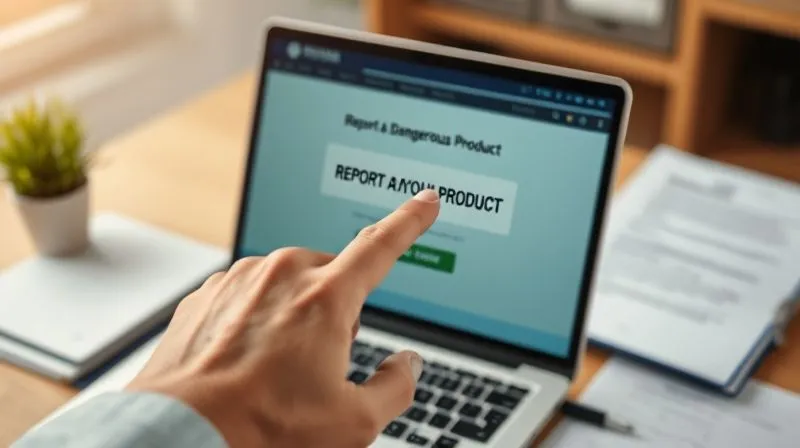
Reporting your incident to agencies like the U.S. Consumer Product Safety Commission (CPSC) is crucial. The CPSC collects data on product-related injuries and can initiate recalls or issue safety alerts based on reported incidents. Your report could be the catalyst for a product being pulled off the market, protecting countless others.
Similarly, depending on the product, other agencies like the National Highway Traffic Safety Administration (NHTSA) for vehicles or the Food and Drug Administration (FDA) for food and drugs may be relevant.
Consumer Advocacy
Consider sharing your story (anonymously if preferred) with consumer advocacy groups. These organizations often use individual experiences to lobby for stronger consumer protection laws and to raise public awareness about unsafe products.
Your journey can become a powerful tool for change, ensuring that manufacturers are held accountable and that product safety standards are continually improved.
Common Pitfalls and How to Avoid Them
Even with expert guidance, certain missteps can jeopardize your ability to secure financial recovery from unsafe products. Being aware of these common pitfalls can help you navigate the process more effectively.
- Delaying Action: Every state has a 'statute of limitations'—a strict deadline for filing a lawsuit. Missing this deadline almost certainly means forfeiting your right to compensation. Act promptly.
- Tampering with the Product: As mentioned, do not attempt to fix, alter, or dispose of the product. This can be seen as spoliation of evidence, severely weakening your case.
- Discussing Your Case Publicly: Avoid posting details of your incident or claim on social media or discussing it with anyone other than your attorney and essential medical personnel. These statements can be used against you.
- Underestimating Your Damages: Many people focus only on immediate medical bills. An experienced attorney will help you calculate the full extent of your damages, including future medical needs, lost earning capacity, and non-economic losses.
- Not Seeking Legal Counsel: While you can start gathering evidence, attempting to negotiate or litigate a complex product liability case alone against well-resourced manufacturers and their legal teams is rarely successful.
Understanding these pitfalls and proactively avoiding them is as crucial as building a strong case. Trust your legal counsel and follow their advice diligently. For ethical considerations in legal proceedings, resources like those on professional responsibility in law can offer deeper insight into how legal professionals operate.
Frequently Asked Questions (FAQ)
Question: What if I don't have the original product or packaging anymore? Can I still file a claim? While having the original product and packaging significantly strengthens your case, its absence doesn't automatically bar a claim. If you have other strong evidence like detailed photos, purchase records, medical reports, or if there's a known recall or widespread issue with the product, your attorney might still be able to proceed. It makes the case harder, but not impossible.
Question: How long do I have to file a product liability claim? The timeframe, known as the 'statute of limitations,' varies significantly by state and the type of injury. It can range from one to six years from the date of injury or discovery of the defect. There are also 'statutes of repose' which can set an ultimate deadline regardless of discovery. It is critical to consult with an attorney immediately to determine the specific deadline applicable to your case.
Question: Can I still claim if I misused the product in some way? This depends on the nature of the misuse. If the misuse was entirely unforeseeable and contributed solely to your injury, your claim might be weakened or denied. However, if the misuse was reasonably foreseeable by the manufacturer, or if the product's defect was a primary cause of the injury despite some misuse, you might still have a claim. This often involves concepts of 'contributory' or 'comparative' negligence, which vary by state.
Question: What's the average settlement for product liability cases? There's no 'average' settlement, as each case is unique. Settlements depend heavily on the severity of injuries, the extent of financial losses, the clarity of the product's defect, the jurisdiction, and the manufacturer's willingness to negotiate. Minor injuries might lead to settlements in the tens of thousands, while catastrophic injuries can result in multi-million dollar awards. An attorney can provide a realistic valuation after reviewing your specific circumstances.
Question: Will my product liability case definitely go to court? No, the vast majority of product liability claims are resolved through negotiation and settlement outside of court. Litigation is expensive and time-consuming for both parties. However, your attorney must be prepared to go to court if a fair settlement cannot be reached, as this leverage is often key to achieving a favorable outcome.
Key Takeaways and Final Thoughts
Navigating the aftermath of an unsafe product incident can feel overwhelming, but securing financial recovery from unsafe products is a tangible goal within your reach with the right knowledge and support.
- Act Swiftly and Document Everything: Your immediate actions in preserving evidence are foundational.
- Understand Your Rights: Product liability law is complex, but knowing the types of defects is empowering.
- Seek Expert Legal Counsel: A specialized attorney is indispensable for navigating the legal landscape and maximizing your recovery.
- Be Prepared for the Process: From negotiation to potential litigation, patience and diligence are key.
- Advocate for Broader Safety: Your individual case can contribute to systemic change and protect others.
Remember, you are not alone in this fight. Manufacturers have a responsibility to produce safe goods, and when they fail, you have the right to seek justice and compensation. Empower yourself with this knowledge, take decisive action, and reclaim your peace of mind. Your journey to recovery starts now.
Recommended Reading
- Unlock Your Golden Years: How to Generate Reliable Income in Retirement?
- 7 Ways National Fiscal Policies Drive Global Inflation: Your Guide
- How Do Financial Advisors Optimize Debt for Unstable Income? 5 Strategies
- Real Estate Riches: How to Start Investing With Little Money
- Divest Fossil Fuels: Protect Portfolio Value (7 Proven Strategies)





Comments
Leave a comment below. Your email will not be published. Required fields marked with *