



How to safeguard retirement savings from unexpected healthcare costs?
For over two decades in financial planning, specializing in retirement strategies, I've witnessed a recurring nightmare unfold for countless individuals: meticulously planned retirement nest eggs being decimated by unforeseen healthcare costs. It’s a silent, insidious threat that often goes underestimated, capable of eroding years of diligent saving in a matter of months.
The stark reality is that medical expenses in retirement are not merely an inconvenience; they represent one of the single largest financial risks retirees face. From routine doctor visits and prescription drugs to catastrophic illnesses and long-term care needs, the financial burden can be staggering, leading to difficult choices between health and financial security.
But here’s the good news: this doesn't have to be your story. In this definitive guide, I will share seven proven, actionable strategies, drawn from my extensive experience and industry insights, designed to help you proactively safeguard your retirement savings from unexpected healthcare costs. We’ll delve into practical frameworks, explore real-world scenarios, and equip you with the knowledge to navigate this complex landscape with confidence and peace of mind.
Understanding the Healthcare Cost Landscape in Retirement
Before we can build an effective defense, we must first understand the nature of the threat. Many people underestimate the sheer volume of healthcare expenses they will face in retirement, often focusing solely on their current health insurance premiums without considering the broader spectrum of costs.
The Unseen Elephant in the Room
A significant portion of retirees' budgets is consumed by healthcare. According to a recent study by Fidelity, a couple retiring at age 65 in 2023 can expect to spend an average of $315,000 on healthcare expenses throughout their retirement, even with Medicare. This figure doesn't even include potential long-term care costs, which can add hundreds of thousands more.
These expenses aren't static; they are highly variable and often unpredictable. From rising prescription drug prices to the need for specialized treatments or extended hospital stays, the financial curveballs can come from anywhere. It's not just about what Medicare covers; it's about deductibles, co-pays, co-insurance, and services Medicare doesn't cover at all.
The biggest mistake I see retirees make is planning for a 'healthy retirement' without a robust contingency plan for when health inevitably declines. Ignoring healthcare costs is like planning a road trip without factoring in gas prices or potential car troubles – it's a recipe for being stranded.
Moreover, the cost of long-term care, which includes assistance with daily living activities, is a particularly daunting prospect. About 70% of people turning 65 will need some type of long-term care services in their lifetime, and the average annual cost for a semi-private room in a nursing home currently exceeds $90,000, according to Genworth's Cost of Care Survey.

Understanding these figures isn't meant to cause alarm, but rather to underscore the critical importance of proactive planning. By acknowledging the scope of the challenge, we can better prepare and implement strategies to protect your hard-earned savings.
Strategy 1: Maximizing Health Savings Accounts (HSAs)
If you're eligible, a Health Savings Account (HSA) is, in my professional opinion, one of the most powerful and underutilized tools for safeguarding retirement healthcare costs. It's often referred to as the 'triple tax advantage' account, and for good reason.
The Triple Tax Advantage
Here’s why HSAs are so potent:
- Tax-Deductible Contributions: The money you contribute to an HSA is tax-deductible, reducing your taxable income in the year you contribute.
- Tax-Free Growth: Your HSA funds grow tax-free through investments, similar to a 401(k) or IRA.
- Tax-Free Withdrawals: If used for qualified medical expenses, withdrawals are entirely tax-free. This is where it truly shines in retirement.
This unique combination means you get a tax break on the way in, your money grows without being taxed, and you don’t pay taxes when you take it out for medical expenses. After age 65, you can withdraw HSA funds for any reason without penalty, though non-medical withdrawals will be taxed as ordinary income.
To be eligible for an HSA, you must be enrolled in a High-Deductible Health Plan (HDHP). If you have access to one, I strongly advise considering it, especially if you can afford to pay for current medical expenses out-of-pocket and let your HSA grow.
Strategic Use: Investing for Future Healthcare
The real power of an HSA for retirement lies in treating it as an investment vehicle, not just a spending account. Instead of using HSA funds for current medical bills, if you can afford to pay those bills from your regular checking account, let your HSA contributions grow and invest them for decades.
Actionable Steps for Maximizing Your HSA:
- Confirm Eligibility: Ensure your health insurance plan is an HSA-eligible HDHP.
- Contribute the Maximum: Aim to contribute the maximum allowable amount each year. For 2024, this is $4,150 for individuals and $8,300 for families, with an additional catch-up contribution of $1,000 for those aged 55 and over.
- Invest Your Funds: Don't just let the money sit in cash. Most HSA providers offer investment options similar to a 401(k). Choose appropriate investments based on your risk tolerance and time horizon.
- Save Receipts: Keep detailed records of all your qualified medical expenses. You can pay for these out-of-pocket today and reimburse yourself from your HSA tax-free years later, allowing your funds to grow for longer.
- Plan for Retirement: Understand that your HSA can cover Medicare premiums, deductibles, co-pays, and even some long-term care insurance premiums in retirement, making it an invaluable asset.
For more detailed information on HSA eligibility and rules, I recommend consulting official sources like the IRS Publication 969, Health Savings Accounts and Other Tax-Favored Health Plans.
Strategy 2: Navigating Medicare and Supplemental Insurance
Medicare is the cornerstone of healthcare for most Americans aged 65 and older, but it's far from comprehensive. Understanding its intricacies and how to supplement it is crucial for protecting your retirement savings.
Original Medicare vs. Medicare Advantage
When you turn 65, you generally have two main paths:
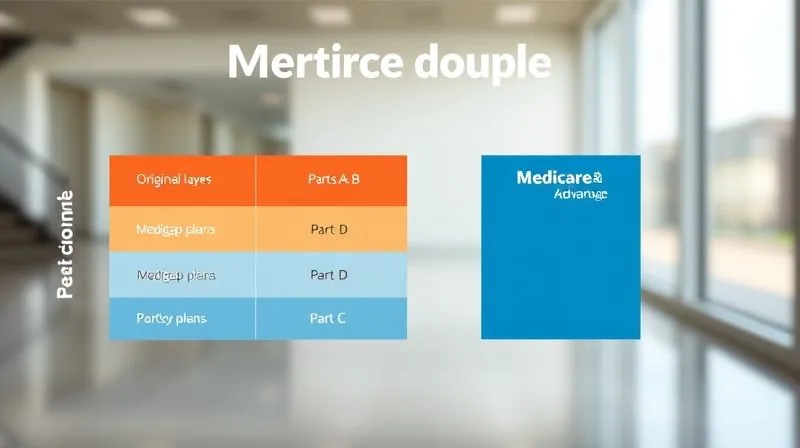
- Original Medicare (Parts A & B): This is government-provided health insurance. Part A covers hospital stays, skilled nursing, hospice, and some home health care. Part B covers doctor visits, outpatient care, medical supplies, and preventive services.
- Medicare Advantage (Part C): These are private insurance plans approved by Medicare. They cover everything Original Medicare covers and often include extra benefits like vision, dental, hearing, and prescription drug coverage (Part D). However, they typically operate within networks and may require referrals.
The choice between Original Medicare (often paired with a Medigap plan and a separate Part D plan) and a Medicare Advantage plan is highly personal and depends on your health needs, financial situation, and preferred doctor network. It's not a 'one size fits all' decision.
The Role of Medigap Policies
Original Medicare has gaps in coverage, meaning you'll be responsible for deductibles, co-pays, and co-insurance. This is where Medigap (Medicare Supplement Insurance) plans come in. These private insurance policies help pay for some of the costs that Original Medicare doesn't cover, significantly reducing your out-of-pocket exposure.
There are standardized Medigap plans (A through N), each offering a different set of benefits. The best time to buy a Medigap policy is during your Medigap Open Enrollment Period, which begins the month you turn 65 and are enrolled in Medicare Part B. During this six-month window, insurers cannot deny you coverage or charge you more due to pre-existing conditions.
Key Considerations for Medicare Planning:
- Enroll on Time: Missing your initial enrollment period can lead to lifelong penalties for Part B and Part D.
- Review Annually: Medicare plans and your health needs can change. Review your coverage during the annual enrollment period (October 15 – December 7) to ensure it still meets your needs.
- Part D for Prescriptions: Ensure you have adequate prescription drug coverage. Even if you don't take many medications now, you likely will in the future.
For comprehensive, unbiased information, I always direct my clients to the official Medicare.gov website. It's the most reliable source for understanding your options.
Strategy 3: Exploring Long-Term Care (LTC) Insurance Options
This is arguably the most critical and often overlooked aspect of retirement healthcare planning. As I mentioned earlier, the costs associated with long-term care can be devastating, far exceeding what Medicare or standard health insurance will cover.
Why LTC is Often Overlooked
Many people assume Medicare will pay for long-term care, but it generally doesn't cover custodial care (help with daily activities like bathing, dressing, eating) if that's the only care you need. It only covers skilled care for a limited period after a hospital stay. Without a plan, these costs can quickly deplete even substantial retirement savings.
Families often bear the financial and emotional brunt of long-term care, with adult children becoming caregivers or footing exorbitant bills. LTC insurance is designed to protect your assets and provide you with choices about where and how you receive care, preserving your dignity and your family's financial well-being.
Types of LTC Policies and Hybrid Options
Traditionally, long-term care insurance was a standalone policy. However, in recent years, hybrid policies have gained popularity:
- Traditional LTC Insurance: These policies pay a daily or monthly benefit for covered long-term care services once you meet specific criteria (e.g., inability to perform two or more Activities of Daily Living, or cognitive impairment). If you never use it, the premiums paid are generally lost.
- Hybrid Life/LTC Policies: These combine a life insurance policy with an LTC rider. If you need long-term care, the policy pays out for those services. If you don't use the LTC benefit, your beneficiaries still receive a death benefit. This provides a 'use it or lose it' solution that many find appealing.
- Hybrid Annuity/LTC Policies: Similar to life/LTC, these combine an annuity with an LTC rider. They can offer tax-deferred growth and provide a pool of money for long-term care, with any unused funds going to beneficiaries.
LTC insurance isn't just about protecting assets; it's about preserving dignity and providing choice. It allows you to decide where you receive care, whether it's at home, in assisted living, or a nursing facility, without becoming a financial burden on your loved ones.
The optimal time to consider LTC insurance is typically in your 50s or early 60s when premiums are more affordable and you are generally healthier, making you more likely to qualify. Waiting too long can result in higher premiums or even denial of coverage due to pre-existing conditions.
| Feature | Traditional LTC | Hybrid Life/LTC |
|---|---|---|
| Premium Structure | Annual premiums, may increase | Single pay or limited pay, guaranteed premiums |
| Benefit Payout | For LTC only, 'use it or lose it' | LTC benefit or death benefit |
| Cash Value | No cash value | Has cash value, may be surrenderable |
| Underwriting | Medical exam likely | Streamlined or simplified underwriting |
| Guarantees | Benefits/premiums can change | Benefits/premiums often guaranteed |
When evaluating policies, pay close attention to the daily benefit amount, benefit period, inflation protection, elimination period, and any riders that might be beneficial for your specific situation. This is an area where working with an experienced financial advisor who specializes in long-term care planning is invaluable.
Strategy 4: Proactive Health and Wellness Investments
While financial instruments are crucial, one of the most effective ways to safeguard your retirement savings from healthcare costs is to invest in your health *now*. Prevention truly is the best medicine, and it's also the best financial strategy.
Prevention is the Best Medicine (and Financial Strategy)
A healthy lifestyle can significantly reduce your risk of developing chronic diseases that often lead to expensive medical interventions in retirement. Conditions like heart disease, type 2 diabetes, and certain cancers are often preventable or manageable through lifestyle choices.
Consider the cumulative impact: avoiding a single hospitalization, managing chronic conditions effectively, or delaying the onset of debilitating illness can save tens, if not hundreds, of thousands of dollars over your retirement years. This isn't just about saving money; it's about improving your quality of life.
- Prioritize Regular Check-ups: Don't skip preventative screenings and annual physicals. Catching issues early is always less costly and less invasive than treating advanced conditions.
- Embrace a Healthy Diet: Focus on whole foods, lean proteins, fruits, and vegetables. Reduce processed foods, excessive sugar, and unhealthy fats.
- Stay Physically Active: Regular exercise, even moderate activity like walking, can have profound positive effects on cardiovascular health, bone density, mood, and cognitive function.
- Manage Stress: Chronic stress can negatively impact physical health. Explore stress-reduction techniques like meditation, yoga, or hobbies.
- Get Adequate Sleep: Quality sleep is fundamental to overall health and immune function.
Case Study: Eleanor's Proactive Approach
Eleanor, a client of mine who retired at 62, was always diligent about her health. She maintained a balanced diet, walked daily, and never missed a preventative screening. While she invested in an HSA and had a robust Medicare plan, her commitment to wellness paid dividends far beyond premiums.
At 75, she experienced a minor heart scare. Because she had a history of regular check-ups, her doctors had a baseline and could quickly identify and address the issue with minimal intervention. Her healthy lifestyle meant a faster recovery and fewer complications, avoiding prolonged rehabilitation or chronic medication regimens that could have cost her tens of thousands. Her proactive health approach reduced her out-of-pocket expenses and preserved her quality of life, allowing her to continue traveling and enjoying her grandchildren without significant medical interruptions.
This isn't to say a healthy lifestyle guarantees immunity from illness, but it significantly stacks the odds in your favor, both for your well-being and your wallet.
Strategy 5: Diversifying Retirement Income Streams for Flexibility
Reliance on a single, fixed income source in retirement, such as Social Security or a traditional pension, can leave you vulnerable when unexpected healthcare costs arise. A diversified income portfolio provides much-needed flexibility and resilience.
Why a Single Income Source is Risky
Imagine your entire retirement income comes from investments in a volatile stock market, or from a pension that doesn't keep pace with inflation. If a major medical expense hits, you might be forced to sell investments at a loss, or find your fixed income inadequate to cover rising healthcare costs.
Diversifying your income means having multiple sources that may behave differently under various economic conditions, offering a buffer against market downturns or unexpected expenses. This strategy enhances your ability to cover healthcare costs without derailing your core retirement plan.
- Annuities: Consider a portion of your savings allocated to a reliable income annuity. While they have trade-offs, they can provide a guaranteed income stream for life, which can be invaluable for covering baseline expenses, including predictable healthcare premiums.
- Rental Income: If you own investment properties, rental income can provide a steady, inflation-hedged cash flow.
- Dividend Stocks & Bonds: A well-diversified portfolio of dividend-paying stocks and bonds can offer recurring income that is less dependent on selling principal.
- Part-Time Work or Consulting: For some, continuing to work part-time in retirement, even a few hours a week, can provide supplemental income and keep you engaged. This extra income can be specifically earmarked for healthcare.
- Reverse Mortgages (with caution): For homeowners, a reverse mortgage can convert home equity into tax-free cash flow or a line of credit without having to sell the home, providing a liquid reserve for significant healthcare needs. This option requires careful consideration and expert advice.
By creating a 'healthcare bucket' funded by diversified income streams, you ensure that medical bills don't force you to tap into your core living expense funds or liquidate investments prematurely. This strategic separation of funds provides both financial and psychological comfort.
For further insights into creating resilient retirement income, I often refer clients to articles from reputable financial publications, such as this piece on Forbes on diversifying retirement income sources.
Strategy 6: Establishing an Emergency Healthcare Fund
Beyond your general emergency fund, I strongly advocate for creating a separate, dedicated emergency fund specifically for healthcare costs. This distinction is vital because medical expenses can be exceptionally large and unpredictable, warranting their own financial buffer.
Beyond the Standard Emergency Fund
Most financial experts recommend having 3-6 months of living expenses saved in an emergency fund. However, this fund is typically for unexpected job loss, home repairs, or car breakdowns. A major medical event could easily deplete this fund, leaving you vulnerable to other emergencies.
A dedicated healthcare emergency fund acts as a crucial first line of defense, preventing you from having to tap into your long-term investments, raid your retirement accounts (and incur penalties), or go into debt when a significant medical bill arrives. This fund should be liquid and easily accessible.

Actionable Steps for Setting Up Your Healthcare Emergency Fund:
- Determine Your Target: Aim for at least $10,000 to $20,000, depending on your health status, insurance deductibles, and anticipated out-of-pocket maximums. For those with chronic conditions, a higher target is prudent.
- Choose the Right Account: This fund should be in a high-yield savings account or a money market account. The goal is liquidity and safety, not aggressive growth.
- Automate Contributions: Set up automatic transfers from your checking account to your healthcare emergency fund each month, just like you would for retirement savings. Even small, consistent contributions add up.
- Review and Replenish: If you use funds from this account, make it a priority to replenish it as quickly as possible. Regularly review your insurance deductibles and out-of-pocket maximums to ensure your fund remains adequate.
Having this dedicated fund provides immense peace of mind. It means that when an unexpected health crisis occurs, your primary concern can be your recovery, not how you're going to pay the bills.
Strategy 7: Leveraging Professional Financial and Legal Guidance
Navigating the complex landscape of retirement planning, especially when factoring in healthcare costs, is not something you have to do alone. In fact, seeking expert advice can be one of the smartest investments you make.
The Value of a Certified Financial Planner
A Certified Financial Planner (CFP) who specializes in retirement can help you integrate all the strategies we’ve discussed into a cohesive, personalized plan. They can:
- Assess Your Unique Situation: Analyze your current health, family history, financial resources, and risk tolerance.
- Project Future Costs: Use sophisticated tools to estimate your potential healthcare expenses in retirement, including long-term care.
- Optimize Your Portfolio: Advise on how to best allocate your assets across HSAs, 401(k)s, IRAs, and taxable accounts to minimize taxes and maximize healthcare savings.
- Navigate Insurance: Help you understand and choose the best Medicare options, Medigap policies, and long-term care insurance for your needs.
- Adapt Your Plan: Life changes, and so will your financial situation and health. A good CFP will regularly review and adjust your plan as needed.
I've seen firsthand how a well-crafted financial plan, developed with expert guidance, can transform anxiety into confidence for my clients. It's about having a trusted partner to guide you through critical decisions.
Estate Planning and Healthcare Directives
Beyond financial planning, legal documents are equally vital. These ensure your wishes are honored and your loved ones aren't burdened with difficult decisions during a health crisis:
- Advance Directives (Living Will): States your wishes regarding medical treatment should you become unable to communicate.
- Healthcare Power of Attorney: Designates someone to make medical decisions on your behalf if you're incapacitated.
- Durable Power of Attorney: Appoints someone to handle your financial affairs if you become unable to.
- Will/Trust: Ensures your assets are distributed according to your wishes, avoiding probate and potential disputes.
These legal documents are not just for end-of-life planning; they are crucial for managing unexpected health events at any stage of retirement. They provide clarity and control during times of vulnerability.
| Planning Area | Key Actions |
|---|---|
| Financial Planning | Estimate healthcare costs, optimize HSA, select Medicare/LTC plans, diversify income |
| Legal Planning | Draft Advance Directive, Healthcare POA, Durable POA, Will/Trust |
| Health & Wellness | Regular check-ups, healthy lifestyle, preventative care |
| Emergency Preparedness | Establish dedicated healthcare emergency fund |
Working with both a CFP and an elder law attorney ensures that all aspects of your retirement, from financial security to personal wishes, are meticulously covered. This holistic approach provides the strongest possible safeguard for your retirement savings and your peace of mind.
Frequently Asked Questions (FAQ)
When should I start planning for retirement healthcare costs? Ideally, you should start planning as early as possible, even in your 30s or 40s. While specifics like Medicare enrollment are closer to retirement, strategies like maximizing an HSA or maintaining good health can begin much earlier and compound over time. The sooner you start, the more robust your financial defenses will be.
Can an HSA really cover significant medical events in retirement? Yes, absolutely. If used strategically as an investment vehicle, an HSA can accumulate substantial funds over decades. By paying current medical expenses out-of-pocket and investing HSA contributions, the triple-tax-advantaged growth can create a significant tax-free pool of money. This can then be used for Medicare premiums, deductibles, co-pays, and even long-term care insurance premiums, effectively covering a wide range of significant medical expenses.
What if I can't afford long-term care insurance premiums? Are there alternatives? If traditional or hybrid LTC insurance is out of reach, there are still options. Consider a smaller, less comprehensive policy if it fits your budget. Alternatively, look into state-specific Medicaid planning, though this often requires spending down assets. You could also self-insure by setting aside a dedicated, significant portion of your savings specifically for potential long-term care needs, though this carries more risk. Discussing these options with an elder law attorney is highly recommended.
How do I accurately estimate my future healthcare expenses in retirement? While no one has a crystal ball, you can make informed projections. Start by using online calculators from reputable financial institutions (like Fidelity's healthcare cost estimator). Factor in your current health status, family medical history, and anticipated lifestyle. Remember to include premiums for Medicare Parts B and D, Medigap or Medicare Advantage, potential out-of-pocket maximums, and a realistic estimate for prescription drugs and potential long-term care. A financial advisor can help you create a personalized projection.
Are there government programs or assistance available to help with healthcare costs in retirement? Yes, beyond Medicare, there are programs. Medicaid can assist with healthcare and long-term care costs for low-income individuals, though eligibility rules are strict. State Pharmaceutical Assistance Programs (SPAPs) and the Medicare Savings Programs (MSPs) can help with Medicare premiums and deductibles for those who qualify. Additionally, the Low-Income Subsidy (LIS), also known as 'Extra Help,' assists with prescription drug costs under Medicare Part D. It's worth researching these options if you anticipate needing assistance.
Key Takeaways and Final Thoughts
Protecting your retirement savings from the potentially devastating impact of unexpected healthcare costs is not merely a financial task; it's a commitment to your future well-being and peace of mind. As a veteran in this field, I've seen the power of proactive planning transform uncertainty into security.
- Start Early: The sooner you begin, the more effectively you can leverage compounding growth and lower insurance premiums.
- Utilize HSAs: Treat your Health Savings Account as a powerful investment vehicle for future tax-free medical expenses.
- Master Medicare: Understand your Medicare options and supplement them wisely with Medigap or Medicare Advantage plans.
- Consider LTC Insurance: Don't overlook the critical protection offered by long-term care insurance, especially hybrid options.
- Invest in Your Health: Your lifestyle choices today directly impact your medical expenses tomorrow.
- Diversify Income: Create multiple streams of retirement income to build financial resilience.
- Build a Dedicated Fund: Establish a separate emergency fund specifically for healthcare expenses.
- Seek Expert Guidance: A financial planner and elder law attorney are invaluable partners in this complex journey.
The path to a secure retirement, free from the constant worry of medical bills, is achievable through diligent planning and informed decision-making. By implementing these seven strategies, you're not just safeguarding your savings; you're investing in a future where you can truly enjoy the fruits of your labor, knowing you're prepared for whatever comes your way. Take action today, and empower yourself with the financial freedom you deserve in retirement.
Recommended Reading
- College Budgeting 101: Master Your Living Expenses Now!
- Carbon Border Taxes: 5 Ways They'll Reshape Global Trade Agreements
- What Are the Implications of Missing W-9s for 1099 Reporting?
- Stalled Campaign? 5 Proven Ways to Reignite Crowdfunding Before Deadline
- Urgent: 7 Smart Ways to Exit a Low-Rate CD Without Penalty




Comments
Leave a comment below. Your email will not be published. Required fields marked with *