



How to Restructure Budget Categories After a Company Merger?
For over 20 years in corporate finance and budgeting, I've witnessed the exhilarating highs and the devastating lows of company mergers. One of the most insidious, yet often overlooked, challenges is the chaotic aftermath of combining two distinct financial ecosystems. It's not just about merging balance sheets; it's about painstakingly integrating every single budget category, a task that, if mishandled, can unravel even the most promising M&A deal.
Many executives assume that once the ink is dry on the acquisition papers, the financial teams will simply 'figure it out.' This passive approach inevitably leads to a convoluted mess of redundant spending, missed synergies, and a complete loss of financial visibility. The pain points are palpable: duplicated software subscriptions, conflicting expense policies, and an inability to accurately track performance across the newly formed entity, ultimately stalling growth and eroding stakeholder trust.
That's precisely why I've developed this definitive guide. You won't just learn theoretical concepts; I'll walk you through a proven, actionable 7-step framework on how to restructure budget categories after a company merger, complete with real-world insights, expert advice, and practical tools to ensure your integration is not just successful, but truly transformative for your organization's financial health.
The Unseen Challenge: Why Mergers Disrupt Budgeting
The honeymoon phase of a merger is often filled with grand pronouncements of synergy and market dominance. However, beneath the surface, a silent battle rages within the finance departments. Two companies, each with their unique chart of accounts, expense coding, and departmental budgeting philosophies, are suddenly forced to coexist. This isn't just an accounting problem; it's a fundamental challenge to operational efficiency and strategic control.
I've seen countless instances where the failure to address this complexity early on leads to significant financial drag. Imagine trying to compare marketing spend when one company tracks 'Digital Campaigns' and the other has 'Online Advertising' and 'Social Media Promotions' as separate line items. The lack of standardization creates a black hole of data, making informed decision-making virtually impossible.
“The true value of a merger is not in the acquisition itself, but in the successful integration that follows. And at the heart of integration lies financial clarity.”
Common pitfalls include:
- Duplicated Costs: Two sets of software, two sets of consultants, two sets of office supplies – all contributing to unnecessary expenditure.
- Loss of Financial Visibility: Inability to generate consolidated reports that accurately reflect the combined entity's performance.
- Cultural Resistance: Employees accustomed to their old budgeting processes resisting new, unified systems.
- Delayed Synergy Realization: The inability to identify and capitalize on cost savings or revenue opportunities due to fragmented financial data.
- Compliance Risks: Inconsistent financial reporting can lead to regulatory issues and auditing nightmares.
Phase 1: The Diagnostic Deep Dive – Understanding Both Financial Ecosystems
Before you can build a new house, you need to understand the foundations of the old ones. This diagnostic phase is critical for laying the groundwork for a successful budget restructuring.
Step 1: Comprehensive Data Collection & Analysis
This is where the rubber meets the road. You need to gather every piece of financial data from both entities. I mean *everything* – historical budgets, actuals, forecasts, detailed expense reports, revenue breakdowns, and capital expenditure plans. Don't rely on summaries; dig into the granular details.
- Gather Historical Budgets: Collect at least 3-5 years of budget data from both companies to understand trends and spending patterns.
- Map Current Chart of Accounts: Obtain the full chart of accounts for each entity. This is your Rosetta Stone.
- Interview Key Stakeholders: Speak with department heads, finance managers, and even individual budget owners to understand their processes and specific needs.
- Analyze Variance Reports: Look at where budgets consistently overran or underran. This reveals underlying operational realities.
- Review Contractual Obligations: Identify all ongoing contracts, leases, and service agreements that impact future budgets.
The goal here is to create a complete picture of each company's financial DNA before attempting to combine them. This initial dataset will be invaluable for comparative analysis.
| Budget Category | Sub-Categories | Typical Spend (%) | Reporting Tool |
|---|---|---|---|
| Marketing (Acquirer) | Digital Ads, Events, PR | 15% | Acquirer ERP |
| Marketing (Target) | Online Promotions, Trade Shows, Brand Dev | 12% | Target Accounting SW |
| R&D (Acquirer) | Software Dev, Prototyping | 20% | Acquirer ERP |
| R&D (Target) | Product Innovation, Research Grants | 18% | Target Accounting SW |
| HR (Acquirer) | Salaries, Benefits, Training | 30% | Acquirer HRIS |
| HR (Target) | Compensation, Perks, Recruitment | 32% | Target HR Platform |
Step 2: Identifying Overlaps, Gaps, and Redundancies
Once you have all the data, the next step is to perform a detailed reconciliation. This involves comparing the budget categories of both companies side-by-side to identify areas of duplication, where one company has a category the other lacks, and where there are clear redundancies that can be eliminated for cost savings.
I often advise clients to create a 'master mapping document' in a spreadsheet. List every single budget line item from Company A in one column and Company B in another. Then, manually (or with smart software) identify commonalities and differences. This isn't just about naming conventions; it's about the underlying purpose of the expenditure.

For example, both companies might have 'Travel Expenses,' but one might categorize 'Client Entertainment' separately, while the other includes it under 'Travel.' These nuances are critical to capture.
Phase 2: Defining the New Financial Architecture – Strategic Alignment
With a clear understanding of the existing structures, it's time to design the future. This phase is about creating a unified, strategically aligned budgeting framework that supports the goals of the combined entity.
Step 3: Establishing Unified Budgeting Principles and Policies
A new structure needs new rules. This isn't just about budget categories; it's about the philosophy behind your spending. Will you adopt zero-based budgeting for certain departments? What are the new approval hierarchies? How will capital expenditures be prioritized? These decisions must be made at a leadership level and clearly communicated.
As Harvard Business Review often emphasizes, successful integration requires clear governance and a shared vision. Without unified principles, even the best-designed budget categories will be undermined by inconsistent application.
- Define Strategic Priorities: What are the combined company's top 3-5 financial and operational goals? Every budget category should align with these.
- Standardize Expense Policies: Create a single, clear policy for travel, entertainment, procurement, and other common expenses.
- Establish Approval Workflows: Design a unified process for budget requests, approvals, and revisions.
- Set Reporting Standards: Determine the frequency and format of financial reports for all levels of management.
Step 4: Mapping Existing Categories to a New, Integrated Framework
This is the core of budget restructuring. Based on your diagnostic deep dive and new principles, you'll create a single, harmonized chart of accounts for the entire organization. This new framework should be logical, scalable, and granular enough to provide meaningful insights without being overly complex.
I recommend starting with the acquiring company's chart of accounts as a base, if it's more robust and scalable, and then integrating the essential elements from the acquired company. Alternatively, you might design an entirely new framework if both existing structures are suboptimal for the combined entity.
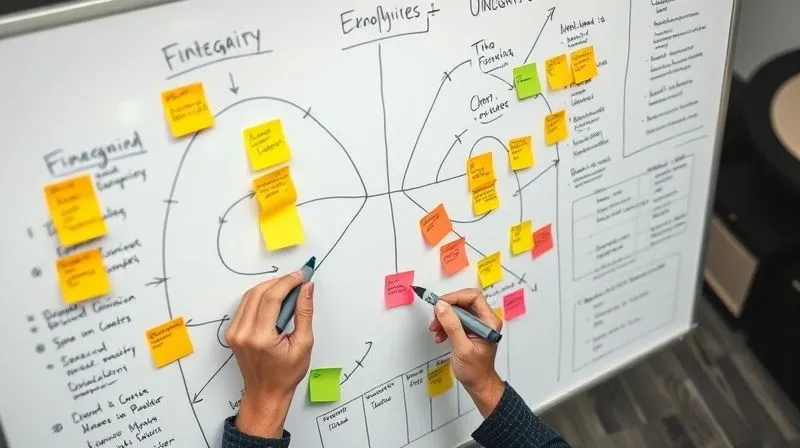
For each category in the old systems, determine its place in the new structure. Some will be direct merges, others will require splitting or combining, and some may be eliminated entirely if they represent redundancies. This is where you identify and quantify potential synergies, such as eliminating duplicate software licenses or consolidating vendor contracts.
Phase 3: Implementation & Communication – Bringing the Vision to Life
A brilliant plan is useless without effective execution and buy-in from your team. This phase focuses on rolling out the new structure and managing the human element of change.
Step 5: Phased Rollout and Pilot Programs
Resist the urge to flip a switch and implement the new budget categories company-wide overnight. A phased approach allows for testing, feedback, and adjustments, minimizing disruption. I've found pilot programs to be incredibly effective for complex changes like this.
- Select a Pilot Department: Choose a department that is either relatively small or has highly engaged leadership, making them ideal for a trial run.
- Implement the New Structure: Apply the new budget categories and reporting tools to the pilot department.
- Gather Feedback: Actively solicit input from the pilot team on usability, clarity, and any unforeseen challenges.
- Iterate and Refine: Use the feedback to make necessary adjustments to the new categories, processes, and training materials.
- Gradual Expansion: Once refined, roll out the new structure to other departments in a staggered manner, learning from each phase.
Step 6: Training and Change Management for All Stakeholders
People naturally resist change, especially when it impacts their daily work and financial autonomy. Effective change management and robust training are paramount to success. Don't just send an email; invest in comprehensive training sessions, workshops, and readily available support.
Communicate the *why* behind the changes. Explain the benefits for the individual, the department, and the combined company. Transparency builds trust and reduces anxiety.
Case Study: How Nexus Dynamics Achieved Budget Harmony
Nexus Dynamics, a mid-sized engineering firm, acquired a competitor with a vastly different budgeting philosophy. Initial attempts at a 'big bang' integration failed, leading to departmental friction and inaccurate financial reporting. By engaging finance staff from both legacy companies in the design of the new budget categories (Step 4) and then implementing a phased rollout starting with the R&D department (Step 5), they achieved significant buy-in.
They invested heavily in hands-on training for all budget owners, emphasizing how the new, unified categories would provide clearer insights and better resource allocation. This empathetic approach, coupled with a dedicated support team, reduced budget-related queries by 40% within six months and helped them identify and realize $1.2M in annual cost synergies, proving the power of methodical restructuring and robust change management.
Phase 4: Monitoring, Adjustment, and Continuous Optimization
Budget restructuring isn't a one-time event; it's an ongoing process of refinement. The financial landscape is dynamic, and your budget categories must be agile enough to adapt.
Step 7: Establishing Robust Reporting and Performance Metrics
With your new budget categories in place, the true power lies in the insights they can generate. Establish clear Key Performance Indicators (KPIs) that align with your strategic objectives and monitor them rigorously. Regular, standardized reporting across the entire organization is crucial for tracking progress and identifying deviations.
I recommend setting up a monthly or quarterly budget review cadence where department heads and finance collaborate to analyze actuals against budget, explain variances, and forecast future needs. This fosters accountability and proactive financial management.
| KPI | Target | Q1 Actual | Q2 Actual |
|---|---|---|---|
| Budget Variance (Overall) | <5% | 7% | 3% |
| Cost Synergy Realization | $2M | $0.8M | $1.5M |
| Departmental Budget Adherence | 90% | 85% | 92% |
| Cash Flow from Operations | Growth of 10% | 5% | 11% |
Leveraging Technology for Seamless Budget Integration
Modern finance teams cannot operate effectively without robust technological support. Integrating your financial systems, such as ERPs (Enterprise Resource Planning) and dedicated budgeting software, is paramount for automating reporting, reducing manual errors, and providing real-time financial visibility.
Consider solutions that offer flexible reporting, scenario planning, and integration capabilities with other operational systems. This will dramatically streamline the process of managing your restructured budget categories and enable more sophisticated financial analysis.

Common Pitfalls to Avoid in Post-Merger Budget Restructuring
Even with the best intentions, certain mistakes can derail your efforts. Being aware of these common traps can help you navigate the integration more smoothly.
- Underestimating Cultural Differences: Budgeting is often deeply ingrained in a company's culture. Ignoring this can lead to friction and resistance.
- Lack of Executive Sponsorship: Without clear and consistent support from senior leadership, the initiative can lose momentum and perceived importance.
- Rushing the Process: Attempting to complete the restructuring too quickly without proper planning and stakeholder engagement almost always backfires.
- Ignoring the 'Why': Failing to communicate the benefits of the new system to those who will use it daily can breed resentment.
- Over-Complicating the New Structure: While granularity is good, an overly complex system can be cumbersome and difficult to maintain. Strive for balance.
- Not Investing in Technology: Trying to manage complex, merged budgets with outdated or disparate systems is a recipe for disaster.
“Patience and persistence are not just virtues in finance; they are strategic necessities during post-merger integration.”
Building a Resilient Financial Future: Beyond the Merger
Restructuring budget categories after a company merger is not merely a task; it's an opportunity to forge a stronger, more resilient financial future. It's about optimizing resource allocation, enhancing transparency, and creating a unified financial language that empowers everyone in the organization.
The work doesn't end when the new categories are in place. Continuous monitoring, periodic reviews, and a willingness to adapt are crucial. The financial landscape is always evolving, and your budgeting framework must evolve with it. Embrace agility and foster a culture of continuous improvement within your finance function.

By diligently following these steps, you're not just integrating budgets; you're building the financial backbone for a thriving, post-merger enterprise. This strategic approach will ensure that your combined entity is not only more efficient but also better positioned for sustainable growth and long-term success. As Deloitte's M&A insights consistently show, the integration phase is where value is truly created or destroyed.
Frequently Asked Questions (FAQ)
How long does it typically take to fully restructure budget categories after a merger? The timeline can vary significantly based on the size and complexity of the merged entities. For mid-sized companies, a thorough restructuring, including data collection, framework design, and phased rollout, can take anywhere from 6 to 18 months. Larger, more complex mergers involving global operations or multiple business units might extend beyond two years. It's a marathon, not a sprint, and rushing it often leads to errors and re-work.
What if the two company cultures clash significantly regarding financial practices? Cultural clashes are inevitable and often manifest in budgeting. The key is early and transparent communication. Acknowledge the differences, explain the strategic imperative for a unified approach, and involve representatives from both legacy companies in the design process (Step 4). This co-creation fosters a sense of ownership. Training (Step 6) should also address cultural sensitivities and emphasize the benefits of the new, combined approach.
How do we manage resistance from department heads or budget owners? Resistance usually stems from a fear of the unknown, loss of control, or perceived increased workload. Combat this with clear communication about the 'why' and 'what's in it for them.' Highlight how the new structure will provide better data, streamline processes, and ultimately help them achieve their departmental goals more effectively. Provide ample training and ongoing support, and ensure executive leadership consistently reinforces the importance of the new system. Show, don't just tell.
What is the role of technology in this budget restructuring process? Technology is absolutely critical. Modern ERP systems (like SAP, Oracle, Microsoft Dynamics) and dedicated Corporate Performance Management (CPM) or Financial Planning & Analysis (FP&A) software (like Anaplan, Workday Adaptive Planning) automate data consolidation, reporting, and forecasting. They reduce manual effort, minimize errors, and provide real-time visibility into the new budget categories, which is impossible to achieve with spreadsheets alone for complex organizations. Invest in tools that support your new framework.
How do we ensure legal and compliance adherence during the restructuring? Legal and compliance considerations are paramount. Ensure that your new budget categories and financial reporting structures comply with all relevant accounting standards (e.g., GAAP, IFRS), tax regulations, and industry-specific mandates. Involve legal and compliance teams early in the process. The unified system should actually enhance compliance by standardizing reporting and reducing the risk of inconsistent data, which is often flagged in audits. Regular internal audits of the new system are also highly recommended.
Key Takeaways and Final Thoughts
- Embrace a Phased Approach: Don't attempt a 'big bang' integration. Plan for a gradual rollout with pilot programs.
- Prioritize Data & Diagnostics: Thoroughly understand both legacy systems before designing the new one.
- Strategic Alignment is Key: Ensure your new budget categories directly support the combined entity's strategic goals.
- Invest in Communication & Training: Bring your people along on the journey to ensure buy-in and effective adoption.
- Leverage Technology: Utilize modern financial software to automate, streamline, and provide real-time insights.
- Monitor and Adapt: Budget restructuring is an ongoing process requiring continuous review and optimization.
Restructuring budget categories after a company merger is undoubtedly a formidable challenge, but it's also a profound opportunity to build a more efficient, transparent, and strategically aligned financial engine. By approaching this task with methodical planning, empathetic leadership, and a commitment to data-driven decision-making, you can transform a potential integration headache into a cornerstone of your combined company's future success. Remember, a well-structured budget is more than just numbers; it's the financial blueprint for your organization's aspirations. For more insights on financial strategy, consider resources like Forbes Finance.
Recommended Reading
- What's My Business's Liability if Customers Fall for Financial Scams? 5 Legal Shields
- Unlock Financial Freedom: How to Automate Personal Bill Payments as a Busy Professional
- Unlock Your Retirement: How to Understand 401k Fees & Minimize Their Impact
- Unlock Your Financial Fortress: How to Secure Mobile Banking on Android
- How to Attract & Retain Top Talent for Your Family Office: 7 Steps





Comments
Leave a comment below. Your email will not be published. Required fields marked with *