


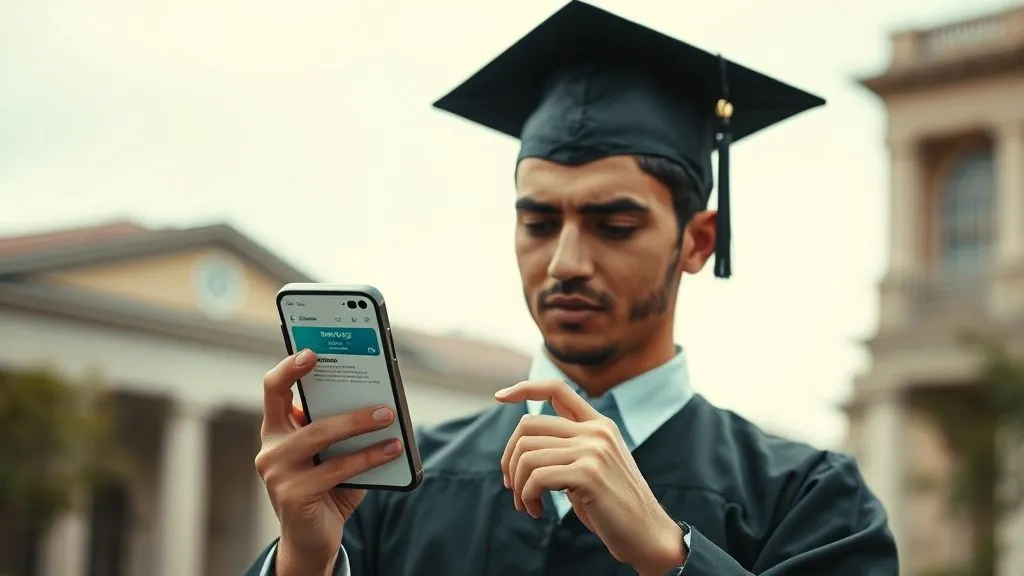
How to reduce student account dormancy post-graduation effectively?
For over 15 years in the student finance sector, I've witnessed a persistent and often overlooked challenge: the swift transition of vibrant student accounts into dormant digital dust after graduation. It's a common oversight, where financial institutions invest heavily in attracting students, only to see that relationship wither just as their earning potential begins to blossom. This isn't just about losing a customer; it's about missing a critical window to cultivate a lifelong financial partnership.
The problem of student account dormancy post-graduation isn't merely an administrative headache; it represents a significant missed opportunity for banks and credit unions. These accounts, once active with student loans, part-time earnings, and tuition payments, often fall silent as graduates navigate new jobs, relocate, and shift their financial priorities. The empathy required to understand this transition is often absent in standard banking protocols, leading to a disconnect that costs institutions millions in potential revenue and customer lifetime value.
In this definitive guide, I will share actionable frameworks, grounded in real-world insights and strategic foresight, to not only understand why accounts go dormant but, more importantly, how to reduce student account dormancy post-graduation effectively. We'll explore innovative engagement tactics, tailored financial products, and data-driven approaches that transform potential attrition into enduring loyalty. Prepare to unlock the true value of your graduate customer base.
Understanding the Graduate Mindset: Why Accounts Go Dormant
Before we can tackle dormancy, we must first comprehend its roots. The period immediately following graduation is a whirlwind of change: new jobs, new cities, student loan repayments kicking in, and often, a new sense of financial independence. Banks frequently fail to adapt to this seismic shift in customer needs and priorities.
The Psychological & Practical Drivers of Dormancy
- Relocation: Many graduates move away from their university towns, making their local branch less convenient.
- New Employment & Direct Deposit: New employers often require new banking details, leading graduates to open accounts with their employer's preferred bank or one closer to their new workplace.
- Student Loan Consolidation: The complexities of student loan repayment often push graduates towards specialized loan servicers, overshadowing their primary banking relationship.
- Perceived Irrelevance: Student accounts, with their specific benefits (e.g., student discounts, overdraft protection for students), can feel irrelevant once student status is lost.
- Lack of Financial Literacy: Many graduates are ill-equipped to manage their finances, leading to inertia or a desire for a 'fresh start' with a new bank.
"The post-graduation phase is not merely a transition; it's a financial re-birth. Banks that fail to acknowledge and support this evolution are destined to lose their most promising future clients."
Proactive Engagement: Before They Even Leave
The battle against dormancy begins long before graduation day. Proactive engagement during the final year of study is paramount. This involves shifting from a transactional relationship to a truly advisory one, preparing students for their financial future.
- Conduct Exit Interviews/Surveys: Engage final-year students with voluntary surveys about their post-graduation plans, financial concerns, and banking needs. Offer incentives like gift cards or chances to win prizes.
- Offer 'Graduation Readiness' Workshops: Partner with university career services to offer workshops on budgeting, student loan management, credit building, and navigating new employment contracts. Position your bank as a resource, not just a service provider.
- Introduce a 'Graduate Transition Kit': A digital or physical package outlining how their account will change post-graduation, new benefits available, and how to update contact information. Include checklists for financial tasks.
- Pre-qualify for Graduate-Specific Products: Inform students about credit cards, personal loans, or even mortgages tailored for recent graduates, leveraging their existing banking history.
- Personalized Outreach from a Relationship Manager: For high-value student accounts, assign a dedicated relationship manager to reach out proactively, offering personalized advice and product recommendations.
According to a recent study by EY on attracting the next generation of banking customers, early engagement and personalized advice are key drivers of long-term loyalty among young adults. This underscores the importance of pre-emptive strategies.

Tailored Post-Graduation Financial Products
The 'student account' model has a shelf life. To reduce student account dormancy post-graduation effectively, financial institutions must evolve their product offerings to meet the dynamic needs of young professionals. This means creating a seamless transition from student to graduate banking.
Key Product Innovations for Graduates
- 'Graduate Starter' Checking Accounts: Offer accounts with no monthly fees for a set period (e.g., 2-3 years post-graduation), higher interest rates on small balances, and perhaps a small, interest-free overdraft facility for emergencies.
- First-Time Credit Building Cards: Secure credit cards or low-limit unsecured cards specifically designed for graduates, with educational resources on responsible credit use.
- Student Loan Refinancing/Consolidation Advisory: While banks might not always offer the best rates, providing expert advice and partnerships for student loan management positions the bank as a trusted financial partner.
- Savings Accounts with Goal-Oriented Features: Integrate features that allow graduates to set and track savings goals for a down payment, retirement, or travel, with automated transfers.
- Investment Education & Micro-Investing Options: Introduce low-barrier entry points to investing, like robo-advisors or fractional share investing, paired with educational content.
Case Study: How 'Apex Bank' Cultivated Graduate Loyalty
Apex Bank, a regional institution, faced a 40% dormancy rate among its student accounts within 12 months of graduation. By implementing a 'Graduate Advantage' program, they transformed this challenge. The program included a fee-free checking account for three years post-graduation, a low-interest credit builder card, and mandatory (but incentivized) online financial planning modules. Graduates who completed the modules received a bonus interest rate on their savings. Within two years, Apex Bank reduced its graduate account dormancy to 15% and saw a 25% increase in cross-product adoption among this demographic. This resulted in a significant boost in customer lifetime value and positive word-of-mouth referrals.
| Feature | Student Account | Graduate Account (Proposed) |
|---|---|---|
| Monthly Fees | Waived with student ID | Waived for 3 years post-grad, then tiered |
| Overdraft Protection | Small, limited, often free | Increased limit, linked to credit score |
| Credit Card Access | Secured or very low limit | First-time credit builder or low-APR card |
| Savings Interest | Standard rates | Bonus rate for goal-based savings |
Leveraging Digital Channels for Re-engagement
In today's digital-first world, effective communication and re-engagement strategies must heavily rely on digital channels. Graduates are digital natives; their banking experience should reflect this.
- Personalized Email Campaigns: Segment graduates based on their major, location, or past account activity. Send targeted emails offering relevant financial advice, product updates, or exclusive graduate-only offers.
- In-App Notifications & Prompts: Utilize mobile banking apps to deliver timely notifications about account changes, new features, or financial wellness tips. For example, a prompt about setting up direct deposit with a new employer.
- Social Media Engagement: Maintain an active presence on platforms popular with young professionals (e.g., LinkedIn, Instagram). Share financial tips, success stories, and promote graduate-specific events or products. Run targeted ads.
- Webinars & Online Workshops: Host virtual events on topics like 'Navigating Your First Big Salary,' 'Investing for Beginners,' or 'Understanding Your Credit Score.' Make them interactive and accessible.
- AI-Powered Chatbots & Virtual Assistants: Implement chatbots within banking apps or websites that can answer common graduate questions about account changes, loan options, or budgeting, providing instant support.
The key here is not just to send messages, but to provide genuine value through these channels. As Harvard Business Review emphasizes, a digital-first customer experience is about anticipation and personalization, not just automation.

Financial Literacy and Advisory Support
Many graduates, despite their academic achievements, lack fundamental financial literacy. This gap presents a massive opportunity for banks to become indispensable advisors, thereby significantly reducing the likelihood of account dormancy.
Becoming a Trusted Financial Mentor
- Curated Content Hub: Create a dedicated section on your website or blog with articles, videos, and infographics addressing common graduate financial challenges: student loan repayment strategies, building an emergency fund, understanding taxes, etc.
- Personalized Financial Check-ups: Offer free, non-committal 'financial health checks' with a certified financial advisor (even if it's a virtual session). This builds trust and identifies opportunities for cross-selling.
- Budgeting Tools & Apps: Integrate or recommend user-friendly budgeting tools within your banking app, helping graduates track spending and manage income effectively.
- Credit Score Monitoring & Education: Provide access to free credit score monitoring and educational resources on how to improve and maintain a healthy credit score.
"True financial engagement isn't about selling products; it's about empowering individuals with knowledge and tools to achieve their financial aspirations. For graduates, this guidance is invaluable."
The Power of Community and Network
Humans are social creatures. Leveraging a sense of community can be a powerful, often underestimated, tool in combating dormancy. Graduates are often seeking to build new networks.
Fostering Connections Beyond Transactions
- Alumni Network Partnerships: Collaborate with university alumni associations. Offer exclusive benefits to alumni who maintain their accounts, or sponsor alumni events.
- Professional Networking Events: Host or sponsor events where graduates can network with professionals in their field, offering financial advice as a secondary benefit.
- Referral Programs: Encourage active graduates to refer their peers by offering incentives for both the referrer and the new active account holder.
- Online Forums/Groups: Create a moderated online community where graduates can ask financial questions, share experiences, and receive expert advice from bank representatives.
Building a community around financial wellness can transform a transactional relationship into a supportive ecosystem, making it far less likely for a graduate to abandon their primary financial institution.

Measuring Success and Iterating Strategies
No strategy is set in stone. Continuous monitoring, analysis, and adaptation are crucial to effectively reduce student account dormancy post-graduation. Data is your most powerful ally.
Key Metrics and Iteration Cycle
- Dormancy Rate Reduction: Track the percentage of student accounts that become dormant within 6, 12, and 24 months post-graduation.
- Activation Rate: Measure the percentage of dormant accounts successfully reactivated through engagement campaigns.
- Cross-Product Adoption: Monitor the uptake of new graduate-specific products (credit cards, savings accounts, loans) by former student account holders.
- Customer Lifetime Value (CLV): Analyze the long-term profitability of graduates who remain active customers versus those who become dormant.
- Engagement Metrics: Track email open rates, click-through rates, app usage frequency, and participation in webinars/workshops.
Regularly review these metrics. If a campaign isn't yielding results, iterate. A/B test different messaging, offers, and channels. Leverage customer feedback to refine your approach. This continuous improvement cycle is vital for sustained success.
| Metric | Before Strategy | After Strategy |
|---|---|---|
| Dormancy Rate (12-month) | 40% | 15% |
| Graduate Product Adoption | 10% | 35% |
| Engagement Score (App Logins/Month) | 0.5 | 2.1 |
| CLV Increase (Graduates) | Baseline | +20% |
Frequently Asked Questions (FAQ)
What's the ideal timing to start re-engaging students before graduation? I've found the sweet spot is typically 6-9 months before their expected graduation date. This allows enough time to introduce new concepts and products without overwhelming them during peak academic stress, and also provides a buffer before they start making post-graduation financial decisions. It's about planting the seeds early.
Are there legal or compliance issues to consider when transitioning student accounts? Absolutely. You must be transparent about any changes to terms and conditions, fees, or account features once their student status expires. Ensure clear communication and obtain explicit consent where required by consumer protection laws. Data privacy regulations (like GDPR or CCPA) also dictate how you can use their personal information for targeted outreach. Always err on the side of over-communication and clarity.
How can smaller financial institutions compete with larger banks for graduate loyalty? Smaller institutions can often leverage their strengths in personalized service and community focus. They can offer more tailored advisory services, build stronger local university partnerships, and foster a more genuine sense of community. While they might lack the scale, they can excel in depth of relationship, which is highly valued by young professionals seeking guidance.
What if a graduate moves to a different state or country? How do we maintain engagement? This is where digital channels become even more critical. Ensure your mobile banking app is robust and offers full functionality remotely. Leverage email, social media, and virtual webinars. For international moves, explore partnerships with global banking networks or provide specific advice on international money transfers and multi-currency accounts, positioning yourself as a global financial resource.
Is it worth investing so much in a demographic that might not have high immediate wealth? Unequivocally, yes. Graduates represent the future high-net-worth individuals, homeowners, and business owners. Investing in them early cultivates loyalty, builds a strong pipeline for future high-value products, and generates positive brand sentiment. The long-term return on investment for nurturing these relationships far outweighs the short-term costs of preventing dormancy.
Key Takeaways and Final Thoughts
- Proactive Engagement is Non-Negotiable: Don't wait for dormancy; engage students during their final year with advisory support and transitional products.
- Tailored Products Drive Retention: Generic student accounts won't suffice. Develop specific 'graduate' offerings that cater to their evolving financial needs.
- Digital Channels are Your Lifeline: Leverage personalized emails, in-app notifications, and social media to provide value and maintain connection.
- Be a Financial Educator and Mentor: Fill the financial literacy gap for graduates, positioning your institution as a trusted advisor, not just a service provider.
- Community and Data Fuel Success: Foster a sense of belonging and continuously analyze data to refine your strategies.
The challenge of how to reduce student account dormancy post-graduation effectively is not insurmountable. It requires a strategic shift from viewing students as temporary clients to recognizing them as future pillars of your financial institution. By embracing empathy, innovation, and a long-term relationship-building mindset, financial institutions can transform a common pain point into a powerful engine for growth and enduring loyalty. The investment in these young professionals today will yield exponential returns tomorrow. It's time to stop just opening student accounts and start truly building graduate relationships.
Recommended Reading
- Budgeting Basics: Common Budget Categories for Young Adults
- Crypto Payments & Tax: 7 Critical Implications Businesses Must Know
- Unlock Growth: 7 Steps to Secure Grants for Employee Development
- Mastering Federal Student Aid Compliance: Your 2024 Navigation Guide
- How Long Do Derogatory Marks Hurt Credit? The Surprising Truth





Comments
Leave a comment below. Your email will not be published. Required fields marked with *