


How to quickly restore a client's credit score after unexpected hit?
For over 15 years in personal finance, I've witnessed the profound impact a sudden dip in a credit score can have on individuals. It’s not just about numbers; it’s about dreams deferred – the home loan denied, the car purchase put on hold, or even the apartment lease falling through. I've seen hardworking people, through no fault of their own or sometimes due to a simple oversight, face significant financial setbacks.
An unexpected hit to your credit score can feel like a punch to the gut. One day you're cruising, confident in your financial standing, and the next, a late payment, an identity theft incident, or an unforeseen collection notice sends your score plummeting. The immediate aftermath is often a mix of confusion, frustration, and a desperate search for answers.
But here's the good news: a credit score drop, even a significant one, is rarely permanent. In this definitive guide, I'll share the precise, actionable strategies I've advised countless clients to implement to not only recover but to build a stronger financial foundation. You'll learn the expert frameworks, real-world case studies, and step-by-step insights needed to quickly restore a client's credit score after an unexpected hit.
Understanding the "Unexpected Hit": Common Triggers
Before we can fix something, we must understand what caused the damage. An unexpected credit score hit isn't always a mystery; often, it stems from a few common, yet impactful, financial events. From my experience, identifying the root cause is the critical first step in formulating an effective recovery plan.
Identifying the Root Cause
Many factors contribute to your credit score, and understanding which one has been negatively impacted is crucial. It's like a diagnostic process; you wouldn't treat a broken arm if the problem was a sprained ankle. Therefore, pinpointing the specific trigger helps us apply the right remedy. Here are the most frequent culprits:
- Late Payments: Even a single payment that's 30+ days past due can significantly ding your score, as payment history accounts for 35% of your FICO score.
- High Credit Utilization: Maxing out credit cards or using a high percentage of your available credit signals higher risk to lenders, impacting 30% of your score.
- New Credit Inquiries: Applying for multiple new lines of credit in a short period can lead to several hard inquiries, which can temporarily lower your score.
- Collections or Charge-Offs: When a debt goes unpaid for an extended period, it may be sold to a collections agency or charged off by the original creditor, severely damaging your score.
- Identity Theft: Fraudulent accounts opened in your name or unauthorized charges can wreak havoc on your credit report without your knowledge.
- Public Records: Bankruptcies, foreclosures, or civil judgments (though less common now) can have a devastating and long-lasting effect.
Understanding these triggers allows us to focus our efforts precisely where they are needed most. Each trigger requires a slightly different approach, which we'll delve into in the following sections. A proactive approach here can save months of effort.
Immediate Damage Control: First 48 Hours
When you realize your credit score has taken an unexpected hit, panic is a natural reaction. However, the most effective response is immediate, calm, and strategic action. The first 48 hours are crucial for damage control, setting the stage for a swift recovery. I always tell my clients that promptness here can mitigate further harm and accelerate the restoration process.
Reviewing Your Credit Report Meticulously
Your credit report is the blueprint of your financial history and the source of your credit score. The very first thing to do is obtain copies of your credit reports from all three major bureaus: Experian, Equifax, and TransUnion. Don't rely on just one, as errors can appear on one report and not another. This step is non-negotiable.
- Access Your Reports: Visit AnnualCreditReport.com, the only federally authorized source for free credit reports. You are entitled to one free report from each bureau every 12 months.
- Scrutinize Every Detail: Look for anything unfamiliar or incorrect. This includes account numbers, balances, payment statuses, dates, and even personal information like addresses or employer details. Even a minor discrepancy can be a red flag or a reporting error.
- Identify the Negative Item: Pinpoint the specific item or items that caused the score drop. Was it a new collection? A late payment report? An unauthorized inquiry? Knowing exactly what you're dealing with makes the next steps clearer.
- Dispute Errors Promptly: If you find errors, dispute them immediately with the credit bureau and the information provider (e.g., the bank or creditor). Provide all supporting documentation you have. The Fair Credit Reporting Act (FCRA) gives you the right to have inaccurate information corrected or removed.
- Consider a Credit Freeze (for Identity Theft): If you suspect identity theft, place a credit freeze with all three bureaus. This prevents new credit accounts from being opened in your name, stopping further fraudulent activity. This is a powerful preventative measure.
"The credit report is your financial story. If there are inaccuracies, you have the power – and the right – to rewrite those chapters."
Strategic Credit Utilization Management
One of the fastest ways to positively impact your credit score, especially after an unexpected hit, is by strategically managing your credit utilization. This factor, which measures how much credit you're using versus how much you have available, accounts for a significant portion (30%) of your FICO score. It's often the easiest lever to pull for a quick boost.
The 30% Rule and Why It Matters
Lenders and credit scoring models view high credit utilization as a sign of financial distress or over-reliance on credit. The general rule of thumb, one I constantly reinforce with my clients, is to keep your overall credit utilization below 30% across all your revolving accounts. Ideally, aim for even lower, around 10-20%, for the best impact. If your score took a hit due to high balances, addressing this is paramount.
- Pay Down Balances Aggressively: Focus on paying down your credit card balances, especially those with the highest utilization ratios. Even paying a significant portion of a balance before the statement closing date can make a difference. Prioritize high-interest debts first to save money, but for credit score impact, focus on cards with high utilization.
- Make Multiple Payments: If possible, make payments more frequently than once a month. Paying a portion of your balance mid-cycle and then again before the statement closes can show a lower utilization when reported to the credit bureaus.
- Request a Credit Limit Increase (Cautiously): If you have a good payment history and a stable income, you can request a credit limit increase on an existing card. This lowers your utilization ratio without increasing your debt. However, only do this if you trust yourself not to spend the additional credit. A hard inquiry might result, so weigh the pros and cons.
- Avoid Closing Old Accounts: While it might seem counterintuitive, closing old, paid-off credit card accounts can actually hurt your utilization ratio and your length of credit history. Keep them open, even if you don't use them, as long as they don't have annual fees.
By actively managing your credit utilization, you send a clear signal to lenders: you are responsible with your credit, not stretched thin. This can quickly restore some of the points lost from an unexpected hit.
| Scenario | Credit Limit | Balance | Utilization | Credit Score Impact |
|---|---|---|---|---|
| Before Action | $10,000 | $8,000 | 80% | Negative |
| After Paying Down | $10,000 | $2,500 | 25% | Positive |
| After Limit Increase | $15,000 | $8,000 | 53% | Neutral to Slightly Negative |
| After Pay Down & Limit Increase | $15,000 | $2,500 | 17% | Strongly Positive |
Addressing Negative Marks: Negotiation and Validation
Some of the most damaging hits to a credit score come from legitimate negative marks like late payments, collections, or charge-offs. While these are harder to remove than errors, they are not impossible to address. My approach here is always one of strategic negotiation and diligent validation, turning what seems like a dead end into a potential pathway for recovery.
Pay-for-Delete & Goodwill Letters
For items like late payments or small collection accounts, sometimes a direct appeal can work. This is where goodwill letters and pay-for-delete strategies come into play. They require a polite, persuasive, and persistent approach.
- Goodwill Letters: If you have an otherwise stellar payment history and a single late payment occurred due to an extenuating circumstance (e.g., medical emergency, job loss), you can write a goodwill letter to the original creditor. Politely explain the situation, acknowledge your responsibility, and request that they remove the late payment mark as a gesture of goodwill. Be sincere and specific.
- Pay-for-Delete: For collection accounts, a "pay-for-delete" negotiation involves offering to pay the collection agency a portion or the full amount of the debt in exchange for them agreeing to remove the item from your credit report. It's crucial to get this agreement in writing *before* making any payment, as oral agreements are difficult to enforce.
Debt Validation for Collections
Before you even consider paying a collection agency, you have the right to request debt validation. This is a powerful tool under the Fair Debt Collection Practices Act (FDCPA) that I've seen successfully used to remove illegitimate or unverified collection accounts. The onus is on the collection agency to prove the debt is yours and accurate.
- Send a Debt Validation Letter: Within 30 days of receiving the first communication from a collection agency, send a certified letter requesting validation of the debt. Ask for proof that you owe the debt, the original creditor's name, and their right to collect.
- Cease Communication: Once you send the validation letter, the collection agency must cease all collection efforts until they provide the requested validation.
- Review Validation: Carefully review any documentation they send. If they cannot provide sufficient proof, or if the information is inconsistent, you can dispute the collection with the credit bureaus, citing the lack of validation.
Case Study: How Sarah Rebounded from a Medical Collection
Sarah, a client of mine, faced a significant credit score drop due to an unexpected medical collection for a bill she believed her insurance had covered. The collection agency was relentless, and her score plummeted 80 points. By following my advice, she first sent a debt validation letter. The agency responded with incomplete documentation and an incorrect original creditor. Armed with this, we disputed the collection with all three credit bureaus, attaching copies of her validation letter and the agency's insufficient response. Within 45 days, the collection account was removed from her reports, and her score rebounded by 75 points. This demonstrates the power of diligent validation and dispute.
Rebuilding Positive Payment History
Payment history is the single most important factor in your credit score, accounting for 35% of the FICO scoring model. An unexpected hit often stems from a late payment, so establishing a consistent, positive payment history is absolutely critical for recovery. This isn't just about avoiding future mistakes; it's about actively demonstrating reliability to lenders.
Setting Up Payment Reminders and Auto-Pay
The simplest way to ensure you never miss a payment again is to automate the process. Human error is a common cause of late payments, and technology can be your best ally here. I always advise my clients to embrace these tools.
- Automate Payments: Set up automatic minimum payments for all your credit accounts. This ensures you'll never miss a due date, even if you forget. You can always make additional manual payments if you want to pay more than the minimum.
- Calendar Reminders: Supplement auto-pay with calendar alerts or reminders on your phone a few days before each due date. This gives you a chance to review your statements and ensure sufficient funds are available.
- Bill Pay Services: Utilize your bank's bill pay service to schedule payments. This gives you control over the exact payment date and amount.
Secured Credit Cards & Credit Builder Loans
If your credit score is severely damaged, getting approved for traditional credit can be challenging. This is where secured credit cards and credit builder loans become invaluable tools for rebuilding. They are designed specifically for individuals looking to establish or re-establish positive payment history.
- Secured Credit Cards: These cards require a cash deposit, which typically becomes your credit limit. They report to credit bureaus like regular credit cards. Using them responsibly – making small purchases and paying them off in full and on time – builds positive payment history. After 6-12 months, many secured card issuers will offer to convert them to unsecured cards and return your deposit.
- Credit Builder Loans: With a credit builder loan, the loan amount isn't given to you upfront. Instead, it's placed in a savings account, and you make monthly payments to yourself. Once the loan is paid off, you receive the money. These loans are specifically designed to report your on-time payments to credit bureaus, proving your ability to manage installment debt.
"Consistency is key in credit repair. Every on-time payment is a brick laid in the foundation of your financial future."
According to FICO's own scoring model, payment history is the most impactful category. Consistently making on-time payments, even on small accounts, will gradually but surely improve your score and demonstrate your creditworthiness to potential lenders. This is the cornerstone of any effective credit restoration strategy.
Diversifying Your Credit Mix (Responsibly)
While payment history and credit utilization are the heavyweights, your credit mix also plays a role in your FICO score (10%). It refers to the different types of credit accounts you have – a healthy blend of revolving credit (like credit cards) and installment credit (like auto loans, mortgages, or personal loans) can be seen favorably by lenders. After an unexpected hit, strategically diversifying can aid in recovery.
The Benefits of Installment vs. Revolving Credit
Lenders like to see that you can handle different types of debt responsibly. Having only credit cards, or only installment loans, might not demonstrate a full spectrum of credit management. A balanced mix indicates financial maturity and versatility.
- Revolving Credit: Offers flexibility, but requires careful management of utilization. Examples: Credit cards, lines of credit.
- Installment Credit: Predictable, fixed payments over a set period. Examples: Auto loans, student loans, personal loans, mortgages.
The goal isn't to take on unnecessary debt, but to judiciously add a different type of account if it aligns with your financial needs and you can manage the payments flawlessly. This is particularly relevant if your unexpected hit primarily affected one type of credit, showing you can still manage another responsibly.
- Consider a Small Personal Loan: If you need a small loan for a legitimate purpose (e.g., a necessary home repair, debt consolidation with a lower interest rate), this could be a way to add an installment loan to your mix. Ensure the payments are affordable and that you commit to on-time repayment.
- Secured Loans: Similar to secured credit cards, a secured personal loan (backed by collateral like savings) can be an excellent way to build installment credit without high risk, especially if traditional loan approval is difficult.
- Avoid Unnecessary Debt: Do not take out loans or open credit lines solely for the purpose of credit mix. The interest costs and potential for missed payments will far outweigh any marginal benefit to your credit score. Responsibility is key.
Monitoring Your Progress & Sustaining Momentum
Restoring your credit score isn't a one-and-done event; it's an ongoing process that requires vigilance and consistent effort. Once you've implemented the immediate damage control and rebuilding strategies, the next crucial step is to monitor your progress diligently and establish habits for long-term financial hygiene. This ensures that your hard-earned gains are maintained and continue to grow.
Regular Credit Monitoring Services
You can't manage what you don't measure. Regular monitoring is essential to track the impact of your actions and to quickly detect any new issues. Many services are available, some free, some paid, that can keep you informed.
- Free Monitoring: Services like Credit Karma, Credit Sesame, or your bank's credit monitoring tools offer free access to your VantageScore and often TransUnion/Equifax reports. While VantageScore differs from FICO, it provides a good indication of trends.
- Paid Monitoring: For more comprehensive insights, including FICO scores and alerts from all three bureaus, consider paid services directly from Experian, Equifax, or TransUnion. These can be particularly valuable during an active rebuilding phase.
- Check Reports Annually: Continue to pull your free annual credit reports from AnnualCreditReport.com to ensure accuracy across all three bureaus. This is your definitive check.
Long-Term Financial Hygiene
Sustaining a healthy credit score requires adopting sound financial habits for life. This isn't just about quick fixes; it's about building a resilient financial future.
- Budgeting: A solid budget helps you understand your cash flow, ensuring you can meet all your financial obligations on time and avoid overspending.
- Emergency Fund: Build an emergency fund to cover unexpected expenses (e.g., job loss, medical bills) without resorting to credit or missing payments. This is your financial safety net.
- Review Statements: Regularly review all your bank and credit card statements for accuracy and to catch any unauthorized transactions immediately.
- Patience: Credit repair takes time. While some actions yield quick results, the full restoration of a severely damaged score can take months, or even a few years. Consistency and patience are your greatest virtues.
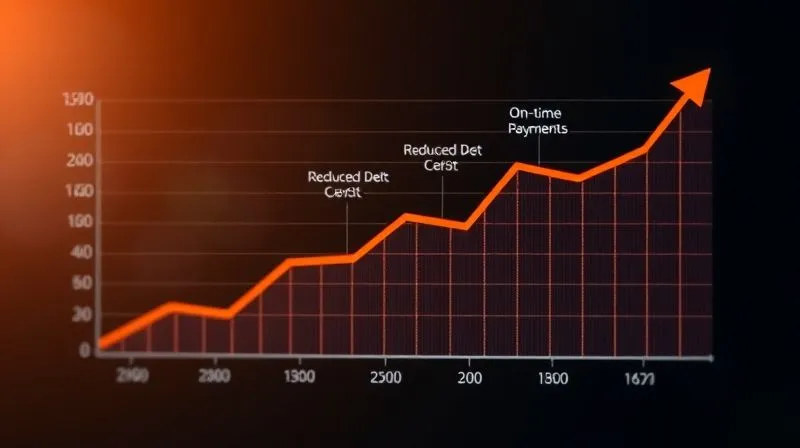
| Month | Credit Score | Key Action |
|---|---|---|
| Jan | 580 | Identified Issue, Disputed Error |
| Feb | 610 | Paid Down High Utilization Card |
| Mar | 635 | Goodwill Letter Approved |
| Apr | 650 | Secured Card Opened, On-Time Payments |
| May | 665 | Consistent Payments, Utilization Low |
| Jun | 680 | Collection Account Removed (Pay-for-Delete) |
When to Seek Professional Help
While many credit score issues can be resolved with diligent personal effort, there are times when seeking professional help is not just advisable but essential. As an industry specialist, I know when to recommend bringing in the cavalry. This is particularly true if your situation is complex, overwhelming, or if you're battling persistent errors or aggressive debt collectors.
Credit Counseling vs. Debt Management
It's crucial to understand the difference between legitimate credit counseling and other services, some of which can be predatory. A reputable non-profit credit counseling agency can be a lifeline.
- Credit Counseling: Non-profit credit counseling agencies, like those accredited by the National Foundation for Credit Counseling (NFCC), offer free or low-cost advice on budgeting, debt management, and credit repair. They can help you create a personalized plan to tackle your debt and improve your financial health. They provide education and guidance, empowering you to make informed decisions.
- Debt Management Plans (DMPs): If your debt burden is substantial, a credit counselor might recommend a DMP. Under a DMP, the agency negotiates with your creditors for lower interest rates or waived fees, and you make one consolidated payment to the agency, which then distributes it to your creditors. This can significantly simplify your payments and accelerate debt repayment, though it may negatively impact your credit initially by closing some accounts.
Be wary of companies that promise quick fixes, guarantee removal of legitimate negative items, or charge exorbitant upfront fees. Always research a company thoroughly with the Better Business Bureau and state attorney general's office before engaging their services. The Consumer Financial Protection Bureau (CFPB) offers excellent resources on choosing a credit counselor.

Frequently Asked Questions (FAQ)
Question? How long does it *really* take to restore a client's credit score after an unexpected hit? The timeline for credit score restoration varies significantly depending on the severity of the hit and the actions taken. Minor issues like high utilization can see improvements within 1-2 billing cycles (30-60 days). More severe issues like late payments or collections might take 6-12 months for substantial recovery, as positive payment history needs time to accumulate. Major derogatory marks like bankruptcies can stay on your report for 7-10 years, but their impact diminishes over time. Consistent, diligent effort is the fastest path.
Question? Can I remove legitimate negative items from my credit report? Legitimate negative items, such as a correctly reported late payment or a valid collection account, are difficult to remove before their statutory reporting period (usually 7 years). However, you can attempt strategies like a goodwill letter for a single late payment or a pay-for-delete negotiation for a collection account. Success depends on your payment history, the creditor's policy, and your negotiation skills. Focus on adding positive information to outweigh the negative.
Question? What about closing old credit card accounts? Does that help? Generally, no. Closing old credit card accounts can actually hurt your credit score. Firstly, it reduces your total available credit, which can increase your credit utilization ratio if you carry balances on other cards. Secondly, it shortens your average length of credit history, a factor that lenders view positively. Unless an account has an annual fee you can't justify, or it's a source of temptation, it's usually best to keep old accounts open, even if you don't use them.
Question? How do I handle credit score hits related to identity theft? If identity theft is the cause, immediate action is critical. First, place a fraud alert and then a credit freeze with all three major credit bureaus (Experian, Equifax, TransUnion). Next, file a report with the Federal Trade Commission (FTC) and a police report. Use the FTC's identity theft report to dispute fraudulent accounts directly with creditors and credit bureaus. This documentation is crucial for removing unauthorized accounts and inquiries.
Question? Is a credit repair company worth the investment? A reputable credit repair company can be beneficial if your credit report is riddled with complex errors, or if you lack the time and expertise to dispute items yourself. They can help identify inaccuracies and communicate with creditors and credit bureaus on your behalf. However, be cautious: no company can legally remove accurate negative information. Always check their reputation, understand their fees, and avoid any company that promises guaranteed results or asks for upfront payment before services are rendered. You can do much of the work yourself for free.
Key Takeaways and Final Thoughts
An unexpected hit to your credit score can be unsettling, but it is not a permanent setback. With the right knowledge and a disciplined approach, you absolutely can quickly restore a client's credit score after an unexpected hit and emerge with a stronger financial foundation. Remember, credit repair is a marathon, not a sprint, but consistent effort yields significant results.
- Act Immediately: Don't delay in reviewing your credit reports and disputing any errors.
- Manage Utilization: Prioritize paying down revolving credit balances to keep utilization below 30%.
- Address Negative Marks: Explore goodwill letters, pay-for-delete, and debt validation for collections.
- Build Positive History: Automate payments and consider secured cards or credit builder loans.
- Monitor & Maintain: Regularly check your credit reports and scores, and practice sound financial habits.
- Seek Help When Needed: Don't hesitate to consult reputable credit counseling agencies for complex situations.
Your credit score is a dynamic reflection of your financial responsibility. By taking these actionable steps, you're not just fixing a number; you're taking control of your financial narrative. Stay persistent, stay informed, and know that every positive action you take brings you closer to robust financial health. I've seen countless individuals turn their credit around, and with this guide, you have the tools to do the same.
Recommended Reading
- Unlock Your Financial Future: Best Wealth Building Strategies for Young Adults
- Budgeting a Year of Professional Backpacking: Debt-Free Strategies
- Unlock the Secrets: How to Calculate Startup Valuation for Seed Funding
- Crush Student Debt & Build Wealth: 7 Steps to Retire Early
- 5 Expert Strategies: How to Resolve High-Value Commercial Insurance Claim Disputes





Comments
Leave a comment below. Your email will not be published. Required fields marked with *