



How to Protect Investment Portfolios from Global Recession Impact?
For over two decades in the global finance arena, I've witnessed the ebb and flow of economic cycles, from the dot-com bust to the 2008 financial crisis, and more recently, the pandemic-induced volatility. Each downturn brought with it a wave of fear, uncertainty, and unfortunately, significant capital loss for those unprepared. My experience has taught me that while no portfolio is entirely immune, a well-thought-out defensive strategy can be the difference between merely surviving and truly thriving on the other side of a recession.
The specter of a global recession casts a long shadow over investors worldwide. Interconnected markets, geopolitical tensions, supply chain disruptions, and inflationary pressures mean that economic contractions are no longer isolated events but ripple effects felt across continents. The primary pain point for many investors is the fear of watching years of hard-earned savings erode, the anxiety of making the wrong move, or simply feeling powerless against macroeconomic forces.
This article isn't just another theoretical discussion; it's a distillation of practical wisdom and actionable frameworks I've cultivated over my career. You'll learn not only the 'what' but the 'how' – specific strategies, real-world analogies, and expert insights designed to fortify your investment portfolio against the inevitable impact of a global recession. My goal is to equip you with the knowledge and confidence to navigate these turbulent waters, turning potential threats into opportunities for resilience and long-term growth.
Understanding the Global Recession Landscape: A Veteran's Perspective
Before we delve into protective measures, it's crucial to understand the beast we're trying to tame. A global recession isn't just a localized economic slowdown; it's a synchronized contraction across major world economies, characterized by declining GDP, rising unemployment, and reduced consumer spending. I've seen how these downturns breed panic, leading many investors to make impulsive decisions that often compound their losses.
The current landscape is particularly complex, with lingering inflation, tightening monetary policies, and ongoing geopolitical instability creating a volatile cocktail. Historically, recessions have been opportunities for wealth transfer, from the unprepared to the disciplined. My mantra has always been: preparation, not prediction, is the key.
The biggest mistake investors make during a downturn isn't losing money; it's losing perspective. Panic selling locks in losses and forfeits the eventual recovery. Discipline is your most valuable asset.
According to the International Monetary Fund's World Economic Outlook, global growth forecasts are frequently revised downwards, signaling persistent headwinds. This data underscores the necessity of proactive portfolio adjustments rather than reactive ones. Understanding the macro environment allows us to anticipate potential stresses and build a more resilient financial structure.
Diversification Beyond Borders: The Ultimate Shield
Diversification is perhaps the oldest and most fundamental principle of risk management, yet its true power is often underestimated, especially when it comes to global recession impact. It's not just about owning different stocks; it's about strategic allocation across asset classes, geographies, and industries. I've witnessed countless portfolios suffer because they were overly concentrated in a single sector or region, leaving them vulnerable to specific economic shocks.
True diversification means spreading your eggs across many baskets, and those baskets should react differently to the same economic forces. For instance, when domestic stocks falter, international equities, particularly in markets with different economic cycles, might offer a buffer. Similarly, bonds often perform inversely to stocks, providing stability.

Here are actionable steps for robust diversification:
- Geographic Diversification: Invest in companies and sovereign bonds from different countries. Emerging markets, while riskier, can offer uncorrelated returns.
- Asset Class Diversification: Beyond stocks and bonds, consider real estate, commodities (like gold), and even alternative investments.
- Sector Diversification: Avoid overexposure to cyclical industries. Balance your portfolio with defensive sectors like utilities, healthcare, and consumer staples, which tend to perform better during downturns.
- Currency Diversification: Holding assets denominated in different currencies can protect against domestic currency depreciation.
As detailed in a study published by the National Bureau of Economic Research (NBER) on portfolio optimization, broad diversification across uncorrelated assets significantly reduces overall portfolio volatility without necessarily sacrificing long-term returns. This academic backing reinforces what I've seen in practice: it works.
Embracing Defensive Assets: Where to Shelter Your Capital
During economic contractions, certain asset classes historically demonstrate greater resilience, acting as 'safe havens' or 'defensive plays.' These are the assets I've consistently recommended to clients looking to buffer their portfolios against volatility. They might not offer explosive growth, but their primary role is capital preservation.
Key defensive assets include:
- Government Bonds: Particularly those from stable, developed economies (e.g., U.S. Treasuries, German Bunds). They are generally considered low-risk, and their prices can even rise as interest rates fall during a recession.
- Gold and Precious Metals: Often seen as the ultimate safe haven, gold tends to perform well when confidence in fiat currencies or financial systems wanes.
- Cash and Cash Equivalents: While inflation can erode its value over time, cash offers unparalleled liquidity and optionality during a crisis.
- Utilities and Consumer Staples Stocks: Companies providing essential goods and services (electricity, water, food, hygiene products) tend to have more stable demand regardless of the economic climate.
| Asset Class | Recession Performance | Key Benefit | Risk Level |
|---|---|---|---|
| Government Bonds | Stable/Positive | Capital Preservation, Lower Volatility | Low |
| Gold | Positive | Inflation Hedge, Safe Haven | Medium |
| Cash Equivalents | Stable | Liquidity, Optionality | Very Low |
| Utilities Stocks | Stable | Consistent Demand, Dividends | Medium-Low |
| Consumer Staples Stocks | Stable | Essential Goods Demand | Medium-Low |
The Enduring Appeal of Gold as a Safe Haven
Gold has been a store of value for millennia, and its role as a recession hedge remains potent. In times of economic uncertainty, geopolitical turmoil, or high inflation, investors frequently flock to gold, driving up its price. It's an asset that doesn't rely on corporate earnings or government stability in the same way stocks or bonds do. While it can be volatile in the short term, its long-term track record during crises is compelling. I often advise allocating a small, strategic portion of a portfolio (e.g., 5-10%) to gold or gold-backed ETFs as a defensive measure.
The Power of Cash Reserves and Liquidity: Your Financial Breathing Room
In the frantic scramble of a recession, liquidity becomes king. Holding adequate cash reserves is not just about having an emergency fund for personal expenses; it's a strategic investment decision. I've observed that investors with sufficient cash are often the ones who can sleep soundly during market turmoil, knowing they won't be forced to sell assets at fire-sale prices to cover immediate needs.
Cash is not trash during a recession; it's optionality. It provides the financial breathing room to avoid forced selling and, more importantly, the dry powder to seize opportunities when valuations become attractive.
The importance of a robust emergency fund cannot be overstated. Financial planning expert Dave Ramsey often emphasizes the necessity of 3-6 months' worth of living expenses in an accessible savings account. During a recession, this buffer is even more critical, protecting you from personal financial shocks that could otherwise force you to liquidate investments prematurely.
Beyond personal emergencies, a strategic cash reserve allows you to capitalize on market dislocations. When high-quality assets are trading at significantly reduced prices due to panic, having cash on hand enables you to 'buy the dip' and position your portfolio for the eventual recovery. This counter-cyclical buying is a hallmark of successful long-term investors.
Hedging Strategies and Derivatives: Advanced Protection for Sophisticated Investors
For more sophisticated investors or larger portfolios, employing hedging strategies through derivatives can offer targeted protection against specific risks. While these instruments carry their own complexities and risks, when used judiciously, they can be powerful tools to mitigate recessionary impacts. I've seen institutional investors effectively use these techniques to navigate severe market downturns.
Common hedging strategies include:
- Put Options: Buying put options on individual stocks or market indices (like the S&P 500) gives you the right, but not the obligation, to sell an asset at a predetermined price. This can cap your downside risk.
- Short Selling: Selling borrowed securities with the expectation of buying them back at a lower price can profit from falling markets, though it carries unlimited risk.
- Futures Contracts: These can be used to hedge against commodity price fluctuations or currency risk for international investments.
- Inverse ETFs: These exchange-traded funds are designed to move in the opposite direction of a specific index or commodity, offering a simpler way to bet against the market.
Case Study: How Tech Innovators Inc. Mitigated Currency Risk
Tech Innovators Inc., a mid-sized tech company with significant overseas revenue, faced a potential 15% drop in earnings if the Euro depreciated sharply against the USD during an anticipated global slowdown. Rather than hoping for the best, their CFO, advised by their financial team, implemented a currency hedging strategy using forward contracts. They locked in an exchange rate for a portion of their expected Euro receivables, effectively insulating that portion of their revenue from adverse currency movements. This strategic foresight protected their bottom line during a volatile period, demonstrating how derivatives can be used defensively even by non-financial entities.
Rebalancing and Risk Assessment: Continuous Vigilance
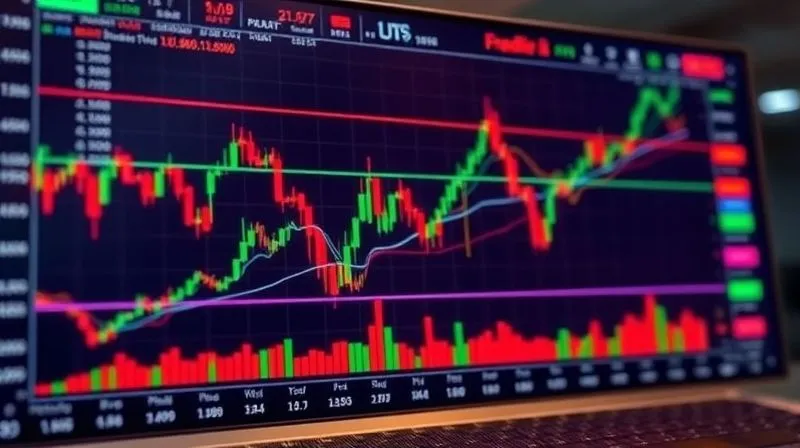
A set-it-and-forget-it approach to investing is a recipe for disaster, especially during periods of economic uncertainty. Regularly rebalancing your portfolio and conducting thorough risk assessments are non-negotiable practices for safeguarding your investments. The market's movements can naturally shift your asset allocation, inadvertently exposing you to greater risk than you intended.
Rebalancing means periodically adjusting your portfolio back to your target asset allocation. If stocks have performed exceptionally well, they might now represent a larger percentage of your portfolio than you initially desired, increasing your overall risk profile. Conversely, a downturn might necessitate buying more stocks to bring them back to target levels, a contrarian move that requires discipline.
Here's a pragmatic approach to rebalancing and risk assessment:
- Define Your Target Allocation: Establish a clear percentage for each asset class (e.g., 60% stocks, 30% bonds, 10% alternatives) based on your risk tolerance and financial goals.
- Set a Review Schedule: Quarterly or semi-annually is often ideal. More frequent reviews during extreme volatility might be warranted, but avoid daily tinkering.
- Identify Triggers: Rebalance if an asset class deviates by a certain percentage (e.g., 5-10%) from its target, regardless of the schedule.
- Assess Macro Risks: Regularly evaluate global economic indicators, geopolitical developments, and interest rate policies. How might these impact your current holdings?
- Review Individual Holdings: Are the underlying fundamentals of your companies still strong? Has their competitive landscape changed?
Understanding Behavioral Biases During Market Stress
One of the biggest risks during a recession isn't the market itself, but our own psychology. Behavioral biases like loss aversion (the pain of losing is stronger than the pleasure of gaining) and herd mentality (following the crowd) can lead to irrational decisions. Recognising these biases is the first step to mitigating their impact. I've often seen investors sell at the bottom because 'everyone else is selling,' only to miss the subsequent recovery. A disciplined rebalancing strategy acts as an emotional circuit breaker.
Long-Term Vision and Emotional Discipline: The Unsung Heroes
While tactical adjustments are important, the most powerful defense against recession impact often lies in cultivating a long-term vision and unwavering emotional discipline. I've seen that those who consistently succeed through multiple economic cycles are not necessarily the ones with the most complex strategies, but those with the strongest resolve to stick to their plan.
The market is a device for transferring money from the impatient to the patient. During a recession, patience is not just a virtue; it's a profit-generating strategy.
Recessions are temporary. Market history unequivocally shows that every downturn has been followed by a recovery, often leading to new highs. Panicking and selling off your investments during a dip locks in losses and ensures you miss the rebound. Your goal should be to position your portfolio to weather the storm, not to bail out of the ship.

Cultivating emotional discipline involves:
- Having a Written Investment Plan: This plan, created during calm times, serves as your guide during panic.
- Focusing on Fundamentals: During market noise, revisit why you invested in certain companies or assets. Are the underlying fundamentals still sound?
- Ignoring the Daily Noise: Limit exposure to sensationalist news. Focus on your long-term goals.
- Automating Investments: Dollar-cost averaging, where you invest a fixed amount regularly, ensures you buy more shares when prices are low and fewer when they are high, removing emotion from the equation.
As legendary investor Warren Buffett often reminds us, be fearful when others are greedy and greedy when others are fearful. This contrarian approach, rooted in long-term value, is particularly potent during recessions.
Exploring Alternative Investments: Expanding Your Defensive Playbook
Beyond traditional stocks, bonds, and cash, alternative investments can offer additional layers of portfolio protection and diversification, especially during a global recession. These assets often have lower correlation with public markets, meaning they might not move in lockstep with stocks and bonds, thus providing a valuable hedge. My experience suggests that a carefully selected allocation to alternatives can significantly enhance portfolio resilience.
Some prominent alternative investments include:
- Real Estate: While not immune to recessions, certain segments of real estate (e.g., essential services, medical offices, multi-family housing in stable areas) can provide steady income and act as an inflation hedge. Private real estate funds or REITs (Real Estate Investment Trusts) offer different exposure levels.
- Private Equity/Debt: Investing in private companies or providing private loans can offer higher returns and less public market volatility, though they come with illiquidity and higher risk.
- Infrastructure: Investments in essential infrastructure (roads, bridges, utilities, communication networks) often generate stable, long-term cash flows, as demand tends to be less cyclical.
- Hedge Funds: These funds employ various strategies, including 'long/short' or 'macro' approaches, designed to generate returns in any market condition, though their fees are typically higher.
- Managed Futures: These strategies trade futures contracts across various markets (commodities, currencies, indices), often benefiting from sustained trends, whether up or down.
| Alternative Investment | Potential Benefit | Key Challenge |
|---|---|---|
| Real Estate (Direct/REITs) | Income, Inflation Hedge, Lower Volatility | Illiquidity, Market Cycles |
| Private Equity/Debt | Higher Returns, Diversification | Illiquidity, High Risk, Access |
| Infrastructure | Stable Cash Flows, Essential Services | Capital Intensive, Long Horizons |
| Gold/Precious Metals | Safe Haven, Inflation Hedge | Price Volatility, No Income |
| Hedge Funds (Specific Strategies) | Absolute Returns, Market Neutrality | High Fees, Complexity, Performance Variability |
While alternatives can be powerful, they often come with higher minimum investments, less liquidity, and greater complexity. Thorough due diligence and understanding the specific risks associated with each alternative are paramount. I always recommend consulting with a financial advisor experienced in these areas before making significant allocations.

Frequently Asked Questions (FAQ)
Is it too late to protect my portfolio if a recession is already here? No, it's never too late to take protective measures. While you might have missed some of the proactive benefits, you can still implement defensive strategies like rebalancing towards safer assets, building cash reserves, and reducing exposure to highly cyclical sectors. The goal shifts from pre-emption to mitigation and positioning for recovery.
Should I sell everything and hold cash? Generally, no. While increasing cash reserves is a prudent step, selling all your investments usually means locking in losses and missing the eventual market recovery, which often begins before the recession officially ends. A diversified portfolio with a strategic allocation to defensive assets and cash is typically a more balanced and effective approach.
How often should I rebalance my portfolio during volatile times? During periods of high volatility, you might consider reviewing your portfolio more frequently, perhaps quarterly or if an asset class deviates significantly (e.g., 10%) from its target allocation. However, avoid over-rebalancing, which can lead to excessive transaction costs and emotional decision-making. Stick to your predefined rules.
What role does inflation play in recession-proofing? Inflation can erode the purchasing power of cash and fixed-income investments. Therefore, recession-proofing during inflationary periods involves assets that can act as an inflation hedge, such as certain commodities (gold, oil), real estate, TIPS (Treasury Inflation-Protected Securities), and stocks of companies with strong pricing power. Balancing inflation protection with recession defense is crucial.
Are international investments truly safer? International investments offer diversification benefits by reducing concentration risk in a single domestic economy. However, they introduce new risks like currency fluctuations, geopolitical instability, and different regulatory environments. Their 'safety' depends on careful selection and understanding of the specific markets. Diversification across different global economies is key, not just blindly investing internationally.
Key Takeaways and Final Thoughts
Navigating the choppy waters of a global recession demands a blend of foresight, discipline, and a robust strategy. My journey through various market cycles has reinforced that while fear is a natural response, informed action is the only path to protecting and even growing your wealth.
- Diversify Broadly: Spread your investments across different asset classes, geographies, and industries.
- Embrace Defensive Assets: Allocate strategically to government bonds, gold, and stable sectors like utilities and consumer staples.
- Build Cash Reserves: Ensure you have adequate liquidity for emergencies and to seize opportunities.
- Consider Hedging: For sophisticated investors, derivatives can offer targeted risk mitigation.
- Rebalance Regularly: Stick to your target asset allocation and assess risks continuously.
- Cultivate a Long-Term Vision: Resist panic selling and maintain emotional discipline.
- Explore Alternatives: Carefully consider real estate, private equity, or infrastructure for uncorrelated returns.
Remember, a recession is not the end of the world; it's a phase in the economic cycle. By implementing these expert-backed strategies, you're not just reacting to fear, but proactively building a resilient portfolio designed to withstand global economic shocks and emerge stronger. Stay informed, stay disciplined, and trust in your well-constructed plan. The market rewards patience and preparation.
Recommended Reading
- Future-Proof Your Wealth: How Retirement Age Drastically Affects Finances
- Unlock Financial Freedom: How to Use Software to Conquer Overspending
- Unlock Ethical Wealth: How to Evaluate Fair Trade Investment Options?
- Navigating FOS: How to Challenge an Unfavorable Client Decision Effectively
- High Income, Low Wealth? 7 Hidden Traps Draining Your Riches





Comments
Leave a comment below. Your email will not be published. Required fields marked with *