



How to maximize financial returns while ensuring deep social impact?
For over two decades in the intricate world of finance, I’ve witnessed countless investment trends come and go. Yet, one movement has not only persisted but profoundly reshaped our understanding of capital: impact investing. I remember a time when the notion of 'doing good' with money was often relegated to philanthropy, separate from serious wealth creation. That paradigm, I assure you, is long gone.
The prevailing challenge I often hear from both seasoned investors and newcomers alike is the perceived trade-off: 'Can I truly achieve competitive financial returns *and* genuinely move the needle on critical social and environmental issues?' This isn't just a philosophical debate; it's a practical hurdle that prevents many from aligning their portfolios with their deepest values. Many fear that pursuing impact means sacrificing profit, leading to analysis paralysis or worse, inaction.
In this definitive guide, I will share the strategies, frameworks, and insights I’ve cultivated over years of experience to dismantle this false dichotomy. You will discover how to identify, evaluate, and engage with investments that not only deliver robust financial performance but also drive profound, measurable social and environmental impact. We'll explore actionable steps, real-world examples, and expert advice to empower you to maximize financial returns while ensuring deep social impact, transforming your capital into a powerful force for good.
Defining True Impact: Beyond ESG Scores
Before we delve into strategies, it's crucial to clarify what 'deep social impact' truly means in the context of investing. Many conflate impact investing with Environmental, Social, and Governance (ESG) investing, but in my experience, they are distinct, albeit complementary, approaches. While ESG screening helps mitigate risks and identify responsible companies, true impact investing goes a significant step further – it's about intentionality and additionality.
Intentionality means actively seeking investments with the explicit purpose of generating positive, measurable social and environmental impact alongside a financial return. It's not just avoiding harm; it's proactively creating good. Additionality refers to the idea that your investment contributes to an impact that would not have occurred otherwise. Are you filling a funding gap, enabling a new solution, or scaling an existing one that truly needs capital?
“Impact investing is not merely about aligning with values; it's about actively deploying capital to solve urgent global challenges, demanding both financial discipline and a profound commitment to measurable change.” - An Industry Specialist's Insight.
The Spectrum of Impact
Understanding the spectrum of impact is vital. It ranges from traditional investing (focused solely on financial return) to philanthropy (focused solely on social return). Impact investing sits squarely in the middle, demanding both. Here’s how I categorize it:
- ESG Integration: Incorporating ESG factors into traditional financial analysis to identify risks and opportunities. This is a baseline for responsible investing.
- Sustainable Investing: Screening out 'bad' industries (e.g., tobacco, firearms) or selecting 'good' ones (e.g., renewable energy). Focuses on alignment and risk management.
- Thematic Investing: Investing in specific themes like clean water or sustainable agriculture, often with an impact lens, but the primary driver might still be market growth within that sector.
- Impact Investing: Directing capital towards enterprises or funds with a clear, measurable intent to generate positive social or environmental change, alongside financial returns. This is where deep impact truly resides.
For those serious about deep social impact, the focus must be on the latter – identifying investments where the impact is a core, inextricable part of the business model, not merely a side effect or a screened characteristic.
Strategic Frameworks for Dual Returns: My Proven Approach
Over the years, I've developed and refined a multi-faceted approach to identify and cultivate investments that genuinely deliver both strong financial performance and profound social change. This isn't about luck; it's about systematic inquiry and strategic execution. Here are the core pillars of my framework:
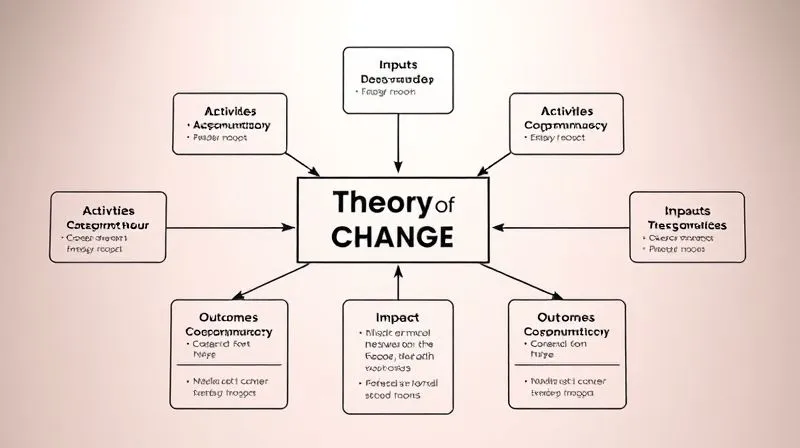
1. Intentionality & Theory of Change
The first step, and arguably the most crucial, is to rigorously define the intended impact. What specific problem are you trying to solve? Who benefits, and how? Without clarity here, 'impact' can become a vague, unmeasurable aspiration. I always advise clients to:
- Define Your Impact Thesis: Clearly articulate the social or environmental problem you aim to address (e.g., lack of access to clean water, sustainable energy transition, financial inclusion for underserved communities).
- Identify Your Target Beneficiaries: Who are the primary recipients of this positive change? Be specific.
- Articulate Your Theory of Change: This is a roadmap explaining how an investment's activities lead to desired outcomes and ultimately, the intended impact. It outlines the causal links.
Here’s a simplified process I use to build a robust Theory of Change:
- Identify the Problem: What specific issue needs solving? (e.g., 'Smallholder farmers in region X lack access to affordable, climate-resilient seeds.')
- Define the Intervention: What will the investment fund or company do? (e.g., 'Develop and distribute drought-resistant seeds at subsidized rates.')
- Outline Activities: What actions will be taken? (e.g., 'R&D, seed production, distribution network establishment, farmer training.')
- Predict Outputs: What immediate, tangible results will come from activities? (e.g., 'X tons of seeds distributed, Y farmers trained.')
- Envision Outcomes: What changes will occur due to outputs? (e.g., 'Increased crop yields, reduced crop loss, improved farmer income.')
- Forecast Impact: What long-term, systemic change is expected? (e.g., 'Enhanced food security, improved farmer livelihoods, reduced climate vulnerability in region X.')
This structured thinking ensures that impact is baked into the investment's DNA, not merely an afterthought. It also provides a clear framework for measurement later on.
2. Rigorous Due Diligence: Beyond Financials
Once the impact thesis is clear, the next step is comprehensive due diligence. This is where my experience truly comes into play, as it requires a blend of traditional financial analysis and deep impact assessment. You can't just look at the balance sheet; you must scrutinize the impact statement with equal rigor. I evaluate:
- Impact Diligence:
- Authenticity of Intent: Does the company's mission genuinely align with its activities? Are they 'impact-first' or 'profit-first with impact as a bonus'?
- Additionality & Contribution: Is the company filling a genuine gap? How would the impact vary without this specific investment?
- Stakeholder Engagement: How does the company involve and benefit its target beneficiaries? Is there a risk of unintended negative consequences?
- Impact Measurement & Management (IMM) Systems: Does the company have robust systems in place to track, measure, and report its impact? Is it transparent?
- Financial Diligence:
- Business Model Viability: Is the business model sustainable and scalable? Impact without financial viability is philanthropy, not investing.
- Competitive Advantage: Does the company have a unique selling proposition?
- Management Team: Is the leadership experienced, committed, and capable of executing both the business and impact strategies?
- Risk Assessment: Standard financial, market, operational, and regulatory risks.
As Harvard Business Review often highlights, the most successful impact investments are those where financial rigor meets social innovation. It's not enough to be a good idea; it must be a good business.
3. Innovative Financial Structures for Impact
The world of impact investing is constantly innovating with financial instruments designed to optimize both returns and impact. Traditional equity and debt are certainly part of the mix, but I've seen tremendous success with more creative structures:
- Blended Finance: This involves strategically combining different types of capital (e.g., philanthropic grants, concessional loans, commercial investment) to de-risk projects and attract private capital to areas it wouldn't typically reach.
- Pay-for-Success Instruments (e.g., Social Impact Bonds): These tie financial returns directly to the achievement of specific social outcomes. Investors are repaid by a government or other entity only if the predetermined impact metrics are met, aligning incentives powerfully.
- Revenue-Based Financing: Where investors receive a percentage of a company's gross revenue until a certain multiple of their investment is repaid, often suitable for early-stage impact enterprises.
- Patient Capital: Equity or debt capital provided with a longer time horizon for repayment and lower return expectations, allowing impact enterprises the time needed to achieve scale and sustained impact.
These structures, often championed by organizations like the World Bank and development finance institutions, are critical for directing capital to challenging but high-impact sectors, proving that financial innovation can serve social good.
Measuring What Matters: Quantifying Social & Environmental Outcomes
One of the most common pitfalls I've observed in impact investing is the failure to adequately measure impact. Without robust measurement, claims of 'deep social impact' remain unsubstantiated and can lead to 'impact washing.' My mantra is: if you can't measure it, you can't manage it, and you certainly can't claim it.
Measuring impact is inherently more complex than measuring financial returns, but it is absolutely essential. It requires clarity on what constitutes success and a commitment to data collection and reporting.
Key Metrics & Reporting Standards
Fortunately, the industry has matured significantly, offering standardized frameworks and tools to guide impact measurement. I strongly advocate for their adoption:
- IRIS+ (Impact Reporting and Investment Standards): Developed by the Global Impact Investing Network (GIIN), IRIS+ provides a comprehensive catalog of generally accepted performance metrics that are used to measure social, environmental, and financial performance. It's an invaluable resource for structuring impact data.
- Sustainable Development Goals (SDGs): The 17 SDGs, established by the United Nations, offer a universal framework for impact. Investors can map their investments directly to specific SDG targets, providing a globally recognized benchmark for contribution.
- B Impact Assessment: For companies seeking to certify as B Corporations, this assessment measures a company's entire social and environmental performance. It's a holistic tool that can also be used by investors to evaluate potential investees.
- Proprietary Metrics: While standards are crucial, some unique impact models require bespoke metrics. These should be developed transparently, with clear methodologies, and validated by independent experts where possible.
The key is consistency and transparency. Investors and companies must agree on metrics upfront and commit to regular, auditable reporting. This builds trust and allows for genuine learning and improvement.
| Standard | Focus | Benefit |
|---|---|---|
| IRIS+ | Impact Measurement | Standardized metrics for comparable impact data |
| GIIN (Global Impact Investing Network) | Industry Insights & Best Practices | Market intelligence, resources, and community building |
| B Corp Certification | Company-level Social & Environmental Performance | Holistic assessment, public trust, and commitment to stakeholders |
| SDGs (Sustainable Development Goals) | Global Impact Framework | Universal language for impact, broad thematic alignment |
Case Study: GreenHarvest Ventures & Sustainable Agriculture
Let me share a brief, illustrative case study from my own experience, albeit with fictional names. GreenHarvest Ventures, a private equity fund I advised, sought to invest in sustainable agriculture in Southeast Asia. Their thesis was to improve farmer livelihoods and reduce environmental degradation from conventional farming practices.
The Challenge: Smallholder farmers faced declining soil fertility, reliance on expensive chemical inputs, and volatile market prices. Traditional lenders viewed them as high risk.
GreenHarvest's Solution: They invested in a local agri-tech company, 'AgriInnovate,' which developed affordable, organic fertilizers and provided digital market access for farmers' produce. GreenHarvest's investment, alongside technical assistance, allowed AgriInnovate to scale its operations significantly.
The Impact & Returns: AgriInnovate, supported by GreenHarvest, reached over 50,000 farmers in three years. Farmers using AgriInnovate's products saw an average 20% increase in yields and a 30% reduction in input costs, leading to a net income increase of 25%. Environmentally, soil health improved, and chemical runoff decreased by 40% in participating areas. Financially, AgriInnovate achieved profitability within four years, and GreenHarvest realized a 2.8x return on its investment upon exit, demonstrating that deep impact can indeed align with superior financial performance.
Navigating Risks: Mitigating Pitfalls in Impact Investing
No investment journey is without its risks, and impact investing introduces its own set of unique considerations. As an experienced specialist, I've learned that anticipating and mitigating these risks is paramount to achieving both financial and social objectives. It’s not just about what can go right, but what could potentially go wrong.
1. Impact Washing & Greenwashing
This is perhaps the most significant reputational risk in the impact investing space. 'Impact washing' occurs when an investment or company exaggerates or misrepresents its social or environmental impact for marketing purposes, without genuine underlying performance. I've seen this mistake countless times, where a company claims to be 'green' but its core operations remain environmentally destructive.
To avoid this, I always emphasize:
- Independent Verification: Seek third-party audits or certifications for impact claims.
- Transparency: Demand clear, detailed, and publicly accessible impact reports.
- Due Diligence on Intent: Look beyond marketing materials to understand the company's true operational commitment to impact. Is it embedded in their governance, compensation, and supply chain?
“Authenticity in impact is built on transparency, measurable outcomes, and an unwavering commitment to the mission, not just clever marketing.” - A Core Principle.
2. Market Volatility & Untested Models
Many impact investments, particularly in emerging markets or innovative sectors, can involve early-stage companies or untested business models. This naturally introduces higher financial risk. While the potential for transformative impact is high, so too can be the volatility.
My advice here is to:
- Diversify Your Portfolio: Don't put all your impact eggs in one basket. Spread investments across different sectors, geographies, and stages of development.
- Conduct Thorough Market Research: Understand the specific market dynamics, regulatory environment, and competitive landscape.
- Seek Expert Guidance: Partner with fund managers or advisors who have a proven track record in the specific impact sector you're interested in.
3. Governance & Transparency Challenges
Impact enterprises often operate in complex environments, sometimes in regions with weaker regulatory frameworks or nascent capital markets. This can pose challenges related to corporate governance, financial transparency, and ethical conduct.
To safeguard your investment and its intended impact:
- Robust Governance Structures: Insist on clear governance frameworks, independent board members, and strong internal controls.
- Regular Reporting & Monitoring: Beyond financial reports, demand consistent and detailed impact reports, and actively monitor progress against agreed-upon metrics.
- Understand Local Context: Engage with local stakeholders and experts to understand the socio-political landscape and potential ethical considerations.
Building Your Impact Portfolio: Diversification & Alignment
Now that we've covered the strategic frameworks and risk mitigation, let's talk about constructing an impact portfolio that is both financially resilient and deeply impactful. The goal is to build a diversified portfolio that aligns with your personal values and impact goals, while still delivering competitive returns.
Asset Classes for Impact
Impact investing is no longer confined to niche funds; it spans a wide range of asset classes, offering flexibility for various risk appetites and return expectations:
- Private Equity & Venture Capital: Often targets early to growth-stage companies with high impact potential, such as renewable energy startups, sustainable agriculture enterprises, or health-tech innovations in underserved communities. These can offer significant returns but come with higher risk and longer horizons.
- Private Debt: Providing loans to impact-focused businesses, microfinance institutions, or affordable housing projects. This can offer stable, fixed-income returns with a clear social benefit.
- Public Equities: Investing in publicly traded companies that demonstrate strong ESG performance and a clear commitment to sustainable business practices, or through thematic ETFs focused on impact sectors.
- Real Assets: Investments in tangible assets like sustainable forestry, conservation land, or renewable energy infrastructure (solar farms, wind parks) that generate both financial returns and environmental benefits.
- Fixed Income & Green Bonds: Investing in bonds issued by governments, municipalities, or corporations specifically to finance environmental or social projects. These offer lower risk and predictable returns.

The Role of Expert Advisors
Navigating the impact investing landscape can be complex, especially for individual investors or those new to the space. This is where an experienced impact investing advisor becomes invaluable. They can help you:
- Define Your Impact Goals: Translate your values into concrete impact objectives.
- Source & Vet Opportunities: Access proprietary deal flow and conduct rigorous due diligence on both financial and impact fronts.
- Build a Diversified Portfolio: Construct a portfolio across various asset classes, geographies, and impact themes to optimize risk and return.
- Monitor & Report Impact: Implement robust impact measurement and management systems to track progress and ensure accountability.
As organizations like The Global Impact Investing Network (GIIN) consistently emphasize, leveraging specialized expertise is a key factor in successful impact investing, ensuring that your capital is deployed effectively and responsibly.
Emerging Trends: The Future of Impact Investing
The impact investing landscape is dynamic, continually evolving with new technologies, growing awareness, and innovative financial instruments. As a veteran in this field, I'm particularly excited about several emerging trends that promise to further maximize financial returns while ensuring deep social impact.
The mainstreaming of impact investing is no longer a distant dream but a present reality. What was once a niche pursuit for philanthropists and mission-driven foundations is now attracting significant institutional capital, from pension funds to sovereign wealth funds. This influx of capital brings greater liquidity, more sophisticated financial products, and increased competition, which ultimately benefits both investors and impact enterprises.
Technology's Role: Blockchain & AI
Technology is set to revolutionize impact measurement and transparency. I foresee a future where:
- Blockchain for Transparency: Distributed ledger technology can provide immutable records of impact data, enhancing trust and reducing the risk of impact washing. Imagine tracking the journey of a sustainable product from farm to consumer, with every step verified and recorded on a blockchain.
- AI for Data Analysis: Artificial intelligence can analyze vast datasets to identify impact trends, predict outcomes, and optimize investment strategies. AI can help identify underserved communities, assess the effectiveness of interventions, and even flag potential risks more efficiently than human analysts.
These technological advancements promise to make impact investing more efficient, transparent, and scalable, enabling deeper insights into both financial and social performance.
Mainstreaming Impact: Institutional Adoption
The increasing involvement of large institutional investors is a game-changer. Their participation brings:
- Greater Capital Pools: Unlocking trillions of dollars for impact-focused investments.
- Standardization & Professionalization: Driving the development of more robust impact measurement frameworks, reporting standards, and due diligence processes.
- Reduced Risk Perception: As more established players enter the market, impact investing becomes less 'alternative' and more integrated into mainstream finance, potentially lowering perceived risks and capital costs for impact enterprises.
This institutional shift is crucial for scaling solutions to global challenges, proving that profit and purpose can indeed co-exist on a massive scale. The dialogue has shifted from 'if' impact investing can deliver to 'how' it can be done more effectively and at greater scale.

Frequently Asked Questions (FAQ)
Is impact investing truly competitive with traditional investing in terms of financial returns? Absolutely. My experience, supported by numerous industry reports from organizations like the GIIN, shows that impact investments can achieve market-rate, and sometimes even above-market, financial returns. The key is rigorous due diligence and a well-diversified portfolio. The perception of a trade-off is often outdated; today's market demonstrates that purpose-driven businesses can be highly profitable and resilient.
How do I start as a small investor interested in impact investing? For individual investors, starting small is entirely feasible. You can begin by investing in publicly traded impact-focused ETFs or mutual funds. Alternatively, consider crowdfunding platforms that specialize in impact enterprises. Engaging with a financial advisor specializing in ethical or impact investing can also provide tailored guidance, even for smaller portfolios, helping you align your investments with your values and financial goals.
What are common pitfalls to avoid when seeking deep social impact? The biggest pitfalls include 'impact washing' (investments claiming impact without genuine results), lack of robust impact measurement, and neglecting financial due diligence. To avoid these, insist on transparency, verify impact claims with third-party data or certifications, and ensure the underlying business model is financially viable and sustainable. Don't be swayed by rhetoric alone.
How can I verify an investment's claimed impact? Verification requires diligence. Look for adherence to recognized standards like IRIS+ metrics or alignment with the UN SDGs. Check if the company is a certified B Corp or uses other credible third-party certifications. Demand detailed impact reports with clear methodologies and, where possible, look for independent audits of their social and environmental performance. Engage directly with the company and its beneficiaries if possible.
What's the fundamental difference between ESG and impact investing? While related, they are distinct. ESG (Environmental, Social, Governance) investing primarily focuses on mitigating risks and identifying financially material factors within traditional companies. It's about 'doing no harm' and assessing a company's operational responsibility. Impact investing, conversely, is about 'doing good' – it intentionally seeks to generate positive, measurable social or environmental change alongside financial returns. The core difference lies in the explicit intent to create impact as a primary objective.
Key Takeaways and Final Thoughts
The journey to maximize financial returns while ensuring deep social impact is not just a possibility; it's a strategically sound and increasingly necessary approach to wealth creation in the 21st century. My decades in this field have solidified my conviction that capital can, and must, be a force for positive change, without compromising on financial performance.
- Intentionality is Paramount: Begin by clearly defining your impact goals and developing a robust Theory of Change for every investment.
- Rigorous Due Diligence: Scrutinize both financial viability and genuine impact potential with equal intensity, looking beyond surface-level claims.
- Measure What Matters: Utilize standardized frameworks like IRIS+ and the SDGs to track and report on social and environmental outcomes with transparency.
- Mitigate Risks Proactively: Be vigilant against impact washing, diversify your portfolio, and insist on strong governance.
- Embrace Innovation: Explore innovative financial structures and leverage technology to enhance transparency and scale impact.
- Seek Expert Guidance: Partner with experienced advisors who can navigate the complexities of this evolving landscape.
The future of finance is inherently intertwined with the future of our planet and its people. By embracing the principles outlined here, you're not just making smart investments; you're actively participating in building a more sustainable, equitable, and prosperous world for all. This isn't just about maximizing returns; it's about maximizing your legacy. Begin your journey today, and let your capital create the change you wish to see.
Recommended Reading
- Mis-Sold Complex Investments? 7 Steps to Secure Financial Redress
- Unlock Wealth: 7 Steps to Choose a Tax-Efficient Brokerage
- Unlock the Secrets: Strategies to Cut Down on Hidden College Fees!
- 9 Advanced Methods: Maximize Rental Property Cash Flow in 2024
- Unlock the Secrets: How to Calculate Startup Valuation for Seed Funding





Comments
Leave a comment below. Your email will not be published. Required fields marked with *