


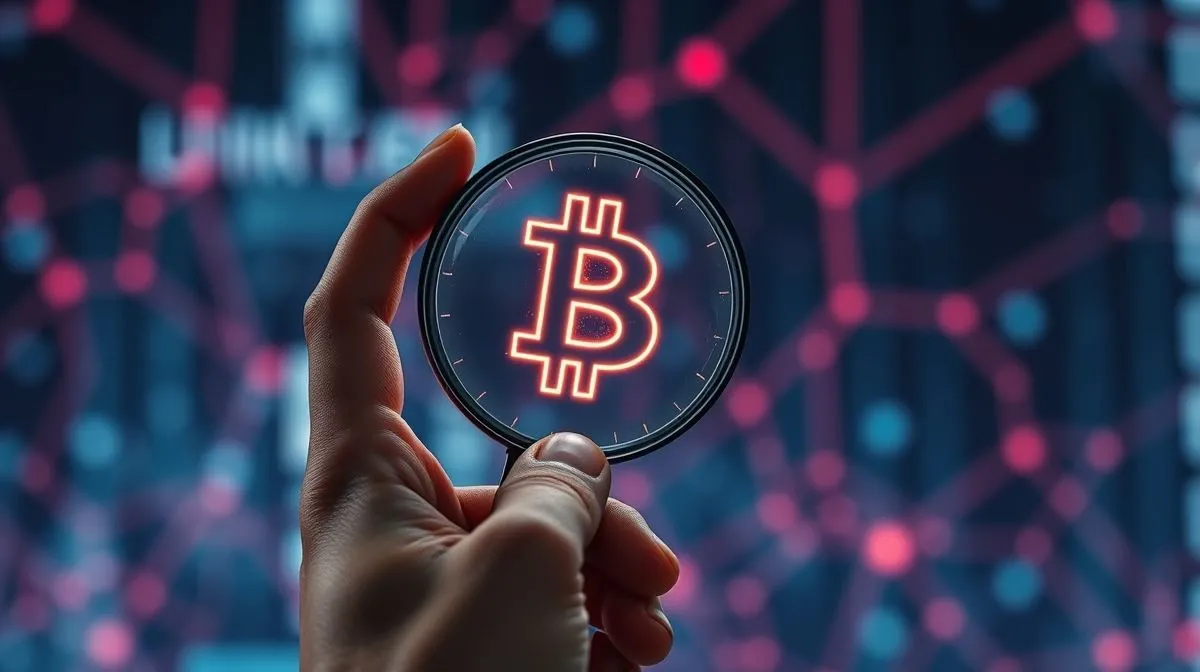
Unmasking Deception: How to Identify Rug Pulls in New Crypto Projects?
Imagine the excitement of discovering a promising new cryptocurrency project. Its whitepaper gleams with innovation, the team seems brilliant, and the potential returns feel limitless. You invest, filled with hope, only to wake up one morning to find the project's developers have vanished, taking all the invested funds with them. Your dream turns into a nightmare, and your crypto portfolio is left in ruins. This devastating scenario is known as a 'rug pull'.
In the fast-paced, often unregulated world of decentralized finance (DeFi), the allure of high returns often overshadows the inherent risks. New crypto projects launch daily, some genuinely revolutionary, others mere fronts for malicious actors. The problem of rug pulls has escalated, becoming one of the most insidious forms of crypto fraud, leaving countless investors financially devastated and trust in the ecosystem eroded.
This comprehensive guide will equip you with the essential knowledge and practical tools to navigate the treacherous waters of new crypto investments. By the end of this reading, you will possess a keen eye for the tell-tale signs, allowing you to confidently identify rug pulls in new crypto projects and safeguard your hard-earned capital from falling victim to these elaborate scams. Your vigilance is your greatest asset.
Understanding the "Rug Pull" Phenomenon
The term "rug pull" is a vivid metaphor for what happens when developers of a new crypto project suddenly abandon it, withdrawing all liquidity from a decentralized exchange (DEX) pool. This act leaves investors holding worthless tokens, as there is no longer any market for them. It’s akin to someone pulling a rug out from under you, leaving you to fall.
What is a Rug Pull?
A rug pull is a malicious maneuver in the cryptocurrency space where developers launch a seemingly legitimate project, attract investor funds, and then abscond with the money. There are primarily two types: liquidity rug pulls and dump and dump schemes. In a liquidity rug pull, developers remove the crypto they initially provided to a decentralized exchange's liquidity pool, making it impossible for others to trade the token. In a dump and dump, developers slowly sell off their large holdings of the token, crashing its price, often after artificially inflating it through hype.
The Allure and the Danger
New crypto projects, especially those offering high Annual Percentage Yields (APYs) or unique tokenomics, can be incredibly tempting. They promise early-bird advantages and exponential growth, drawing in investors eager to capitalize on the next big thing. However, this very appeal makes them fertile ground for scammers. The lack of regulation, the pseudo-anonymity of blockchain, and the technical complexity often exploited by fraudsters create a high-risk environment. Understanding this inherent danger is the first step in learning how to identify rug pulls in new crypto projects.
The Importance of Due Diligence: Your First Line of Defense
Before investing a single cent, rigorous due diligence is paramount. This involves deep research into every facet of the project, leaving no stone unturned. It's your shield against deception.
Researching the Project Team
One of the most significant indicators of a project's legitimacy is the transparency of its team. Are the developers doxxed (identities revealed) or anonymous? While some legitimate projects have anonymous teams, it significantly increases the risk. Look for: verifiable identities, professional backgrounds, and previous successful projects. Scammers often use stock photos and fake LinkedIn profiles. Cross-reference their claims across multiple platforms.
Analyzing the Whitepaper and Roadmap
A project's whitepaper is its foundational document, outlining its vision, technology, tokenomics, and roadmap. A legitimate whitepaper will be detailed, technically sound, and realistic. Red flags include vague language, grammatical errors, unrealistic promises, or a direct copy-paste from other projects. The roadmap should detail clear, achievable milestones and a logical progression for development. A project without a clear, public roadmap is a major warning sign.
- Clarity and Detail: Is the whitepaper well-written, free of jargon where plain language suffices, and comprehensive?
- Feasibility: Are the project's goals and technological claims realistic and achievable within the proposed timeline?
- Innovation: Does the project offer a unique solution or significant improvement, or is it a generic copycat?
- Tokenomics: Is the token distribution fair, and does it make sense for the project's longevity?
Scrutinizing Tokenomics and Liquidity
The economic model of a token and how its liquidity is managed are critical areas for investigation. This is where many rug pulls are executed.
Understanding Token Distribution
Examine how the project's tokens are distributed. A fair launch typically involves a significant portion of tokens being available to the public, with a reasonable allocation for the team, advisors, and marketing. Be wary of projects where a small number of wallets hold an overwhelmingly large percentage of the token supply, especially if those wallets belong to the developers. This concentration of power allows them to dump tokens easily, crashing the price. Look for transparent vesting schedules for team tokens, meaning they are released over time, not all at once.
Assessing Liquidity Pool Security
Liquidity pools are essential for decentralized exchanges to function. In a rug pull, developers remove the liquidity they initially provided, making the token untradable. Always check if the liquidity is locked. This means the tokens provided to the liquidity pool are held in a smart contract for a specified period, preventing developers from withdrawing them. Look for proof of locked liquidity, often through third-party locking services. Be extremely cautious if liquidity is not locked or if the locking period is very short. For a deeper understanding of how these pools work, you can refer to resources like Investopedia's explanation of liquidity pools.
Auditing the Smart Contract
Smart contracts are the backbone of any blockchain project. Their code dictates how the project functions, and vulnerabilities or malicious code can be exploited.
Why Smart Contract Audits Matter
A smart contract audit is a thorough review of the code by an independent third-party security firm. These audits aim to identify vulnerabilities, bugs, and potential backdoors that could be exploited by attackers or, in the case of rug pulls, by the developers themselves. An audit provides a layer of security and transparency, confirming that the contract behaves as intended and doesn't contain hidden functions allowing developers to drain funds or manipulate supply.
Reputable Auditors and Their Role
Not all audits are created equal. Look for audits conducted by well-known and respected firms such as CertiK, PeckShield, Hacken, or Quantstamp. These firms have established reputations and rigorous auditing processes. Simply claiming an audit has been done isn't enough; you should be able to find the full audit report publicly available, detailing any findings and their resolutions. A project that has not undergone an audit, or one that has been audited by an unknown or suspicious firm, should raise significant red flags. Even with an audit, remember it's not a guarantee against all risks, but it significantly reduces the likelihood of easily detectable exploits or malicious code.
- Check for Public Reports: Is the audit report easily accessible on the project's website and the auditor's website?
- Read the Findings: Does the report indicate any critical or major vulnerabilities, and how were they addressed?
- Verify the Auditor: Is the auditing firm reputable and recognized within the crypto community?
Community Sentiment and Communication Channels
A project's community and its communication strategy offer invaluable insights into its health and legitimacy. Scammers often struggle to maintain genuine engagement.
Gauging Community Engagement
A vibrant, active, and engaged community is a good sign. Join their Telegram groups, Discord servers, and follow their social media channels (Twitter, Reddit). Look for genuine discussions, constructive criticism, and prompt, helpful responses from the team or moderators. Beware of channels filled with overly enthusiastic, generic comments, or an abundance of bots. A sudden influx of new, unidentifiable members or a highly restrictive chat where critical questions are censored are also major warning signs. A healthy community shows organic growth and real user interest, not just hype.
Analyzing Developer Communication
How the development team communicates with its community is crucial. Are they transparent about progress, challenges, and future plans? Do they engage directly with user questions and concerns? A trustworthy team will be responsive, professional, and consistent in their messaging. Lack of communication, vague updates, or hostility towards critical questions are strong indicators of potential issues. Be wary of projects where communication is solely focused on price action rather than development milestones and utility. This is a key aspect when you want to identify rug pulls in new crypto projects.
Understanding the nuances of community interaction and developer transparency can be complex, but it's a vital skill for assessing project legitimacy. For more insights into community analysis in the crypto space, resources like CoinDesk's community section can offer broader context.
Red Flags and Warning Signs to Watch For
Beyond the detailed checks, several common red flags should immediately trigger your suspicion. These are often the easiest ways to identify rug pulls in new crypto projects.
Unrealistic Promises and High APYs
If something sounds too good to be true, it almost certainly is. Projects promising guaranteed, astronomically high returns (e.g., 1000% APY daily) with no clear explanation of how they achieve this are highly suspicious. These often rely on new investor money to pay existing ones, a classic Ponzi scheme model that inevitably collapses.
Lack of Transparency and Anonymous Teams
As mentioned, anonymous teams are a significant risk. While some reputable projects maintain a degree of anonymity for privacy, complete lack of transparency about the team, their backgrounds, or even the project's core functionality is a major red flag. If you can't find verifiable information about who is behind the project, proceed with extreme caution.
Limited Information and Generic Marketing
A legitimate project will have a professional website, detailed documentation, and unique marketing materials. Be wary of projects with sparse websites, generic stock photos, poorly written content, or marketing that feels overly hyped without substance. A lack of specific technical details or a vague roadmap often indicates a lack of genuine development.
Sudden Price Surges Followed by No News
This can be an indicator of a pump and dump. If a token's price suddenly skyrockets without any significant news, development, or partnership announcements, it could be artificially inflated. Scammers often use social media to create hype, then dump their holdings once the price peaks, leaving late investors with losses.
Summary of Common Red Flags:
- Anonymous or unverified team members.
- No locked liquidity or very short locking period.
- No reputable smart contract audit, or a fake one.
- Unrealistic APY or ROI promises.
- Vague whitepaper or roadmap.
- Lack of genuine community engagement, or presence of many bots.
- Excessive hype on social media without substance.
- Sudden, unexplained price spikes.
- Inability to sell your tokens (a sign of a honeypot contract).
Advanced Techniques and Tools for Vigilance
For the more technically inclined, leveraging blockchain explorers and analytics tools can provide deeper insights into a project's legitimacy.
On-Chain Analysis Tools
Tools like Etherscan for Ethereum, BSCScan for Binance Smart Chain, or PolygonScan for Polygon allow you to view on-chain data. You can examine token distribution, identify large whale wallets (which might belong to developers), track transaction history, and see if liquidity is being added or removed. Look for suspicious large transfers of tokens by the development team, especially to external wallets, which could indicate preparations for a dump. For instance, you can use Etherscan to look up token contracts and analyze their holder distributions.
Utilizing Decentralized Exchanges (DEXs) Data
DEXs like PancakeSwap or Uniswap provide data on liquidity depth and trading volume. A very shallow liquidity pool, combined with high trading volume, can indicate price manipulation. Monitor the trading activity closely. Unusual patterns, like a sudden drop in trading volume followed by a liquidity withdrawal, can be strong signals of an impending rug pull.
Protecting Your Investments: Best Practices
Ultimately, safeguarding your investments comes down to adopting a cautious and informed approach.
Start Small and Diversify
Never invest more than you can afford to lose, especially in new, unproven projects. If you choose to engage with emerging projects, allocate only a small portion of your portfolio to them. Diversification across different assets and sectors can mitigate risk.
Continuous Learning and Adaptation
The crypto space evolves rapidly, and so do scamming techniques. Stay updated on the latest trends, security practices, and common scam tactics. Follow reputable crypto news sources, security researchers, and blockchain analysts.
Trust Your Gut
Sometimes, despite all the checks, something just feels off. If your intuition tells you a project is too good to be true or seems suspicious, it's often wise to step back. Emotional investing, driven by FOMO (Fear Of Missing Out), is a common trap that scammers exploit. Always prioritize your financial security over potential quick gains.
Frequently Asked Questions (FAQ)
What is the primary indicator of a potential rug pull? The most significant red flag is often the lack of locked liquidity combined with an anonymous or unverified development team.
Can a smart contract audit guarantee a project's safety? While a smart contract audit significantly reduces risk by identifying vulnerabilities, it does not guarantee a project's safety. Malicious intent can still exist, or new vulnerabilities could emerge.
Is an anonymous team always a red flag? Not always, as some legitimate projects operate with anonymous teams for privacy reasons. However, it exponentially increases the risk and requires intensified due diligence in other areas.
How quickly can a rug pull happen? A rug pull can happen very quickly, sometimes within days or even hours of a project's launch, especially if it's a blatant scam designed for a quick exit.
Recommended Reading
- Is Refinancing Multiple Debts Wise? Uncover the Ultimate Strategy.
- Conquer Your Cash: Overcoming Common Budget Discipline Challenges Today!
- The Hidden Dangers: What Are the Risks of Leveraged ETFs You Must Know?
- Emergency Fund: How Liquid Should It Be for Peace of Mind?
- Unlock Unbreakable Security: Protecting Financial Apps from Cyber Attacks
Conclusion
The cryptocurrency market, while offering unprecedented opportunities, is also rife with risks, particularly from malicious actors performing rug pulls. Learning how to identify rug pulls in new crypto projects is not merely a skill; it's a fundamental necessity for anyone venturing into this space. By diligently researching teams, scrutinizing tokenomics and smart contracts, analyzing community engagement, and recognizing common red flags, you empower yourself to make informed decisions and protect your investments. Stay vigilant, stay educated, and always prioritize security over speculative gains. Your financial future in the crypto world depends on your ability to discern genuine innovation from deceptive schemes.


Comments
Leave a comment below. Your email will not be published. Required fields marked with *