



How to Hedge Investment Portfolio Against Emerging Market Political Risk?
For over two decades in global finance, I've had a front-row seat to the exhilarating highs and the devastating lows of emerging markets. I've witnessed portfolios flourish under periods of stability and, equally, seen fortunes evaporate overnight due to unforeseen political shifts, policy reversals, or sudden geopolitical shocks. The allure of high growth and demographic dividends in these economies is undeniable, yet the inherent political volatility often presents a formidable challenge to even the most seasoned investors.
The pain point for many investors isn't just market fluctuation; it's the unique and often unpredictable nature of political risk in these dynamic regions. This isn't just about coups or revolutions; it encompasses a broad spectrum of issues from sudden regulatory changes, nationalization threats, capital controls, to escalating trade wars or unexpected election outcomes. These factors can erode value, hinder liquidity, and fundamentally alter the investment landscape, leaving many feeling exposed and vulnerable.
In this definitive guide, I will share my accumulated wisdom and practical frameworks for building resilience. You'll learn not just theoretical concepts, but actionable strategies, illuminated by real-world analogies and expert insights, on how to hedge investment portfolio against emerging market political risk effectively. My goal is to equip you with the tools to navigate these complex waters, safeguarding your capital while still capturing the growth potential these markets offer.
Understanding the Nuances of Emerging Market Political Risk
Before we can effectively hedge, we must first understand the beast we're taming. Political risk in emerging markets is far more multifaceted than many initially perceive. It's not a monolithic threat but a spectrum of potential disruptions, each demanding a nuanced approach.
Identifying the Spectrum of Risks: Beyond the Obvious
When I speak of political risk, I'm referring to a broad array of potential events. On one end, you have the more dramatic, albeit rarer, events like civil unrest, coups, or outright nationalization of assets. These are often what come to mind first, and their impact can be immediate and catastrophic.
However, the more insidious and frequent risks often stem from policy instability and regulatory changes. This could involve unexpected shifts in taxation, new tariffs, changes to foreign ownership laws, or the imposition of capital controls that prevent the repatriation of profits. Even changes in government leadership, while democratic, can usher in entirely new economic philosophies that dramatically alter the investment climate. Currency inconvertibility, where local profits cannot be exchanged for hard currency, is another critical, often overlooked, political risk.
The Interplay of Geopolitics and Macroeconomics
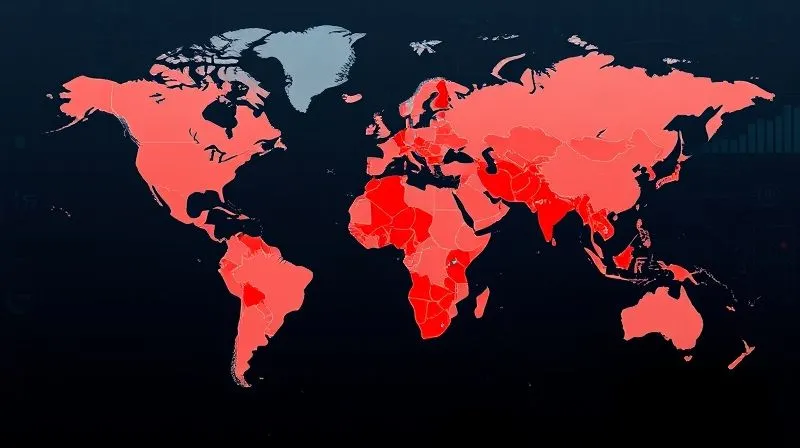
It's crucial to recognize that local political risks rarely exist in a vacuum. They are often amplified, or even triggered, by broader geopolitical trends and macroeconomic shifts. A global trade dispute, for instance, can disproportionately impact export-oriented emerging economies, leading to domestic political pressure and policy responses that might be detrimental to foreign investors. Similarly, shifts in global interest rates can trigger capital flight from emerging markets, putting pressure on local currencies and potentially leading to desperate, investor-unfriendly policy interventions.
Diversification as Your First Line of Defense
The oldest trick in the book, diversification, remains one of the most potent. Yet, its application in emerging markets requires a deeper, more strategic understanding than simply buying a few different stocks.
Geographic and Sectoral Diversification
Many investors think they're diversified by buying an emerging market ETF. While this spreads risk across multiple countries, it doesn't necessarily protect against a systemic shock affecting the broader emerging market asset class. True diversification extends to a granular level. I advise clients to not only diversify across different emerging market countries but also to consider their political and economic correlations. Investing in a country heavily reliant on commodity exports and another focused on tech services offers a better hedge than two commodity-dependent nations.
Furthermore, within a single emerging market, diversify across sectors. Businesses in sectors less exposed to direct government intervention, such as certain consumer staples or highly specialized manufacturing, might offer greater resilience than those in highly regulated industries like banking, utilities, or resource extraction. This sectoral hedge can mitigate risks even if the broader political environment deteriorates.
The Role of Developed Market Exposure
While the focus is on emerging markets, a well-hedged portfolio always maintains a strategic allocation to developed markets. These provide a crucial ballast, offering stability and liquidity during periods of emerging market turbulence. Historically, when capital flees emerging markets, it often seeks refuge in developed market safe havens like U.S. Treasuries, the Swiss franc, or the Japanese yen. This balance ensures that your overall portfolio isn't entirely at the mercy of emerging market political whims.
"True diversification isn't just about spreading your eggs; it's about understanding the unique risk profiles of each basket and how they correlate across different political and economic cycles."
Currency Hedging Strategies: Mitigating Exchange Rate Volatility
Political risk often manifests acutely through currency volatility. Capital flight, policy uncertainty, or external shocks can cause rapid and significant depreciation of local currencies, eroding investment returns even if the underlying assets perform well in local terms. Effective currency hedging is therefore paramount.
Forward Contracts and Options
For investors with known future cash flows or specific investment horizons, currency forward contracts can lock in an exchange rate for a future transaction. This provides certainty, eliminating the risk of adverse currency movements. For more flexibility, currency options offer the right, but not the obligation, to buy or sell a currency at a predetermined rate. While options involve a premium, they cap your downside risk while allowing you to benefit if the currency moves favorably. Both instruments are typically accessed through brokerages or specialized financial institutions.
Natural Hedges and Local Currency Denominated Assets
Sometimes, the best hedge is a natural one. Investing in companies that generate a significant portion of their revenue in their local currency, or whose business models are less exposed to import costs, can offer a degree of natural protection. Similarly, investing in local currency denominated bonds can provide income and a hedge against currency appreciation, though it introduces sovereign and interest rate risks. The key is to match your currency exposure to your liabilities or investment goals. For a deeper dive into global currency dynamics, I often refer to insights from institutions like the International Monetary Fund (IMF).
| Hedging Instrument | Mechanism | Pros | Cons |
|---|---|---|---|
| Forward Contract | Locks in exchange rate for future transaction | Predictability, eliminates FX risk | Less flexible, potential opportunity cost, counterparty risk |
| Currency Option | Right, but not obligation, to exchange currency at strike price | Flexibility, caps downside risk, unlimited upside | Premium cost, complexity |
| Local Currency Bonds | Invest in debt issued in local currency | Income generation, natural hedge, benefits from local currency strength | Interest rate risk, sovereign risk, liquidity risk |
Strategic Asset Allocation: Defensive Postures in Volatile Environments
Beyond traditional diversification, a strategic allocation to defensive assets can significantly fortify your portfolio against political shocks emanating from emerging markets. This involves identifying assets that historically perform well or maintain their value during periods of global uncertainty.
Allocating to Gold and Other Safe Havens
Gold, the age-old safe haven, often shines brightest during times of geopolitical instability and economic uncertainty. Its inverse correlation to the U.S. dollar and its status as a store of value make it a reliable hedge. While its price can be volatile, a modest allocation (typically 5-10% of a portfolio) can act as an effective insurance policy. Other safe havens might include certain developed market government bonds (e.g., U.S. Treasuries, German Bunds) or currencies like the Swiss Franc, which tend to appreciate during risk-off events.
Inflation-Indexed Bonds and Real Assets
Political instability in emerging markets can often lead to inflationary pressures, particularly if governments resort to printing money or implementing protectionist policies. Inflation-indexed bonds, such as U.S. Treasury Inflation-Protected Securities (TIPS) or similar instruments in other stable economies, offer protection against rising prices. Real assets, like certain commodities (beyond gold, such as agricultural products or industrial metals) or strategically chosen real estate in stable jurisdictions, can also serve as a hedge against inflation and currency debasement, preserving purchasing power.
Case Study: The 'Phoenix Fund' Navigates Argentinian Turmoil
I recall a specific fund, let's call it the 'Phoenix Fund,' which had significant exposure to Argentina in the early 2000s. As political instability mounted and currency controls loomed, the fund manager, instead of divesting entirely, strategically reallocated a portion of their capital into inflation-indexed local government bonds and diversified their remaining equity exposure into sectors less prone to direct government intervention, such as export-oriented agriculture. This proactive hedging, combined with a timely increase in their gold allocation, allowed them to significantly outperform peers who suffered massive losses during the subsequent crisis. This resulted in preserving capital and being well-positioned for recovery when the political climate eventually stabilized. The key lesson here was not blind panic, but a thoughtful, multi-pronged hedging strategy.
Leveraging Political Risk Insurance and Derivatives
For direct investments and larger institutional portfolios, specialized tools exist to explicitly transfer or mitigate political risks. These are typically beyond the scope of individual retail investors but are crucial to understand for a comprehensive view of emerging market risk management.
Understanding Political Risk Insurance (PRI)
Political Risk Insurance (PRI) is typically offered by private insurers or multilateral agencies (like the World Bank's MIGA) to protect foreign direct investments against specific political perils. These can include expropriation (nationalization), currency inconvertibility, political violence, or breach of contract by a government. While expensive, PRI can be indispensable for companies undertaking substantial projects in high-risk emerging markets, providing a critical layer of security against severe political disruptions. It's an explicit way to hedge investment portfolio against emerging market political risk at the project level.
Credit Default Swaps (CDS) on Sovereign Debt
Credit Default Swaps (CDS) are financial derivatives that allow investors to transfer the credit risk of a reference entity, in this case, an emerging market sovereign government. By purchasing a CDS, an investor can protect themselves against the default of a specific country's bonds. If the country defaults, the CDS buyer receives a payout. While primarily used by institutional investors holding sovereign debt, movements in CDS spreads often serve as a real-time indicator of perceived political and economic risk for a particular nation, providing valuable insights even for equity investors. For more technical details on derivatives, resources like the International Swaps and Derivatives Association (ISDA) offer extensive information.
"While not always suitable for retail investors, understanding PRI and CDS mechanisms provides critical insight into how institutional players manage systemic emerging market risks and offers a lens through which to gauge market sentiment."
Active Management and Due Diligence: The Human Element
No amount of hedging instruments can replace diligent research and active monitoring. The human element, particularly expert judgment, is invaluable when navigating the opaque and rapidly changing landscapes of emerging markets.
Continuous Monitoring of Geopolitical Indicators
Successful hedging requires vigilance. This means continuously monitoring a wide array of geopolitical indicators: electoral cycles, changes in key government personnel, policy statements, social unrest indices, and regional conflicts. Subscribing to specialized geopolitical intelligence services or following reputable think tanks like the Council on Foreign Relations can provide critical early warnings. The goal is to anticipate, rather than react to, political shifts.
Engaging with Local Expertise and On-the-Ground Intelligence
Headlines rarely capture the full picture. My experience has taught me the immense value of local expertise. This means engaging with local analysts, economists, and even political commentators who possess an intimate understanding of the cultural nuances, power dynamics, and informal networks that often dictate policy in emerging markets. On-the-ground intelligence can provide a much richer and more accurate assessment of political risk than what can be gleaned from global news feeds alone.

The Importance of Liquidity and Staged Entry/Exit
In volatile markets, the ability to act quickly is a significant advantage. This underscores the importance of maintaining liquidity and adopting a disciplined approach to investment entry and exit.
Maintaining Sufficient Liquidity
When political risk materializes, markets can become illiquid very quickly. Investors may find it difficult or impossible to sell their assets without incurring significant losses. Therefore, maintaining a portion of your emerging market allocation in highly liquid assets (e.g., highly traded ETFs, large-cap stocks with good trading volumes) is crucial. This liquidity provides the flexibility to either exit positions rapidly or to seize opportunities that arise from market dislocations caused by political events.
Staged Investment: Dollar-Cost Averaging in EM
Instead of deploying a large lump sum, a staged investment approach, akin to dollar-cost averaging, can mitigate the timing risk associated with emerging markets. By investing smaller amounts over time, you average out your purchase price, reducing the impact of entering at a peak just before a political downturn. Similarly, a staged exit strategy can help lock in profits and reduce the risk of selling all your assets at the bottom of a politically induced panic. This disciplined approach is a powerful, yet often overlooked, method to hedge investment portfolio against emerging market political risk.

Building a Resilient Portfolio: A Step-by-Step Approach
Bringing all these strategies together, here is a practical, step-by-step framework to construct a portfolio resilient to emerging market political risk.
- Assess Your Risk Tolerance: Before any investment, understand your personal capacity for loss. Emerging markets are not for the faint of heart, and your allocation should reflect your comfort level with volatility and potential setbacks.
- Conduct Thorough Country-Specific Research: Go beyond headlines. Dive into the political history, institutional strength, and economic policy consistency of each potential target country. Look for signs of good governance and a commitment to investor rights.
- Implement Strategic Diversification: Spread your investments not just across different emerging market countries, but also across various sectors within those countries. Crucially, maintain a healthy balance with developed market assets to provide stability.
- Consider Currency Hedging: For any significant foreign currency exposure, evaluate whether currency forwards or options are appropriate to mitigate exchange rate volatility, especially for known future cash flows.
- Allocate to Safe Havens: Incorporate a strategic allocation to assets like gold, inflation-indexed bonds, or stable developed market currencies. These act as a protective buffer during periods of heightened political uncertainty.
- Stay Informed and Agile: Establish a robust system for continuous monitoring of geopolitical developments and economic indicators. Be prepared to adapt your portfolio rapidly in response to emerging risks or opportunities.
- Consult an Expert: For complex portfolio structures or significant allocations, seeking advice from a financial advisor specializing in international markets can provide invaluable guidance and tailored strategies.
| Step | Action | Key Tool |
|---|---|---|
| 1. Risk Assessment | Define personal risk tolerance and investment horizon. | Risk profiling questionnaire, self-reflection |
| 2. Country Research | Analyze political stability, economic policy, and regulatory environment. | World Bank, IMF reports, local news, expert analysis |
| 3. Diversification | Spread investments across diverse EM countries, sectors, and developed markets. | Global ETFs, multi-asset funds, direct equity |
| 4. Currency Hedging | Utilize forwards or options for material currency exposures. | Brokerage platforms, FX specialists |
| 5. Safe Havens | Allocate a portion to gold, inflation-indexed bonds, or stable currencies. | Gold ETFs, TIPS, Swiss Franc exposure |
| 6. Monitor & Adjust | Continuously track geopolitical events and adapt portfolio as needed. | Financial news, expert analysis, risk dashboards |
Frequently Asked Questions (FAQ)
Q: Is it still worth investing in emerging markets given the significant political risks? Absolutely. Despite the risks, emerging markets often offer superior long-term growth potential due to favorable demographics, increasing urbanization, and expanding middle classes. The key is not to avoid them, but to invest intelligently and strategically, employing robust hedging and risk management techniques. A well-diversified and actively managed allocation can capture these growth opportunities while mitigating the downside.
Q: How do political risk insurance and credit default swaps differ for portfolio investors? Political Risk Insurance (PRI) is primarily for Foreign Direct Investments (FDIs) or large project finance, protecting against specific political events like expropriation. It's not typically available or practical for individual portfolio investors. Credit Default Swaps (CDS), on the other hand, are financial derivatives used by institutional investors to hedge against the default risk of sovereign bonds. While not directly accessible to most retail investors, CDS spreads serve as crucial indicators of perceived sovereign risk, which can inform portfolio decisions.
Q: What are the biggest mistakes investors make when investing in emerging markets? From my experience, the biggest mistakes include: 1) Underestimating political risk by focusing solely on economic growth potential. 2) Insufficient diversification, concentrating too much in one country or sector. 3) Neglecting currency risk. 4) Investing emotionally during boom cycles and panicking during downturns. 5) Failing to conduct thorough due diligence, relying only on broad market sentiment. These pitfalls highlight why a disciplined and well-researched approach is critical to successfully hedge investment portfolio against emerging market political risk.
Q: How often should I review my emerging market portfolio's political risk exposure? Given the dynamic nature of political risk, I recommend a continuous monitoring approach. While a formal portfolio review might happen quarterly or semi-annually, you should stay abreast of major geopolitical events, electoral cycles, and significant policy announcements in your target countries on a weekly or even daily basis. Political risk can materialize rapidly, so agility and a proactive stance are vital.
Q: Can ESG investing help mitigate political risk in emerging markets? Yes, to a degree. ESG (Environmental, Social, Governance) factors can indirectly help mitigate certain political risks. Companies with strong governance (the 'G' in ESG) are often more transparent, less prone to corruption, and better managed, which can reduce their exposure to regulatory crackdowns or arbitrary government actions. Similarly, companies with strong social and environmental practices may face less community opposition or regulatory scrutiny. While not a direct hedge against all political risks, integrating ESG considerations can identify more resilient and responsibly managed investments.
Key Takeaways and Final Thoughts
- Political risk is diverse: It spans from dramatic events to subtle policy shifts and regulatory changes.
- Diversification is paramount: Across geographies, sectors, and asset classes, including developed markets.
- Currency hedging is critical: Employ forwards, options, or natural hedges to protect against exchange rate volatility.
- Strategic allocation matters: Include safe havens like gold and inflation-indexed assets.
- Specialized tools exist: PRI and CDS are for institutional players but offer valuable insights into market sentiment.
- Active management is non-negotiable: Continuous monitoring, deep due diligence, and local expertise are vital.
- Liquidity and staged investing: Provide flexibility and mitigate timing risks.
Navigating the complex landscape of emerging markets requires more than just chasing high returns; it demands a sophisticated understanding of risk and a proactive approach to portfolio protection. By integrating these strategies, you're not just reacting to political events; you're building a resilient investment framework designed to withstand turbulence and thrive in the long run. Remember, the goal is not to eliminate risk entirely – that's impossible – but to manage it intelligently, ensuring your journey through these exciting markets is both rewarding and secure. Be vigilant, be diversified, and be prepared.
Recommended Reading
- Mastering Institutional Crypto: 7 Steps to Robust Key Management
- Unlock Rapid Financial Safety: How to Start Short-Term Emergency Savings Fast
- How Do Insurance Agents Find New Clients Now? The 2024 Guide
- 7 Steps: Urgent, Professional Correction for Major Tax Filing Errors
- 7 Strategic Adjustments for Global Equity Amidst Supply Chain Woes





Comments
Leave a comment below. Your email will not be published. Required fields marked with *