



How to Fix a Credit Score Dip Impacting Professional Loan Approval?
For over 15 years in personal and professional finance, I've witnessed countless aspiring professionals hit a significant roadblock: a sudden, unexpected dip in their credit score. This isn't just a minor inconvenience; it's a profound setback that can derail career aspirations, block access to vital business capital, or even prevent the purchase of a new home. The impact of a compromised credit score on professional loan approval can be devastating, creating a ripple effect that touches every aspect of one's financial future.
I understand the frustration and anxiety that comes with seeing a strong professional profile undermined by a credit score that no longer reflects your financial discipline or earning potential. You've worked hard, built a career, and now, when you need capital to grow, invest, or simply stabilize, a seemingly inexplicable credit dip stands in your way. It’s a common, yet often misunderstood, challenge that many high-achievers face, wondering how to fix a credit score dip impacting professional loan approval when the stakes are so high.
But here’s the crucial insight I want to share: a credit score dip is rarely a permanent sentence. It's a signal, an opportunity to diagnose and strategically address underlying financial factors. In this definitive guide, I will walk you through my proven, expert-backed strategies to not only understand why your score dipped but, more importantly, how to meticulously repair it. We'll explore actionable frameworks, real-world tactics, and expert insights to restore your financial standing and confidently secure the professional loans you deserve. Let's turn this challenge into an opportunity for stronger financial health.
1. The Diagnostic Phase: Unpacking Your Credit Report
Before you can effectively address a credit score dip, you must first understand its root cause. In my experience, many professionals overlook the fundamental step of thoroughly reviewing their credit reports. This isn't just about glancing at a number; it's about a deep dive into the narrative of your financial obligations and behaviors. Your credit report from the three major bureaus—Experian, Equifax, and TransUnion—holds the key.
Understanding Your Credit Score Components
Credit scores, predominantly FICO and VantageScore, are complex algorithms, but they generally weigh similar factors. As a veteran in this space, I've seen that understanding these components is crucial for targeted repair. Here's a breakdown:
- Payment History (35%): This is the most significant factor. Late payments, bankruptcies, or collections will severely impact your score.
- Amounts Owed (30%): Your credit utilization ratio (how much credit you're using versus your total available credit) is key. High utilization signals risk.
- Length of Credit History (15%): Longer histories with good standing are favorable.
- New Credit (10%): Too many recent credit applications can be a red flag.
- Credit Mix (10%): A healthy mix of revolving credit (credit cards) and installment loans (mortgages, auto loans) can be beneficial.
A dip in your score almost always traces back to one or more of these areas. Perhaps you missed a payment on a seldom-used card, opened too many new lines of credit, or maxed out a card during an unexpected expense. Identifying the specific trigger is the first step in knowing how to fix a credit score dip impacting professional loan approval.
How to Obtain and Analyze Your Reports
- Access Your Reports: Annually, you're entitled to a free credit report from each of the three major bureaus via AnnualCreditReport.com. Stagger your requests throughout the year to monitor regularly.
- Scrutinize Every Detail: Check for inaccuracies: accounts you don't recognize, incorrect payment statuses, wrong balances, or even identity theft indicators.
- Identify Derogatory Marks: Look for late payments, collections, charge-offs, bankruptcies, or foreclosures. Note their dates and the creditors involved.
- Assess Credit Utilization: Calculate your utilization ratio for each credit card and overall. If it's above 30%, it's likely a significant contributor to the dip.
- Review Inquiries: Distinguish between 'hard' inquiries (which impact your score) and 'soft' inquiries (which don't). Ensure hard inquiries are legitimate.
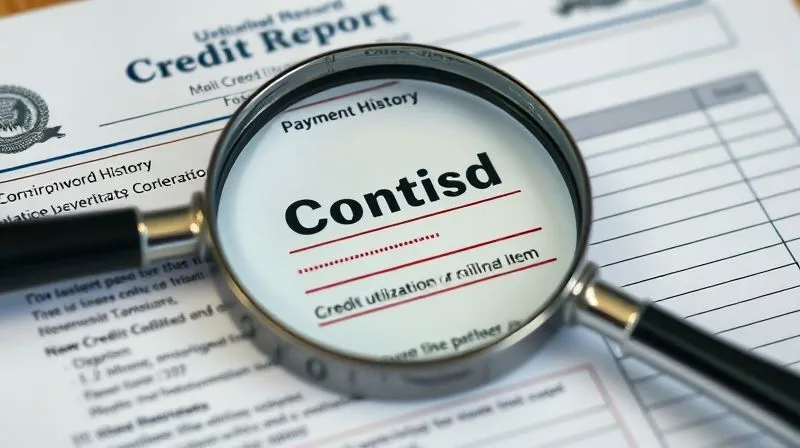
I always advise clients to print out their reports and highlight any discrepancies. This visual approach often reveals issues that might be missed on a screen. This meticulous review is foundational to any successful credit repair strategy.
2. Immediate Action: Dispute Errors and Address Derogatory Marks
Once you've identified discrepancies or negative items on your credit report, immediate and assertive action is paramount. Errors are more common than you might think, and removing them can provide an instant boost to your score.
Disputing Inaccuracies
If you find an error, you have the right to dispute it with both the credit bureau and the information provider (the creditor). I've seen countless cases where correcting a simple error, like an incorrectly reported late payment, made a significant difference. Here’s how:
- Gather Evidence: Collect any documentation that supports your claim (e.g., bank statements showing on-time payments, letters from creditors).
- Contact the Credit Bureau: Write a dispute letter to each credit bureau reporting the error. Clearly state the item you're disputing and why, providing copies (not originals) of your evidence. You can also dispute online, but a paper trail is often beneficial.
- Contact the Information Provider: Simultaneously, send a letter to the creditor who reported the information, explaining the error and requesting correction.
- Follow Up: Credit bureaus typically have 30 days to investigate. Monitor your reports for updates. If the item is verified as incorrect, it must be removed.
As the Consumer Financial Protection Bureau (CFPB) emphasizes, accurate reporting is a consumer right. Don't hesitate to exercise it.
Addressing Legitimate Derogatory Marks
For legitimate negative items, the approach is different but equally strategic. These include late payments, collections, or charge-offs.
- Late Payments: If it's a recent late payment, immediately bring the account current. For older late payments, consistent on-time payments moving forward will gradually diminish their impact over time.
- Collections/Charge-Offs: You have a few options here: negotiation for a 'pay for delete' (where the collection agency agrees to remove the item from your report upon payment, though this is rare and not guaranteed), paying the full amount, or settling for less than the full amount. Always get any agreement in writing before making a payment.
- Bankruptcies/Foreclosures: These have a long-lasting impact (7-10 years). The best strategy here is time combined with impeccable credit behavior moving forward.
It's vital to be realistic. Some negative items, especially severe ones, will take time to fade. The goal is to mitigate their impact and prevent new ones from appearing, which is a key part of knowing how to fix a credit score dip impacting professional loan approval.
3. Strategic Debt Management: Prioritizing Payments
One of the most powerful levers you can pull to improve your credit score is through strategic debt management. This isn't just about paying off debt; it's about paying it off intelligently to maximize credit score impact.
The 'Snowball' vs. 'Avalanche' Methods
I've guided many clients through prioritizing debt, and two methods stand out:
- Debt Snowball: Pay minimums on all debts except the smallest one, which you attack with extra payments. Once that's paid off, roll that payment into the next smallest debt. This method provides psychological wins.
- Debt Avalanche: Pay minimums on all debts except the one with the highest interest rate, which you attack with extra payments. This method saves you the most money on interest.
For credit score repair, the debt avalanche method often yields faster results because reducing high-interest credit card debt directly impacts your credit utilization ratio, a major scoring factor. However, choose the method that you can stick with consistently.
Focusing on Revolving Debt
Credit card debt, being revolving, has a more direct and immediate impact on your credit utilization. Therefore, prioritizing the reduction of credit card balances should be a top concern. Aim to get your utilization below 30% on each card, and ideally even lower, towards 10%, for optimal scoring.
Consider this prioritization matrix:
| Debt Type | Credit Score Impact | Action |
|---|---|---|
| High-Interest Credit Card | High (Utilization & Payment History) | Prioritize aggressive payments to get below 30% utilization. |
| Personal Loan (Installment) | Moderate (Payment History) | Ensure on-time payments; extra payments reduce overall debt. |
| Auto Loan (Installment) | Moderate (Payment History) | Ensure on-time payments; focus on other debts first if interest is low. |
| Student Loan (Installment) | Moderate (Payment History) | Ensure on-time payments; explore income-driven repayment if needed. |
| Mortgage (Installment) | Moderate (Payment History) | Critical for stability; always pay on time. |
Case Study: How Dr. Chen Secured Her Practice Loan
Case Study: How Dr. Chen Secured Her Practice Loan
Dr. Chen, a dentist looking to open her own practice, faced a significant hurdle: a credit score dip due to high credit card utilization from funding her initial equipment purchases. Her score, once in the high 700s, had dropped to 660, making her ineligible for prime professional loans. By implementing a strategic debt management plan focusing on the 'debt avalanche' method for her credit cards, she was able to reduce her overall credit utilization from 70% to 25% within six months. This, combined with consistent on-time payments, boosted her score back to 740, allowing her to secure a competitive practice loan. This demonstrates the profound impact of targeted debt reduction when learning how to fix a credit score dip impacting professional loan approval.
4. The Power of Payment History: Consistency is Key
Nothing impacts your credit score more profoundly than your payment history. It accounts for 35% of your FICO score, making it the single most critical factor. A single late payment can cause a significant dip, while a consistent record of on-time payments is the bedrock of excellent credit.
Establishing a Flawless Payment Record
If your credit score dip was due to late payments, the path forward is clear: you must establish a flawless payment record immediately. This means:
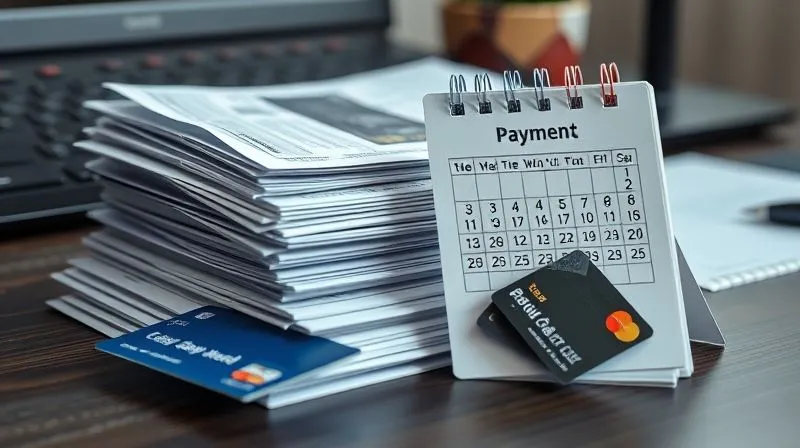
- Automate Payments: Set up automatic payments for all your bills, especially credit cards and loans. This eliminates the risk of human error or forgetfulness.
- Set Reminders: Even with automation, set calendar reminders a few days before due dates to ensure funds are available or to double-check that payments went through.
- Pay More Than the Minimum: While not directly affecting payment history, paying more than the minimum helps reduce your principal faster, which, in turn, helps with credit utilization and shows financial responsibility.
- Catch Up on Delinquent Accounts: If you have accounts that are 30, 60, or 90+ days past due, bring them current as quickly as possible. The longer an account remains delinquent, the more damage it inflicts.
It sounds simple, but the discipline required to maintain this consistency is where many falter. For professional loan approval, lenders scrutinize payment history with a fine-tooth comb, seeking stability and reliability. A recent history of perfect payments can outweigh some older, isolated issues.
Expert Insight: "Consistency in payments is not just about avoiding penalties; it's about building a digital reputation of reliability. Lenders want to see a predictable borrower, and your payment history is the loudest testament to that." - Industry Specialist
5. Credit Utilization: Mastering the 30% Rule
Your credit utilization ratio, which is the amount of credit you're using compared to your total available credit, is the second most important factor in your credit score (30% of FICO). A high utilization ratio is a red flag for lenders, signaling potential financial distress or over-reliance on credit, even if you pay your bills on time.
Strategies to Lower Your Utilization Ratio
The golden rule I share with my clients is to keep your overall credit utilization, and ideally individual card utilization, below 30%. For those aiming for elite credit scores and professional loan approval, I recommend aiming for under 10%.
- Pay Down Balances: The most direct way to lower utilization is to pay down your credit card balances. Focus on cards that are near their limit first.
- Make Multiple Payments Per Month: Don't wait for your statement due date. Pay off parts of your balance throughout the month, especially before your statement closing date. This is when most creditors report your balance to the credit bureaus.
- Request a Credit Limit Increase: If you have a strong payment history and your income supports it, requesting a credit limit increase can lower your utilization *without* increasing your debt. However, be cautious: only do this if you trust yourself not to spend the new available credit. A hard inquiry might occur, causing a temporary small dip, but the long-term benefit can be significant.
- Avoid Closing Old Accounts: While counterintuitive for some, closing an old credit card account reduces your total available credit, which can actually *increase* your utilization ratio if you still carry balances on other cards. Keep old, unused accounts open and active with a small, occasional purchase to maintain a longer credit history and higher available credit.
Achieving a low credit utilization ratio demonstrates responsible credit management and significantly boosts your credit score, making you a much more attractive candidate for professional loans. This is a critical piece of how to fix a credit score dip impacting professional loan approval.
6. Building New Credit Wisely: Secured Cards & Credit Builder Loans
Sometimes, a credit score dip is so severe that traditional lenders are hesitant to extend new credit. In such cases, you might need to rebuild your credit foundation using specialized tools. These are not quick fixes, but strategic steps to demonstrate renewed creditworthiness.
Secured Credit Cards
A secured credit card requires a cash deposit, which typically becomes your credit limit. For example, a $500 deposit gives you a $500 credit limit. Because the risk to the issuer is minimal, they are easier to obtain for those with damaged credit.
- How They Work: You use the card like a regular credit card, making purchases and paying your bill on time. The key is that the issuer reports your payment activity to the credit bureaus.
- Benefits: They help establish a positive payment history and improve your credit mix. After 6-12 months of responsible use, many issuers will offer to convert it to an unsecured card and return your deposit.
- Strategy: Use it for small, recurring expenses you can pay off in full each month. Keep utilization low.
Credit Builder Loans
A credit builder loan is designed specifically to help you establish or rebuild credit without needing existing credit. Instead of receiving a lump sum upfront, the money is placed in a locked savings account while you make monthly payments.
- How They Work: You make regular payments (e.g., $50-$100 per month for 6-24 months). These payments are reported to the credit bureaus. Once the loan is paid off, you receive access to the funds in the savings account.
- Benefits: Establishes a positive payment history and adds an installment loan to your credit mix, which can be beneficial.
- Where to Find Them: Often offered by credit unions or community banks.
Both secured cards and credit builder loans are powerful tools in your arsenal for how to fix a credit score dip impacting professional loan approval. They require discipline, but they provide a structured pathway back to financial credibility. As Forbes notes, these instruments are often the first step for many in their credit recovery journey.
Learn more about secured credit cards on Forbes.7. Navigating Lender Relationships: Explaining Your Situation
Even with a diligent credit repair strategy, there might be a lag between your improved financial habits and your credit score reflecting those changes. When applying for a professional loan, especially after a credit dip, proactive communication with lenders can be a game-changer.
Transparency and Documentation
Lenders are not just looking at a number; they're assessing risk. If you have a legitimate explanation for your credit dip—a temporary job loss, a medical emergency, or a natural disaster—being transparent can work in your favor. I always advise clients to:
- Prepare a 'Letter of Explanation': Draft a concise, factual letter outlining the circumstances that led to your credit dip. Avoid emotional language; stick to the facts and demonstrate how the situation has been resolved or is under control.
- Provide Supporting Documentation: Back up your explanation with evidence where possible (e.g., severance letters, medical bills, insurance claims).
- Highlight Recent Positive Changes: Emphasize all the steps you've taken to improve your credit since the dip, such as consistent on-time payments, reduced credit card balances, or new credit accounts opened responsibly.
- Showcase Professional Stability: Remind them of your strong professional standing, consistent income, and business plan (if applicable). This context can help them see beyond the score.
Many lenders, particularly smaller local banks or credit unions, are more willing to consider the full picture rather than relying solely on automated credit scoring. They might offer manual underwriting or alternative lending products. This human element is often overlooked when professionals are solely focused on the numerical aspect of how to fix a credit score dip impacting professional loan approval.
Exploring Alternative Lending Options
While traditional bank loans are ideal, if your score is still recovering, consider:
- SBA Loans: The Small Business Administration (SBA) guarantees loans, making it less risky for lenders. They often have more flexible credit requirements.
- Community Development Financial Institutions (CDFIs): These organizations focus on underserved communities and often provide loans with more lenient terms.
- Peer-to-Peer Lending: Platforms like Prosper or LendingClub match borrowers with individual investors.
- Secured Loans: If you have collateral (e.g., real estate, equipment, accounts receivable), a secured loan might be an option.
Remember, the goal is to demonstrate that the credit dip was an anomaly and that you are now a reliable borrower. Your proactive approach and willingness to explain your situation can significantly enhance your chances of approval.
Explore SBA loan programs for small businesses.
8. Long-Term Credit Health: Monitoring and Maintenance
Fixing a credit score dip is not a one-time event; it's an ongoing commitment to financial health. My years in finance have taught me that the most successful professionals are those who actively monitor and maintain their credit, preventing future dips and ensuring continuous access to favorable lending terms.
Continuous Monitoring of Your Credit
Regularly reviewing your credit reports and scores is non-negotiable. Many credit card companies and banks now offer free credit score monitoring services. Utilize these resources.
- Set Up Alerts: Enable alerts for any significant changes to your credit file, such as new accounts opened, hard inquiries, or changes in address. This can be an early warning system for identity theft or errors.
- Review Statements: Carefully review your credit card and loan statements each month. Ensure all transactions are legitimate and that payments are accurately posted.
- Annual Report Check: Continue to pull your free reports from AnnualCreditReport.com annually. Stagger them (e.g., Experian in January, Equifax in May, TransUnion in September) for year-round vigilance.
Maintaining a Strong Credit Profile
Once you've rebuilt your credit, the habits you've cultivated will serve you well:
- Keep Utilization Low: Consistently aim for under 30% utilization across all your revolving accounts.
- Pay All Bills On Time, Every Time: This cannot be overstated. Automation is your best friend here.
- Maintain a Diverse Credit Mix: A healthy mix of revolving and installment credit, managed responsibly, is beneficial.
- Be Mindful of New Credit: Only open new credit accounts when truly necessary. Each hard inquiry can cause a small, temporary dip.
- Don't Close Old Accounts: Unless there's a compelling reason (like high annual fees on a card you don't use), keep old accounts open to maintain a longer average credit history.
As Seth Godin often emphasizes in his marketing wisdom, consistency builds trust. In the world of finance, consistent, responsible credit behavior builds an unparalleled level of trust with lenders, ensuring that when you need a professional loan, your credit score will be an asset, not an impediment. This proactive approach is the ultimate answer to how to fix a credit score dip impacting professional loan approval and keeping it fixed.
Understand your rights and tools regarding credit reports from the CFPB.Frequently Asked Questions (FAQ)
How long does it typically take to fix a credit score dip? The timeframe varies significantly depending on the severity and cause of the dip. Minor issues like high utilization can improve within 1-3 months with aggressive payment. More serious issues like collections or bankruptcies can take 6 months to several years to see significant improvement, though their impact diminishes over time. Consistent, positive action is the key.
Can I still get a professional loan with a lower credit score? Yes, it's possible, but it might be more challenging. You might face higher interest rates, require a co-signer, or need to provide collateral. Exploring alternative lenders (like CDFIs or SBA-backed loans) or demonstrating strong business financials and a compelling business plan can also help offset a lower personal credit score. Transparency with lenders about your situation and your recovery efforts is crucial.
What's the difference between FICO and VantageScore, and which one matters more? FICO and VantageScore are the two primary credit scoring models. FICO is older and more widely used by lenders (especially for mortgages and auto loans), while VantageScore is gaining traction. Both use similar data but weigh factors differently. Generally, focusing on the core principles of credit health (on-time payments, low utilization) will improve both scores. I advise monitoring both, but FICO often holds more weight with traditional professional lenders.
Should I close old credit accounts once I've paid them off? Generally, no. Closing an old, paid-off account can negatively impact your credit score by reducing your total available credit (increasing your utilization ratio on remaining cards) and shortening your average length of credit history. Both are important factors in credit scoring. It's usually better to keep them open, even if you use them infrequently for small purchases, as long as they don't have annual fees.
How do I explain a credit dip to a lender without sounding defensive or making excuses? Approach it factually and professionally. Prepare a concise 'letter of explanation' that outlines the specific, temporary circumstances that led to the dip (e.g., medical emergency, temporary job loss). Crucially, focus on what you've done since then to rectify the situation and demonstrate your current financial stability and commitment to responsible credit management. Provide supporting documentation if available.
Key Takeaways and Final Thoughts
Navigating a credit score dip, especially when it jeopardizes your professional aspirations, can feel overwhelming. But as an industry specialist, I want to reiterate that it's a solvable problem, not a permanent roadblock. The journey to repair your credit and secure professional loan approval is a marathon, not a sprint, demanding diligence, strategic action, and a commitment to long-term financial health.
- Diagnose First: Meticulously review your credit reports to identify the exact causes of the dip.
- Act Decisively: Dispute errors immediately and strategize how to address legitimate derogatory marks.
- Prioritize Debt: Focus on high-interest revolving debt to quickly lower your credit utilization.
- Pay On Time: Establish and maintain a flawless payment history – it's the bedrock of good credit.
- Manage Utilization: Keep credit card balances well below 30% of your available credit.
- Rebuild Strategically: Utilize tools like secured credit cards or credit builder loans if traditional credit is out of reach.
- Communicate Proactively: Be transparent with lenders about your situation and recovery efforts.
- Monitor Continuously: Credit health is an ongoing process; vigilance prevents future dips.
Your professional ambitions are too important to be derailed by a temporary credit setback. By applying these expert-backed strategies, you're not just fixing a number; you're rebuilding your financial foundation, demonstrating resilience, and paving the way for future success. Take these steps, stay persistent, and you will not only overcome this challenge but emerge with a stronger, more robust financial profile, ready to seize every professional opportunity that comes your way. You have the power to turn this around. Go forth and conquer your financial goals!
Recommended Reading
- 5 Reasons Why Traditional Credit Monitoring Fails to Detect Fraud
- Unlock Your Loan: How Does Credit Score Impact Personal Loan Approval?
- Unmasking Your Policy: Does Homeowner Insurance Cover Sewer Line Damage?
- 7 Steps to Build a Robust Financial Cushion & Combat Inflation Effectively
- 7 Steps: Verify Genuine Green Bond Impact & Avoid Greenwashing





Comments
Leave a comment below. Your email will not be published. Required fields marked with *