



How to Fast-Track Legacy Planning for Critically Ill Clients?
For over two decades in wealth management, I've guided countless families through life's most challenging transitions. But few situations demand more immediate, compassionate, and precise action than when a client faces a critical illness. The emotional weight is immense, and conventional timelines for legacy planning simply vanish.
The traditional, methodical approach to estate planning, which often spans months or even years, is a luxury critically ill clients don't have. Families are grappling with fear, grief, and uncertainty, while crucial financial and legal decisions loom large. The risk of leaving loved ones unprotected, or creating avoidable complications, becomes acutely real, adding immense stress to an already trying time.
This is precisely why I've developed a streamlined, empathetic framework for fast-tracking legacy planning in these urgent scenarios. In this definitive guide, I'll share actionable strategies, expert insights, and a step-by-step approach to help you navigate these complex waters with confidence, ensuring your client's wishes are honored and their family's future is secure, even under the most pressing circumstances.
Understanding the Urgency: Why Speed Matters in Critical Illness Legacy Planning
The Emotional and Practical Imperative
When a client receives a critical diagnosis, their world, and the world of their loved ones, shifts instantaneously. Time becomes an incredibly precious commodity, not just for medical care, but for putting their affairs in order. As an industry specialist, I've witnessed firsthand the profound relief that comes from knowing one's legacy is secure, even when facing the toughest of prognoses. Conversely, I've also seen the devastating consequences when planning is delayed or neglected.
“In moments of crisis, clarity and decisive action in financial planning are not just practical necessities; they are acts of profound love and responsibility. They provide a final, enduring gift of peace.”
The practical implications of delayed planning are significant. Without proper directives, assets can become tied up in probate, family disputes can escalate, and the client's final wishes may not be honored. According to a 2020 AARP study, a significant percentage of Americans lack basic estate planning documents, a statistic that becomes critically problematic when illness strikes. Our role is to bridge that gap with urgency and expertise.
Overcoming the Paralysis of Crisis
It's natural for clients and their families to feel overwhelmed during a critical illness. The sheer volume of medical decisions, emotional processing, and logistical challenges can lead to a form of paralysis when it comes to financial and legal matters. My experience has taught me that empathy and a clear, concise roadmap are essential. We must gently guide them, breaking down the seemingly monumental task of legacy planning into manageable, actionable steps, demonstrating how to fast-track legacy planning for critically ill clients effectively.
Step 1: Immediate Assessment and Gathering Critical Information
The very first step is to conduct a rapid, yet thorough, assessment. This isn't the time for a leisurely deep dive, but rather an urgent triage of essential information. I typically start with a compassionate, focused conversation with the client and, if appropriate and with their consent, their designated family members or trusted advisors.
Key Information to Prioritize:
- Client's Current Capacity: Is the client still legally competent to make decisions? This is paramount. If not, existing Powers of Attorney (POA) become critical.
- Existing Documents: Are there any current wills, trusts, advance directives, or POAs in place? Even outdated documents provide a starting point.
- Immediate Financial Needs: What are the immediate and near-term cash flow requirements for medical care, daily living, and family support?
- Key Contacts: Who are the client's other advisors (attorneys, accountants, insurance agents)? Establishing a collaborative team is vital.
- Client's Primary Concerns: What are their biggest fears or priorities regarding their legacy? Addressing these directly builds trust.
Gathering this information efficiently requires a structured approach. I often provide clients with a simple checklist to help them compile documents and contact details quickly. This minimizes their burden and maximizes our efficiency.

Step 2: Securing Immediate Financial Protection and Liquidity
Once we have a preliminary understanding, the next urgent priority is to ensure immediate financial stability and liquidity. A critical illness can quickly deplete resources, and we need to safeguard against this.
Prioritizing Essential Funds
My focus here is on identifying and protecting liquid assets that can cover immediate expenses without delay. This includes:
- Access to Bank Accounts: Ensure authorized individuals (via POA) have immediate access to checking and savings accounts.
- Reviewing Insurance Policies: Identify any life insurance policies, understand their beneficiaries, and confirm their current status. Explore accelerated death benefits if applicable.
- Emergency Fund Allocation: Designate specific funds for immediate medical bills, ongoing living expenses, and potential funeral costs.
- Minimizing Market Exposure: Depending on the client's risk tolerance and prognosis, it may be prudent to temporarily de-risk certain investment portfolios to preserve capital. This isn't about panic selling, but strategic repositioning for short-term stability.
I often use a quick checklist to review immediate financial needs and available resources with the family. This helps them visualize the immediate landscape.
| Immediate Need | Estimated Monthly Cost | Source of Funds |
|---|---|---|
| Medical Bills (Co-pays, Deductibles) | $X,XXX | Checking Account, HSA |
| Daily Living Expenses (Mortgage, Utilities) | $X,XXX | Savings Account |
| Caregiver Support | $X,XXX | Liquid Investments |
| Funeral/Final Expenses (Pre-need) | $XX,XXX | Life Insurance, Designated Savings |
Step 3: Expediting Key Legal Documents and Directives
This is arguably the most critical component when learning how to fast-track legacy planning for critically ill clients. Without these foundational legal documents, even the most well-intentioned financial plans can falter. Collaboration with a trusted estate attorney is non-negotiable here.
The Power of Attorney (POA) – Medical and Financial
If not already in place, establishing both a Durable Power of Attorney for Finances and a Healthcare Power of Attorney (or Advance Directive) is paramount. These documents empower trusted individuals to make decisions on the client's behalf if they become incapacitated. Speed is of the essence, as capacity can diminish rapidly.
- Identify Trusted Agents: Work with the client to designate reliable individuals for these roles. Discuss potential conflicts of interest.
- Drafting & Execution: Collaborate with legal counsel to draft these documents immediately. Ensure proper witnessing and notarization, which can sometimes be done bedside if necessary and legally permissible.
- Distribution: Provide copies to all relevant parties: agents, medical providers, financial institutions, and family members.
Wills and Trusts: Accelerated Creation
While a comprehensive trust can take time, a basic will can often be drafted and executed swiftly. For more complex situations, a pour-over will combined with a revocable living trust might be the fastest route to ensure assets are managed and distributed according to the client's wishes.
- Basic Will: Focus on core asset distribution, guardianship for minor children, and executor designation. This can provide significant peace of mind quickly.
- Revocable Living Trust: If appropriate, establish a living trust to hold major assets, avoiding probate and providing continuity of management. This is especially useful for privacy and avoiding delays.
- Beneficiary Designations: Crucially, ensure that all bank accounts, investment accounts, and insurance policies have up-to-date beneficiary designations. These often bypass the will entirely and can be updated very quickly.
It's vital to remember that these documents must be executed while the client still possesses legal capacity. I always stress this urgency to both clients and their legal advisors. For more details on the importance of these documents, refer to resources from organizations like Nolo, a reputable legal resource.
Step 4: Comprehensive Asset Inventory and Beneficiary Review
Even with limited time, a thorough understanding of the client's assets and existing beneficiary designations is crucial. This step is about preventing unintended consequences and ensuring a smooth transfer of wealth.
Unearthing All Assets
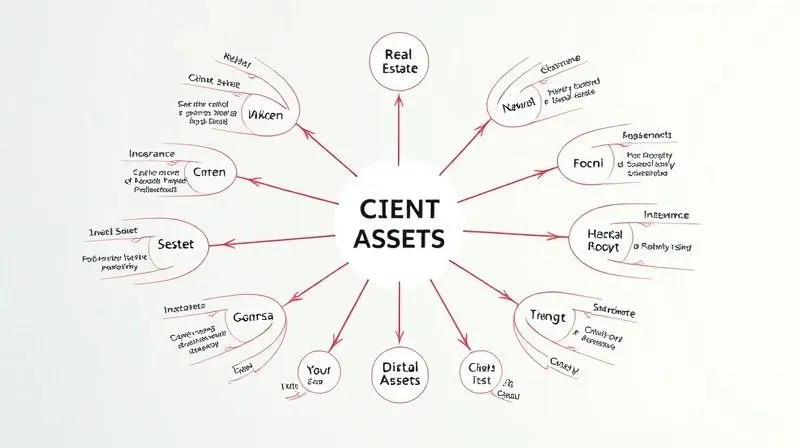
I guide clients and their families to compile a comprehensive list of all assets, both tangible and intangible. This includes:
- Real Estate: Properties, vacation homes, land.
- Financial Accounts: Bank accounts, investment portfolios (brokerage, retirement, college savings), annuities.
- Personal Property: Valuables, heirlooms, vehicles, art collections.
- Business Interests: Ownership in private companies, partnerships.
- Insurance Policies: Life, long-term care, disability.
This process often reveals forgotten accounts or assets, which can then be properly integrated into the legacy plan. It's often surprising what clients discover when prompted to think broadly about their holdings.
Ensuring Proper Beneficiary Designations
This cannot be overstated. Beneficiary designations on retirement accounts (401ks, IRAs), life insurance policies, and annuities supersede a will. Incorrect or outdated designations can lead to assets going to unintended recipients or getting tied up in probate. I've seen situations where an ex-spouse was still listed as a beneficiary, causing immense distress and legal battles for the current family.
We must:
- Review All Designations: Obtain statements for all accounts and policies to verify current beneficiaries.
- Update as Needed: Facilitate the completion and submission of beneficiary change forms immediately.
- Contingent Beneficiaries: Ensure contingent beneficiaries are also named, providing a fallback if the primary beneficiary predeceases the client.
This step, while seemingly administrative, has profound implications for the efficiency and accuracy of wealth transfer. For more information on beneficiary designations, reputable sources like Forbes Advisor offer excellent guidance.
Step 5: Addressing Digital Assets and Online Presence
In our increasingly digital world, a client's online footprint represents a significant, yet often overlooked, part of their legacy. From social media accounts to cryptocurrencies, digital assets require specific planning.
The Modern Legacy Challenge
I've seen families struggle immensely trying to access or manage a deceased loved one's digital life. Without explicit instructions, usernames, passwords, and even the existence of certain digital assets can remain unknown, leading to lost photos, inaccessible financial accounts, or lingering online profiles that cause distress.
When helping to fast-track legacy planning for critically ill clients, we must include a digital asset strategy:
- Inventory Digital Assets: Create a secure, encrypted list of all online accounts, including social media, email, banking, investment platforms, cloud storage, and cryptocurrency wallets.
- Access Information: Document usernames and passwords (preferably in a secure, encrypted digital vault accessible only to trusted designees).
- Instructions for Management: Provide clear instructions for each account – whether it should be memorialized, deleted, or transferred.
- Designate a Digital Executor: Name a trusted individual responsible for carrying out these digital wishes.
- Review Terms of Service: Be aware that terms of service for many platforms can dictate what happens to accounts upon death, sometimes overriding personal wishes.
This is a rapidly evolving area of law and technology, requiring diligence and foresight. Ignoring digital assets is no longer an option in comprehensive legacy planning.
Step 6: Communicating with Family and Key Stakeholders
Legacy planning, especially under urgent circumstances, is not just about documents; it's profoundly about people. Open and honest communication can significantly reduce stress, prevent misunderstandings, and foster family harmony.
Fostering Transparency and Reducing Conflict
In my experience, many family disputes after a client's passing stem from a lack of clear communication during their lifetime. When a client is critically ill, emotions are raw, and anxieties are high. Our role extends to facilitating crucial conversations.
- Encourage Open Dialogue: Help the client communicate their wishes directly to their family, if they are able and willing. This can be incredibly powerful for healing and acceptance.
- Explain the Plan: Once documents are in place, gently explain the framework of the legacy plan to key family members. This isn't about revealing every detail of wealth, but about explaining who is responsible for what, and the general structure of asset distribution.
- Address Concerns: Create a safe space for family members to ask questions and voice concerns. Our empathy and objective expertise can help mediate potential conflicts before they escalate.
- Designate a Family Point Person: Recommend a single, calm family member to act as the primary contact for medical and financial updates, reducing confusion and overwhelming the client.
While challenging, these conversations are vital. As financial planning expert Mitch Anthony often says, “Money is just a tool. It’s what you do with it that matters.” And how you communicate about it matters even more, especially in a crisis. For guidance on difficult family conversations, resources from Psychology Today can be helpful.
Step 7: Leveraging Professional Networks for Expedited Support
No single advisor can do it all, especially when you need to fast-track legacy planning for critically ill clients. A collaborative, multidisciplinary team is essential for efficiency and comprehensive support.
The Collaborative Approach
I always emphasize the importance of a coordinated effort. My role as a wealth management specialist is often that of a quarterback, bringing together and coordinating the efforts of other vital professionals:
- Estate Attorney: Absolutely crucial for drafting and executing legal documents swiftly and correctly.
- Tax Advisor/CPA: To understand and mitigate potential tax implications of accelerated wealth transfer.
- Medical Team: To provide updates on the client's health and capacity, informing the urgency and nature of planning.
- Family Counselor/Therapist: To offer emotional support to the client and family, which indirectly aids in clearer decision-making.
- Insurance Specialist: To review and optimize life and long-term care insurance policies.
By bringing these experts together, we create a robust support system, ensuring all angles are covered and tasks are completed with maximum efficiency. This collaborative synergy is a hallmark of truly effective urgent legacy planning.
Case Study: How the Thompson Family Achieved Rapid Legacy Peace
The Thompson family faced an unimaginable crisis when Mr. Thompson, a successful entrepreneur, received a sudden, aggressive cancer diagnosis. He had a complex business, multiple properties, and a young family, but only a rudimentary will from years ago. The family was distraught and overwhelmed. When they approached me, I immediately convened a rapid-response team, including their existing corporate attorney and a trusted estate planning lawyer I often collaborate with.
Within two weeks, working closely with the family and Mr. Thompson (while his capacity was still strong), we achieved significant progress. We:
- Updated his Power of Attorney documents.
- Drafted and executed a new pour-over will and a revocable living trust to hold his business and real estate assets, avoiding probate.
- Reviewed and updated all beneficiary designations on his life insurance policies and retirement accounts.
- Created a secure digital asset inventory and appointed a digital executor.
- Facilitated a crucial family meeting where Mr. Thompson communicated his wishes directly, reducing potential future conflict.
This resulted in immense peace of mind for Mr. Thompson in his final months, knowing his family was protected and his legacy was secure. His wife later expressed profound gratitude, stating, “We couldn’t have done it without your rapid, empathetic guidance. It was the greatest gift he could have given us.” This real-world example underscores the profound impact of knowing how to fast-track legacy planning for critically ill clients.
Navigating Ethical Considerations and Client Sensitivity
As professionals in wealth management, our ethical obligations are amplified when dealing with critically ill clients. Compassion, discretion, and unwavering advocacy for the client's best interests must always be at the forefront.
Empathy as Our Guiding Principle
I've learned that while technical expertise is vital, empathy is truly the compass in these situations. Clients are vulnerable, and their families are often in emotional turmoil. Our approach must be gentle, respectful, and always prioritize the client's dignity and wishes, even if those wishes differ from what family members might desire.
- Client Capacity: Continuously assess the client's mental capacity. If there's any doubt, consult with legal counsel and medical professionals. Acting on behalf of an incapacitated client without proper legal authority can have severe repercussions.
- Confidentiality: Maintain strict confidentiality. Information shared during this sensitive time is sacrosanct.
- Avoiding Undue Influence: Be vigilant against any attempts by family members or others to unduly influence the client's decisions. Our loyalty is solely to the client.
- Clear Communication: Use clear, simple language, avoiding jargon. Ensure the client fully understands every document they are signing and every decision they are making.
This phase of planning is not merely a transaction; it is a profound act of service. It requires not just a sharp mind, but a compassionate heart, ensuring we genuinely help to fast-track legacy planning for critically ill clients with the utmost care.

Frequently Asked Questions (FAQ)
Question: Can a will be contested if it's created very quickly during a critical illness? Detailed answer: Yes, there's a higher risk of a will being contested if it's created quickly, especially if the client's mental capacity is questioned or if there's suspicion of undue influence. This is precisely why it's crucial to involve an experienced estate attorney immediately. They will take extra steps to document the client's capacity (e.g., through medical assessments or witness affidavits) and ensure all legal formalities are strictly followed to bolster the will's validity against potential challenges. Clear, consistent communication from the client to family members about their wishes can also help deter future contests.
Question: What if a critically ill client is no longer compos mentis (mentally competent) to make decisions? Detailed answer: If a client has lost mental capacity, creating new legal documents like wills or powers of attorney becomes impossible. In such cases, the planning pivots to relying on any existing documents. If no such documents exist, family members may need to seek court-ordered guardianship or conservatorship, which can be a lengthy and emotionally draining process. This underscores the critical urgency of initiating legacy planning while the client still has full capacity. If there are existing Powers of Attorney, the designated agent can then act on the client's behalf within the scope of those documents.
Question: How do you handle complex business interests when fast-tracking legacy planning? Detailed answer: Complex business interests require immediate attention and specialized legal and financial expertise. The first step is to review any existing buy-sell agreements or succession plans. If none exist, or if they are outdated, the focus shifts to creating interim solutions. This might involve transferring voting rights to a trusted party via a specific power of attorney, outlining immediate operational directives, or initiating discussions for a rapid business valuation and potential sale or transfer. Collaboration with a business attorney and a valuation expert is absolutely essential here to ensure the business's continuity and fair value.
Question: What about international assets or clients with dual citizenship? Detailed answer: International assets or dual citizenship add significant complexity, and standard domestic legacy planning may not suffice. It requires specialized legal counsel with expertise in international estate law and cross-border tax implications. We would need to identify all international holdings, understand the laws of the relevant countries regarding inheritance and taxation, and determine if separate wills or trusts are needed in each jurisdiction. This can involve navigating treaties and foreign probate processes, making early engagement with international legal experts paramount.
Question: How can I support the family emotionally during this intensely difficult period? Detailed answer: While our primary role is financial and legal, emotional support is an intrinsic part of empathetic service. I always recommend that families engage with professional grief counselors or therapists, and I can often provide referrals to trusted professionals. My own support focuses on being a calm, reassuring, and reliable presence, simplifying complex information, and demonstrating that their loved one's legacy is being handled with the utmost care and respect. Clear communication and transparency about the process itself can also alleviate much of their anxiety.
Key Takeaways and Final Thoughts
Navigating legacy planning for critically ill clients is one of the most challenging, yet profoundly rewarding, aspects of wealth management. It demands not just expertise, but deep empathy, decisive action, and a collaborative spirit. I've walked this path with many families, and I can attest that proactive, expedited planning, even under immense pressure, provides an invaluable gift: peace of mind.
- Urgency is Paramount: Time is of the essence; act swiftly and decisively.
- Capacity is King: Ensure all legal documents are executed while the client retains mental capacity.
- Team Collaboration: Engage a network of trusted professionals (attorneys, tax advisors, etc.).
- Comprehensive Review: Don't overlook any assets, especially digital ones, or outdated beneficiary designations.
- Communicate with Empathy: Facilitate open, honest conversations with the family to reduce conflict and provide clarity.
- Prioritize Peace: Ultimately, our goal is to honor the client's wishes and secure their family's future, allowing them to focus on what truly matters.
As industry specialists, we have a unique opportunity to provide profound service during a family's most vulnerable moments. By understanding how to fast-track legacy planning for critically ill clients, we don't just manage wealth; we safeguard legacies, provide comfort, and ensure that a lifetime of effort culminates in a dignified and secure future for those left behind. Embrace this challenge with conviction and compassion, and you will make an indelible difference.

Recommended Reading
- Beyond Hype: 5 Ethical Screening Criteria That End Greenwashing
- Unveiling the Impact: How Core Inflation Drives Global Central Bank Policy
- Future-Proof Your Finances: How to Financially Prepare for Unexpected Job Loss
- 7 Proven Strategies: What to Do When Rising Rates Crush Rental Cash Flow?
- 5 Proven Strategies: Mitigating Stablecoin De-Pegging Risk in Business





Comments
Leave a comment below. Your email will not be published. Required fields marked with *