



How Does Debt Settlement Impact a Professional License or Career?
For over 15 years in the intricate world of debt management, I've witnessed firsthand the profound anxieties professionals face when financial distress looms. The fear isn't just about managing monthly payments; it's often a much deeper concern: how does debt settlement impact a professional license or career? This question weighs heavily, and for good reason.
The pain point is real: you've dedicated years, perhaps decades, to building your professional life, acquiring specialized licenses, and cultivating a reputation. The thought that financial difficulties, and the solutions you seek, could jeopardize all of that is terrifying. It’s not just about your credit score; it's about your livelihood, your identity, and your future.
In this definitive guide, I promise to demystify the complex relationship between debt settlement and your professional standing. We'll explore actionable frameworks, case studies, and expert insights to help you understand the risks, navigate the process, and most importantly, safeguard your professional license and career. You’ll learn not just what to do, but why, ensuring you make informed decisions every step of the way.
Understanding Debt Settlement: The Basics and Its Ripple Effects
Before we dive into the specifics of professional implications, let's ensure we're all on the same page about debt settlement. Simply put, debt settlement is an agreement between a debtor and a creditor where the creditor agrees to accept a reduced amount to satisfy an outstanding debt. This often occurs when a consumer is in significant financial hardship and can no longer afford to make their minimum payments.
The process typically involves stopping payments to creditors, saving money in a special purpose account, and then negotiating with creditors to pay off debts for less than the full amount. While it can offer significant relief from overwhelming debt, it's not without its consequences, particularly concerning your financial reputation and, by extension, your professional life.
In my experience, many professionals are drawn to debt settlement because it promises a faster escape from debt than traditional repayment plans. However, the immediate relief often comes with long-term implications that require careful consideration, especially for those whose careers depend on their perceived financial stability and ethical conduct.
The Direct Impact on Your Financial Standing: Credit Score and Public Record
One of the most immediate and undeniable impacts of debt settlement is on your credit report and credit score. When you enter a debt settlement program, your accounts typically go into default, which severely damages your credit score. Creditors report these accounts as 'settled for less than the full amount' or 'charged off,' both of which are negative marks that can remain on your credit report for up to seven years.
A lower credit score can affect your ability to secure new loans, mortgages, or even rent an apartment. While this is primarily a personal financial impact, it can spill over into your professional life. For example, some professional roles, particularly those in finance, require regular credit checks as part of their employment terms or licensing requirements. According to a report by Experian, a debt settlement can drop a good credit score by over 100 points, making it harder to qualify for favorable interest rates and potentially raising red flags during background checks.
"While debt settlement offers a lifeline, it leaves a distinct mark on your financial history. Understanding this mark is the first step in mitigating its professional fallout."
Public Records and Background Checks
Beyond your credit score, certain aspects of debt settlement can become part of your public record, especially if a creditor sues you for non-payment before a settlement is reached, resulting in a judgment. While debt settlement itself isn't typically a public record in the same way bankruptcy is, the underlying financial distress can be. Many employers and licensing boards conduct thorough background checks that may include reviewing credit reports, public records, and even social media to assess a candidate's or licensee's financial responsibility and ethical standing.
Licensing Boards and Professional Ethics: A Closer Look
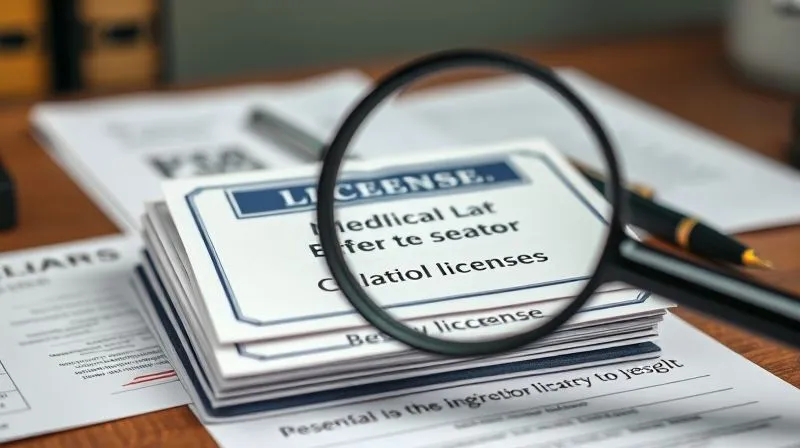
This is where the direct intersection of debt settlement and professional licenses becomes critical. The specific impact largely depends on your profession and the regulations of your licensing board. Many professional boards, especially those governing financial services, law, medicine, and public safety, have clauses related to financial integrity and ethical conduct.
These boards are concerned with whether a licensee's financial situation could impair their judgment, make them susceptible to undue influence, or indicate a lack of responsibility. While debt settlement is generally viewed less severely than bankruptcy, it can still trigger scrutiny.
I've observed that boards rarely revoke a license solely for debt settlement. However, they might initiate an investigation, require you to demonstrate a plan for financial recovery, or impose probationary periods. Transparency and proactive communication are often key to navigating these situations successfully.
Specific Professions at Risk: Who Needs to Be Most Careful?
While any professional can be affected, certain careers carry a higher risk when it comes to financial distress and licensing. These are typically professions that involve significant trust, fiduciary duties, or public safety.
- Financial Advisors/Brokers: Regulatory bodies like FINRA and the SEC have strict rules regarding financial integrity. Debt settlement can raise questions about a professional's ability to manage clients' money if they can't manage their own.
- Lawyers: State bar associations often have ethical rules that require attorneys to maintain financial probity. While not usually grounds for disbarment, significant financial issues can lead to investigations.
- Doctors/Nurses: Medical and nursing boards focus heavily on the ability to perform duties safely and ethically. Financial distress, if severe enough to impact judgment or lead to substance abuse, can be a concern.
- Real Estate Agents/Brokers: Licensing boards may look at financial responsibility, especially since agents handle large sums of money in transactions.
- Government Employees/Security Clearances: For positions requiring security clearances, financial stability is a critical factor. Debt settlement could lead to a review or even revocation of a clearance.
- Accountants/CPAs: Boards of Accountancy expect high standards of financial integrity.
Case Study: How Dr. Anya Sharma Navigated Her Debt Settlement
Dr. Anya Sharma, a respected pediatrician, found herself overwhelmed by unexpected medical bills and student loan debt after a family emergency. Facing a substantial amount of unsecured debt, she explored debt settlement. Her primary concern was her medical license. Instead of ignoring the problem, Dr. Sharma proactively consulted with a financial attorney specializing in debt relief for professionals and a legal expert familiar with the state medical board's regulations.
She meticulously documented her financial hardship and her efforts to resolve it. When her debt settlement was finalized, she had her attorney prepare a detailed explanation, which she then proactively shared with her medical board. The board, seeing her transparency and a clear plan for financial recovery, closed its inquiry without any disciplinary action, issuing only a cautionary note. This resulted in Dr. Sharma maintaining her license and continuing her practice without interruption, albeit with a temporary dip in her credit score which she actively worked to rebuild.

Creditworthiness and Background Checks: Employer Perspectives
Beyond licensing boards, potential and current employers often conduct background checks that include financial assessments. Many companies, especially those in sensitive industries, want to ensure their employees are financially stable and not prone to undue influence or distraction due to personal financial woes. This is particularly true for roles that handle money, sensitive data, or require high levels of trust.
A debt settlement on your credit report might not be an automatic disqualifier, but it can certainly raise questions. It's crucial to be prepared to explain your situation honestly and transparently, focusing on the lessons learned and the steps you've taken to regain control. Some employers might view a past financial difficulty, responsibly addressed, as a sign of resilience and problem-solving skills, rather than an insurmountable red flag.
Mitigating the Risks: Proactive Strategies for Professionals
The good news is that there are proactive steps you can take to minimize the impact of debt settlement on your professional license and career. Based on my years of advising clients, these strategies are non-negotiable for professionals navigating financial distress:
- Consult with Specialized Legal and Financial Experts: Do not go it alone. Seek out a financial attorney or a debt relief specialist who has experience working with licensed professionals. They can advise you on the specific regulations pertaining to your profession and jurisdiction.
- Understand Your Licensing Board's Regulations: Thoroughly review your professional licensing board's rules on financial integrity, reporting requirements, and disciplinary actions. Ignorance is not a defense.
- Proactive Transparency (When Appropriate): In some cases, it might be advisable to proactively inform your licensing board about your financial situation, especially if you anticipate an inquiry. Presenting a clear, documented plan for resolution can demonstrate responsibility and prevent more severe action. Always consult your attorney before doing so.
- Document Everything: Keep meticulous records of your financial hardship, your attempts to resolve debt, communications with creditors, and the details of your debt settlement. This documentation is invaluable if you ever face an inquiry.
- Develop a Post-Settlement Financial Recovery Plan: Don't just settle the debt and forget about it. Create a clear plan for rebuilding your credit, establishing an emergency fund, and managing your finances responsibly moving forward. This demonstrates long-term commitment to financial health.
| Strategy | Benefit | Key Action |
|---|---|---|
| Expert Consultation | Tailored legal & financial advice | Find specialists in professional debt relief |
| Licensing Board Review | Understand specific risks & rules | Read board bylaws, seek legal interpretation |
| Proactive Communication | Demonstrate responsibility, mitigate penalties | Consult attorney, draft transparent explanation |
| Meticulous Documentation | Strong defense against inquiries | Keep all financial, legal, communication records |
| Financial Recovery Plan | Rebuild credit, prevent future issues | Budgeting, emergency fund, credit monitoring |
"The best defense against professional repercussions from debt settlement is a strong offense: proactive planning, expert guidance, and unwavering transparency."
Rebuilding Your Financial Reputation Post-Settlement
A debt settlement isn't the end of your financial journey; it's a new beginning. Rebuilding your financial reputation is crucial for your long-term career stability. This involves several key steps:
- Monitor Your Credit Report: Regularly check your credit reports from all three major bureaus (Equifax, Experian, TransUnion) to ensure settled accounts are reported accurately. Dispute any errors immediately.
- Establish New Credit Responsibly: Once you're financially stable, consider opening a secured credit card or a small credit-builder loan. Use them sparingly and pay them off in full every month to demonstrate positive payment history.
- Maintain a Budget and Emergency Fund: A solid budget prevents future debt, and an emergency fund provides a buffer against unexpected expenses, reducing the likelihood of future financial distress.
- Continue Financial Education: Stay informed about personal finance best practices. The more knowledgeable you are, the better equipped you'll be to manage your money effectively.
Remember, time and consistent positive financial behavior are your greatest allies in rebuilding. As your credit score improves and the negative marks age off your report, the impact on your professional life will diminish significantly.
Alternatives to Debt Settlement: A Brief Comparison
While this article focuses on how debt settlement impacts a professional license or career, it's worth briefly touching upon other debt relief options. Sometimes, an alternative might be more suitable depending on your specific situation and professional vulnerabilities.
- Debt Management Plans (DMP): Offered by non-profit credit counseling agencies, DMPs involve consolidating your unsecured debts into one monthly payment at a reduced interest rate. Creditors are paid in full, which is generally less damaging to your credit than settlement.
- Bankruptcy (Chapter 7 or 13): This is typically the most severe form of debt relief and has the most significant impact on your credit and potentially your professional license. However, for extreme financial hardship, it might be the only viable option. Its public nature often triggers more scrutiny from licensing boards.
- Debt Consolidation Loans: If you have good credit, you might qualify for a low-interest loan to pay off multiple smaller debts. This can simplify payments and reduce interest, but it requires a solid financial standing to begin with.
Each option has its own set of pros and cons, and the best choice always depends on a thorough analysis of your personal and professional circumstances. Always consult with a qualified financial advisor or attorney to determine the most appropriate path for you.
Legal Protections and Rights for Professionals
It's important to understand that you have rights, even when facing financial challenges. The Fair Credit Reporting Act (FCRA) ensures that information on your credit report is accurate and verifiable. If you find errors related to your debt settlement, you have the right to dispute them.
Furthermore, while licensing boards have oversight, their actions must adhere to due process. You have the right to be informed of any allegations, to present your case, and often to legal representation during investigations or hearings. Understanding these rights is part of empowering yourself through the process. For more information on your consumer rights, the Consumer Financial Protection Bureau (CFPB) is an excellent resource.
The Psychological Toll and How to Cope
Beyond the tangible financial and professional impacts, the stress of debt and debt settlement can take a significant psychological toll. The anxiety about one's career, the feelings of shame or failure, and the constant worry can affect mental health and overall well-being. I've seen professionals struggle profoundly with this aspect, and it's essential not to overlook it.
Seeking support, whether from a therapist, a trusted mentor, or a support group, is not a sign of weakness but a mark of strength. Maintaining your mental resilience is crucial for navigating these challenges effectively and ensuring you can continue to perform at your best professionally. Remember, financial setbacks are often temporary, but your well-being is paramount.

Frequently Asked Questions (FAQ)
Q: Will my employer find out about my debt settlement? A: It depends. If your employer conducts credit checks as part of their employment terms (especially in finance or government roles), they might. However, generally, employers don't have direct access to your detailed credit report unless you authorize it for specific roles. Debt settlement is not typically a public record unless it involved a lawsuit and judgment.
Q: Is debt settlement worse than bankruptcy for my professional license? A: Generally, bankruptcy (especially Chapter 7) is considered more severe and publicly visible than debt settlement. Bankruptcy often triggers more intense scrutiny from licensing boards and can have a longer-lasting impact on your credit. However, the exact impact varies significantly by profession and specific licensing board regulations.
Q: Can I appeal a licensing board's decision if they take action due to my debt settlement? A: Yes, in most cases, you have the right to appeal a licensing board's decision. The appeals process typically involves presenting your case, often with legal representation, to a higher authority within the board or even in a court of law. This is why meticulous documentation and expert legal counsel are vital.
Q: How long will debt settlement affect my credit score and professional opportunities? A: A debt settlement will remain on your credit report for up to seven years from the date the account was charged off or settled. Its impact on your credit score will gradually lessen over time. Professional opportunities may be affected during this period, but proactive credit rebuilding and transparent communication can significantly mitigate long-term damage.
Q: Should I hire a debt settlement company or negotiate myself? A: While you can attempt to negotiate with creditors yourself, debt settlement companies often have experience and established relationships that can lead to better outcomes. However, choose a reputable company carefully, as the industry has its share of less ethical players. For professionals, I often recommend involving a financial attorney to ensure all angles, including licensing implications, are covered.
Key Takeaways and Final Thoughts
Navigating debt settlement as a professional requires a delicate balance of financial strategy, legal awareness, and proactive communication. The question of how does debt settlement impact a professional license or career? is complex, but with the right approach, the risks can be managed.
- Debt settlement can impact your credit score and potentially trigger scrutiny from licensing boards and employers.
- Professions requiring high trust or financial integrity are at greater risk.
- Proactive strategies like expert consultation, understanding board regulations, and transparent communication are crucial.
- Meticulous documentation and a strong post-settlement financial recovery plan are essential for rebuilding.
- Alternatives to debt settlement exist, and your choice should be carefully considered with professional guidance.
Remember, financial challenges are not a reflection of your professional worth. With informed decisions, strategic planning, and resilient action, you can successfully navigate debt settlement, protect your professional license, and continue to build a thriving career. Don't let fear paralyze you; empower yourself with knowledge and expert support to take control of your financial future today. For more insights on financial planning and debt relief, consider exploring resources like Forbes Advisor's guides on debt settlement.
Recommended Reading
- Unlock Financial Freedom: How to Start Investing with Very Little Money Today
- Business Account Compromised? 7 Immediate Steps to Secure Your Finances
- Unearthing Profits: 7 Keys to Avoiding Hidden Land Liabilities
- 7 Proven Hacks: Uncover the Absolute Best Budget Travel Deals Consistently
- Unlock Rapid Financial Safety: How to Start Short-Term Emergency Savings Fast





Comments
Leave a comment below. Your email will not be published. Required fields marked with *