



Fix Credit Report Errors Myself?
Have you ever wondered if those numbers on your credit report truly reflect your financial reality? What if you discovered inaccuracies that could be harming your chances of getting a loan or even renting an apartment?
Many people unknowingly harbor incorrect information on their credit reports, impacting their credit scores and financial opportunities. This can lead to higher interest rates, loan denials, and even missed opportunities for better financial products.
This comprehensive guide will empower you to take control and learn how to identify and dispute inaccurate information on your credit report, ultimately helping you fix credit report errors yourself. By the end, you'll possess the knowledge and tools to improve your credit score and secure a brighter financial future.
Understanding Your Credit Report
The Three Major Credit Bureaus
In the United States, three major credit bureaus—Equifax, Experian, and TransUnion—compile and maintain credit reports. It's crucial to understand that these bureaus operate independently, meaning inaccuracies can appear on one report but not others. Always check all three.
What Information is Included?
Your credit report contains various pieces of information, including personal details, payment history on loans and credit cards, public records (like bankruptcies or judgments), and inquiries from lenders who have checked your credit.
Why Accuracy Matters
An inaccurate credit report can significantly affect your credit score, making it harder to obtain loans, rent an apartment, or even get certain jobs. Even small errors can have a substantial negative impact.
How to Obtain Your Credit Reports
AnnualCreditReport.com
By law, you're entitled to one free credit report annually from each of the three major bureaus via AnnualCreditReport.com. This is the only official website authorized to provide these free reports; beware of imitations.
Reviewing Your Reports
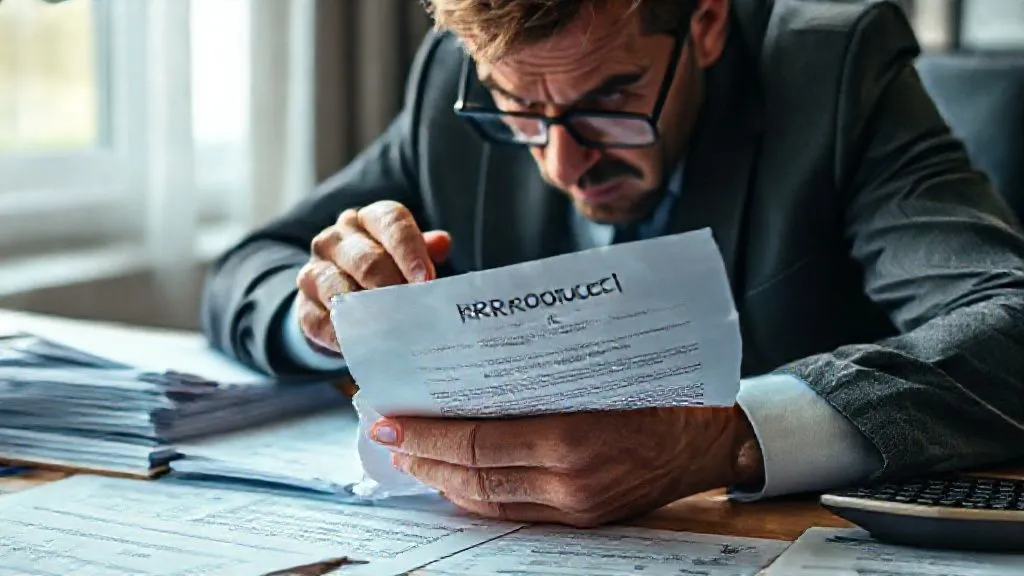
Thoroughly review each report for any discrepancies. Look for incorrect addresses, account numbers, dates, or any accounts you don't recognize. Even a single incorrect digit can negatively impact your score.
Identifying Errors
Common Credit Report Errors
- Incorrect personal information: Name, address, social security number.
- Account information errors: Incorrect balances, payment history, or account status.
- Duplicate accounts: The same account listed twice.
- Accounts that don’t belong to you: Fraudulent accounts opened in your name.
- Late payments that weren’t actually late: This is a common and frustrating error.
Tips for Identifying Errors
Compare your reports against your own financial records. Check bank statements, loan documents, and credit card statements for accuracy. Any discrepancies should be investigated immediately.
Dispute the Errors
The Dispute Process
Each credit bureau has its own dispute process. You'll typically need to submit a dispute letter, providing documentation to support your claim. The bureaus are required to investigate your dispute within 30 to 45 days.
What to Include in Your Dispute Letter
- Your personal information.
- The specific errors you've identified.
- Supporting documentation, such as bank statements or payment records.
- Your request for the correction of the errors.
- Your contact information.
Sending Your Dispute Letter
Send your dispute letter via certified mail with return receipt requested to ensure proof of delivery. Keep copies of everything for your records.
Using Credit Report Dispute Templates
Many websites and consumer advocacy groups offer free templates for writing credit dispute letters. These templates can help ensure you include all the necessary information. However, always personalize the letter with your specific details.
Monitoring Your Credit Report
Importance of Ongoing Monitoring
Even after resolving errors, it's crucial to regularly monitor your credit reports for new inaccuracies. Set reminders to check your reports at least annually, or even more frequently if you suspect issues.
Frequently Asked Questions (FAQ)
How long does it take to resolve a credit report error? The process typically takes 30-45 days, but it can sometimes take longer.
What if the credit bureau doesn't correct the error? You can escalate your dispute and contact the Consumer Financial Protection Bureau (CFPB) for assistance.
Can I fix credit report errors myself, or do I need a professional? While you can certainly handle the process yourself, a credit repair professional can assist if the errors are complex or numerous.
What if I find fraudulent activity on my credit report? Report the fraud to the police and the three credit bureaus immediately. This is a serious matter that requires prompt action.
Are there any fees associated with disputing errors? Disputing errors on your credit report is a free service provided by the credit bureaus. Be wary of companies charging for this service.
Recommended Reading
- Real Estate Riches: How to Start Investing With Little Money
- How Do Insurance Agents Find New Clients Now? The 2024 Guide
- Secure Your Web3 Future: Ultimate Guide to Crypto Wallet Security
- Ultimate Guide: Best Real Estate Agent Financial Strategies
- Reduce University Tuition Fees: The Ultimate Guide for Students
Conclusion
Fixing credit report errors yourself is entirely possible with careful attention to detail and a proactive approach. By understanding the process, meticulously reviewing your reports, and effectively disputing inaccuracies, you can reclaim control over your financial narrative. Remember to be persistent and document everything. Your financial well-being depends on the accuracy of your credit report, so taking the initiative to fix any errors is a crucial step towards a secure financial future. Don't let inaccurate information hold you back—embrace the power of accurate credit reporting!




Comments
Leave a comment below. Your email will not be published. Required fields marked with *