


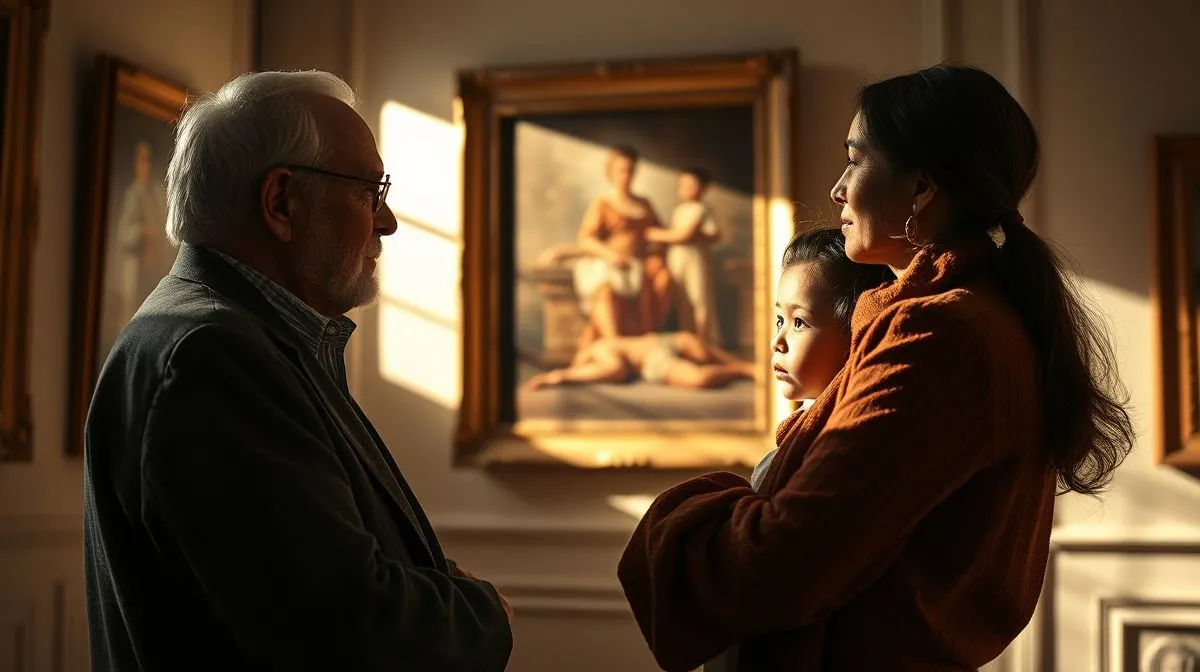
Estate Planning for Multi-Generational Art Collections: Securing Your Legacy
Imagine a family's cherished art collection, built over decades, a testament to their history, passion, and cultural contribution. Now, imagine that same collection, suddenly thrown into disarray after the passing of its primary steward, its future uncertain, its value contested, and its pieces potentially dispersed due to a lack of foresight. This isn't a hypothetical fear for many families; it's a very real challenge that underscores the critical need for meticulous estate planning for multi-generational art collections.
Unlike traditional assets such as real estate or financial portfolios, art carries a unique blend of emotional, cultural, and financial value. Its liquidity can be unpredictable, its conservation complex, and its transfer fraught with intricate tax laws and potential family disputes. Without a clear, legally sound plan, the very legacy a collection represents can be jeopardized, leading to heartache, financial strain, and the fragmentation of a priceless heritage.
This comprehensive guide will illuminate the path to safeguarding your family's artistic treasures. We will delve into the specific challenges of art collection estate planning, explore the essential tools and strategies available, highlight the crucial role of expert advisors, and outline the common pitfalls to avoid. By the end of this reading, you will possess a deeper understanding of how to ensure your multi-generational art collection not only survives but thrives for generations to come.
The Unique Challenges of Art as an Inheritable Asset
Art collections present a distinct set of complexities that set them apart from other assets when it comes to estate planning. Recognizing these nuances is the first step toward building a robust plan.
Emotional vs. Financial Value
For many families, art is more than just an investment; it's steeped in personal history, memories, and a shared aesthetic. This deep emotional attachment can complicate decisions about sale, donation, or division among heirs, often leading to disagreements that financial assets typically don't provoke.
Valuation Volatility and Complexity
Determining the true market value of art is an art in itself. Prices can fluctuate dramatically based on market trends, provenance, condition, and attribution. Unlike stocks, art isn't traded on an open exchange with daily prices, making accurate, up-to-date appraisals crucial yet challenging.
Preservation and Conservation Needs
Artworks are fragile and require specific environmental conditions, ongoing maintenance, and professional conservation to prevent deterioration. Neglecting these needs can significantly diminish a piece's value and historical integrity, posing a long-term burden on heirs who may not be equipped to handle such responsibilities.
International Legal and Tax Implications
As art markets become increasingly global, collections often include works acquired from different countries or by artists from various jurisdictions. This can introduce complex international tax laws, export restrictions, and differing inheritance regulations, requiring specialized legal expertise.
Foundational Steps: Assessing Your Collection and Goals
Before any legal documents are drafted, a thorough understanding of your collection and your long-term aspirations is paramount. This initial phase lays the groundwork for all subsequent planning.
Comprehensive Inventory and Documentation
Begin by creating a detailed, itemized inventory of every piece in your collection. For each artwork, include:
- Artist name and dates
- Title of work
- Date of creation
- Medium and dimensions
- Provenance (history of ownership)
- Exhibition history and publications
- Condition reports and conservation records
- High-quality photographs
- Acquisition date and cost
This documentation is invaluable for insurance, valuation, and proving authenticity, significantly streamlining the estate administration process.
Professional Valuation and Appraisal
Obtain current, professional appraisals from qualified art appraisers. These valuations are essential for estate tax purposes, insurance coverage, and equitable distribution among heirs. Art valuation is a specialized field, and an accredited appraiser will provide a defensible assessment of market value.
Defining Your Legacy Vision
Consider what you want your art collection to achieve beyond your lifetime. Do you wish for it to remain intact within the family, be partially donated to institutions, or sold to fund other legacies? Discuss these aspirations openly with your family and advisors. A clear vision acts as a guiding star for your entire estate plan.
Key Estate Planning Tools for Art Collections
A variety of legal instruments can be employed to manage the transfer of art collections, each offering distinct advantages depending on your specific goals.
Trusts: The Cornerstone of Art Succession
Trusts are arguably the most versatile and powerful tools for managing art collections across generations. They allow you to maintain control over your collection during your lifetime and dictate its future after your passing, often avoiding probate.
- Revocable Living Trusts: Allow you to place your art collection into a trust during your lifetime, retaining full control. Upon your death, the trust provisions govern the distribution of the art, typically avoiding the public and often lengthy probate process. This provides privacy and continuity.
- Irrevocable Trusts: Once established, the grantor generally cannot modify or terminate an irrevocable trust. This type of trust can offer significant estate tax advantages by removing the art from your taxable estate. They are often used for charitable giving or to provide for specific beneficiaries.
- Qualified Personal Residence Trusts (QPRTs): While typically for real estate, creative applications can sometimes involve art housed within a residence.
- Charitable Lead Trusts (CLTs) and Charitable Remainder Trusts (CRTs): These trusts combine philanthropic goals with estate planning. They can provide income to beneficiaries for a period, with the remainder going to charity, or vice versa, offering significant tax benefits.
Wills and Codicils: Specific Bequests
While trusts offer comprehensive planning, a will remains a fundamental document. Within your will, you can make specific bequests of individual artworks or portions of your collection to named beneficiaries. A codicil can be used to modify an existing will, allowing for updates to art bequests without rewriting the entire document.
Gifting Strategies: Lifetime Transfers
Gifting art during your lifetime can reduce the size of your taxable estate and allow you to see your family or chosen institutions enjoy the art. However, it's crucial to understand annual gift tax exclusions and lifetime exemptions. Gifting also transfers the cost basis of the artwork to the recipient, which has implications for future capital gains tax if the art is later sold.
Family Limited Partnerships (FLPs) and LLCs
For very large and complex collections, establishing a Family Limited Partnership (FLP) or a Limited Liability Company (LLC) can be an effective strategy. The art collection is transferred into the FLP/LLC, and interests in the entity are then gifted to family members. This can offer valuation discounts for estate and gift tax purposes, centralize management, and provide a framework for multi-generational ownership and decision-making.
Navigating Tax Implications and Charitable Giving
The tax landscape for art collections can be complex, involving estate taxes, income taxes, and capital gains. Strategic planning can significantly mitigate these burdens.
Estate Tax Considerations for Art
Artworks are included in your taxable estate at their fair market value at the time of your death. For high-value collections, this can lead to substantial estate tax liability. Tools like irrevocable trusts or lifetime gifting can help reduce the taxable estate. It's crucial to ensure your estate has sufficient liquidity to cover potential taxes without forcing the sale of treasured artworks.
Income Tax and Capital Gains
If an artwork is sold after your death, heirs generally receive a 'stepped-up' basis, meaning the cost basis is reset to the fair market value at the time of death. This can significantly reduce capital gains tax if the art has appreciated substantially. However, if art is gifted during your lifetime, the original cost basis carries over to the recipient, potentially leading to higher capital gains tax upon sale.
Charitable Donations: Benefits and Pitfalls
Donating art to qualified charitable organizations, such as museums or universities, can offer significant tax advantages. If the donation is considered a 'related use' gift (e.g., a painting donated to an art museum that will display it), you can often deduct the full fair market value of the artwork. However, if it's an 'unrelated use' gift (e.g., a painting donated to a hospital that will sell it), the deduction is limited to your cost basis. It's vital to consult with a tax advisor and the receiving institution. For more details on charitable contributions, refer to IRS publications on charitable contributions.
The Role of Expert Advisors
Successfully navigating the complexities of estate planning for multi-generational art collections requires a collaborative team of specialized professionals. Each plays a vital role in ensuring your legacy is protected.
Art Lawyers and Estate Attorneys
An estate attorney with experience in art law is indispensable. They can draft trusts, wills, and other legal documents tailored to the unique nature of art, advise on tax implications, and help navigate potential disputes. They understand the nuances of art ownership, authenticity, and international art law.
Art Appraisers and Conservators
Accredited art appraisers provide the critical valuations needed for tax purposes, insurance, and equitable distribution. Conservators assess the condition of artworks, recommend necessary treatments, and advise on proper storage and display, ensuring the physical longevity of the collection. For insights into art valuation, resources like Sotheby's guides on valuing art can be helpful.
Wealth Managers and Financial Planners
These professionals integrate your art collection into your overall financial plan, helping to ensure liquidity for estate taxes, manage investment portfolios, and plan for the long-term financial needs of your heirs, considering the illiquid nature of art.
Art Advisors and Curators
Art advisors can provide market insights, assist with acquisitions or deaccessions, and help shape the future direction of the collection. Curators, especially those from institutions, can offer guidance on potential museum donations and the long-term care of artworks.
Common Pitfalls and How to Avoid Them
Even with the best intentions, certain missteps can derail the most carefully constructed estate plans for art. Awareness of these pitfalls is key to avoiding them.
Lack of Communication Among Heirs
One of the most common causes of family disputes over art is a lack of open communication. Involve your heirs in the planning process early on. Discuss your wishes, the responsibilities involved in owning art, and potential solutions for equitable distribution. Transparency can prevent misunderstandings and resentment.
Under-Appraisal or Over-Appraisal
An inaccurate appraisal can lead to significant problems. Under-appraisal can result in insufficient insurance coverage and expose the estate to audit risks. Over-appraisal can lead to higher estate taxes and unrealistic expectations among heirs. Always use qualified, independent appraisers.
Neglecting Conservation
Failing to properly care for artworks can lead to irreversible damage and a drastic reduction in value. Incorporate a conservation plan into your estate strategy, ensuring that future generations are aware of and commit to the ongoing care requirements.
Ignoring International Laws
For collections with international scope, overlooking the specific laws of different countries regarding inheritance, export, or cultural heritage can lead to legal complications, fines, or even confiscation. Consult with legal experts familiar with international art law. Resources like the Art Law Journal can offer valuable insights into these complex areas.
Procrastination
The most significant pitfall of all is simply delaying the process. Estate planning for multi-generational art collections is a complex, ongoing endeavor, not a one-time event. Start early, review your plan regularly, and adapt it as your collection, family circumstances, or tax laws change.
Case Studies and Practical Examples
Consider the fictional “Rothschild Collection.” The family matriarch, deeply invested in preserving their 19th-century European paintings, established a complex trust. This trust stipulated that the core collection would be held in perpetuity for the benefit of all direct descendants, with specific provisions for rotating display among their homes and a fund for professional conservation. Any sales required unanimous consent, and proceeds were reinvested into the trust. This proactive planning ensured the collection remained intact, fostering family unity and shared stewardship.
Conversely, the “Smith Family Sculpture Garden” faced dissolution. The patriarch, without a clear will or trust, passed away suddenly. His three children, each with differing financial needs and artistic tastes, found themselves at odds over the garden's future. Without a pre-defined valuation or distribution plan, the collection became subject to contentious probate, ultimately forcing the sale of several key pieces to cover estate taxes and legal fees, fragmenting a once cohesive and beloved legacy.
Beyond Financials: Preserving Cultural Heritage and Family Harmony
While financial and legal considerations are paramount, the true value of estate planning for multi-generational art collections extends far beyond monetary aspects. It's about preserving cultural heritage and fostering family harmony.
Educating Future Generations
Engage your children and grandchildren in the collection. Share stories about the artists, the history of the pieces, and the joy they have brought. Educate them about the responsibilities of stewardship, the importance of conservation, and the ethical considerations of art ownership. This instills a sense of pride and responsibility, ensuring they become knowledgeable and passionate custodians.
Establishing Family Protocols
Consider creating a family art charter or a clear set of guidelines for the collection's management, access, and decision-making. This could outline responsibilities for insurance, storage, and exhibition, and provide a framework for resolving disagreements. A well-defined protocol can prevent future conflicts and ensure smooth transitions.
The Ethical Imperative of Stewardship
Art is part of humanity’s shared cultural heritage. Effective estate planning ensures that these treasures are not lost to neglect or division but are preserved for the enjoyment and study of future generations, whether within the family or through public institutions. It’s an act of profound stewardship.
Frequently Asked Questions (FAQ)
What is the first step in estate planning for a multi-generational art collection? The first step is to create a comprehensive, detailed inventory of your entire collection, including provenance, condition reports, and high-quality photographs. This documentation is crucial for all subsequent planning.
How often should I have my art collection appraised for estate planning purposes? It's generally recommended to have your art collection professionally appraised every three to five years, or whenever there's a significant change in the art market, the collection's composition, or your personal circumstances.
Can I donate part of my art collection to a museum and still keep some pieces within the family? Absolutely. Many estate plans involve a hybrid approach, where certain key pieces are designated for charitable donation to institutions, while other works are earmarked for family members. This allows for both philanthropic impact and family legacy preservation.
What happens if my heirs disagree on the division of the art collection? If a clear estate plan is not in place, disagreements can lead to costly and emotionally draining legal battles. A well-drafted trust or will can include specific instructions for division, or even mechanisms for dispute resolution, such as a designated art advisor or mediator to facilitate fair distribution or sale.
Is it possible to keep my art collection private while still planning for its future? Yes, using a revocable or irrevocable trust is an excellent way to maintain privacy. Unlike a will, which becomes a public document during probate, a trust's provisions are generally private, allowing for discreet management and transfer of your art collection.
Recommended Reading
- Decoding High Deductible Health Plans: Your Ultimate Guide
- Unlocking Stability: How Developed Economies Master National Debt Management
- Online Financial Fraud: Unmask Your Consumer Rights & Reclaim What's Yours
- Unveiling the Gaps: What Risks Are Not Covered by Your Umbrella Policy?
- Smart Saving Tips for Low-Income Families: Your Financial Guide
Conclusion
Estate planning for multi-generational art collections is an intricate but profoundly rewarding endeavor. It requires foresight, collaboration with expert advisors, and a deep understanding of both the art world and legal frameworks. By meticulously documenting your collection, obtaining regular appraisals, utilizing appropriate legal tools like trusts, and fostering open communication within your family, you can navigate the complexities of art inheritance with confidence. Ultimately, a well-executed plan ensures that your cherished artistic legacy is not only preserved but continues to enrich and inspire future generations, maintaining both its cultural significance and its inherent value for years to come. Begin this vital process today to safeguard your family's artistic heritage.




Comments
Leave a comment below. Your email will not be published. Required fields marked with *